Key Takeaways
- Artemis II launch now targeted for March 2026 after February delays due to hydrogen leak
- NASA technicians replaced two seals in the tail service mast umbilical following wet dress rehearsal
- Mission will take four astronauts farther from Earth than any humans in history
- Crew includes first Black astronaut, first woman, and first non-American to reach the Moon
📑 Table of Contents
- Historic Mission Faces Technical Challenges
- Recent Technical Updates
- Seal Replacement and Analysis
- Updated Timeline
- Procedural Improvements for Next Rehearsal
- The Artemis II Crew Continues Training
- Mission Overview: A 10-Day Journey Beyond Earth
- The Bigger Picture: Why Artemis Matters
- What's Next?
- Stay Informed
Historic Mission Faces Technical Challenges
NASA's Artemis II mission—set to send four astronauts around the Moon for the first time in over half a century—has encountered technical hurdles that have pushed the launch timeline to March 2026. Despite these challenges, the mission represents a monumental step in humanity's return to lunar exploration.
Recent Technical Updates
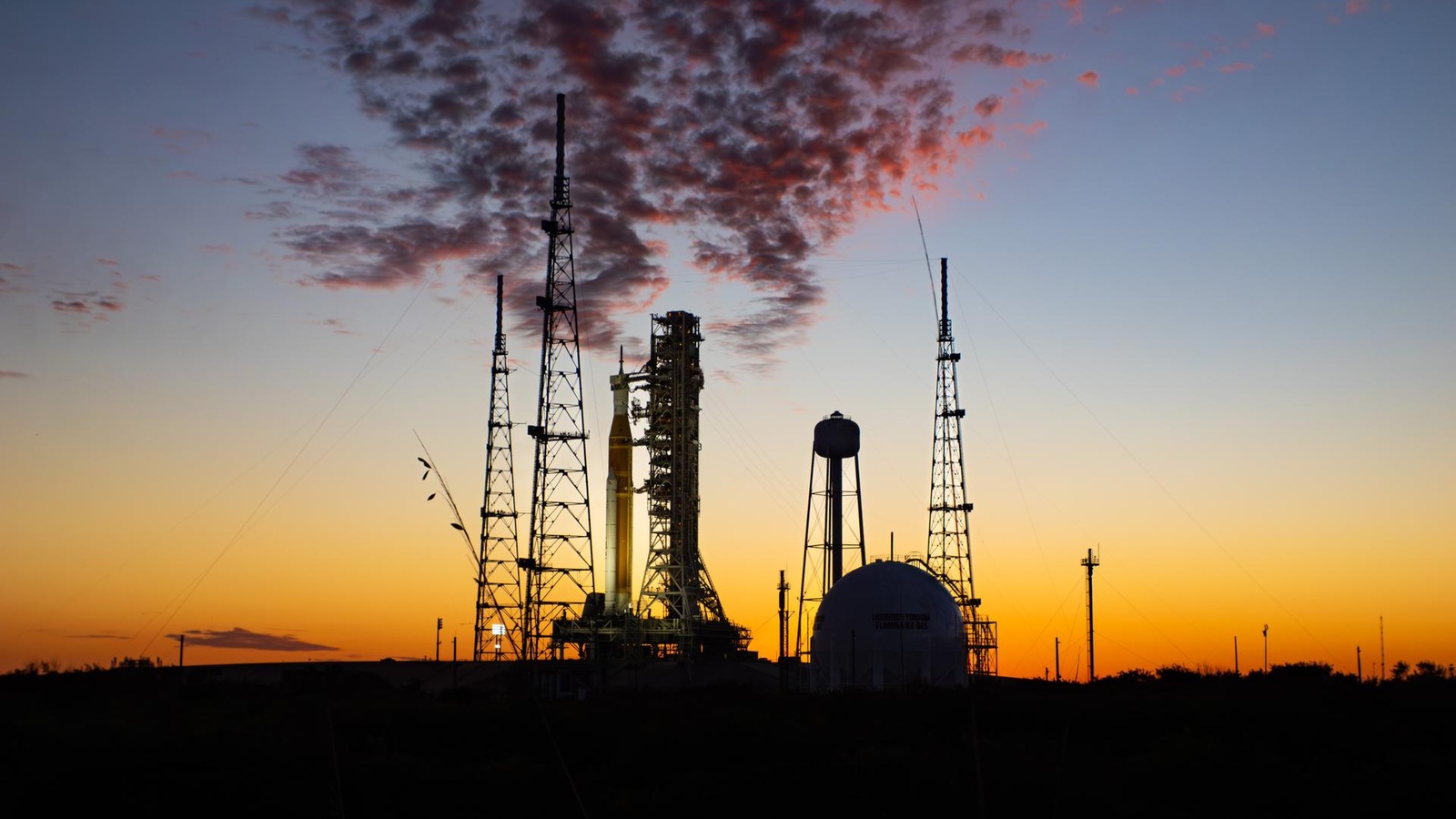
Following a wet dress rehearsal conducted on February 3, 2026, NASA technicians identified higher than allowable hydrogen gas concentrations in the tail service mast umbilical area. This critical discovery led to immediate action from the engineering teams.
Seal Replacement and Analysis
Engineers have replaced two seals in the area where the elevated hydrogen levels were detected. The tail service masts—towering three-story structures—provide essential cryogenic propellant lines and electrical connections to the Space Launch System (SLS) core stage. These masts feature "quick disconnects" that must separate cleanly at launch for safe retraction.
The removed seals are currently undergoing detailed analysis to determine the root cause of the leak. NASA is leaving no stone unturned, with additional testing planned at the Stennis Space Center in Mississippi to evaluate the dynamics of the interface plates where the rocket and ground systems connect.
Updated Timeline
According to NASA's latest updates from February 8, 2026:
- Interface reconnection was expected to complete by February 9
- Additional plate dynamics testing continues at Stennis Space Center
- Next wet dress rehearsal pending validation of seal repairs
- March 2026 remains the target launch window
NASA has emphasised that no specific launch date will be set until a successful wet dress rehearsal is completed and all data thoroughly reviewed.
Procedural Improvements for Next Rehearsal
Learning from the recent test, NASA has implemented several operational changes for the upcoming rehearsal:
- The Orion crew module hatch will be closed before testing begins
- An additional 30 minutes of hold time added during two countdown phases
- Enhanced troubleshooting capability during critical test sequences
These adjustments demonstrate NASA's commitment to thorough testing and mission safety—a philosophy that has defined the agency's approach to human spaceflight.
The Artemis II Crew Continues Training
While engineers work to resolve technical issues, the four-person crew remains focused on mission preparation:
- Reid Wiseman (NASA) - Commander
- Victor Glover (NASA) - Pilot
- Christina Koch (NASA) - Mission Specialist
- Jeremy Hansen (Canadian Space Agency) - Mission Specialist
This crew will make history in multiple ways:
- Victor Glover will become the first Black astronaut to reach the Moon
- Christina Koch will be the first woman to fly to the Moon
- Jeremy Hansen will be the first non-American to journey to Earth's celestial neighbor
The astronauts have continued their training regimen and flight-day timeline reviews throughout the technical troubleshooting period, ensuring they remain mission-ready when the SLS rocket is cleared for launch.
Mission Overview: A 10-Day Journey Beyond Earth
Artemis II is designed as a 10-day mission that will take the crew farther from Earth than any humans have ever travelled. The mission profile includes:
- Launch from Kennedy Space Center aboard the SLS rocket
- Orbit around the Moon without landing
- Testing of critical Orion spacecraft systems in deep space
- Return to Earth with splashdown in the Pacific Ocean
This mission serves as a crucial stepping stone toward Artemis III, which aims to land astronauts on the lunar surface, including the first woman and first person of color to walk on the Moon.
The Bigger Picture: Why Artemis Matters
The Artemis program represents more than just a return to the Moon—it's laying the groundwork for sustainable lunar exploration and eventual human missions to Mars. Each test, each rehearsal, and each technical challenge overcome brings us closer to establishing a permanent human presence beyond Earth.
The current delays, while frustrating, reflect NASA's unwavering commitment to crew safety and mission success. As the agency's motto reminds us: "Failure is not an option."
What's Next?
Space enthusiasts and the public should watch for these upcoming milestones:
- Completion of seal analysis - Understanding the root cause of hydrogen leak
- Next wet dress rehearsal - Full countdown simulation with propellant loading
- Launch readiness review - Final decision point for setting a launch date
- March 2026 launch window - Target timeframe for liftoff
We'll continue monitoring NASA's progress and providing updates as the Artemis II mission approaches this historic launch.
Stay Informed
For the latest updates on Artemis II and other space exploration news, bookmark our site and follow NASA's official Artemis blog. This is an exciting time for space exploration, and we're privileged to witness humanity's next giant leap.
Sources:
- NASA Conducts Repairs, Analysis Ahead of Next Artemis II Fueling Test
- Artemis II: NASA's First Crewed Lunar Flyby in 50 Years
- NASA Conducts Artemis II Fuel Test, Eyes March for Launch Opportunity
- Houston Public Media: NASA is sending Artemis II to the moon