Let's explore the cosmos together.
UK stargazing guides, live sky tools, honest equipment reviews and serious UAP research.
WatchTheStars.co.uk is a UK astronomy site written by Ian Clayton: stargazing guides for British skies, live tools for tonight, equipment reviews based on real kit, and evidence-led UAP research. Updated most days; the sky tools update every time you load them.
Live tools for tonight
Planning ahead: UK night sky this week · next meteor shower in the UK · full moon names · stargazing tips · stargazing for beginners
Featured this week
Pentagon's Seventh UFO File Release: The Black Triangle and the Utah Ranch
The Pentagon's seventh UFO file release: 28 files, a 2026 black triangle seen by federal agents, and the Pentagon-funded team's Utah ranch report.
Did Astronauts See UFOs? NASA's 1998 Answer to Congress
Did astronauts see UFOs? USG-UAP-D001, NASA's 1998 file of replies to Congress and the White House, says no, and shows the evidence it sent.
Best telescopes and binoculars for UK stargazers
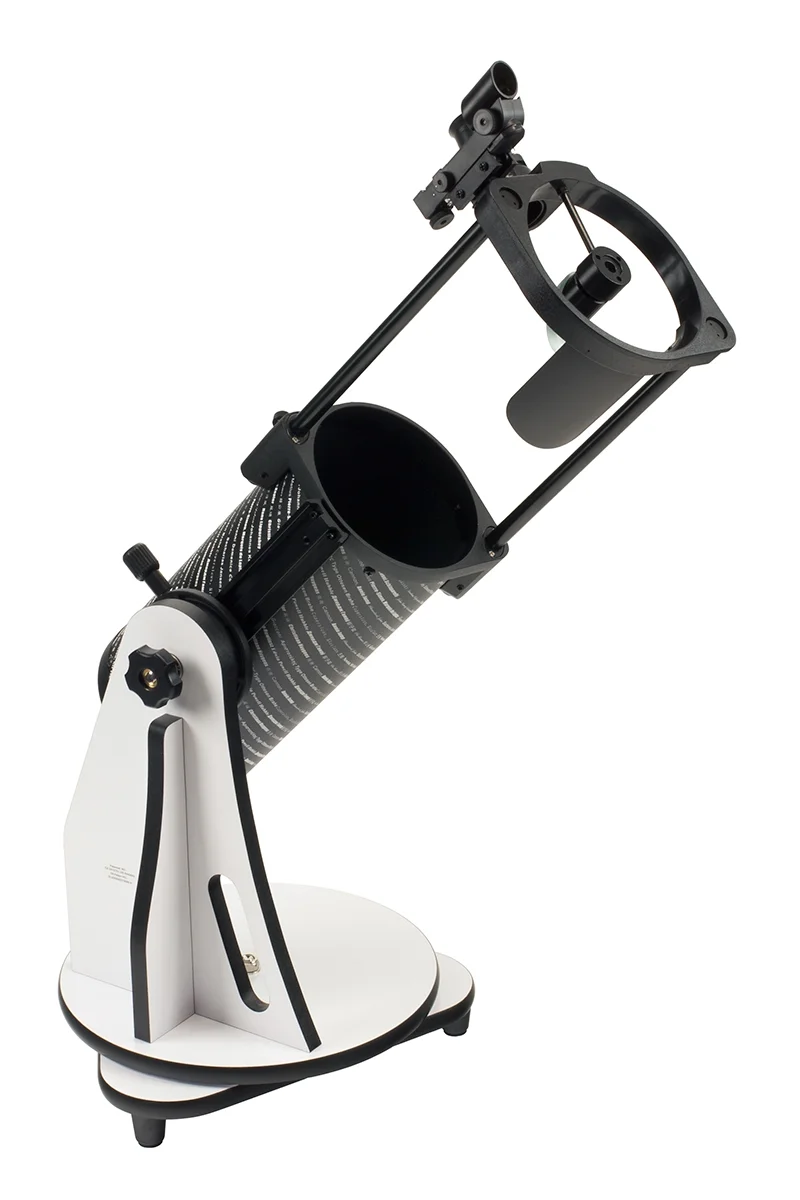
Best beginner telescopes UK
from £194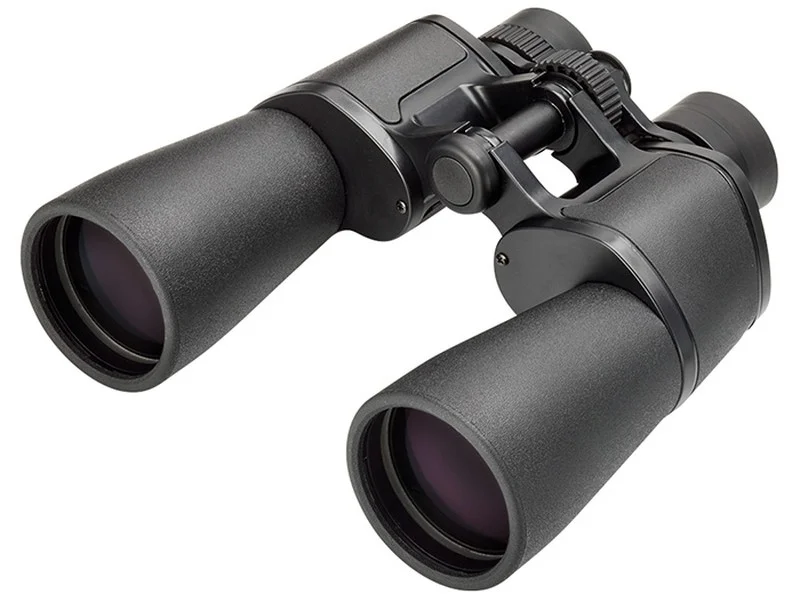
Best binoculars for stargazing
from £84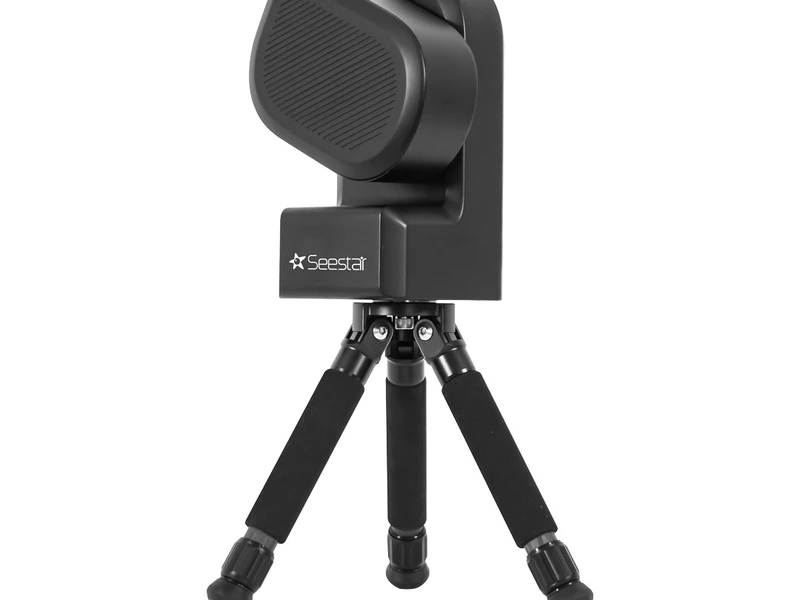
Seestar S50 vs Dwarf 3
£539 vs £459
Best telescope gifts 2026
from £16Also: best telescope for a child · eclipse glasses for 2 August 2027 · best smart telescopes · best astrophotography cameras · telescope mounts and star trackers · eyepieces · complete setups · how to use a telescope
Some links in our equipment guides are affiliate links. We earn a small commission at no cost to you; it never changes what we recommend.
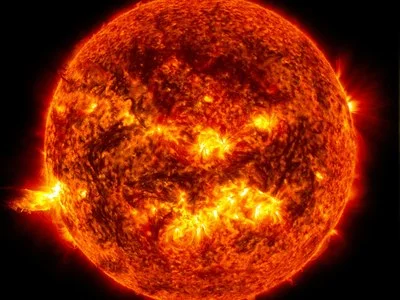 The Sun
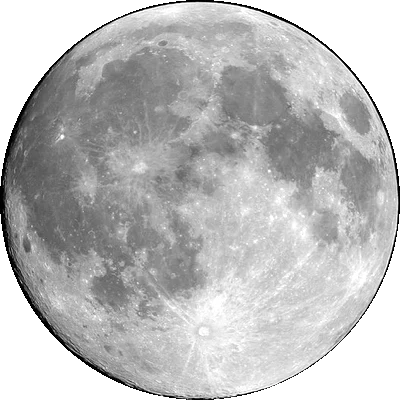 The Moon
 Mercury
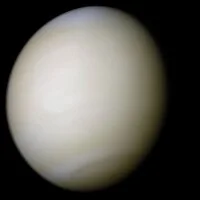 Venus
Venus Earth
Earth Mars
Mars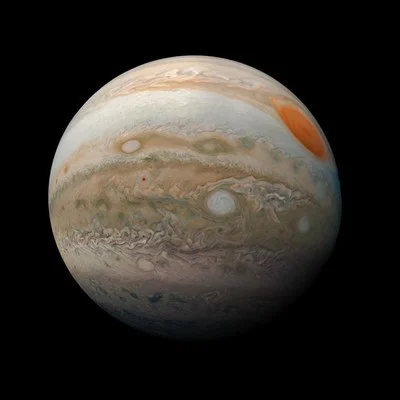 Jupiter
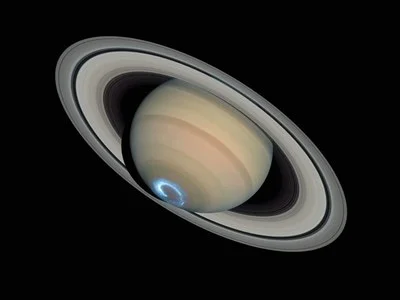 Saturn
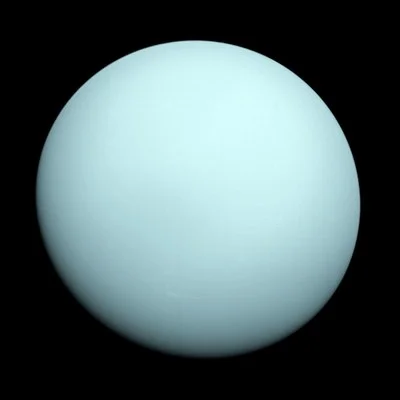 Uranus
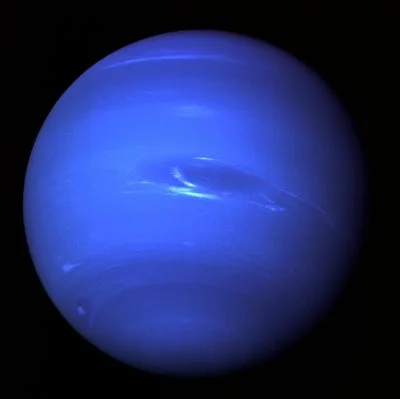 Neptune
 Pluto
Pluto Orion
Orion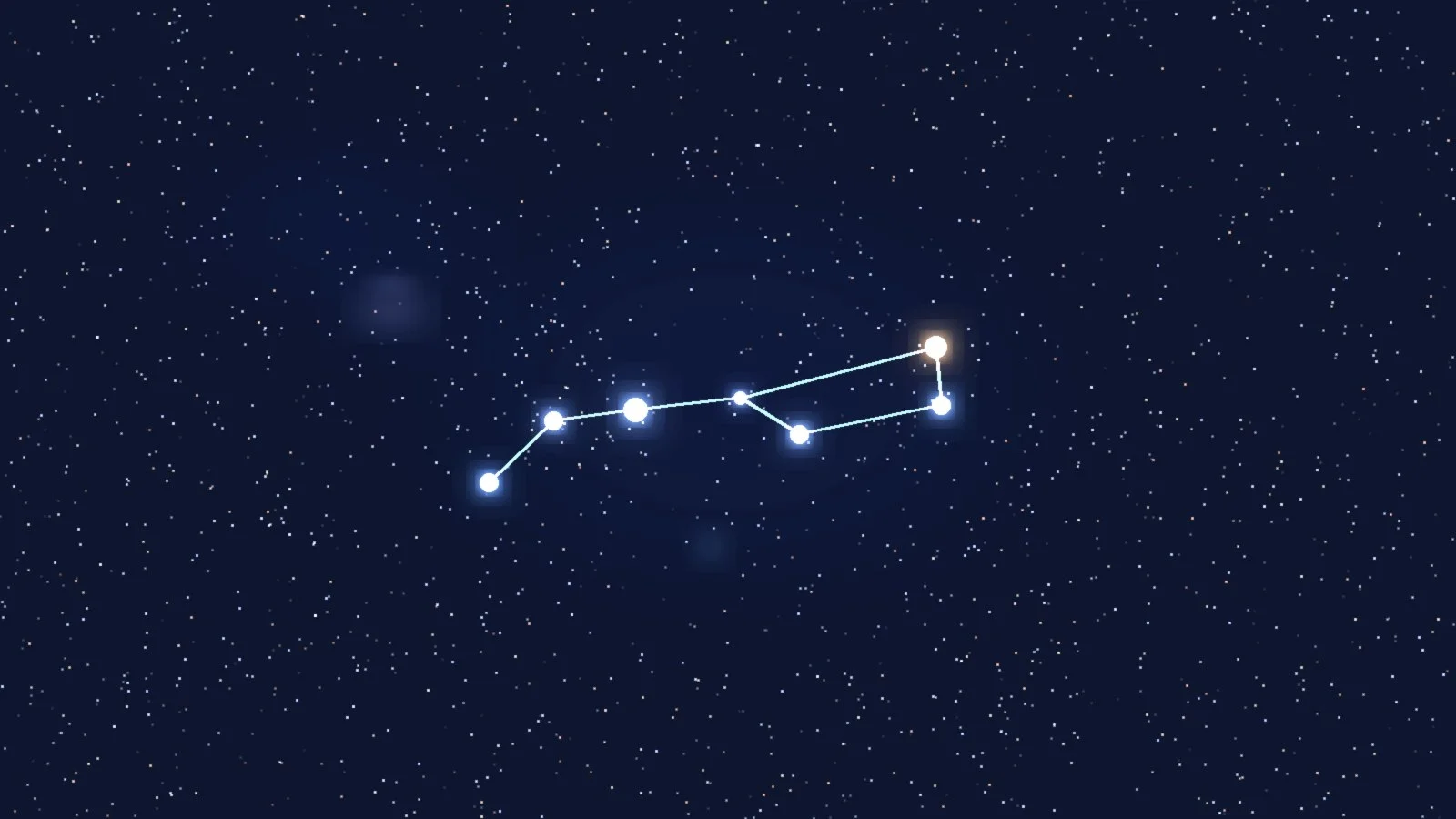 Ursa Major
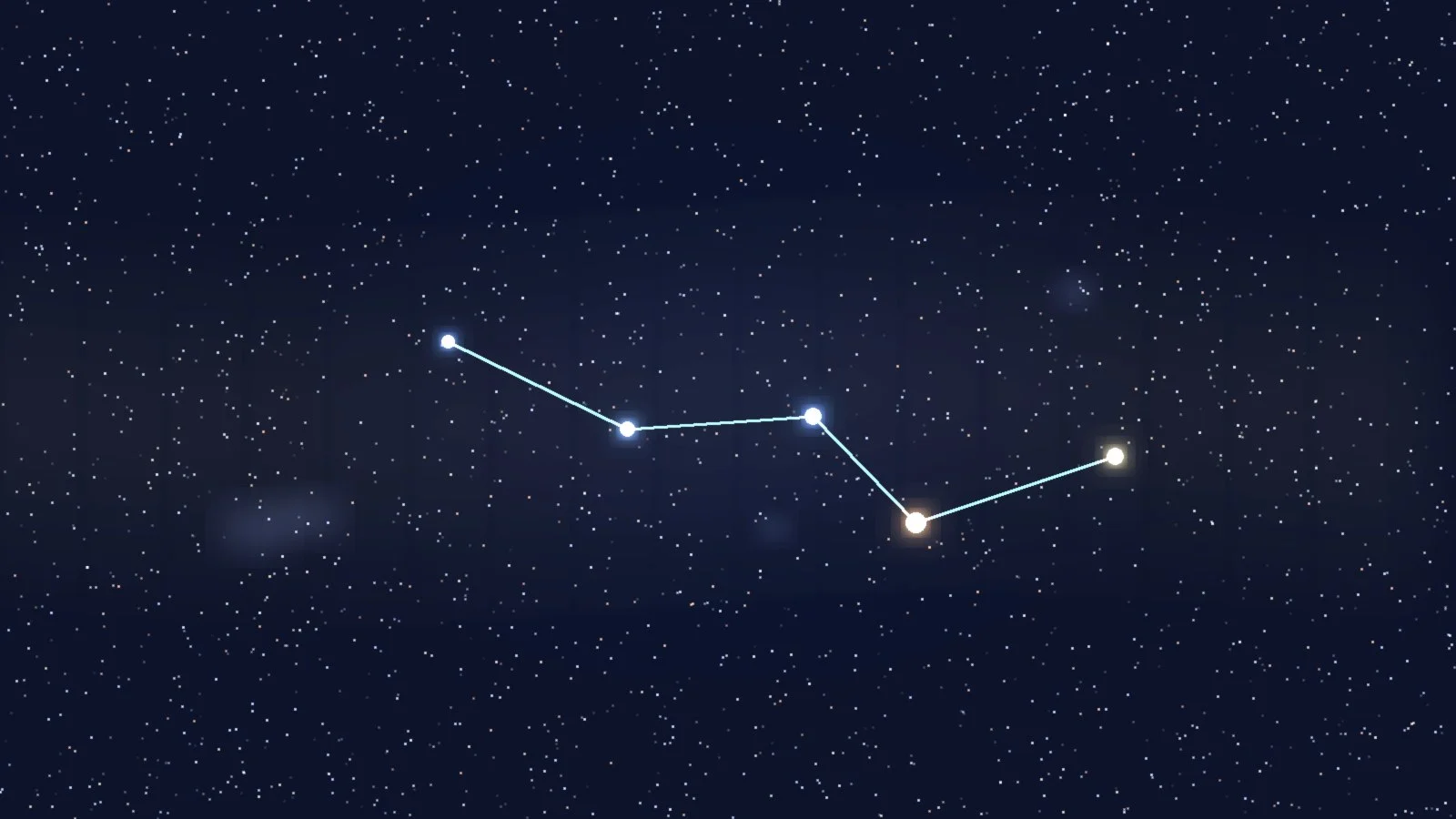 Cassiopeia
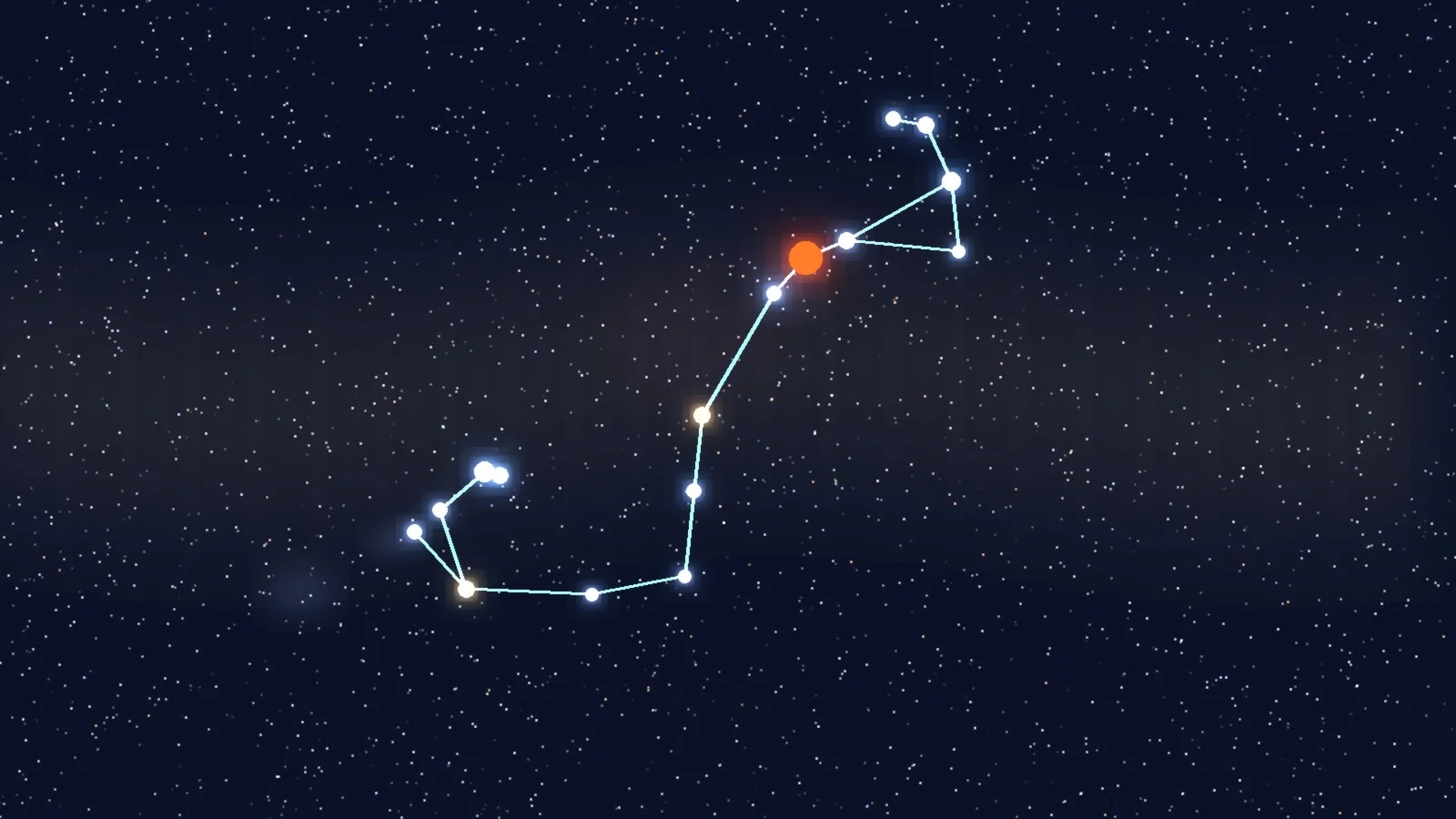 Scorpius
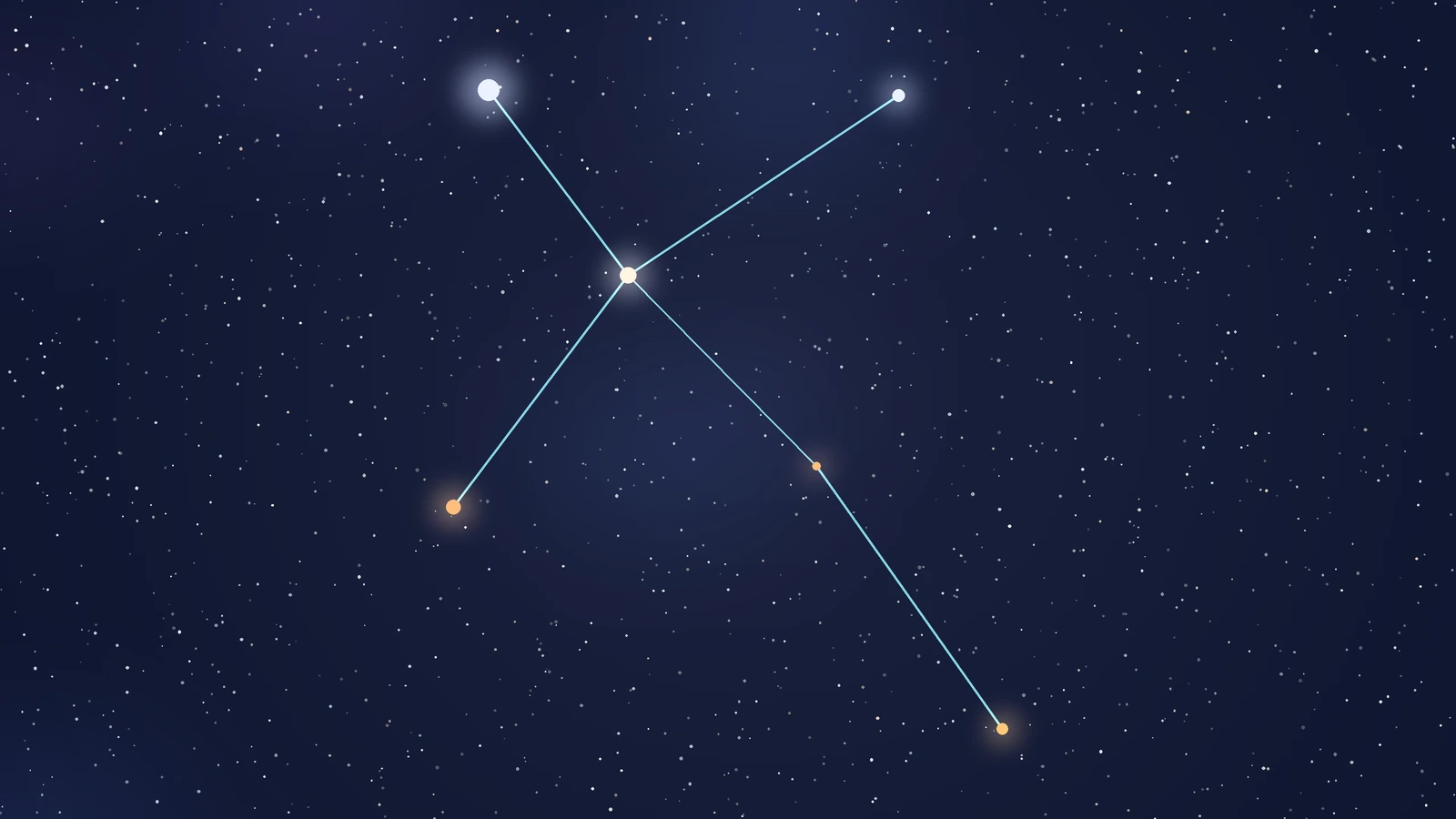 Cygnus
 USS Nimitz
 Phoenix Lights
 Rendlesham Forest
 Varginha
 Types of aliens