Key takeaways
- Venus was the evening star from early March to late September 2026; from the UK it sank into the sunset glare at the end of September
- Greatest eastern elongation fell on 14–15 August 2026 at about 45.9° from the Sun
- On 14 September the Moon covers Venus in daylight: from London it reappears at 11:35 BST, 5.5° up in the east-south-east
- Peak evening brightness comes around 20–22 September at roughly magnitude −4.4 to −4.5
- Inferior conjunction on 23–24 October: Venus switches to the morning sky
- Morning star from early November; greatest morning brilliancy on 27 November at mag −4.7
Jump to section 7 sections
Venus is impossible to miss when it's in the sky. In 2026 it's giving us a long, well-placed evening apparition, dominant in the western sky from March to late September, before crossing through inferior conjunction and switching to the morning sky for the rest of the year. This guide covers the whole year, with month-by-month detail, telescope notes, and UK viewing tips.
2026 Venus Overview
Venus follows a predictable cycle as it orbits the Sun inside Earth's orbit. In 2026 it gives us a long evening apparition followed by a morning star phase that runs into early 2027.
Key Dates for 2026
Before the evening apparition:
- 6 January: Superior conjunction (Venus moves from morning to evening sky)
- 8 March: Venus passes 1° from Saturn in the evening twilight (past)
Evening Star Phase (March to September):
- 9 June: Venus 1.6° from Jupiter, brilliant pairing at dusk in the WNW
- 14–15 August: Greatest Eastern Elongation (about 45.9° from the Sun): best evening views
- 14 September: The Moon covers Venus in daylight. From the UK, Venus reappears at about 11:35 BST
- Around 20–22 September: Peak evening brightness, roughly magnitude −4.4 to −4.5
- Late September: a striking crescent through the telescope, but sinking fast into the twilight from the UK
Inferior Conjunction:
- 23–24 October: Venus passes between Earth and Sun; transitions to morning sky
- Invisible for about two weeks either side
Morning Star Phase (November 2026 to early 2027):
- Early November: Venus becomes observable in the eastern sky before sunrise
- 7 November: Venus, crescent Moon and Spica within 2.5°, a lovely morning grouping
- 27 November: Greatest morning brilliancy, magnitude −4.7 (brighter than the evening peak)
- 3 January 2027: Greatest Western Elongation (about 46.9° from the Sun)
The 9 June Venus–Jupiter pairing was the highlight of the summer, with both planets close enough to share a binocular field. Next up is the Moon–Venus occultation on 14 September, covered in full below. The evening apparition runs nearly eight months in total, and the crescent phase from late September through November is one of the best telescope targets of the year.
Moon–Venus Occultation, 14 September 2026: UK Times
On Monday 14 September the Moon passes directly in front of Venus. From the UK we get half the show. Venus slips behind the Moon at about 10:30 BST while both are still below the horizon, so the disappearance is a write-off. The reappearance is the one to catch: Venus emerges from behind the Moon at around 11:35 BST, low in the east-south-east, in broad daylight.
The Moon and Venus rise together at roughly 10:47 BST from London, within a minute of each other, with Venus already hidden behind the Moon. That gives you about 45 minutes to find the Moon and get lined up.
What time does Venus reappear? UK times and altitudes
| Location | Venus reappears | Moon's altitude |
|---|---|---|
| Norwich | 11:36 BST | 5.7° |
| London | 11:35 BST | 5.5° |
| Dunstable Downs | 11:35 BST | 5.1° |
| Cardiff | 11:34 BST | 3.9° |
| Plymouth | 11:33 BST | 3.9° |
| Manchester | 11:36 BST | 3.4° |
| Penzance | 11:32 BST | 3.2° |
| Newcastle | 11:36 BST | 3.0° |
| Glasgow | 11:36 BST | 1.4° |
| Belfast | 11:35 BST | 1.1° |
| Inverness | 11:37 BST | 0.6° |
The altitude matters far more than the clock. Everywhere in the UK sees it within five minutes of everywhere else, but the Moon is more than five times higher in Norwich than it is in Belfast. At 5° you need real distance in front of you to clear a suburban rooftop line. At 1° you need the sea, a hilltop, or a very long open view. The bearing is about 125° for the whole country, which is east-south-east.
If you are anywhere near the north of Scotland or Northern Ireland, be honest with yourself about the horizon before you plan the morning around it.
How to find it safely in daylight
The Sun is 41° away from the Moon and about 38° up at the time. That is a comfortable margin, but you are still swinging a telescope around a bright daytime sky, so work deliberately. Know where the Moon is before you look through anything, and never sweep. Our guide to observing the Sun safely covers the daytime rules in more detail.
Finding the Moon is the real problem. It is three days old and 12% lit, which is a thin sliver against a blue sky. A GoTo mount that can slew to the Moon removes the difficulty entirely. Without one, pick the Moon up in binoculars first and use a landmark on your horizon to hold the bearing, then move to the telescope.
What you will actually see
Venus reappears at the Moon's bright limb. A waxing Moon travels dark edge first, so objects vanish behind the unlit side and come back at the sunlit one, which is the harder of the two to watch for. At magnitude −4.5, Venus is bright enough that it hardly matters.
It will not be instant either. Venus is 36.7 arcseconds across on the day, so it takes roughly a minute to clear the Moon's edge. You watch a crescent grow out from behind the limb rather than a point of light switching on.
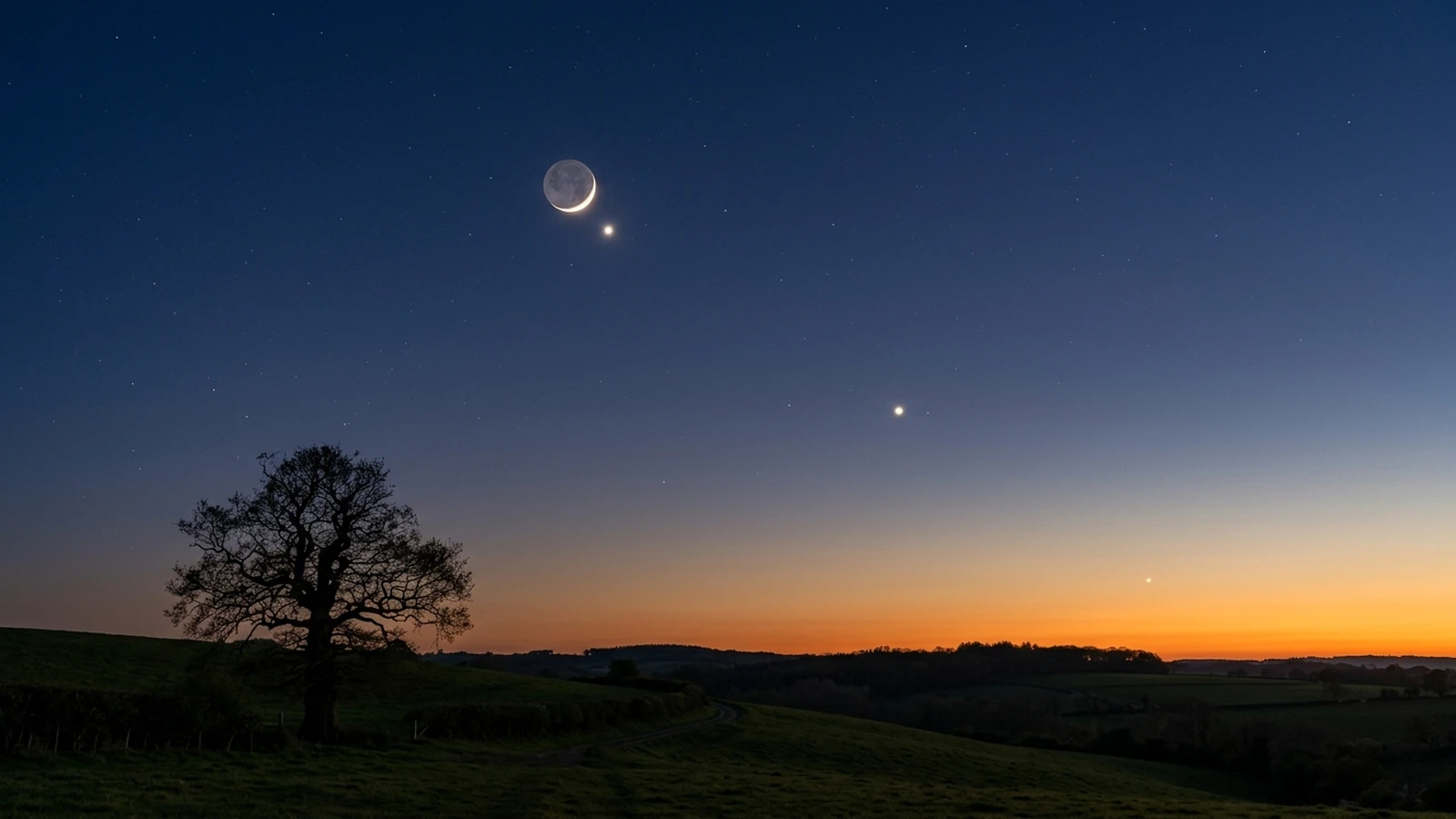
Both objects show a crescent that morning: the Moon 12% lit, Venus 29%. Two crescents of a similar shape sitting side by side, one 391,000 km away and the other 68 million. It does more for your sense of how the Solar System is laid out than any diagram.
A note on the times above. These were calculated for each location from NASA JPL's DE421 ephemeris and cross-checked independently in Stellarium, and the two agree to within a minute. Altitude changes quickly across the country, so check your own spot rather than borrowing the nearest city's figure. If cloud beats you, the Moon and Venus stay close together for the rest of that day and set in the west that evening.
Understanding Venus's Cycle
Venus's motion follows a pattern that repeats approximately every 19 months. The cycle has five stages:
Superior Conjunction: Venus is on the far side of the Sun from Earth, small and fully lit but invisible in the glare. This marks the start of the evening star phase.
Evening Star: Venus emerges in the western sky after sunset, grows brighter and higher each week, and shows decreasing phases (gibbous to half to crescent) as it approaches us. It reaches greatest eastern elongation, its maximum angular distance from the Sun.
Inferior Conjunction: Venus passes between Earth and the Sun. It's enormous in apparent size and showing a thin crescent, but lost in the glare. This marks the switch to the morning sky.
Morning Star: Venus reappears in the eastern sky before sunrise, climbing higher each week. Phases fill back in (crescent to half to gibbous) as Venus moves away from us. It reaches greatest western elongation before slowly fading back toward superior conjunction.
Why Venus shows phases: Venus orbits inside Earth's orbit, so we sometimes see its dayside (when it's far away) and sometimes see mainly its night side (when it's close). At greatest elongation we see it half-lit, a direct parallel with the Moon at first or last quarter. Our guide to why Venus and Mercury have phases but Mars doesn't walks through the geometry with diagrams.
Month-by-Month Venus Viewing Guide
January 2026: Deep in Solar Glare
Venus passed through superior conjunction on 6 January and spent the whole month lost in the Sun's glare. Nothing to see, but the clock was already running on the 2026 evening apparition.
February 2026: First Glimpse in the Evening
By mid-to-late February Venus was creeping out of the solar glare and could be spotted very low in the western sky after sunset, if you had a flat horizon and clear air. At magnitude around −3.9 and only 5–10° above the horizon, this isn't reliable observing; treat any sighting as a bonus. Through a small telescope the disk is small (around 11") and nearly fully lit.
March 2026: Evening Star Gaining Height
Venus cleared the worst of the twilight through March and the main visibility window got underway properly. On 8 March it passed 1° from Saturn, two planets in the same binocular field in the WNW shortly after sunset. Magnitude was around −4.0 and the phase was a fat gibbous, roughly 85–90% lit. Height was still modest but improving every week.
April 2026: Climbing Higher
Venus was now clear of the low-horizon haze and properly established in the evening sky, 20–30° above the horizon at sunset, setting 2–2.5 hours later. Magnitude around −4.1 to −4.2, phase a gibbous 75–85% lit. Good for casual observing; through a small telescope the disk was noticeably flattened on one side and growing week by week.
May 2026: Well Placed
One of the most convenient months of the year for Venus. It was 30–35° above the horizon at sunset, setting 2.5–3 hours after the Sun, and at magnitude −4.2 to −4.3. The kind of thing you notice through a car windscreen on the way home. Through a telescope the disk was around 16–18" across and the gibbous phase was easy to see. A good month to start a phase-watching project.
June 2026: Venus and Jupiter Conjunction
The showpiece event of the evening apparition. On 9 June, Venus passed 1.6° from Jupiter in the WNW, both planets fitting comfortably in the same binocular field. Venus blazed at magnitude −4.3, Jupiter a steadier, creamy point alongside it. The contrast between the two brightest planets is striking and well worth photographing with a wide-angle lens. We have a full guide to the conjunction.
Through a telescope, Venus was now about 20" across and showing a noticeably gibbous phase around 55–65% lit. Satisfying even at 50x.
July 2026: Growing Brighter
Venus was clearly brighter than it had been in spring, now at magnitude −4.3 to −4.4, and the phase was approaching half. Through binoculars on a tripod the crescent shape was becoming obvious. A good month to track the phase week by week: the disk was around 22–25" and the view through even a small telescope was genuinely interesting.
August 2026: Greatest Elongation
The evening apparition's headline event. Greatest Eastern Elongation fell on 14–15 August at about 45.9° from the Sun, placing Venus well clear of any twilight glow, setting nearly two hours after dark, and showing a clean half-phase at the eyepiece. Magnitude at elongation was around −4.3.
Through a telescope around elongation: disk roughly 24–26", half-lit (dichotomy). A great month to show friends the telescope view, as the half-phase is immediately recognisable and needs no explanation. Through late August the phase drops toward 40% and the disk grows, with the crescent becoming more pronounced.
A good time for photography too: Venus is high, bright, and showing a striking shape. Include rooftops or trees in the foreground.
September 2026: Occultation, Then Peak Brightness
Two things worth diarising. On 14 September the Moon covers Venus in daylight and Venus reappears at about 11:35 BST; full UK times and altitudes are in the occultation section above.
Then, around 20–22 September, Venus reaches its greatest brilliancy in the evening sky at roughly magnitude −4.4 to −4.5. On a very dark night it can cast faint shadows. Even in suburban skies it looks extraordinary: steady, pure white against the blue twilight.
Through a telescope this is the crescent phase and one of the best views Venus offers. The disk is large (around 35–45") and the crescent wide and clean. Use 50–100x. Late September into October is also the window for watching the Schröter Effect: the date when the crescent appears to you as exactly half the disk, compared with the predicted theoretical dichotomy date.
October 2026: Evening Star Ending
From the UK, Venus is effectively gone from the evening sky by October. On 1 October it set just four minutes after the Sun from London, and from the 5th it sets before the Sun, so there is nothing to see until it reappears in the morning sky in November.
Observe during late twilight rather than full dark; the lower sky-contrast makes the bright crescent easier on the eye. Around 18–20 October, experienced observers with a clear western horizon might try catching an enormous crescent (60"+ disk) in the last light of dusk. Never sweep near the Sun with optical instruments.
23–24 October: inferior conjunction. Venus passes between Earth and the Sun, invisible for roughly two weeks either side.
November 2026: Morning Star Returns
Venus reappears in the eastern sky before sunrise from early November. On 7 November, Venus, the crescent Moon and Spica all sit within 2.5° of each other. Well worth setting an alarm for.
More importantly, 27 November brings Venus to its greatest morning brilliancy at magnitude −4.7, noticeably brighter than the evening peak. Through a telescope in mid-to-late November, Venus shows a wide, bright crescent (around 40") filling out each week. Height is 10–25° above the eastern horizon before sunrise, improving rapidly.
December 2026: Morning Star, Year-End
Venus ends 2026 as a well-placed morning star, 25–35° above the eastern horizon before sunrise, magnitude around −4.5 to −4.6 and still brilliant. The crescent fills out as Venus moves away from Earth, reaching 30–45% illuminated by year-end and still growing.
Greatest Western Elongation falls on 3 January 2027 at about 46.9° from the Sun, so December is the build-up. A good time to start an observing log and track the phase night by night.
What You Can See Through Different Instruments
With the naked eye
Venus looks like a brilliant white "star", far brighter than any real star, and it doesn't twinkle. At its best it reaches magnitude −4.7, which is about 15 times brighter than Sirius. It can cast faint shadows on a very dark night. You can even spot it in daylight if you know exactly where to look.
The non-twinkling, steady light is the easiest way to confirm it's a planet rather than a star.
With binoculars (7×50 or 10×50)
Binoculars show Venus as a tiny disk rather than a sharp point, confirming you're looking at a planet. In a steady pair (or mounted on a tripod), the crescent phase is visible during the deep crescent stages, late in the evening apparition and early in the morning one. Venus is almost uncomfortably bright through binoculars; the crescent is clearest in twilight when the sky reduces the contrast.
With a small telescope (60–90mm)
All phases from full to crescent are visible clearly and dramatically. Disk size varies from about 10" near superior conjunction to over 60" near inferior conjunction. The best viewing window is greatest elongation (half-phase, 24" disk) through to the deep crescent weeks before and after inferior conjunction.
Venus is often too bright for comfortable viewing, especially against a dark sky. The simplest fix: observe during twilight. The sky's natural brightness acts as a filter and often makes the phase terminator sharper.
For telescope users who want something more: use 50–100x and look for the Schröter Effect (see Observing Tips). In large crescents (10–30% lit) some observers also report the Ashen Light, a faint glow on the unlit portion. It's controversial and likely an optical effect, but it's worth looking for.
With a medium or large telescope (130mm and up)
The phase terminator is sharper and cloud markings become possible on nights of exceptional seeing, though Venus's featureless white appearance means there's rarely much to find. Brightness is a bigger problem at larger apertures; a variable polarising filter is genuinely useful here.
The advanced challenge at any aperture is timing dichotomy precisely (when the phase is exactly 50%) and comparing it with the predicted date. The Schröter Effect typically shifts the observed date by 4–8 days.
What you won't see
Surface features are hidden by the cloud deck. Venus has no moons and no rings. Colour variations are essentially absent; it appears uniformly cream-white. For details, see the equipment section below.
Equipment for Observing Venus in 2026
Venus is one of those rare targets where the simplest approach (naked eye in twilight) is often the most satisfying. That said, even a small telescope transforms the view.
For naked-eye observing: Nothing required. A planetarium app helps confirm it's there and tracks its position when you want to try catching it low in twilight or in daylight.
For binocular observing: Any binoculars will show Venus's phase during the crescent stages. Through 10×50s it genuinely looks like a tiny crescent Moon. The Opticron Adventurer 10×50 or Helios Stellar II 10×50 are ideal: plenty of aperture for twilight work, and both are comfortable over a long session. A tripod or table support makes the crescent easier to hold steady.
For telescope observing: Any scope from 60mm upward shows the phases beautifully. The Sky-Watcher Evostar 90 EQ2 is particularly well-suited: a refractor's clean, high-contrast optics suit a bright, featureless target like Venus perfectly, and the equatorial mount tracks it smoothly as it sets into the western twilight. The Sky-Watcher Heritage 130P also works well; the phases are striking at 75–100x. Stick to 50×–150x; higher magnification rarely adds anything.
What to take outside for Venus
Kit we've tested and reviewed in full
Venus is brilliant enough to spot with nothing, but a good pair of binoculars or a small telescope reveals the phases. The crescent views in September and October are genuinely spectacular.
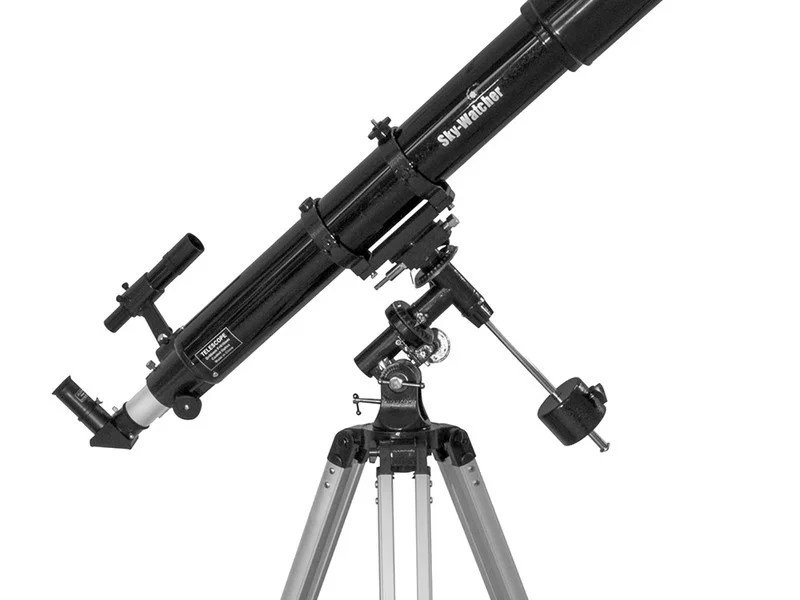
A 90mm refractor shows the phase beautifully at 50–100x. The equatorial mount tracks Venus into the western twilight without constant nudging.
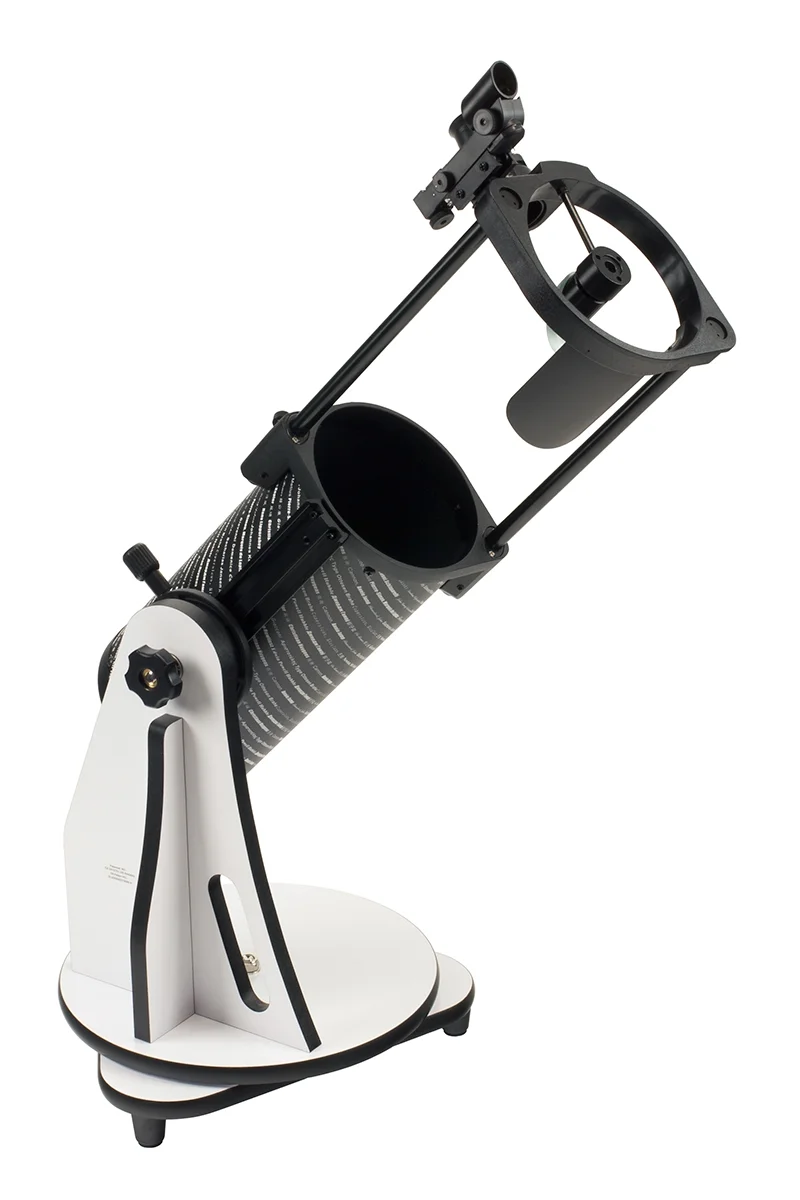
The crescent phase from September to early October is striking at 75x. Also works brilliantly for the Moon, Jupiter and Saturn.
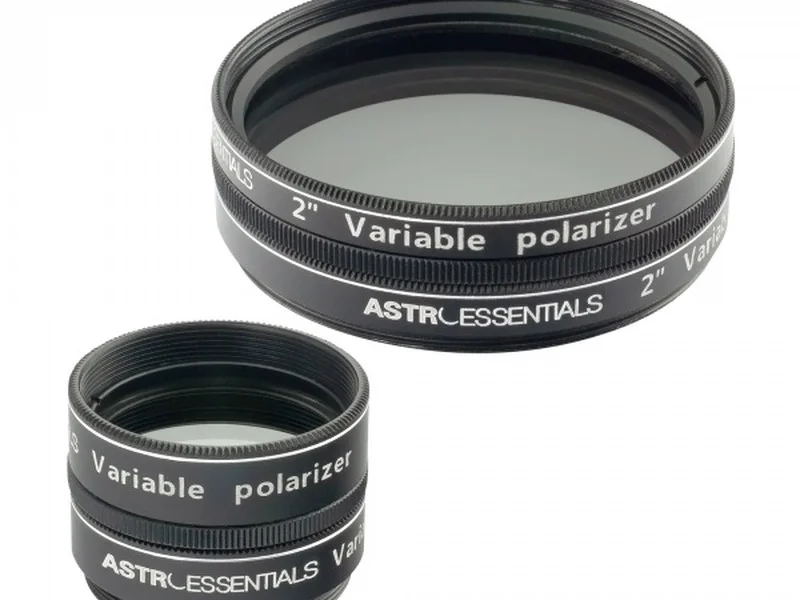
Astro Essentials Variable Polarising Moon Filter
Venus is often painfully bright through a telescope. This filter screws into any eyepiece and lets you dial the brightness down smoothly until the phase is comfortable and crisp. Doubles as a Moon filter.
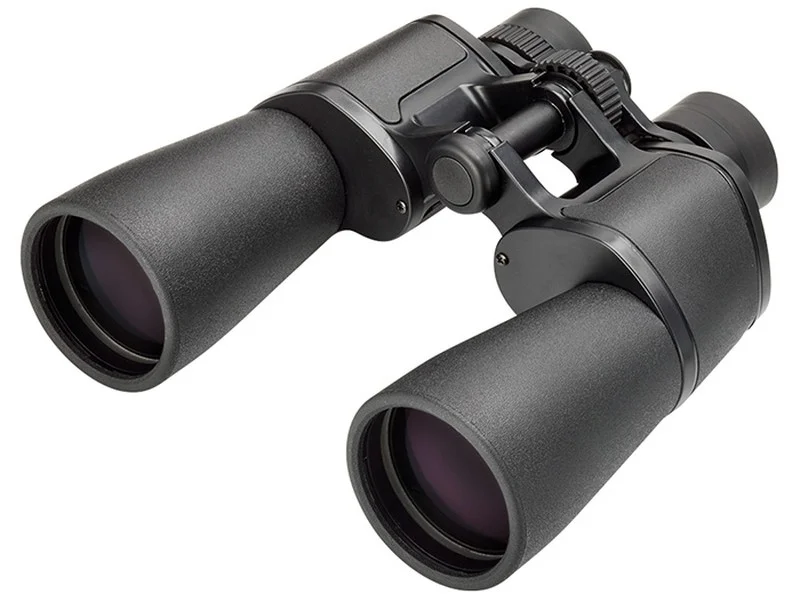
Shows the crescent phase clearly when Venus is below 30% illumination. Good all-round astronomy binocular that also works well for the Moon and star clusters.
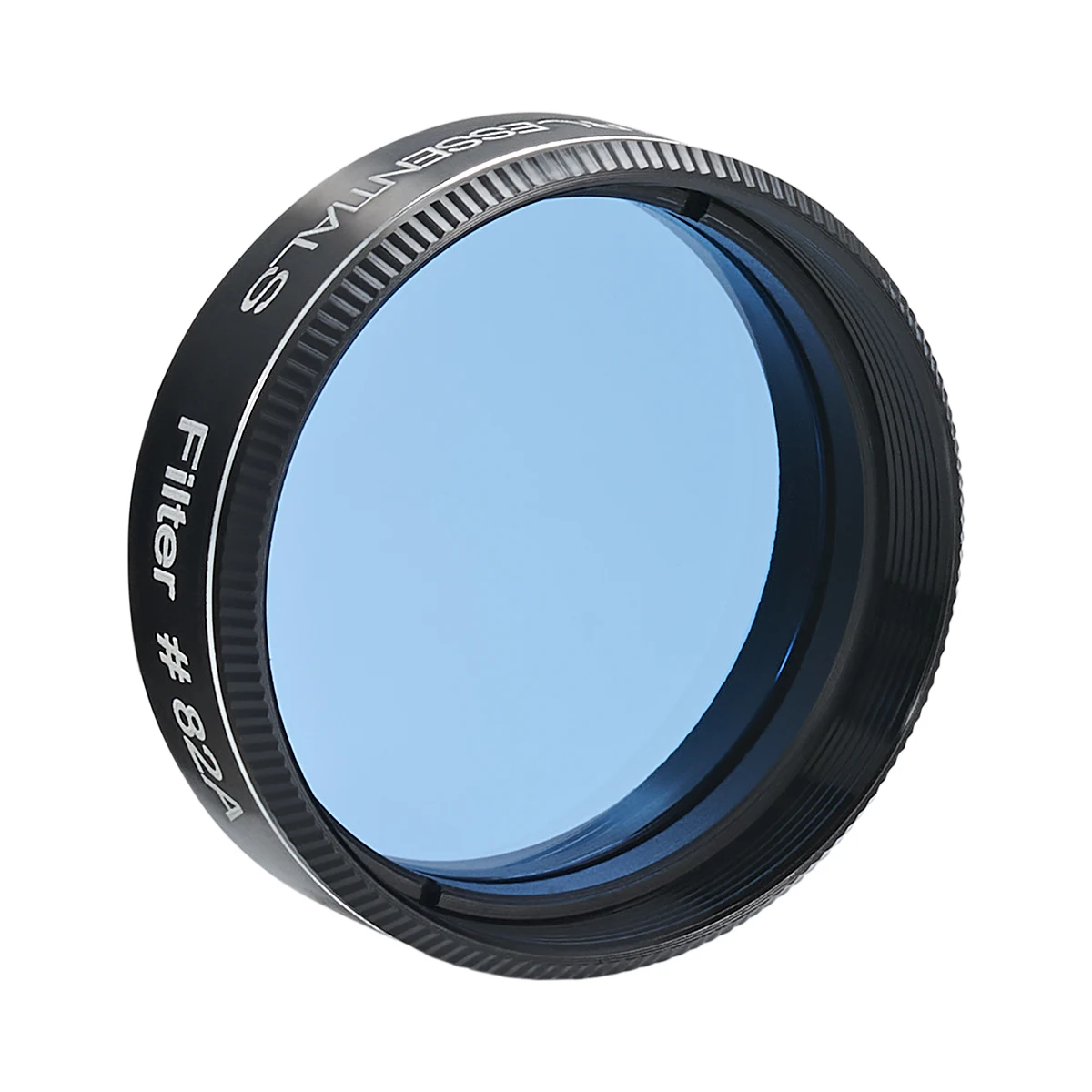
Astro Essentials #82A Light Blue Filter 1.25"
The light blue tint knocks the glare off Venus so the terminator looks crisp, and it barely dims the view. Nine pounds, and it works in any scope.
Affiliate links: you pay the same price, we earn a small commission that helps keep WatchTheStars free.
The #82A Light Blue Filter: The Astro Essentials #82A Light Blue Filter is the classic Venus filter: 73% transmission, reduces glare without distorting colour, and works with any scope from 60mm upward. Around £9. The unanimous recommendation among planetary observers who find the variable polariser overkill for their aperture.
For GoTo/daytime observing: The Celestron NexStar 6SE can slew to Venus in daylight without visual searching near the Sun, which is the safest way to attempt daytime observing. Never sweep the sky for Venus in daylight with optical equipment.
Tips for Observing Venus
Observe in twilight, not darkness. This is the single most useful piece of advice. Venus in a bright blue sky is a completely different experience, and a better one, than Venus against a black background. The natural sky brightness reduces the overwhelming glare and makes the phase terminator sharper. Begin observing 20–30 minutes after sunset (evening star) or end 20–30 minutes before sunrise (morning star).
Start low-power, then build up. Find Venus with your lowest-power eyepiece, centre it, then step up. It's bright enough to take high magnification when the air is steady, but finding it first is much easier at 30–50x.
Follow the phases over weeks. Venus's phase changes noticeably week to week. Observe every 7–10 days and sketch or photograph the phase each time. Watching it go from gibbous to half to crescent, then back again in the morning sky, is one of the genuinely satisfying long-term projects in amateur astronomy.
Use a filter. Venus is often too bright for comfortable telescope viewing. The variable polarising filter (above) is the best solution; the #82A blue filter is a cheaper alternative. Or just step outside earlier. Twilight is the free fix.
Time the dichotomy (Schröter Effect). When Venus is approaching the half-phase, observe every clear night and estimate the date when it looks exactly 50% lit. Compare this with the predicted dichotomy date from planetarium software. During evening apparitions Venus typically reaches the observed half-phase 4–8 days before the theoretical date; in morning apparitions it arrives late. This atmospheric effect is repeatable and real, and it's something anyone with a small telescope can contribute to.
Look for the Ashen Light. During large crescent phases (10–30% illuminated), some observers report seeing the unlit portion of Venus's disk glowing faintly, similar to Earthshine on the Moon. Most likely an optical effect, but it's worth looking for with averted vision. Note what you see (positive or negative) each session.
Photograph the conjunctions. The 9 June Venus–Jupiter pairing is over, but Venus continues to pass near the Moon monthly and will be close to other planets and bright stars through autumn. A wide-angle lens (24–50mm) and a tripod are all you need. Include some foreground for context.
Share the view. Venus is the best "gateway" object in astronomy. It's visible in the early evening (convenient), obvious from light-polluted towns, and the crescent phase through a telescope is something most people have never seen. A stranger looking through your telescope and recognising a crescent moon shape, then realising it's a planet, is one of the best reactions you'll get.
Your 2026 Venus Calendar
SUPERIOR CONJUNCTION:
- 6 January: Venus moves from morning to evening sky (invisible)
EVENING STAR (March to October):
- 8 March: Venus 1° from Saturn at dusk (past)
- 9 June: Venus 1.6° from Jupiter, brilliant pairing in the WNW
- 14–15 August: Greatest Eastern Elongation, about 45.9° from the Sun. Best evening views.
- 14 September: Moon–Venus occultation. Venus reappears at about 11:35 BST, 5.5° up in the ESE from London
- Around 20–22 September: Peak evening brightness, roughly magnitude −4.4 to −4.5
- Late September to mid-October: striking crescent phase through telescopes
INFERIOR CONJUNCTION:
- 23–24 October: Venus passes between Earth and Sun; switches to morning sky
- Effectively invisible from around 10 October to early November
MORNING STAR (November 2026 to early 2027):
- Early November: Venus reappears in the eastern pre-dawn sky
- 7 November: Venus, crescent Moon and Spica within 2.5°, lovely morning grouping
- 27 November: Greatest morning brilliancy, magnitude −4.7
- 3 January 2027: Greatest Western Elongation, about 46.9° from the Sun
Venus is visible to the naked eye from almost anywhere; no dark skies needed. But it's through the telescope that it earns its reputation. Clear skies.
Resources
- Stellarium Web: free planetarium showing Venus's position night by night
- In-The-Sky.org Venus ephemeris: precise daily data including phase, disk size and magnitude
- EarthSky: Venus in 2026: good general guide with observation tips
- ALPO Venus Section: submit your observations and timing data
- British Astronomical Association Venus Section: UK observing reports and guidance
Sources:
- In-The-Sky.org · Lunar occultation of Venus, 14 Sep 2026. Dominic Ford, DE440 ephemeris
- UK reappearance times and altitudes calculated from NASA JPL's DE421 ephemeris and cross-checked in Stellarium
- In-The-Sky.org · Venus at greatest elongation east, 14 Aug 2026. Dominic Ford, DE440 ephemeris
- In-The-Sky.org · Venus at inferior solar conjunction, 23 Oct 2026. Dominic Ford, DE430 ephemeris
- In-The-Sky.org · Venus at greatest brightness (morning), 27 Nov 2026. Dominic Ford, DE440 ephemeris
- EarthSky · Venus greatest distance from the sun August 14–15, 2026
- EarthSky · Venus brightest in the evening sky (September 2026)
- Space.com · Venus reaches superior solar conjunction Jan 2026
Frequently Asked Questions
Equipment guides
Related topics
Ian ClaytonAmateur astronomer and founder of WatchTheStars.co.uk, dedicated to helping others explore the wonders of our universe. Full profile →