Key Takeaways
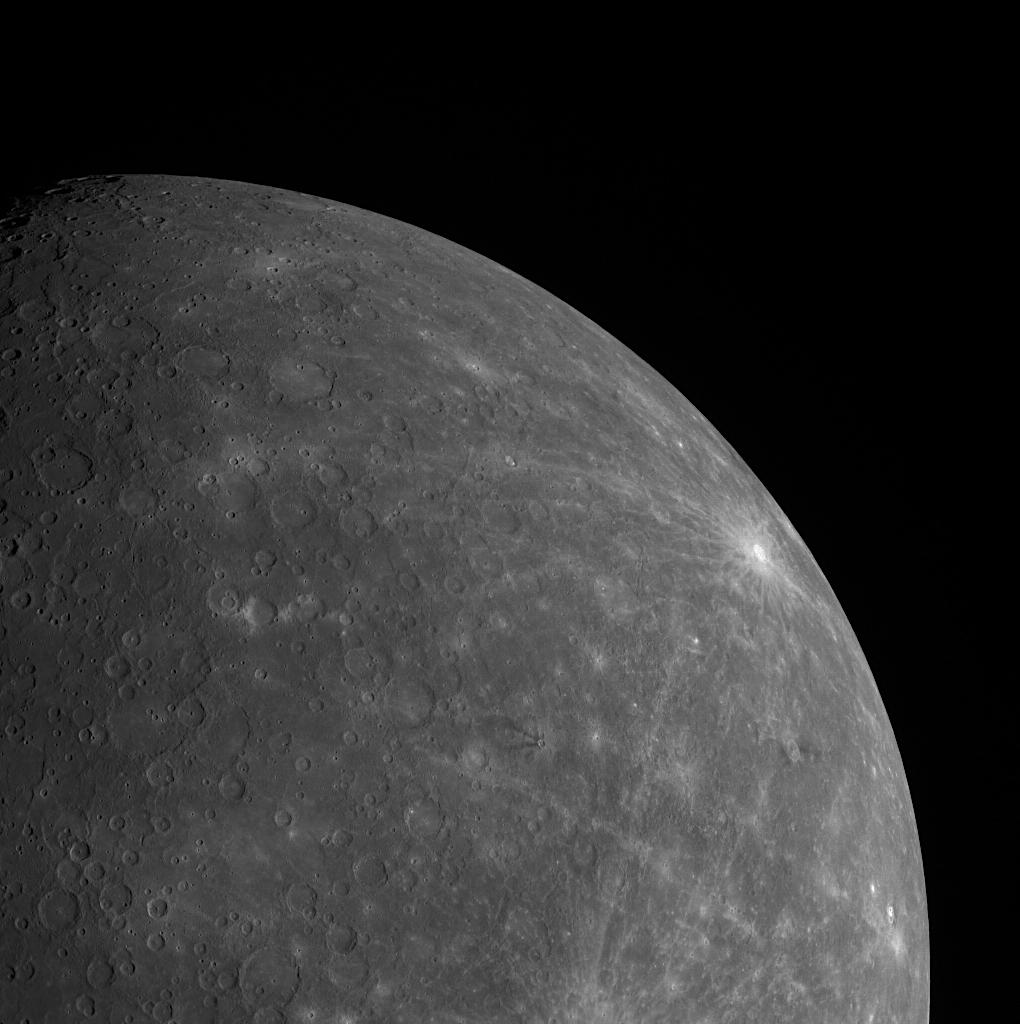
- Closest planet to the Sun, orbiting at just 36 million miles away
- Has the most extreme temperature swings in the solar system - from 800°F to -300°F
- Completes an orbit in just 88 Earth days, making it the fastest planet
Table of Contents
Finding Mercury
Mercury, the innermost planet in our solar system, is never far away from the Sun as seen from Earth. The challenge with observing Mercury is that it's often hidden in front of the Sun, making it impossible to see. However, once every 4 months or so, there's a period when Mercury can be spotted just after sunset in the western sky.
There's also a period when you can see Mercury in the eastern sky just before dawn. In both cases, Mercury appears very bright and can be seen with the naked eye, shining like a brilliant star low on the horizon.
Mercury is most visible during its greatest elongations, when it reaches its maximum angular separation from the Sun. These occur roughly every 4 months, alternating between evening and morning appearances.
Viewing Mercury Safely Through a Telescope
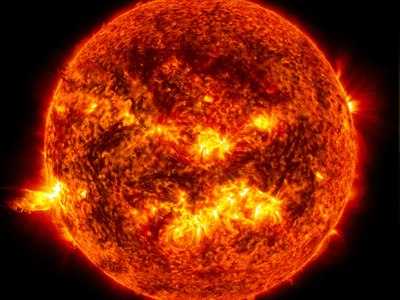
Because Mercury is so close to the Sun, you must take precautions when viewing it. You need to ensure that you have a proper Sun filter for the telescope that you own. This is crucial for your safety and the protection of your equipment.
The suppliers of some cheap refractor telescopes provide a welder's glass filter that screws onto the eyepiece. Do not use these! They may heat up and crack as you are looking through the telescope. A proper solar filter always goes on the front end of the telescope, blocking the sunlight before it enters the optical system.
Recommended Solar Filters
- Celestron Solar Filters - High-quality filters for various telescope models
- Telescope House - Reputable online astronomy store
- Baader AstroSolar Safety Film - DIY option for custom filter cells
Mercury's Extreme Environment
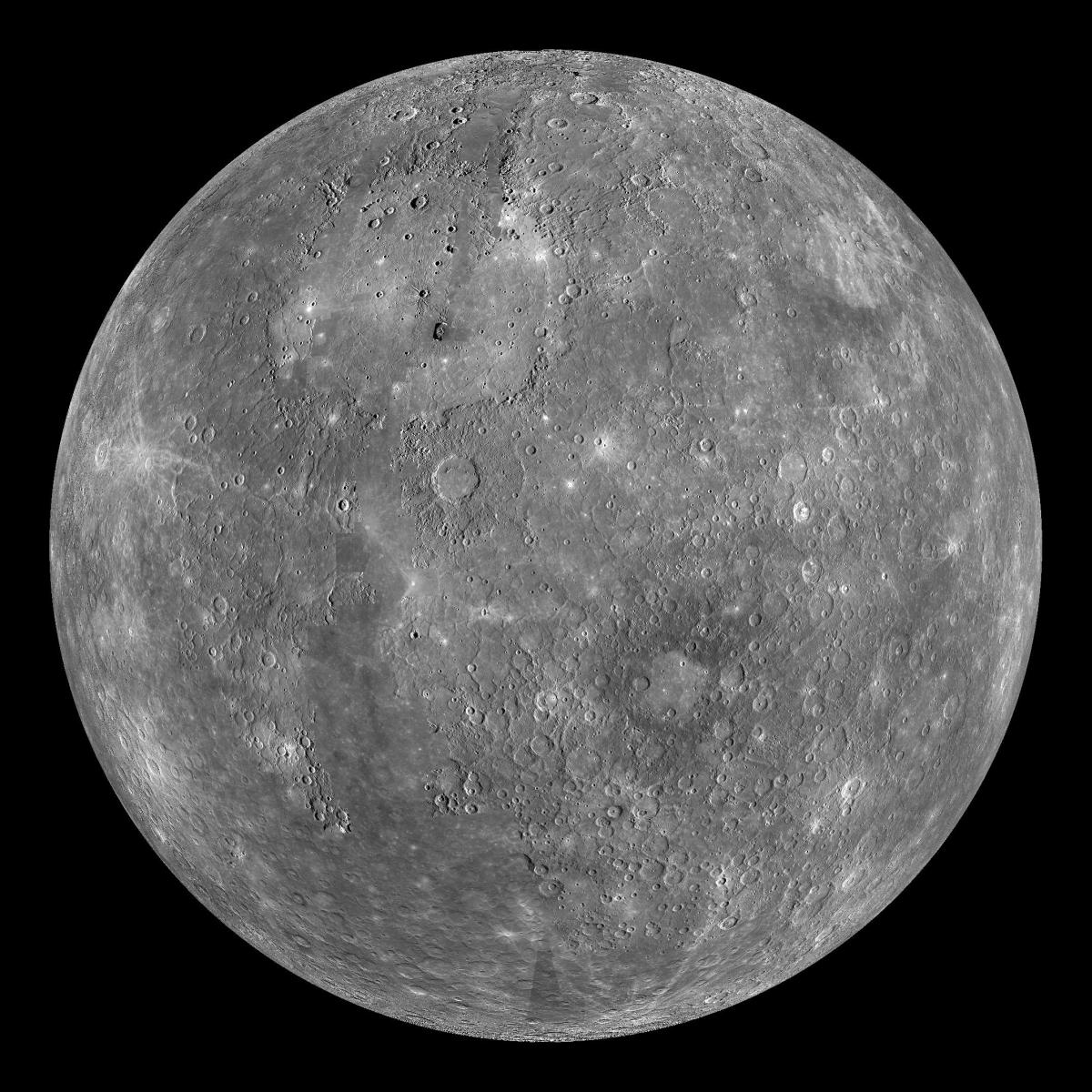
Mercury experiences the most extreme temperature variations of any planet in our solar system. During the day, temperatures can soar to 800°F (427°C), hot enough to melt lead. At night, they plummet to -300°F (-183°C). This dramatic swing is due to Mercury's lack of atmosphere, which means there's nothing to retain heat.
Interesting Facts About Mercury
Despite being the closest planet to the Sun, Mercury is not the hottest planet in our solar system - that title goes to Venus. Mercury's lack of atmosphere means it can't trap heat, resulting in those extreme temperature swings.
Mercury also has a very unusual rotation pattern. It rotates three times on its axis for every two orbits around the Sun, creating a unique day-night cycle that lasts 176 Earth days.