Key Takeaways
- A dislodged seal inside a helium quick disconnect fitting was the cause of the flow blockage
- NASA has removed, repaired, and validated the fix — helium is now flowing correctly
- Additional battery and seal replacements are being carried out while the rocket is in the VAB
- Rollout back to Launch Pad 39B is targeted for later in March
- April 1 remains the earliest possible launch date, with backup windows through April 6 and from April 30
📑 Table of Contents
What Did NASA Find?
After rolling the Space Launch System back from Launch Pad 39B to the Vehicle Assembly Building on 25 February, NASA engineers set about finding exactly why helium could not flow into the rocket's upper stage. The answer, announced on 3 March, turned out to be surprisingly small given the scale of the disruption it caused.
A seal inside the quick disconnect — the fitting through which helium passes from the ground supply systems into the rocket — had shifted out of position, physically blocking the helium pathway. The upper stage, known as the Interim Cryogenic Propulsion Stage (ICPS), relies on helium for two critical purposes: purging cryogenic propellants from the stage after use, and pressurising the liquid hydrogen and liquid oxygen tanks that feed the engine. Without a clear helium supply, the rocket simply cannot be launched safely.
Exactly why the seal shifted has not yet been established. NASA says that investigation is ongoing — understanding the root cause is important not just for this mission, but to prevent a repeat on future flights.
The Fix
Once the culprit was identified, the repair was straightforward in principle, if not in execution. Technicians removed the quick disconnect assembly, replaced and correctly seated the seal, and reassembled the unit. Engineers then validated the fix by running helium through the system at a reduced flow rate, confirming that the pathway was clear and the component was functioning properly before declaring the issue resolved.
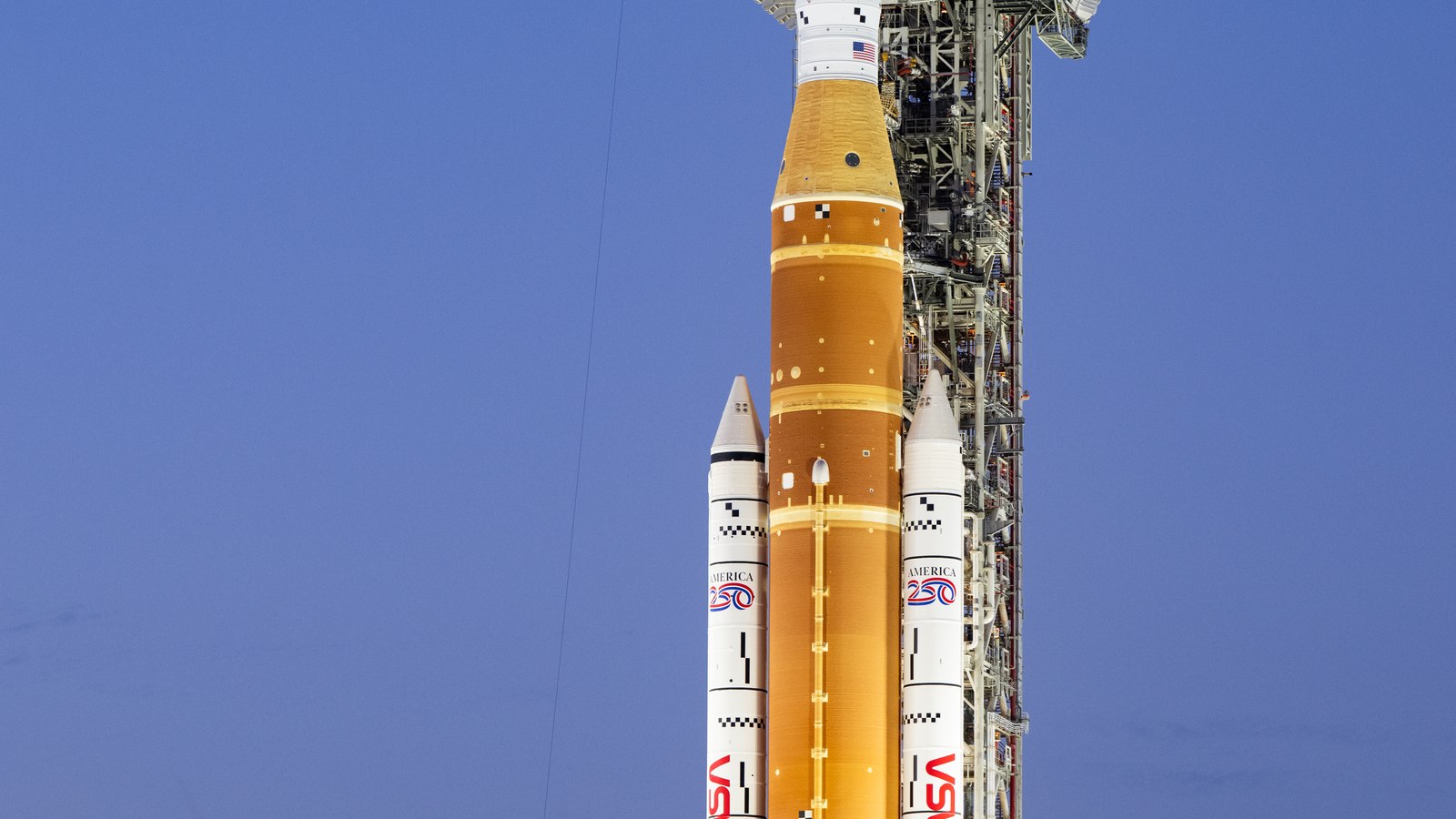
It is a reminder of how a component that could fit in your hand can ground one of the world's most powerful rockets. The SLS stands 98 metres tall and produces 8.8 million pounds of thrust at liftoff — yet this campaign has now been delayed by a seal.
Other Work Being Done in the VAB
With the rocket back inside and engineers already at work, NASA has taken the opportunity to address several other items that were due for attention:
Flight termination system batteries: New batteries are being activated on the rocket's flight termination system — the mechanism that would destroy the vehicle in the event of a catastrophic failure during ascent. Once activated, the system must undergo complete end-to-end retesting to satisfy United States Space Force Eastern Range safety requirements before any launch attempt.
Battery replacements across the vehicle: Teams are also replacing batteries on the upper stage, the core stage, and both solid rocket boosters, and are charging batteries on Orion's launch abort system. Batteries have a limited operational life once activated; replacing them now ensures they will be fresh and within certification limits for the launch window.
Core stage oxygen line seal: A separate seal replacement began on 2 March on the liquid oxygen feed system of the core stage. This is an additional item picked up during the inspection period — it does not appear to be related to the helium issue.
Carrying out this work while the rocket is already inside the VAB is the operationally sensible approach. Returning to the pad only to discover an out-of-life battery or a marginal seal would cost far more time than dealing with everything now.
What Happens Next?
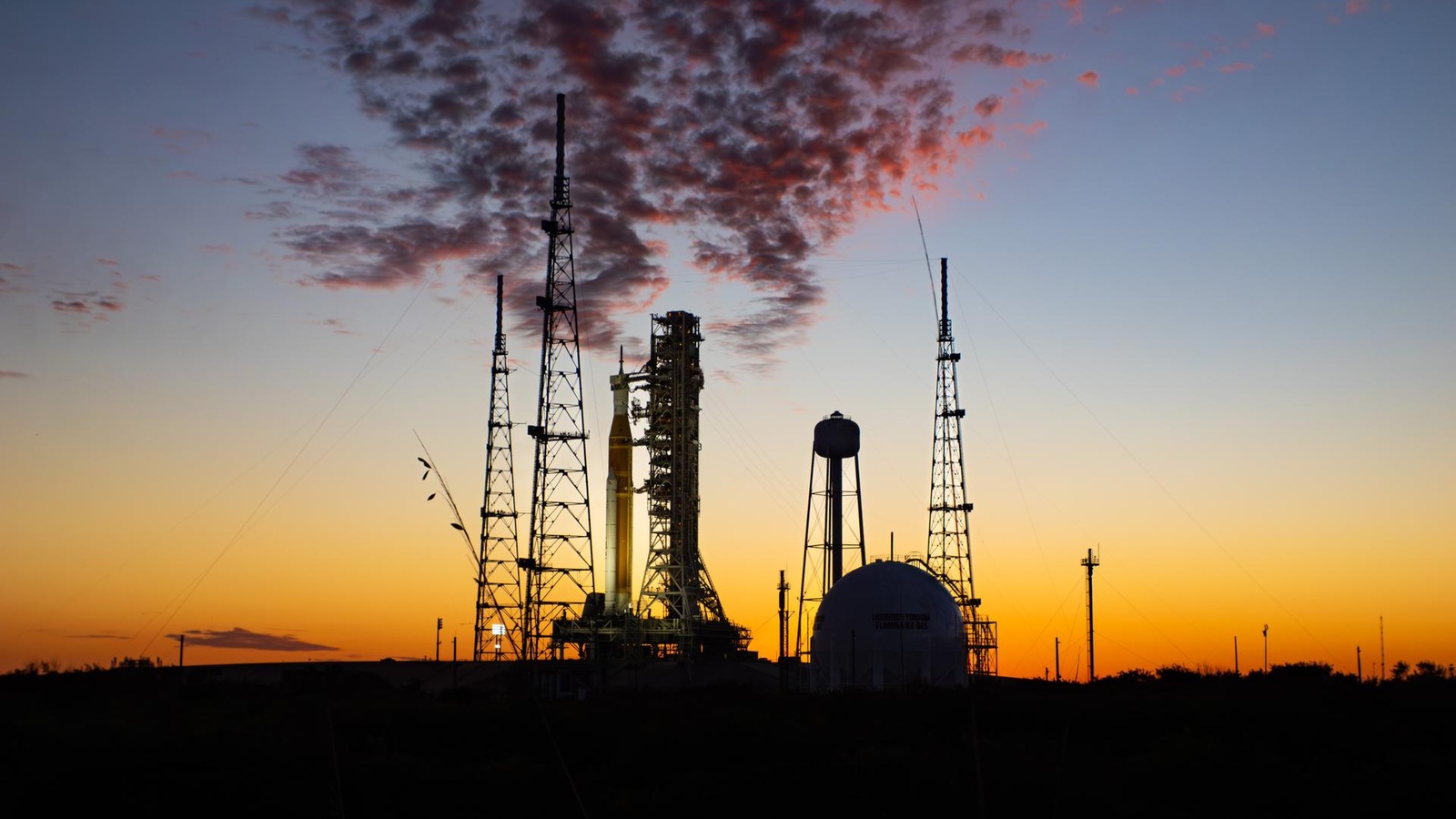
NASA is targeting a rollout back to Launch Pad 39B later in March. The rocket needs to be on the pad and fully configured before any launch attempt can be made, and the flight termination system retesting adds a firm constraint — that work must be completed and signed off by the Space Force before launch day.
If rollout proceeds on schedule, April 1 remains the earliest possible launch date. Backup opportunities within the same window run through April 6. If that window is missed for any reason, the next viable opportunities begin on April 30, reflecting the orbital mechanics of a lunar trajectory.
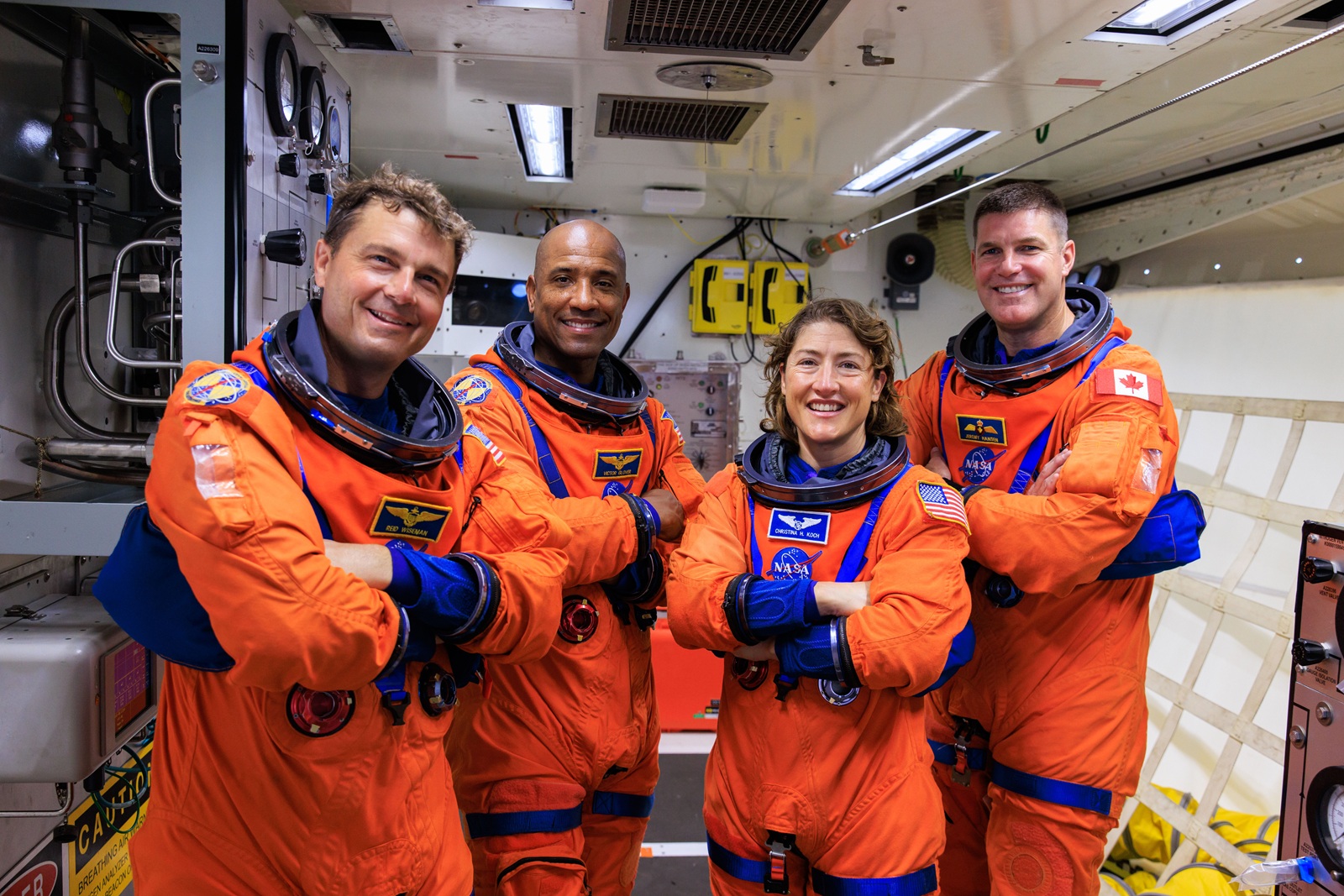
The crew — NASA astronauts Reid Wiseman, Victor Glover, and Christina Koch, along with Canadian Space Agency astronaut Jeremy Hansen — have been training for this mission for several years. The ten-day flight will take them further from Earth than any humans have travelled since the final Apollo mission in 1972, looping around the Moon before returning to a splashdown in the Pacific Ocean.
Why This Mission Matters
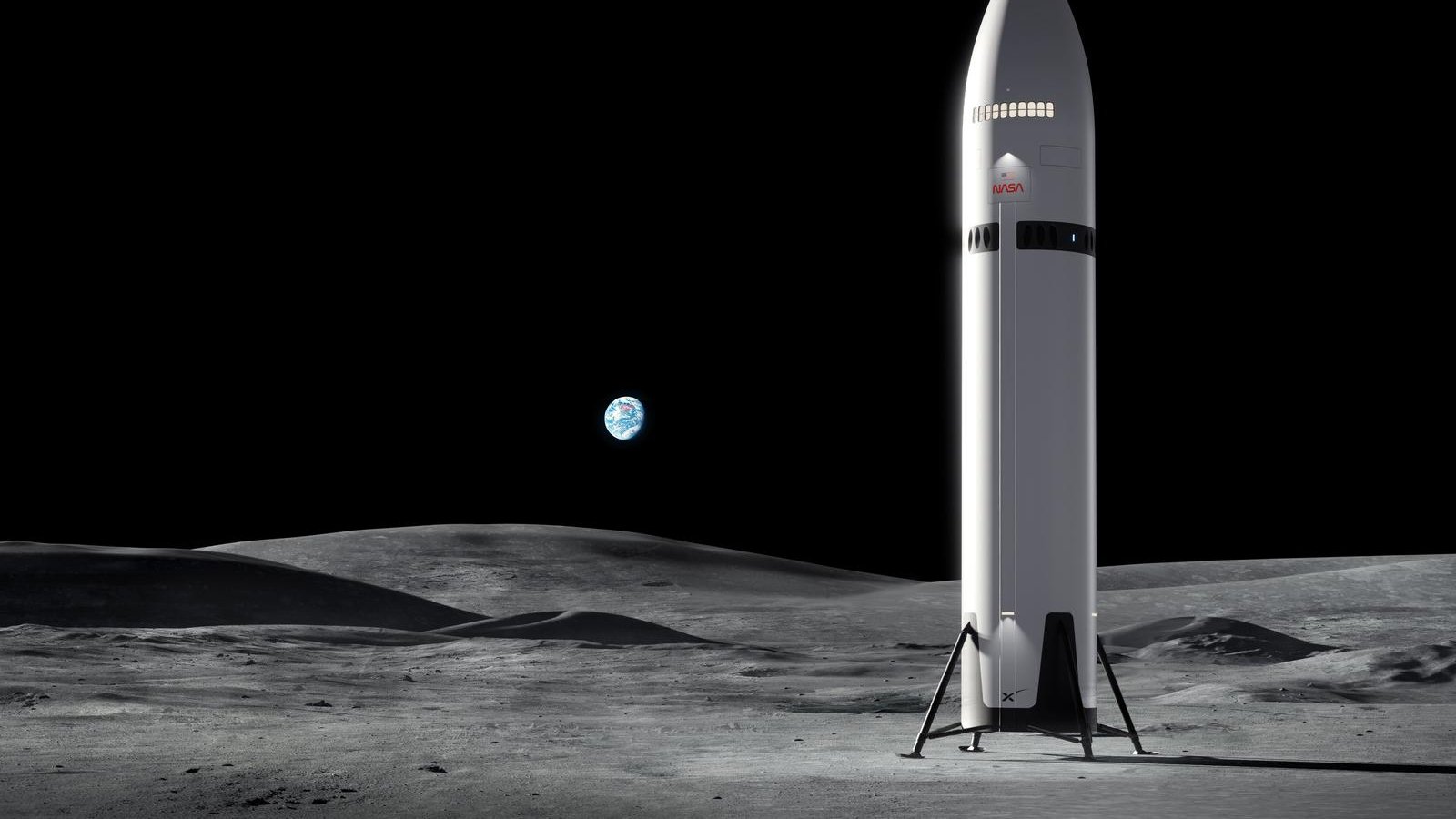
Artemis II is not a lunar landing — that milestone has been pushed back to Artemis IV in 2028. But it is the essential human qualification flight for the Orion spacecraft and the SLS rocket. Every system that will eventually carry astronauts to the lunar surface must first be proven with people aboard, under real spaceflight conditions.
The heat shield, the life support, the navigation, the crew interfaces, the abort systems — all of it gets its first crewed workout on Artemis II. If something unexpected happens, the crew needs to be able to cope with it, and engineers need to understand it before committing to a Moon landing.
That is why NASA is being meticulous about the seal, the batteries, and the oxygen line, rather than pressing ahead and hoping for the best. The delays are frustrating, but the alternative — a problem on the way to the Moon with four astronauts aboard — is far worse.
April is now very much back in play. After two years of delays, false starts, and technical setbacks, humanity's return to lunar space may finally be a matter of weeks away.