Key Takeaways
- Artemis III has been completely redesigned — it will no longer attempt a lunar landing
- Instead, the 2027 mission will dock with commercial landers in low Earth orbit to test systems
- The first actual crewed Moon landing is now planned for Artemis IV in 2028
- Root cause of the shake-up: heat shield erosion found on the Orion capsule after Artemis I
- NASA aims to establish an annual lunar landing cadence from 2028 onwards
📑 Table of Contents
What Has Changed?
When most people think of Artemis III, they picture history in the making: the first woman and first person of colour stepping onto the lunar surface, planting boots on the Moon for the first time since Apollo 17 in 1972. That vision has not been abandoned — but it has been pushed back, and the mission carrying that name has been fundamentally redesigned.
NASA Administrator Jared Isaacman announced in February 2026 that Artemis III will no longer attempt a lunar landing. The mission, now scheduled for 2027, will instead rendezvous and dock with one or both of the commercial lunar landers currently under development — SpaceX's Starship Human Landing System (HLS) and Blue Origin's Blue Moon — but it will do so in low Earth orbit, not above the Moon.
The actual first crewed lunar landing has been moved to Artemis IV, targeting 2028. NASA's goal is then to land on the Moon once a year from that point forward.
Why Did This Happen?
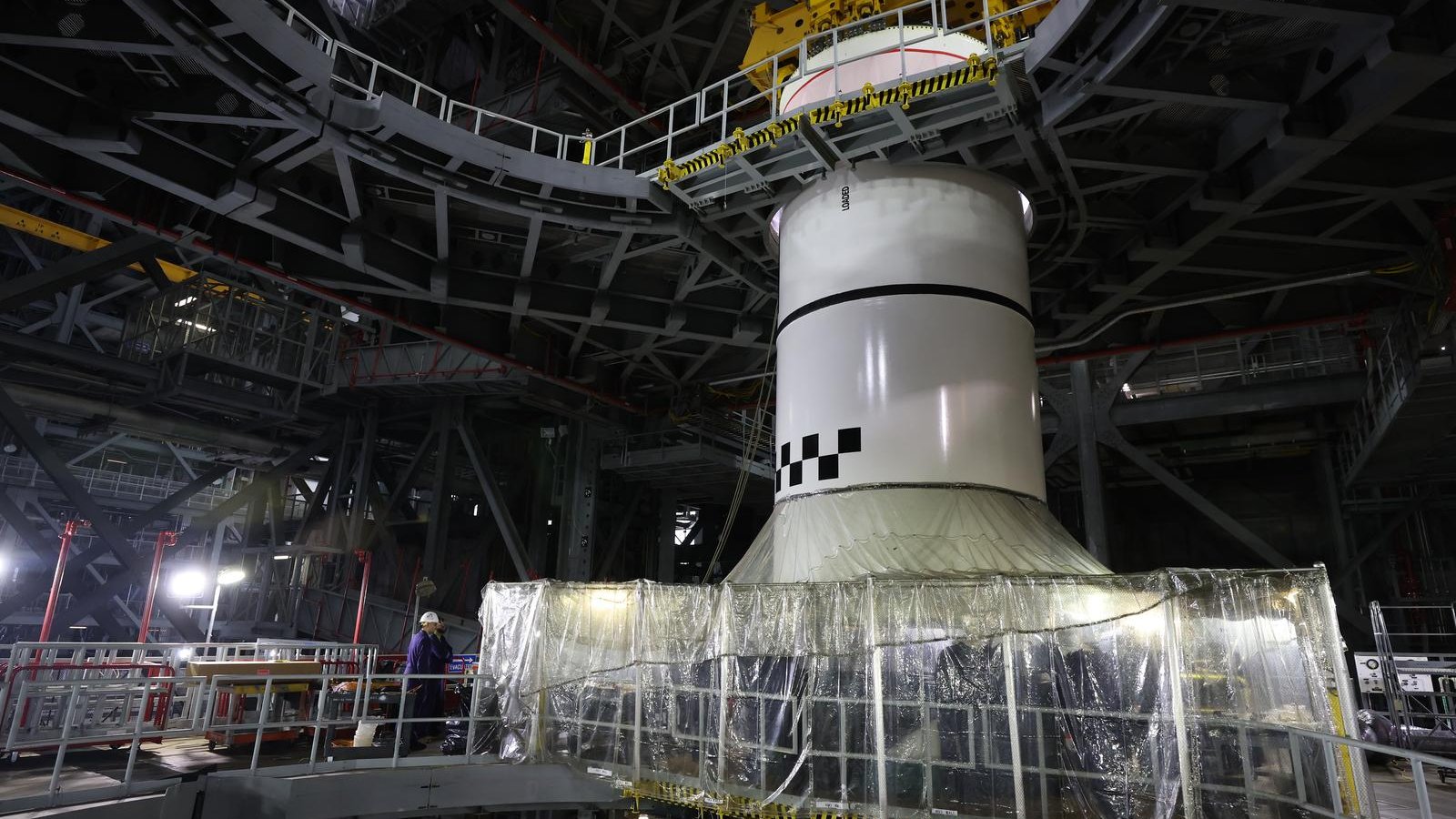
The seeds of this overhaul were sown by Artemis I — the uncrewed test flight that successfully circumnavigated the Moon in late 2022. When engineers examined the Orion spacecraft's heat shield after its return to Earth, they found something troubling: the Avcoat ablative material had eroded unevenly during reentry, with internal pressure building up and causing cracking and irregular shedding of the outer layer.
Fixing this required more than a simple patch. NASA had to understand the root cause, modify the reentry profile (including reducing the duration of the "skip" phase through the atmosphere), and then validate those changes before trusting Orion to carry a crew home from the Moon at high speed. That analysis and re-engineering has taken time — and it cascaded into every subsequent mission.
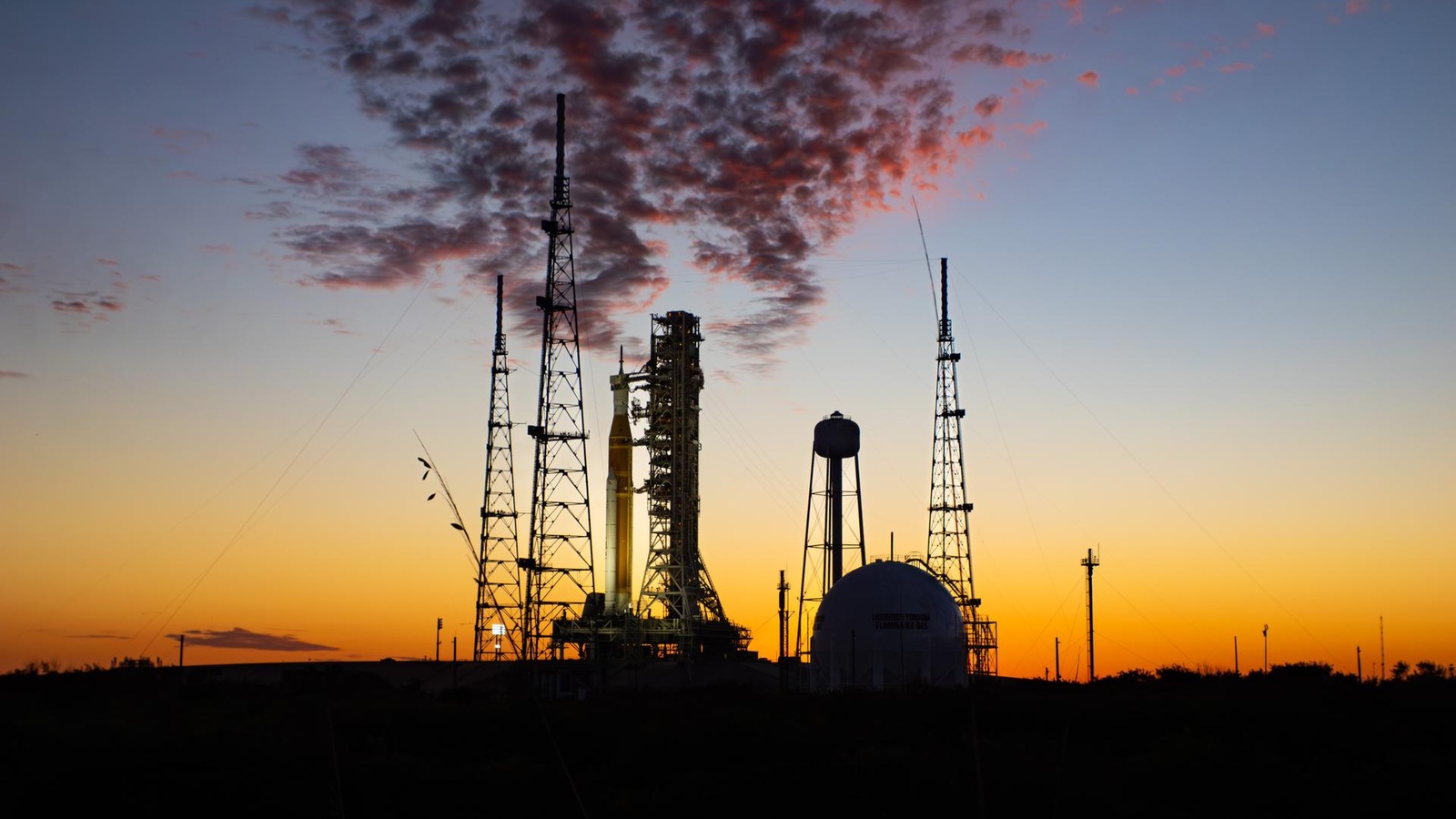
On top of the heat shield issue, engineers also identified a battery problem with the Orion capsule, and Artemis II — the first crewed mission, which will fly around the Moon without landing — has suffered its own delays. Most recently, a helium flow issue in the upper stage forced the rocket to be rolled back from the launch pad to the Vehicle Assembly Building in late February 2026, pushing the launch to no earlier than April.
Taken together, NASA's new leadership concluded that pressing ahead with a lunar landing attempt on Artemis III — without first conducting an integrated test of the commercial landers in a realistic operational environment — was simply too great a risk.
What Will Artemis III Actually Do?
Rather than scrapping the mission entirely, NASA has repurposed Artemis III into an ambitious orbital proving flight. The crew will launch on the SLS rocket, rendezvous with one or both commercial landers in low Earth orbit, and conduct a thorough checkout of the integrated systems that will eventually carry astronauts to the lunar surface.
The tests will cover:
- Navigation and docking — practising the approach and linkup procedures that crews will depend on during a real lunar descent
- Life support — checking that the lander's environmental systems can sustain a crew
- Propulsion — verifying the engines and fuel systems that must work flawlessly during a lunar landing and ascent
- EVA suits — testing the new xEVA spacesuits in the vacuum of space, worn by the crew while docked to the lander
Associate Administrator Amit Kshatriya summed up the thinking clearly: "There is too much learning left on the table and too much development and production risk in front of us." Running a full dress rehearsal in Earth orbit — where rescue is feasible if something goes wrong — is the sensible step before committing astronauts to a lunar landing.
This approach echoes the methodical step-by-step strategy that made Apollo work in the 1960s. Gemini missions paved the way for Apollo by practising rendezvous, docking, and EVAs before anyone attempted the Moon. Artemis III is, in effect, filling that same role.
The Road to the Moon: 2027 and Beyond
The revised Artemis timeline now looks something like this:
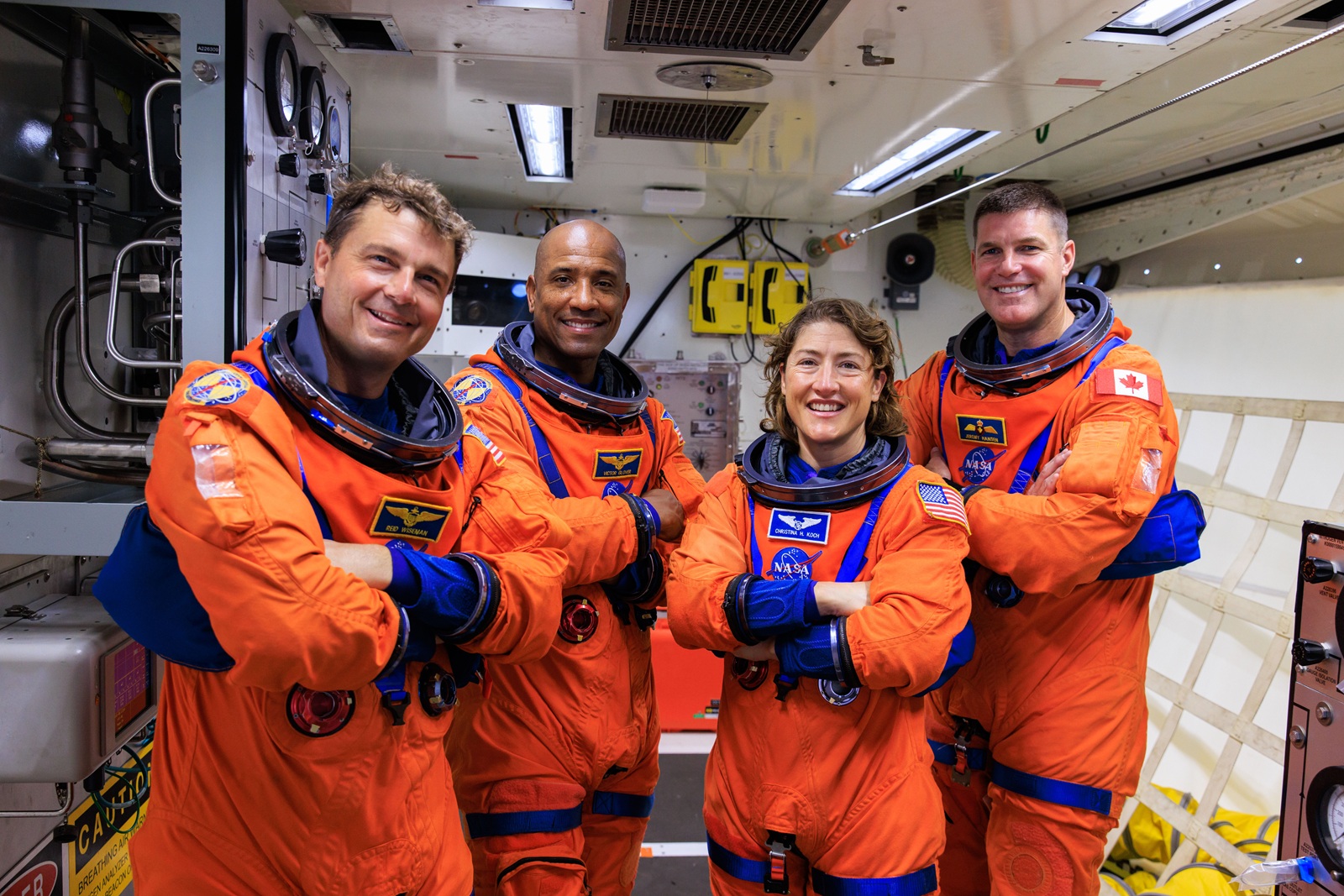
Artemis II (April 2026 — earliest): Four astronauts fly around the Moon and return to Earth. No landing. This will be the first time humans have left Earth orbit since 1972, and the first crewed test of the Orion capsule.
Artemis III (2027): Crew launches, docks with commercial landers in low Earth orbit, tests all integrated systems. Returns to Earth without visiting the Moon.
Artemis IV (2028): The real thing. If Artemis III goes well, this mission will attempt the first crewed lunar landing of the modern era, targeting the Moon's south pole — a region of scientific interest due to the suspected presence of water ice in permanently shadowed craters.
Artemis V onwards (2029+): NASA is aiming for one lunar landing per year, building towards a sustained human presence on and around the Moon, including the Gateway lunar space station.
What This Means for the Moon Race
The delay raises an obvious question: does this hand an advantage to China?
China's space programme has set a goal of landing taikonauts on the Moon by 2030. NASA's previous position was that even with delays, the United States would return to the Moon before China's anticipated landing window. That calculation still holds — just barely — but the margin has narrowed.
Administrator Isaacman has been direct about the competitive context: "With credible competition from our greatest geopolitical adversary increasing by the day, we need to move faster, eliminate delays, and achieve our objectives." The restructured programme, he argues, is a more credible path to that goal than pressing ahead with an under-tested architecture and risking a catastrophic failure that could set the entire programme back by years.
There is also a broader argument that doing this properly matters more than doing it quickly. A crewed lunar landing is one of the most complex and dangerous endeavours in human spaceflight. Cutting corners to beat a deadline — and then losing a crew — would be a far more damaging outcome than arriving at the Moon a year or two later than planned.
The Moon is not going anywhere. If NASA's revised plan works, humans will be standing on its surface in 2028, and returning regularly for decades to come. That is worth getting right.