Key Takeaways
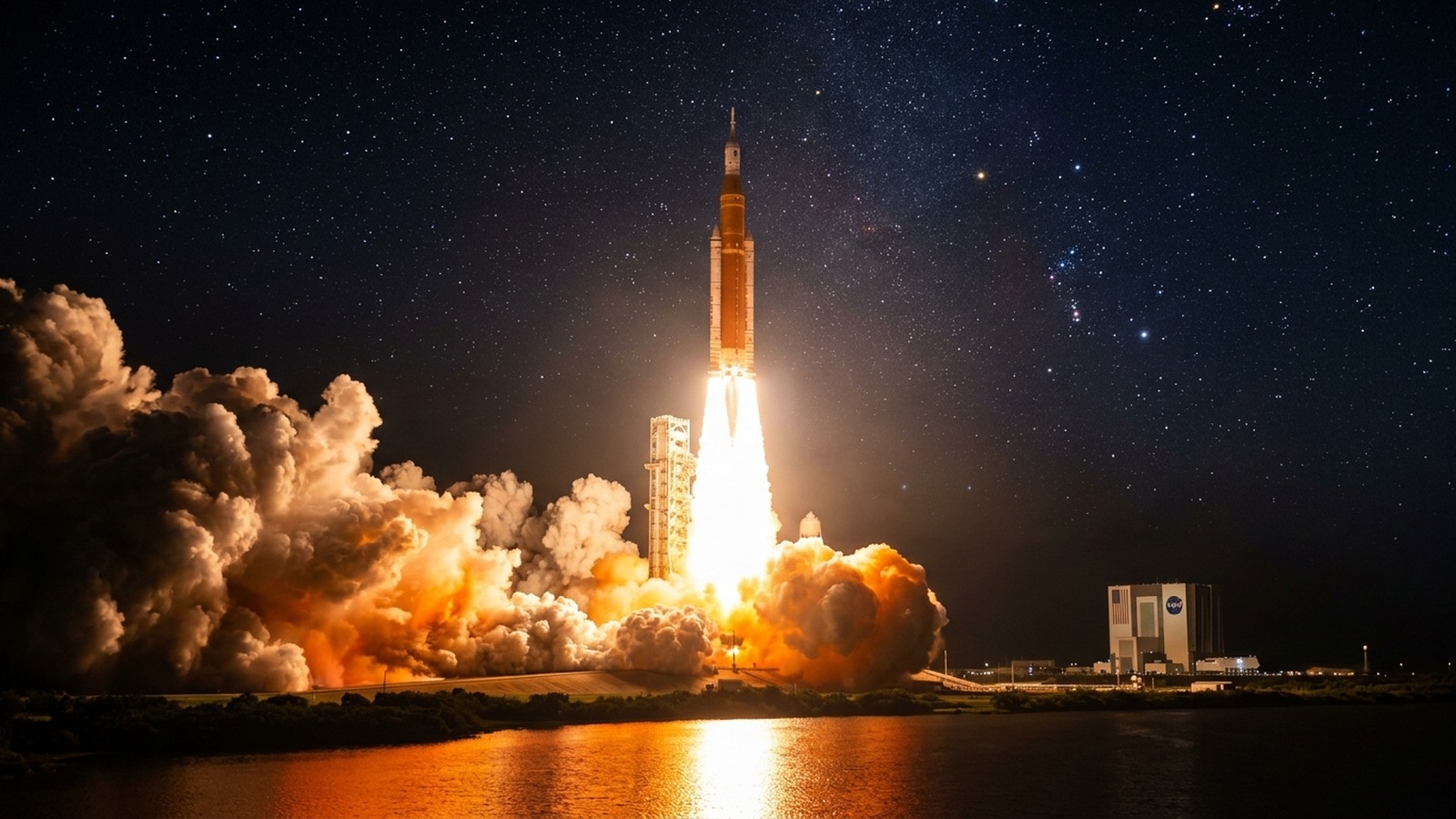
- Artemis II is targeting launch on April 1, 2026 at 6:24 p.m. ET from Kennedy Space Center
- NASA's Flight Readiness Review completed on March 12, polling 'go' for launch
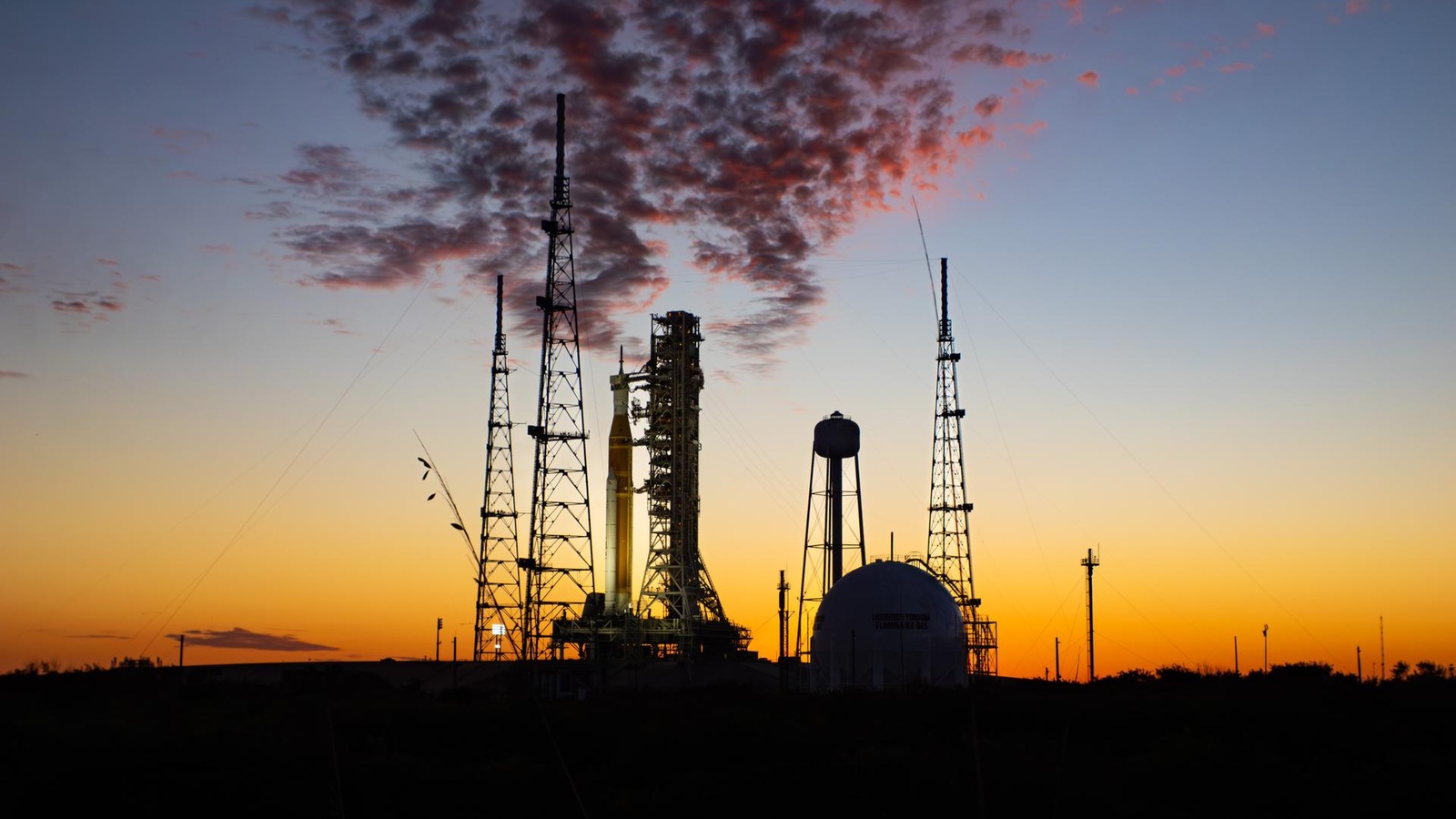
- SLS rolls back to Pad 39B on March 19 — the final step before launch
- Four astronauts will fly a free-return trajectory around the Moon — the first crewed lunar voyage since Apollo 17 in 1972
- The 10-day mission tests the Orion spacecraft with crew ahead of the Artemis III Moon landing
📑 Table of Contents
Launch Date Confirmed
After a year of delays, repairs, and rollbacks, NASA has officially set April 1, 2026 as the launch date for Artemis II. The first window opens at 6:24 p.m. ET from Launch Complex 39B at Kennedy Space Center in Florida.
If April 1 is scrubbed for any reason, backup windows are available on April 2, 3, 4, 5, 6, and 30. NASA completed its agency-level Flight Readiness Review on March 12 — all teams polled "go" to proceed toward launch.
The Crew
Four astronauts will make the journey:
- Reid Wiseman (Commander) — NASA astronaut and former ISS commander
- Victor Glover (Pilot) — NASA astronaut, first Black astronaut assigned to a lunar mission
- Christina Koch (Mission Specialist 1) — NASA astronaut, first woman assigned to a lunar mission
- Jeremy Hansen (Mission Specialist 2) — Canadian Space Agency astronaut, first non-American to fly to the Moon
Together they represent a milestone in space exploration — the most diverse crew ever sent beyond low Earth orbit.
The Mission Plan
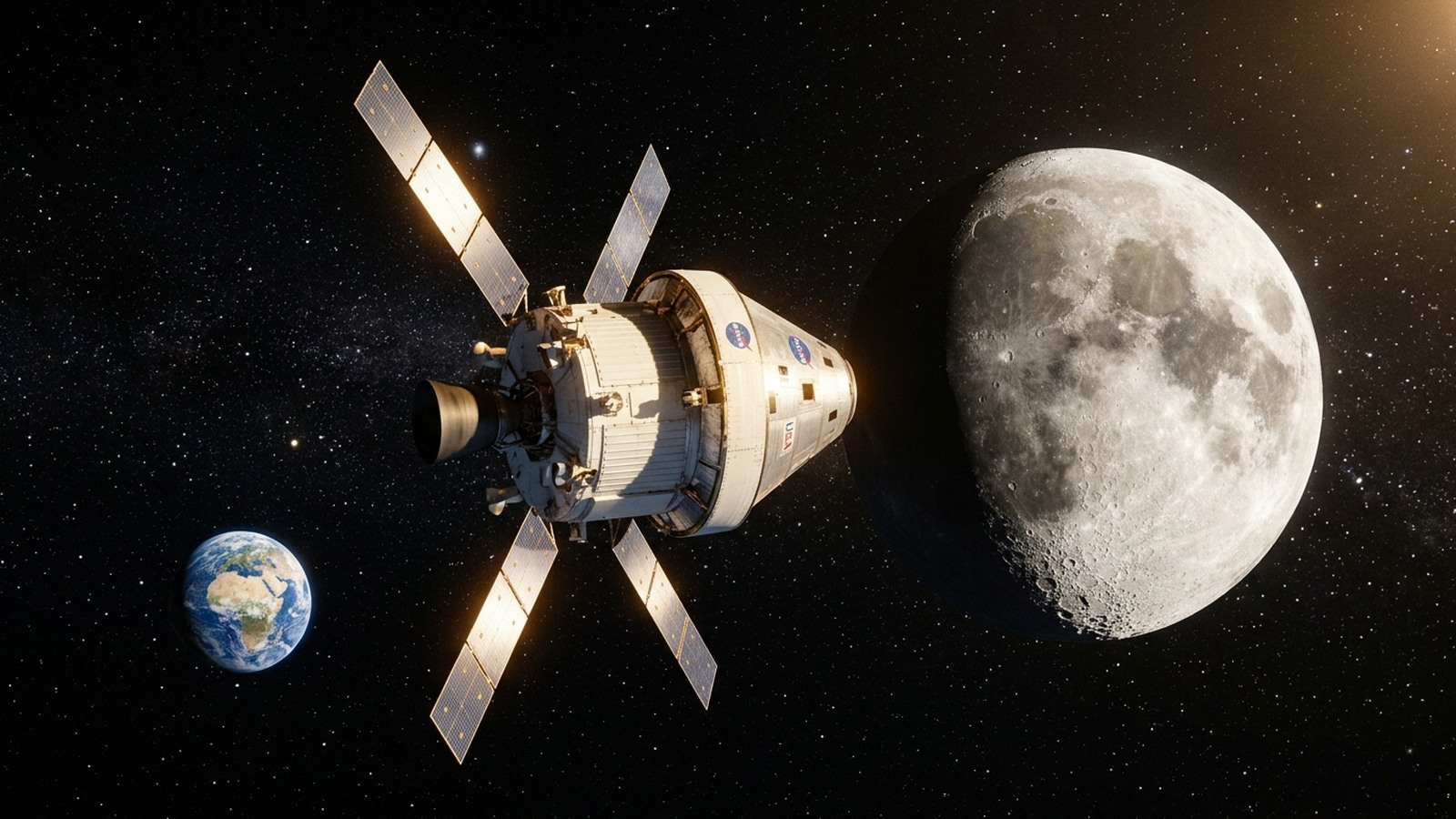
Artemis II is a 10-day crewed test flight. The Orion spacecraft will follow a free-return trajectory — a looping path that takes the crew around the far side of the Moon and uses lunar gravity to slingshot them back to Earth. No landing is planned; this is fundamentally a shakedown cruise for the hardware and crew systems.
Key milestones during the mission include:
- Translunar injection burn to send Orion out of Earth orbit toward the Moon
- Lunar flyby at closest approach on roughly day 6, passing within a few thousand kilometres of the surface
- Far-side comms blackout — a brief period where the crew is completely cut off from Earth, as the Moon blocks all radio signals
- Splashdown off the California coast around day 10
Road to the Pad
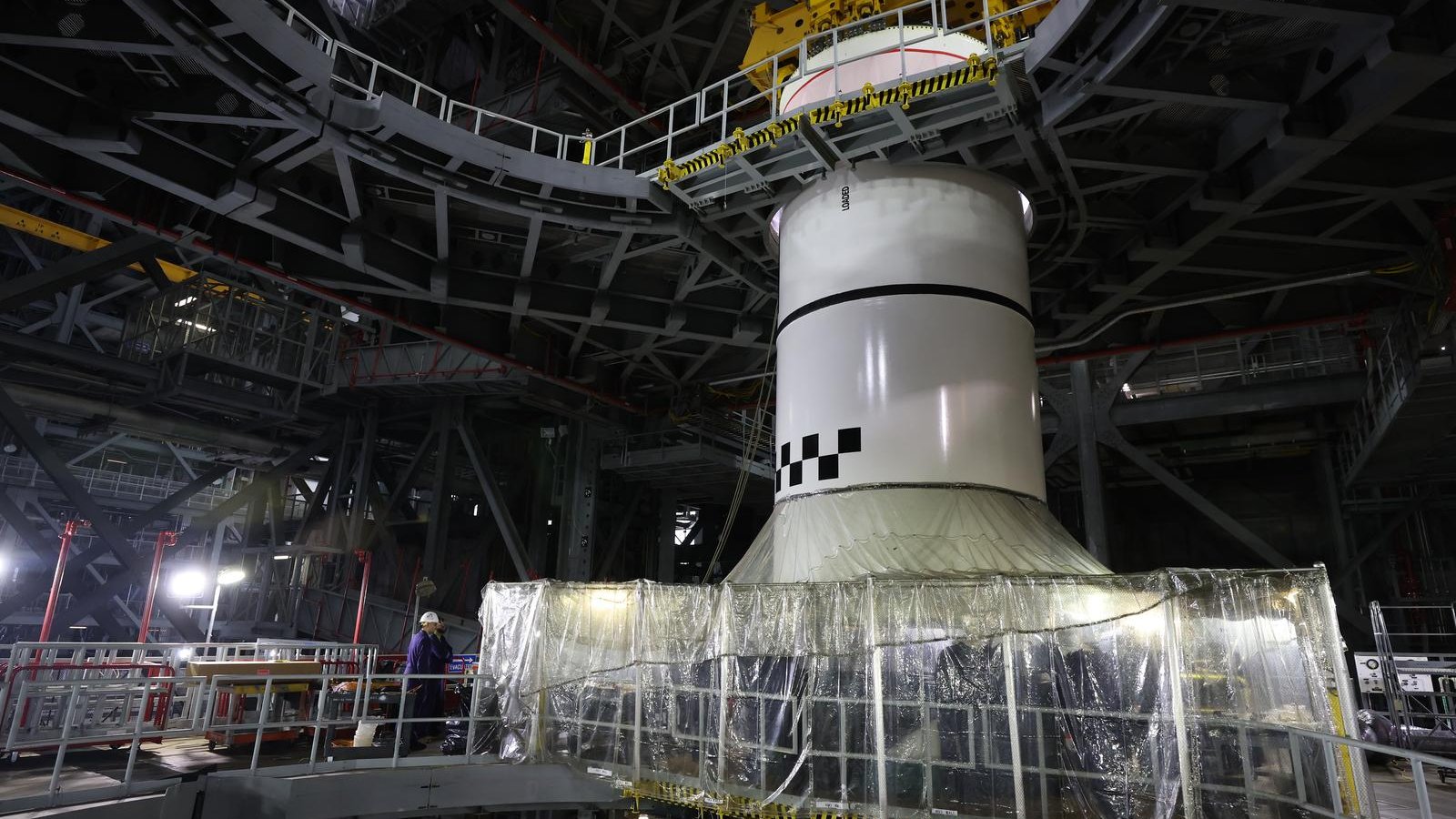
The path to April 1 has been anything but smooth. In late February, engineers discovered a helium leak in the SLS upper stage's pressurisation system, forcing the fully assembled rocket to roll back to the Vehicle Assembly Building (VAB) — a time-consuming and costly operation.
Inside the VAB, technicians traced the problem to a quick-disconnect seal at the interface where umbilical lines transfer fuel into the upper stage. Replacing the seal resolved the issue. By March 12, NASA managers were confident enough to complete the Flight Readiness Review and poll "go."
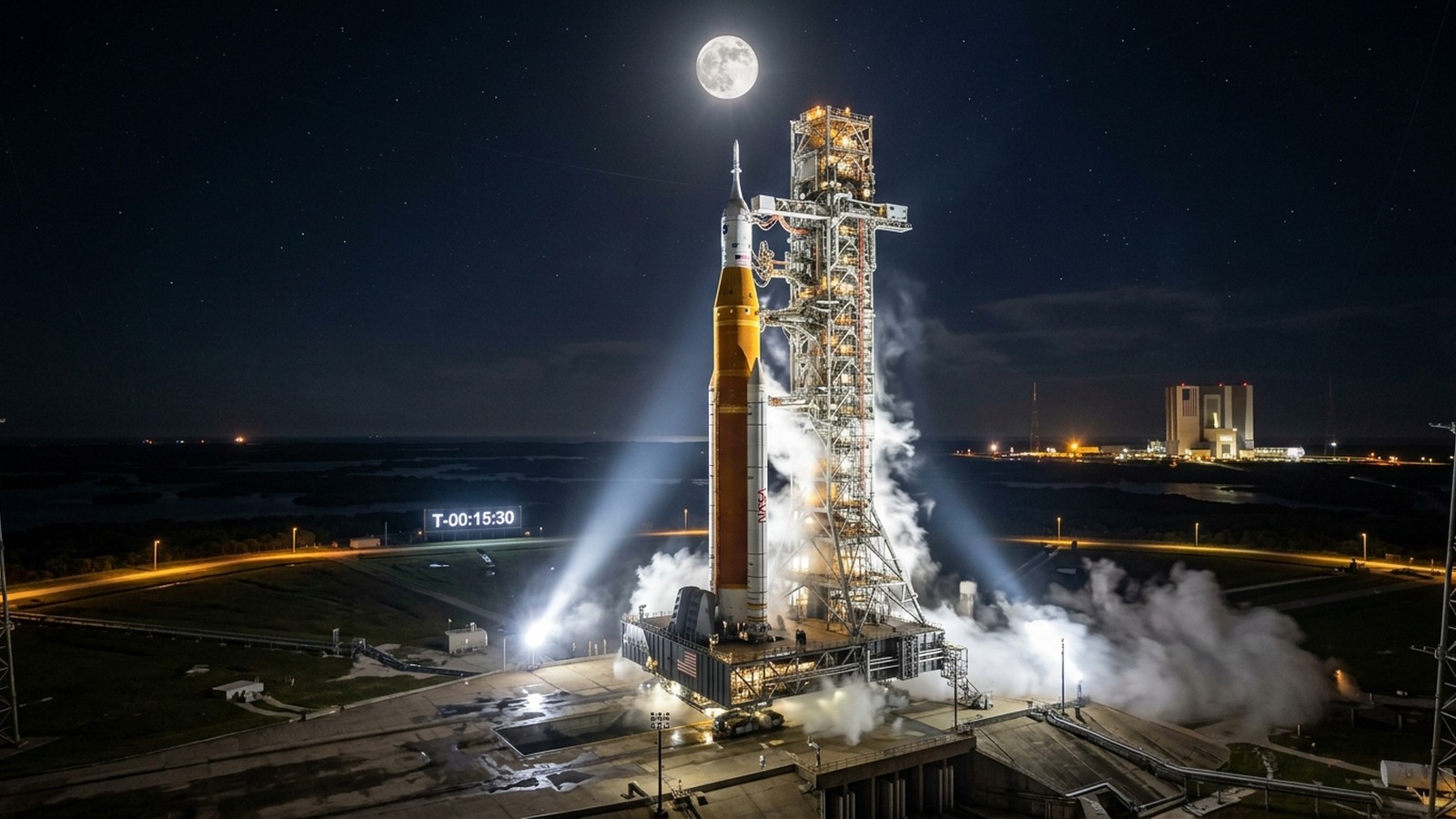
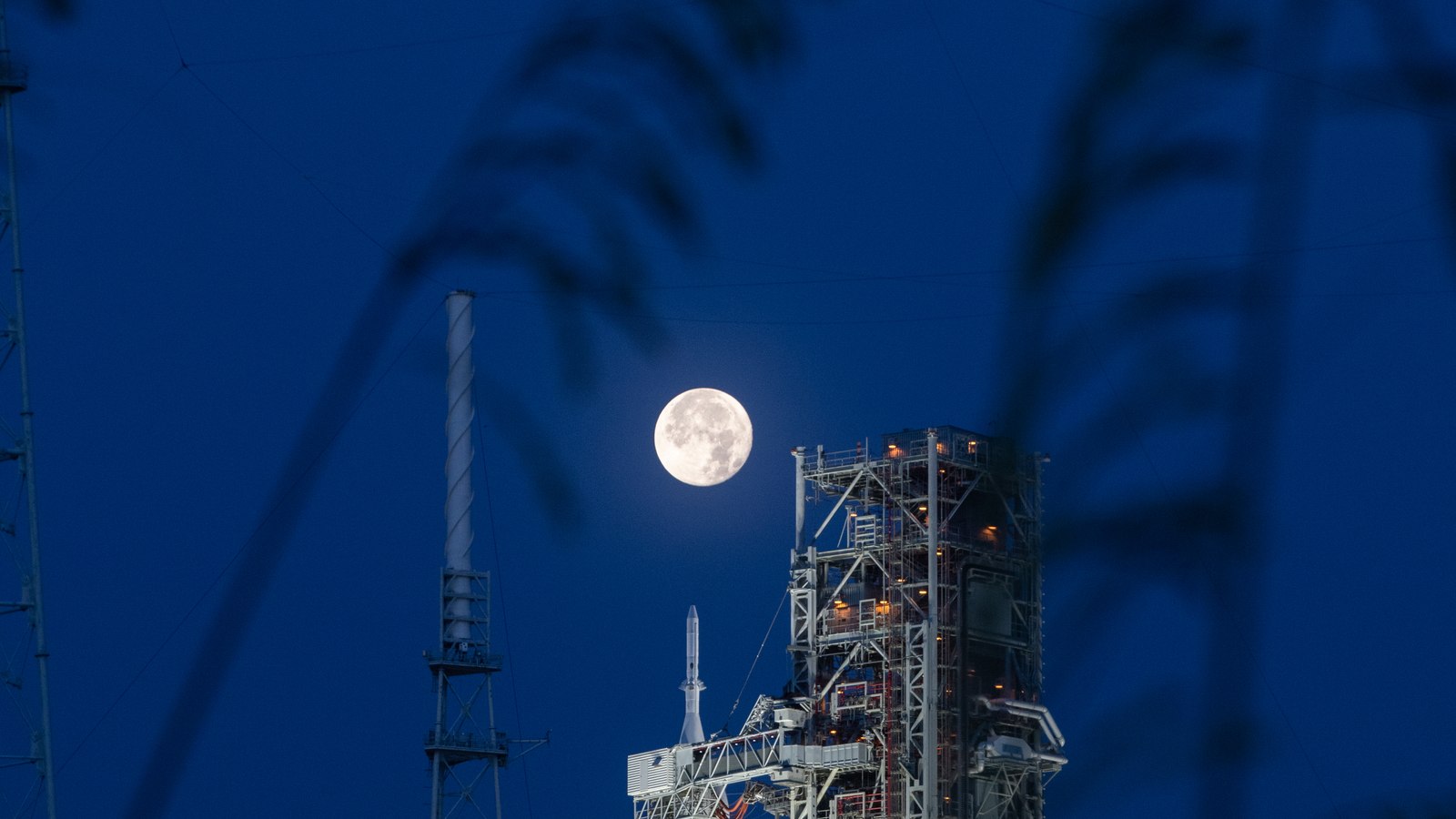
The SLS rocket and Orion spacecraft are scheduled to roll back out to Pad 39B on March 19 — just under two weeks before launch.
Why This Matters
When Artemis II lifts off in April, it will mark the first time humans have travelled beyond low Earth orbit since December 1972 — a gap of more than 54 years. The last astronauts to reach the vicinity of the Moon were Gene Cernan and Harrison Schmitt aboard Apollo 17.
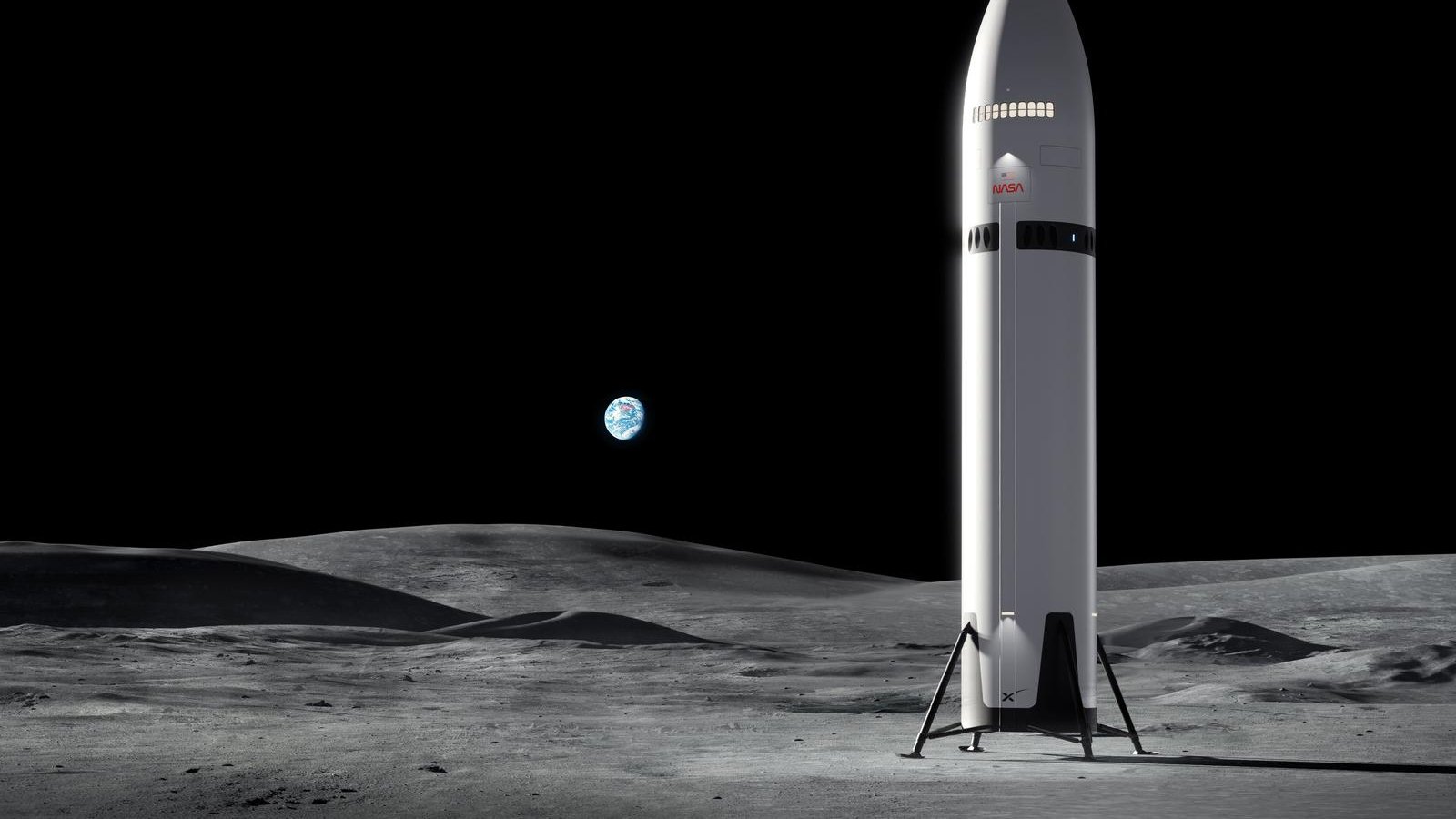
This mission is not just symbolic. A successful Artemis II clears the way for Artemis III, now scheduled for mid-2027, which will test the commercial lunar landers — SpaceX's Starship HLS and Blue Origin's Blue Moon — in low Earth orbit alongside the crew, rather than attempting a surface landing. NASA announced in February 2026 that the first crewed lunar landing has been moved to Artemis IV, targeting early 2028. The destination remains the lunar south pole, where permanently shadowed craters are believed to hold vast reserves of water ice — a critical resource for any permanent human presence on the Moon.
Four people are about to ride a 98-metre rocket into the darkness and loop around the Moon. After decades of waiting, humanity's return is finally just over the horizon.
📋 Want the full picture? See our complete guide: The Complete Artemis Mission Timeline — every mission from I to the Moon Base →