Key Takeaways
- The Artemis II crew is now closer to the Moon than to Earth — more than 100,000 miles out — and will break Apollo 13's distance record on April 6.
- Commander Reid Wiseman captured a stunning photo of Earth showing auroras at both poles and zodiacal light, calling it 'the most spectacular moment' of his life.
- The crew is practising CPR in zero gravity, testing exercise equipment, and rehearsing camera choreography for Monday's historic lunar flyby — the first time humans have seen the far side of the Moon with their own eyes in over 50 years.
📑 Table of Contents
Three days ago, four astronauts left Earth on a column of fire. Right now, they are further from home than any human being has been in over half a century — and they are still accelerating.
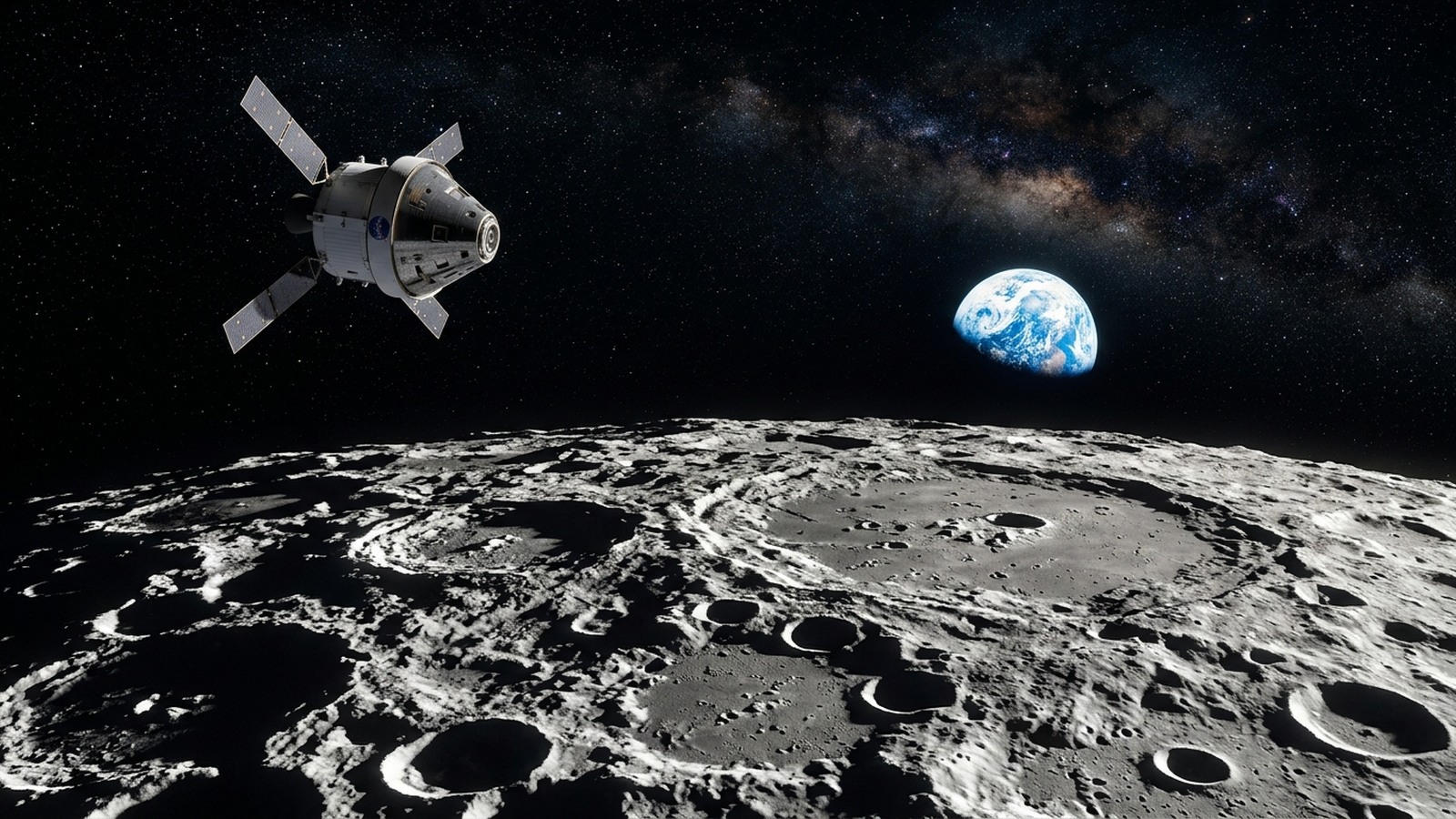
As of Friday morning, NASA's Artemis II crew has crossed the halfway point to the Moon. The Orion spacecraft is more than 100,000 miles from Earth, with approximately 150,000 miles still to go. On Monday — Flight Day 6 — they will swing around the far side of the Moon and break the all-time record for the greatest distance any human has travelled from Earth, surpassing the 248,655 miles set by Apollo 13 in April 1970.
The crew are in "great spirits," according to NASA. They have been testing exercise equipment, practising emergency medicine in zero gravity, and rehearsing the camera choreography for the lunar flyby. They have also dealt with a temperamental toilet and a glitchy email system.
Here is everything that has happened since launch.
Halfway There
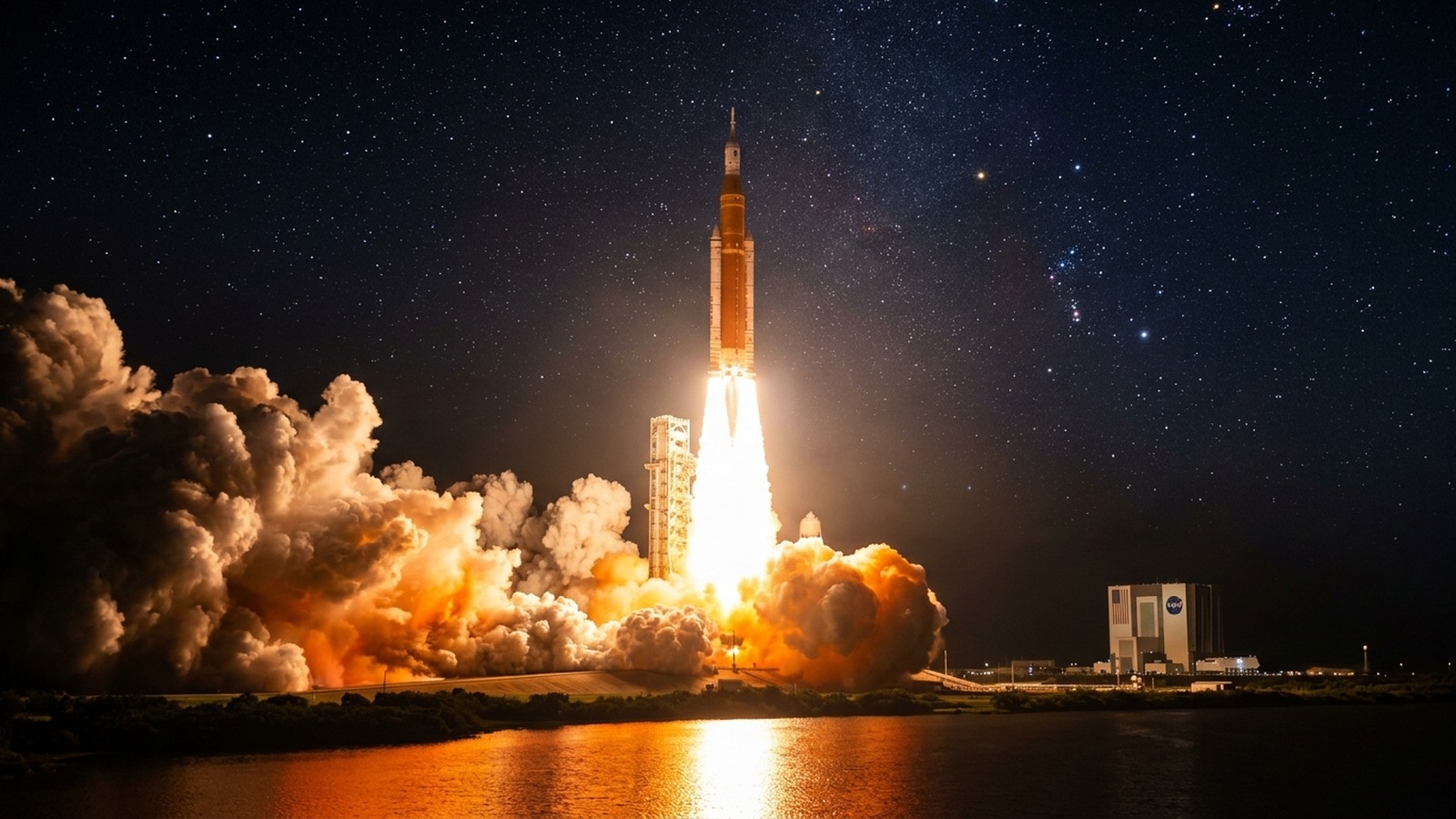
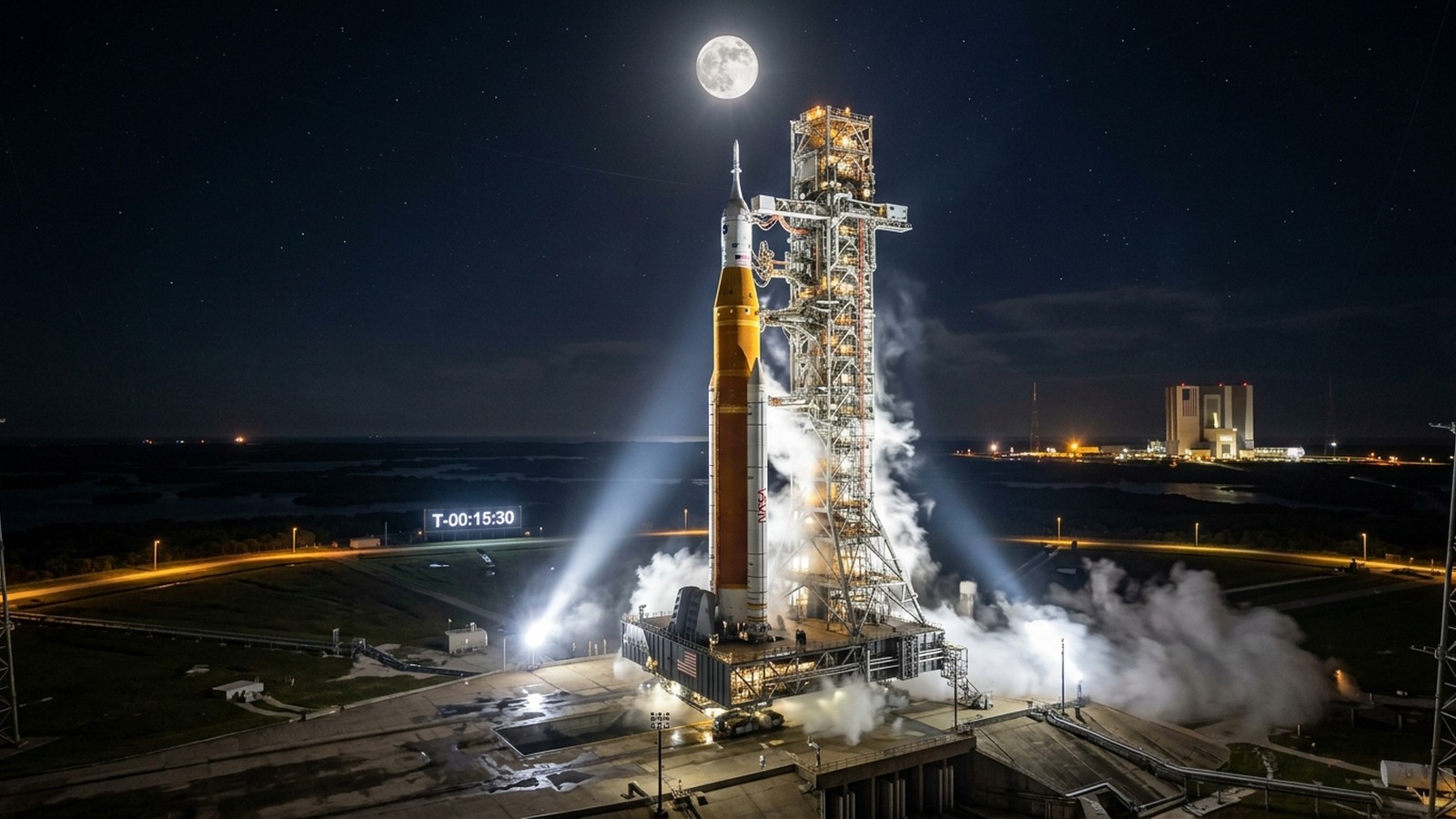
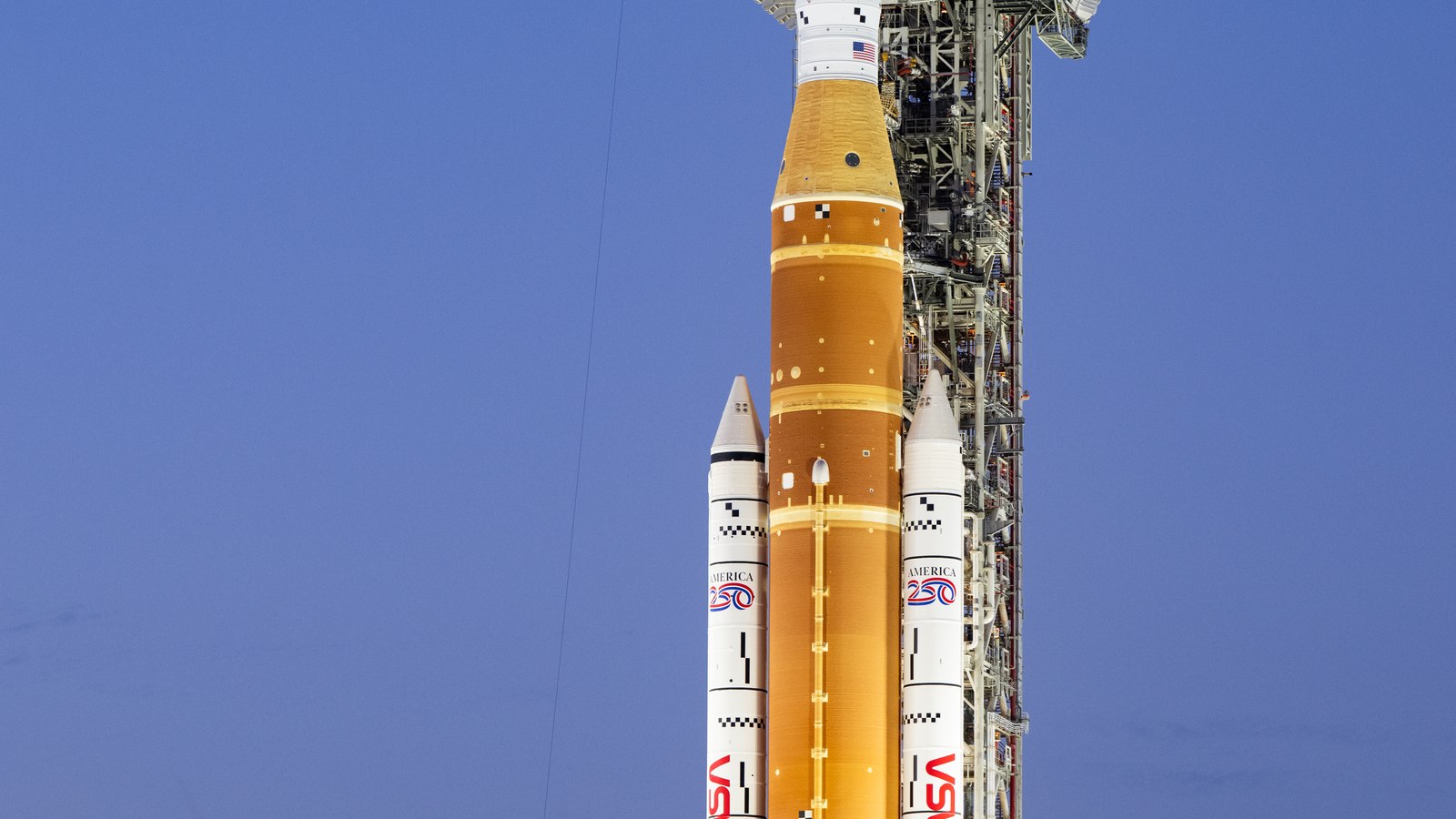
Commander Reid Wiseman, pilot Victor Glover, mission specialist Christina Koch, and Canadian Space Agency astronaut Jeremy Hansen launched at 6:35 p.m. EDT on Tuesday 1 April from Kennedy Space Center's Launch Complex 39B. The Space Launch System rocket performed flawlessly, and Orion's European Service Module fired its engine to send the crew on a trans-lunar injection burn — the push that committed them to the Moon.
By Thursday evening, Orion had passed the 100,000-mile mark. The crew crossed the point where the Moon's gravity becomes the dominant pull — the first humans to do so since Apollo 17 in December 1972.
The mission is a 10-day free-return trajectory: out to the Moon, around the far side, and back to a splashdown in the Pacific Ocean near San Diego on April 10. The crew will not enter lunar orbit or land — that comes with Artemis III — but they will fly within approximately 4,100 miles of the far side's surface, closer than any crewed mission since Apollo.
"Hello, World"
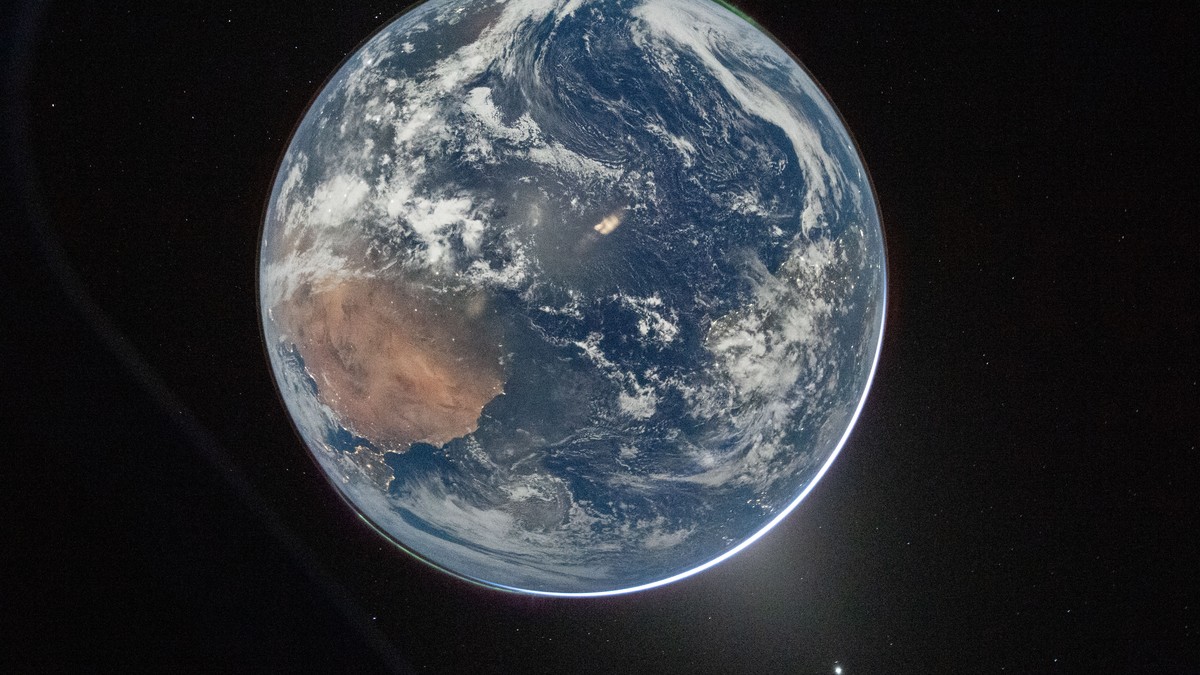
The image that stopped the internet on Thursday was taken by Commander Wiseman through Orion's window. It shows Earth backlit by the Sun, with green auroras visible at both poles and zodiacal light — sunlight reflecting off interplanetary dust — glowing at the bottom right.
NASA titled the image "Hello, World."
"You could see the entire globe from pole to pole," Wiseman said. "You could see Africa, Europe, and if you looked really close, you could see the northern lights. It was the most spectacular moment and it paused all four of us in our tracks."
The image has drawn instant comparisons to Apollo 17's "Blue Marble" — the most reproduced photograph in history. DPReview called the Artemis II photos "utterly stunning." The crew used Nikon cameras with 80–400mm and 14–24mm lenses, the same kit they will use during Monday's lunar flyby to photograph the far side.
Life on Board Orion
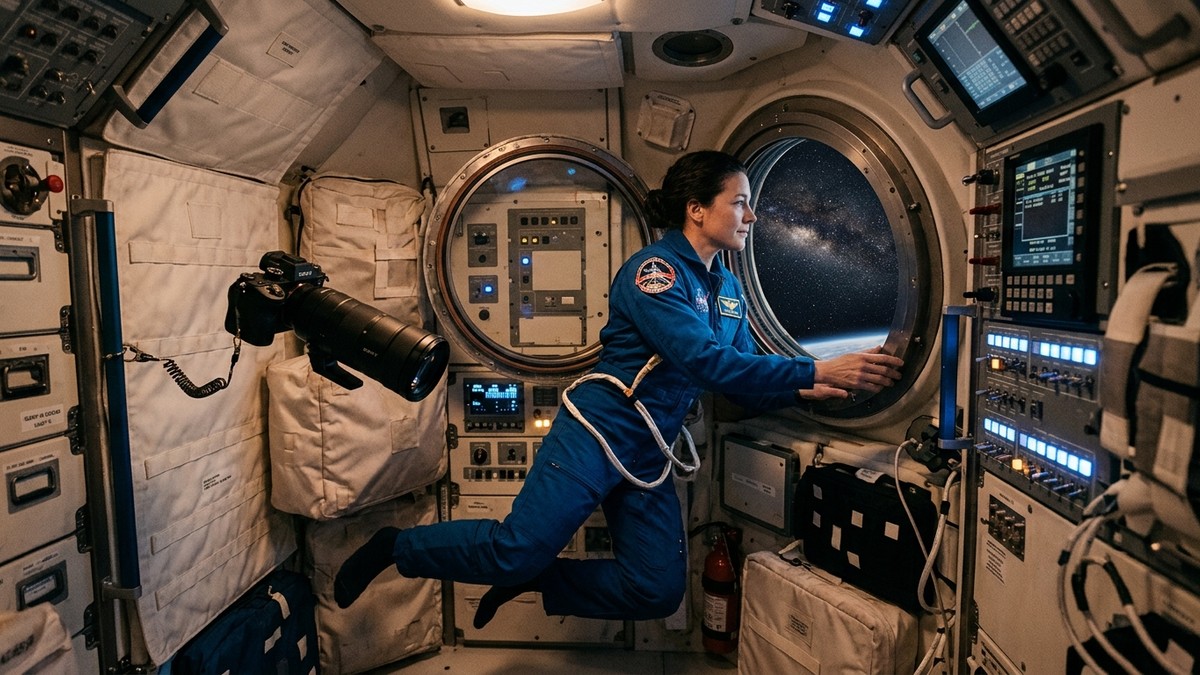
The Orion cabin is about the size of two minivans. For four people on a 10-day mission, space management is everything — and the crew has been busy.
On Flight Day 3, Wiseman and Glover set up a flywheel exercise device — essentially a zero-gravity rowing machine — designed to test ways to keep astronauts fit on longer missions. After half an hour on the flywheel, Wiseman was reportedly impressed.
The crew also practised CPR in zero gravity. It sounds like a training exercise, but it is a genuine operational requirement: if a crew member has a cardiac emergency 200,000 miles from the nearest hospital, the others need to know how to respond while floating. They also tested the onboard medical kit — thermometer, blood pressure monitor, stethoscope, and otoscope.
And then there was the camera rehearsal. Monday's six-hour lunar observation window is the scientific centrepiece of the mission. The crew practised stowing equipment, setting up cameras, and choreographing their movements in microgravity — four people manoeuvring with long telephoto lenses in a space the size of two estate cars.
The Toilet Incident
No space mission is complete without a toilet story, and Artemis II delivered early.
Shortly after launch, a fault light appeared on Orion's Universal Waste Management System (UWMS) — the first toilet ever flown on a crewed mission around the Moon. (Apollo crews famously used bags.) Mission Control and the crew troubleshot the issue and restored normal operations within hours.
Then, on Flight Day 3, mission specialist Christina Koch radioed Mission Control to report a "burning heater smell" coming from the toilet area. "Regarding the smell, I just wanted to make sure you all were tracking," Koch said. The crew described it as similar to an old electric heater switching on. Mission Control assessed the data and cleared the crew to continue using the toilet normally — no major concerns.
The media, predictably, loved it. The toilet saga trended for hours, temporarily eclipsing the fact that four humans are flying to the Moon.
Trajectory So Good They Cancelled the Burn
One of the more quietly impressive moments came on Flight Day 3, when Mission Control cancelled the first of three planned outbound trajectory correction burns. The reason: Orion's trajectory was already so precise that no adjustment was needed.
The burn had been scheduled as a fine-tuning manoeuvre to keep the spacecraft on its optimal path toward the Moon. Flight controllers at Johnson Space Center reviewed the tracking data and determined the burn was unnecessary — a testament to the accuracy of the trans-lunar injection and the European Service Module's propulsion system.
The remaining two correction burns are still available if needed before Monday's flyby.
What Happens on Monday
Flight Day 6 — Monday 6 April — is the main event.
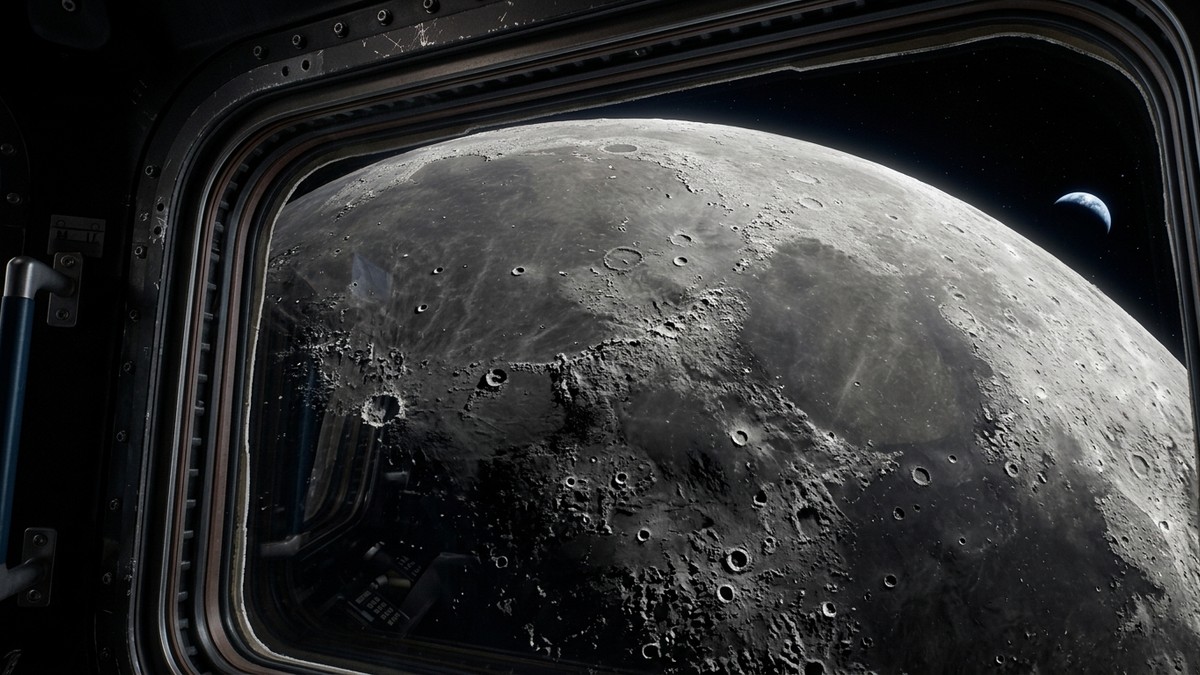
Orion will swing around the far side of the Moon, passing approximately 4,100 miles above the surface. During this pass, the crew will be out of radio contact with Earth for roughly 40 minutes — the first humans to experience the silence of the lunar far side since Apollo 17's Gene Cernan, Ron Evans, and Harrison Schmitt in December 1972.
At their farthest point from Earth, the crew will set a new human spaceflight distance record, exceeding 252,000 miles (Apollo 13's record stands at 248,655 miles).
The six-hour lunar observation period is the scientific heart of the mission. The crew will photograph and observe the Moon's surface in detail, gathering data that will help plan landing sites for Artemis III — the mission that will put boots on the lunar surface for the first time since 1972.
NASA will not hold daily briefings on April 6 due to the intensity of flyby operations, but live mission updates will continue on NASA+ and the Artemis mission timeline page.
After the flyby, Orion will begin its return journey. The crew are expected to splash down in the Pacific Ocean near San Diego on Friday 10 April.
For now, four people are coasting through the void between worlds, further from home than any living person has ever been. On Monday, they go further still.
We will be watching.