Key Takeaways
- Artemis II launches tonight at 11:24 PM BST (6:24 PM EDT) from Kennedy Space Center — the first crewed lunar mission since 1972
- Live tanking coverage starts at 12:45 PM BST on NASA's YouTube channel, with full launch coverage from 5:50 PM BST
- Watch live on YouTube, NASA+, Amazon Prime, and ESA Web TV — all free
- The crew — Wiseman, Glover, Koch, and Hansen — will fly around the Moon and back in a 10-day mission
- Weather is looking good: 80% 'Go' forecast for tonight's launch window
📑 Table of Contents
The Day Is Here
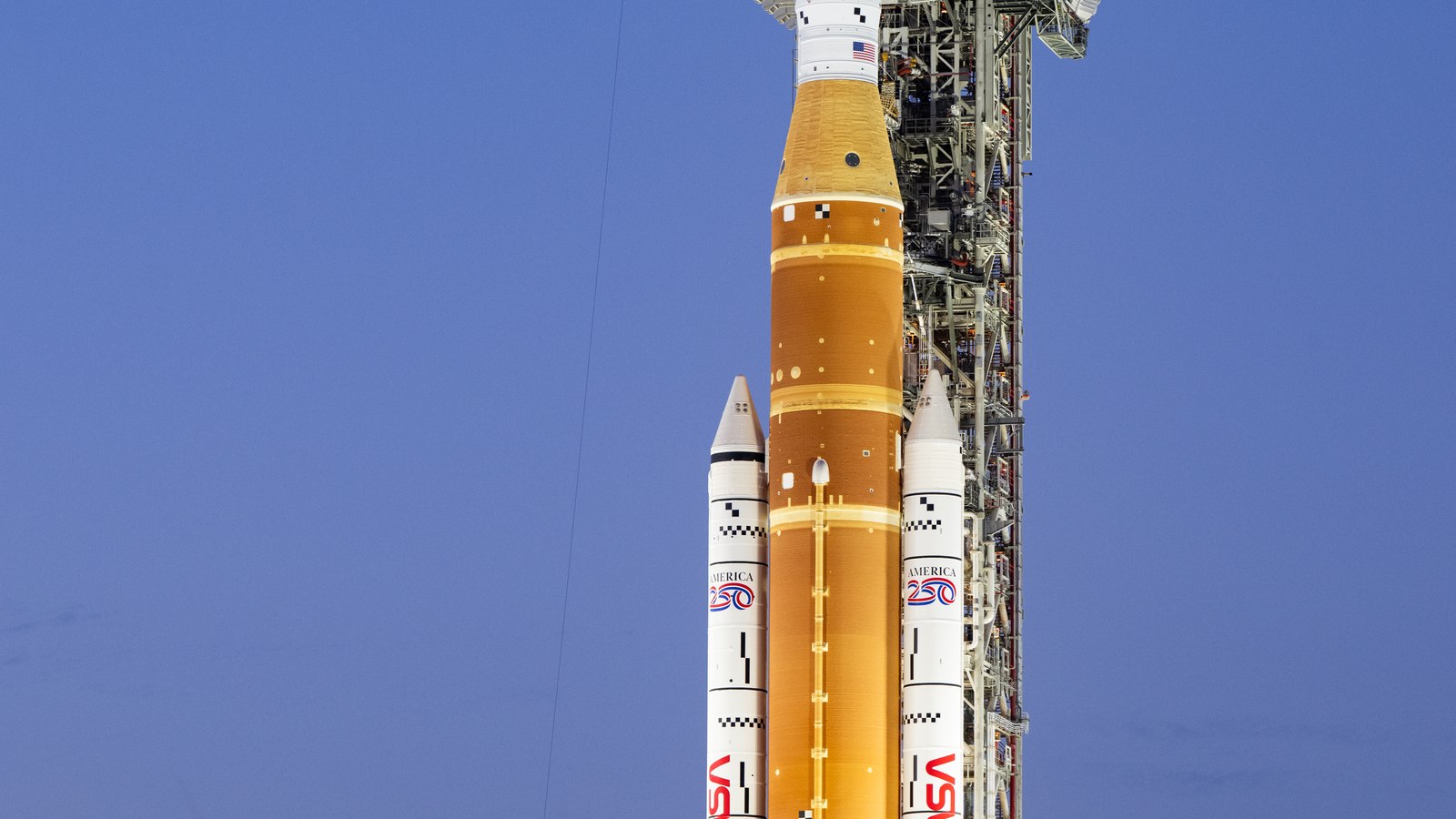
After years of development, months of delays, a helium valve drama, and a tense rollback, the waiting is finally over. Tonight, four astronauts will launch from Kennedy Space Center aboard NASA's Space Launch System rocket, bound for the Moon.
Artemis II lifts off at 11:24 PM BST (6:24 PM EDT), marking the first time humans have left low Earth orbit since Apollo 17 splashed down in December 1972 — 54 years ago. Over one million people have registered as NASA Virtual Guests for this launch. The 48-hour countdown clock started on Sunday evening and has been ticking down smoothly.
The weather is cooperating too. US Space Force meteorologists are tracking an 80% "Go" forecast for tonight's window, with the main concerns being cumulus clouds and the "Thick Cloud Rule." If tonight doesn't work out, backup windows are available on April 2–6 and April 30.
Today's Schedule (UK Times)
Here's your complete guide to today's events, converted to British Summer Time:
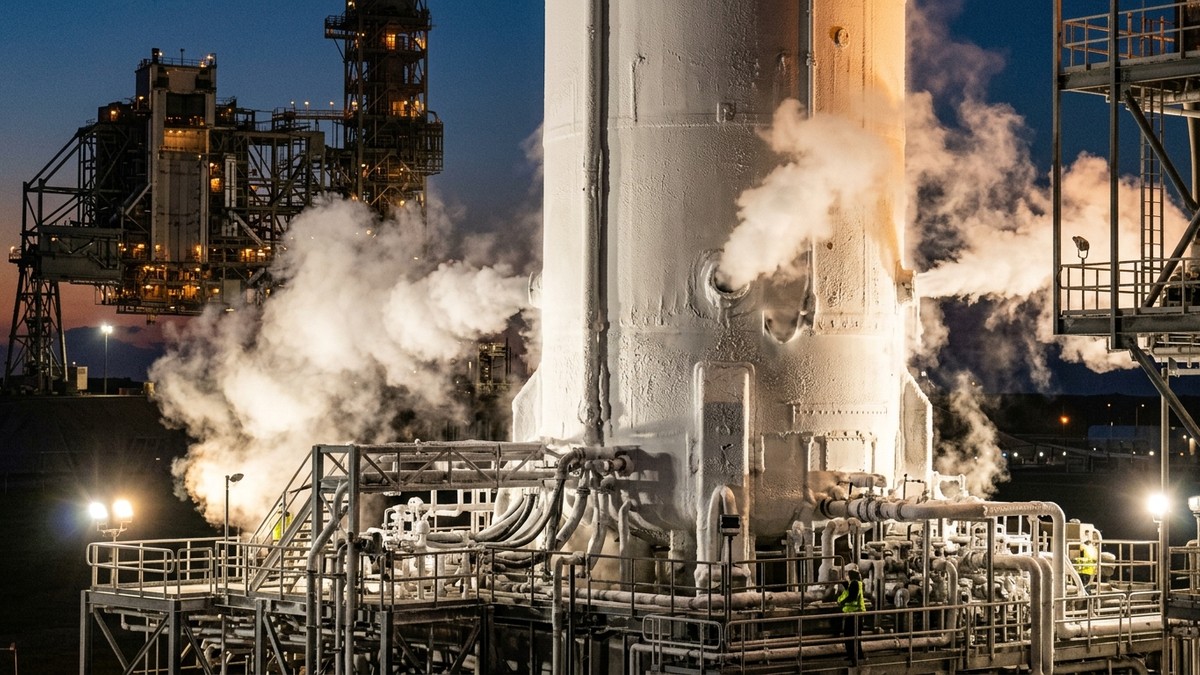
12:45 PM BST — Live coverage of tanking operations begins on NASA's YouTube channel. Teams start loading over 700,000 gallons of liquid oxygen and liquid hydrogen into the SLS rocket. Coverage includes live rocket views with audio commentary.
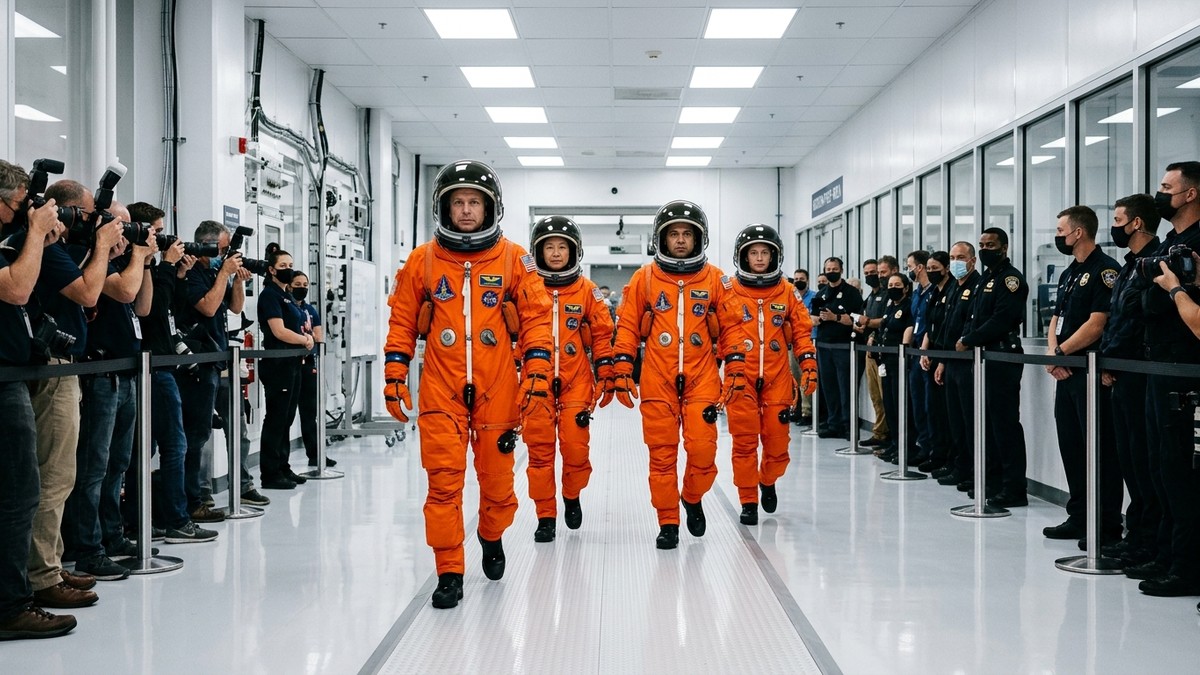
5:30 PM BST (approx.) — Crew suits up at the Neil Armstrong Operations and Checkout Building. The four astronauts don their orange Orion Crew Survival System suits.
7:00 PM BST (approx.) — Crew walkout and departure to Launch Complex 39B. This is the last time the astronauts will touch the ground before splashdown. They'll travel to the pad aboard the Astrovan II.
5:50 PM BST — Full launch coverage begins on NASA+, Amazon Prime Video, and YouTube. This is the main broadcast with mission commentary, guest experts, and live views from the pad.
11:24 PM BST — LAUNCH. The two-hour launch window opens. If all goes to plan, the SLS rocket's twin solid rocket boosters and four RS-25 engines will produce 8.8 million pounds of thrust, sending the Orion spacecraft towards the Moon.
Where to Watch Live
There are several free ways to watch the launch live from anywhere in the world:
NASA YouTube — youtube.com/nasa — Tanking coverage from 12:45 PM BST, full launch coverage from 5:50 PM BST, liftoff at 11:24 PM BST. This is the easiest option — just pull it up on your phone, tablet, smart TV, or laptop.
NASA+ — plus.nasa.gov — NASA's own free streaming service. No subscription needed. Full coverage from 5:50 PM BST.
Amazon Prime Video — Full launch coverage from 5:50 PM BST. Search for "NASA Live" on Prime.
ESA Web TV — ESA Web TV — The European Space Agency runs its own live stream from one hour before launch (10:24 PM BST), with European-focused commentary.
NASA's social media — Live coverage will also be available on NASA's accounts on X (Twitter), Facebook, and Twitch.
Meet the Crew
Four astronauts are strapped in for tonight's historic ride — and they're making history before the rocket even leaves the pad:
Reid Wiseman (Commander) — A US Navy test pilot and former ISS commander. Wiseman leads the most diverse crew ever sent beyond Earth orbit.
Victor Glover (Pilot) — The first Black astronaut assigned to a lunar mission. Glover previously piloted SpaceX Crew-1 to the ISS.
Christina Koch (Mission Specialist 1) — The first woman assigned to a lunar mission. Koch holds the record for the longest single spaceflight by a woman (328 days on the ISS) and participated in the first all-female spacewalk.
Jeremy Hansen (Mission Specialist 2) — A Canadian Space Agency astronaut and former CF-18 fighter pilot. Hansen will become the first non-American to fly to the Moon.
NASA released episode 417 of their Houston, We Have a Podcast where all four crew members share how they prepared for this moment — listen here.
The Mission: 10 Days Around the Moon
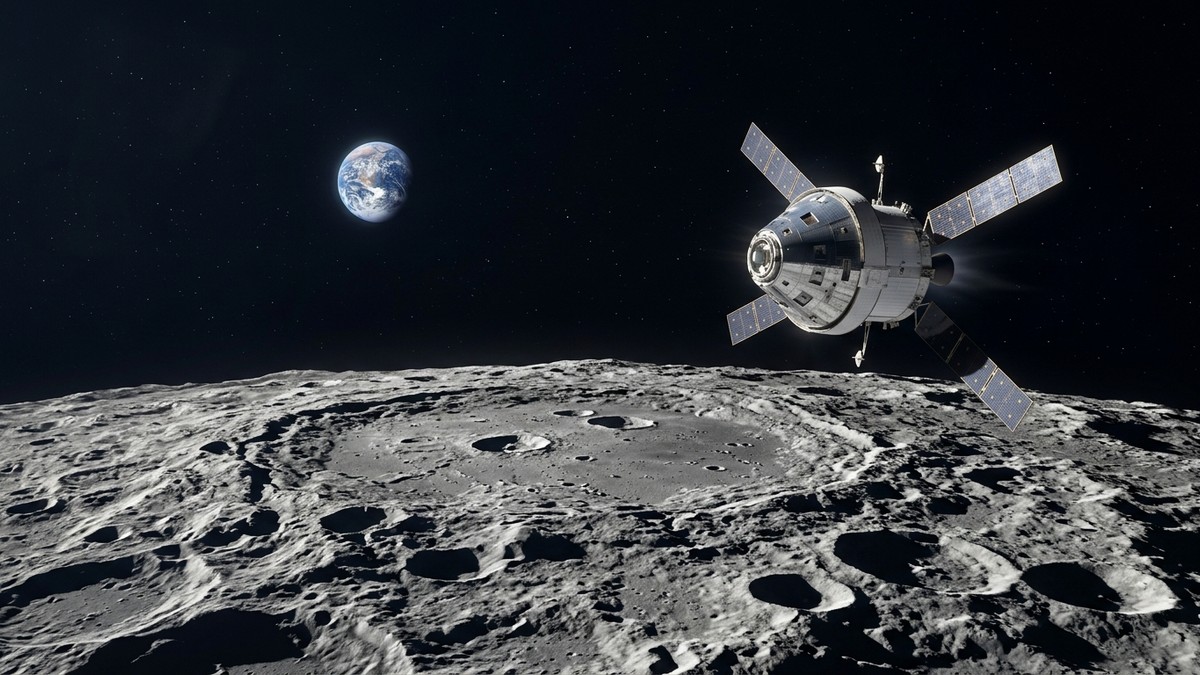
Artemis II is a free-return trajectory flight — the crew will fly to the Moon, swing around the far side, and return to Earth without entering lunar orbit. The entire mission lasts approximately 10 days.
The key objectives are straightforward but critical: test the Orion spacecraft and its life support systems with a real crew aboard, for the first time. Artemis I (the uncrewed test in 2022) proved the hardware works in space. Artemis II proves it works with humans inside.
During the mission, the crew will:
- Test Orion's environmental and life support systems with four people breathing, eating, and working inside
- Manually fly the Orion capsule, testing its handling characteristics
- Photograph and study the Moon from close range
- Set a new human distance record from Earth — surpassing Apollo 13's record of 400,171 km
When they swing around the far side of the Moon, the crew will briefly lose all contact with Earth — just as every Apollo crew did. Then Orion fires its engines, loops back towards home, and splashes down in the Pacific Ocean around April 11.
The Road to Launch Day
Getting here hasn't been smooth. The SLS rocket was originally supposed to launch Artemis II in late 2024, but the mission was delayed after issues were found with the Orion heat shield during Artemis I re-entry analysis.
Then came the helium valve problem. During testing at Kennedy Space Center, engineers found a leak in the quick-disconnect seals that feed helium to the SLS upper stage. The rocket had to be rolled back to the Vehicle Assembly Building for repairs — a process that took weeks and pushed the launch from late 2025 into early 2026.
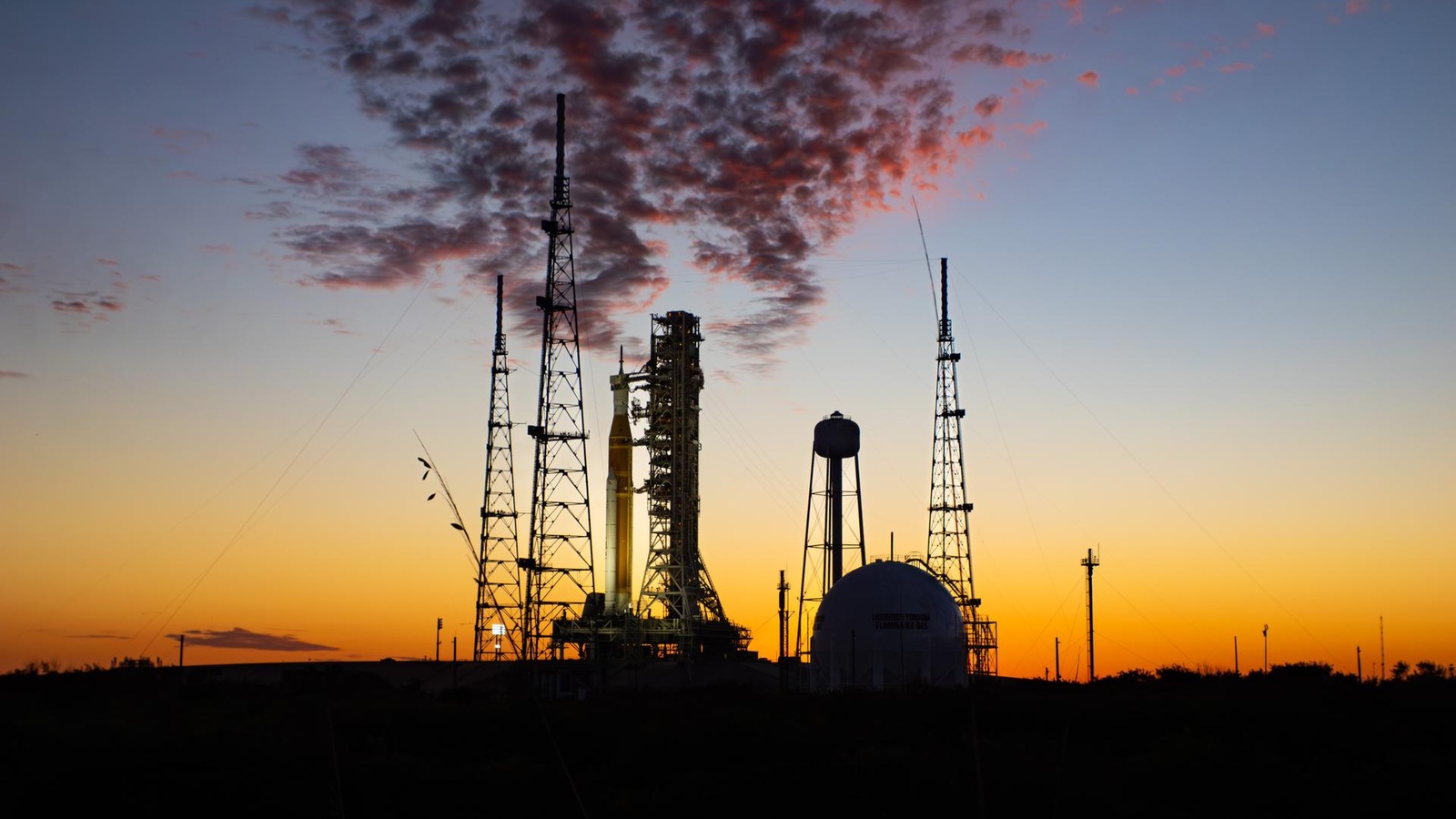
NASA completed its root cause investigation in February, replaced the faulty seals, and passed the agency-level Flight Readiness Review on March 12. The SLS rolled back out to Pad 39B on March 19.
The 48-hour countdown began on Sunday 30 March at 9:44 PM BST, and has been proceeding smoothly since. Today, the launch team conducts final checks, loads propellant, and — if everything holds — sends four humans to the Moon.
Track Orion After Launch
Once Orion is on its way, you can follow the entire 10-day mission:
Track Orion live: nasa.gov/trackartemis — NASA's real-time tracker shows Orion's position relative to Earth and the Moon throughout the mission.
Artemis Blog: blogs.nasa.gov/artemis — NASA posts real-time countdown and mission updates throughout the flight.
Imagery: NASA will publish all mission imagery at the Artemis II Multimedia page.
For the complete history and future of the Artemis programme, read our Complete Artemis Mission Timeline.