Key Takeaways
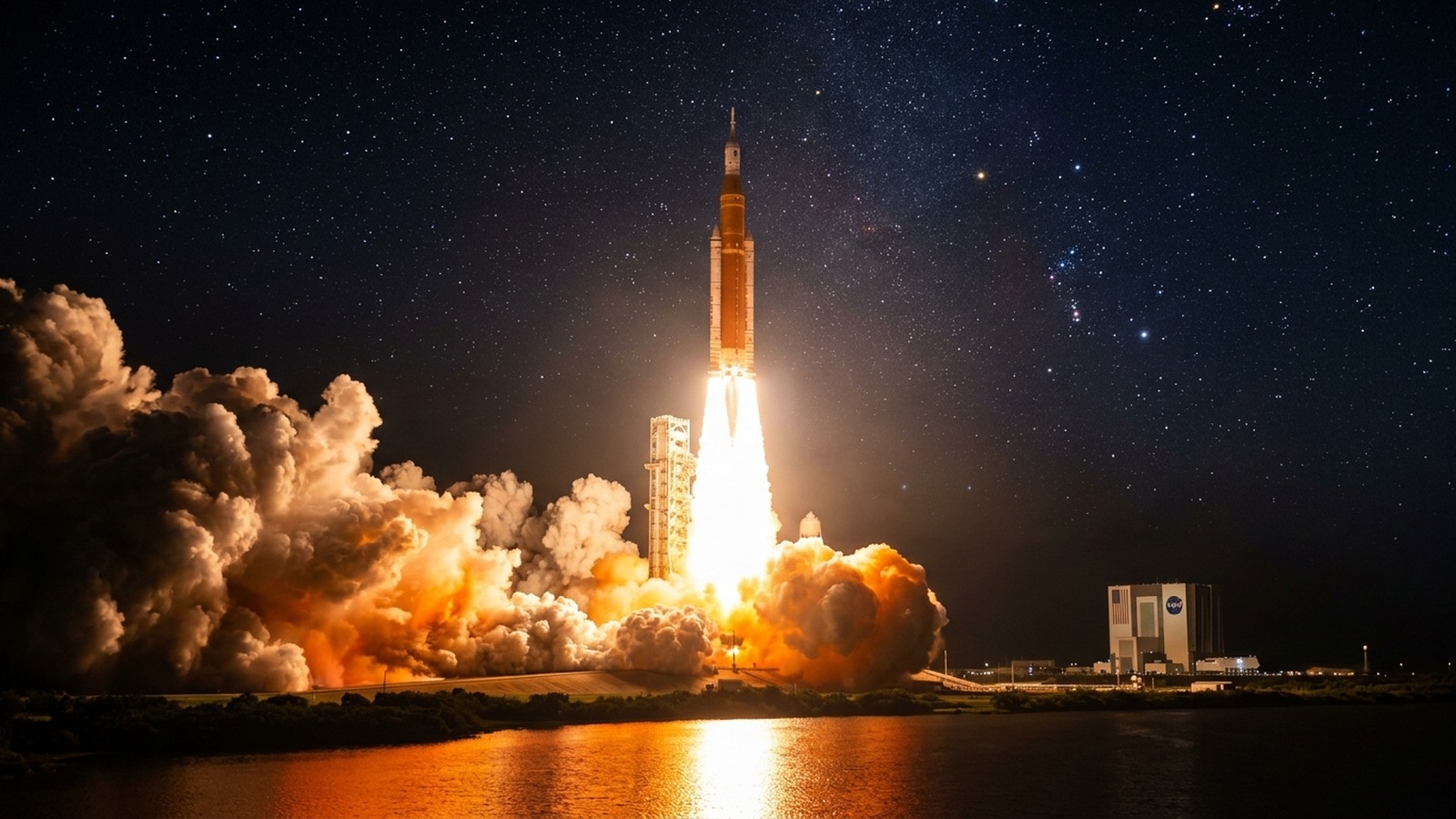
- Artemis II lifted off at 6:24 p.m. ET on April 1, 2026 — right on schedule
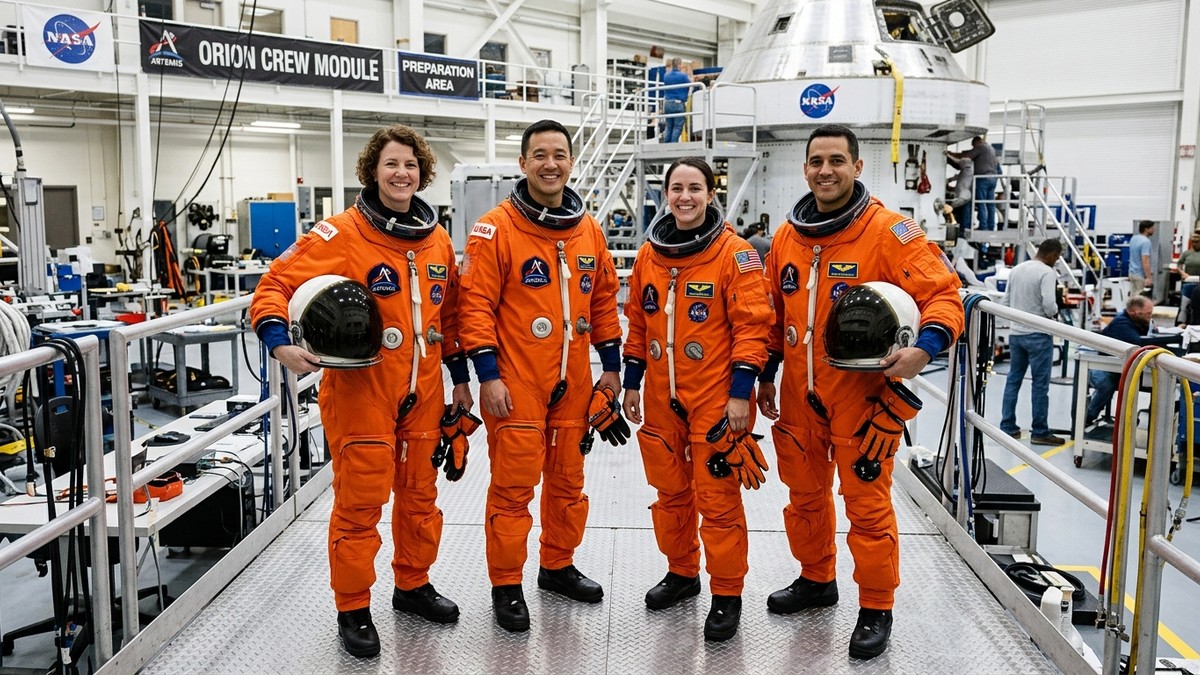
- Crew: Reid Wiseman, Victor Glover, Christina Koch, and CSA astronaut Jeremy Hansen
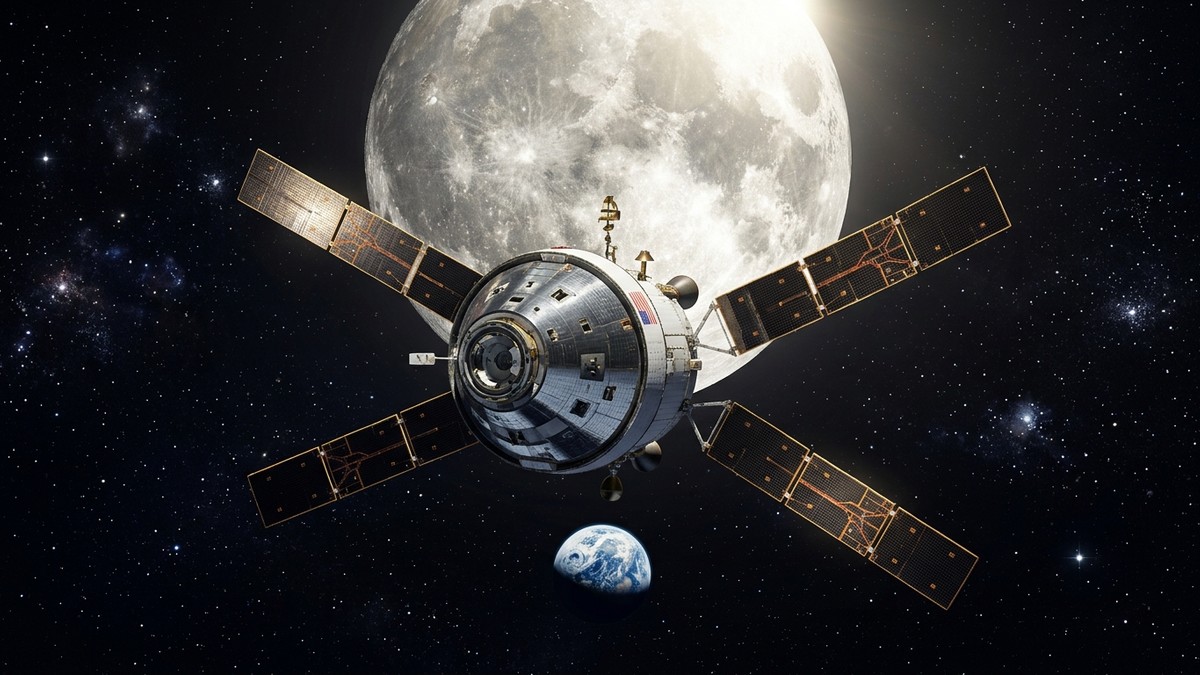
- The Orion spacecraft is now on a 10-day free-return trajectory around the Moon
- This is the first time humans have left Earth orbit since Apollo 17 in December 1972
- Artemis III — the Moon landing — is the next mission to follow
📑 Table of Contents
We Have Liftoff
After 54 years, humanity is going back to the Moon.
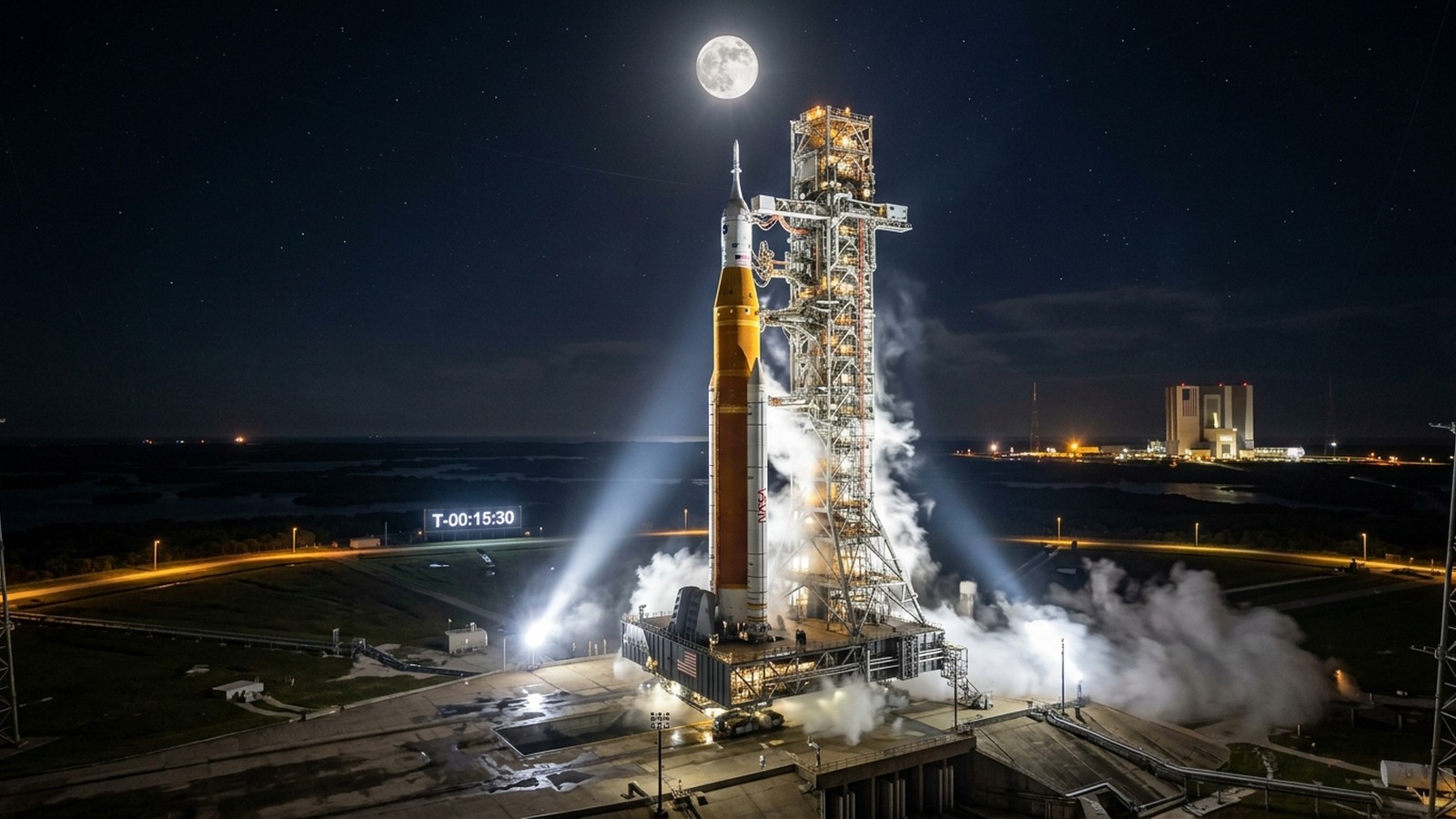
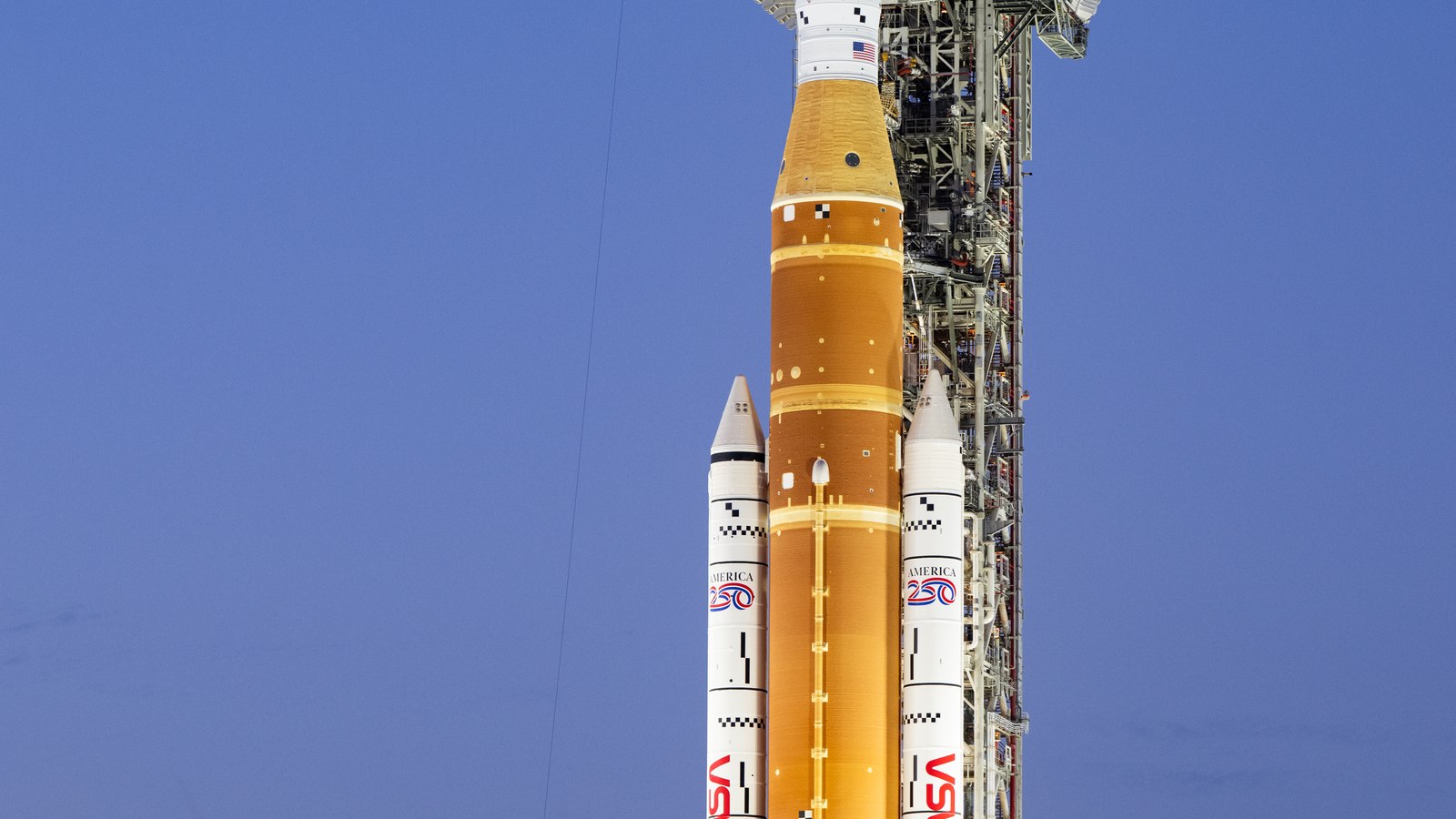
At 6:24 p.m. ET on April 1, 2026, NASA's Space Launch System ignited and lifted off from Launch Complex 39B at Kennedy Space Center — right on the opening of its first launch window. There were no scrubs, no last-minute holds. Just a clean, textbook launch that lit up the Florida coastline and sent four astronauts into the history books.
The SLS upper stage completed its trans-lunar injection burn around two hours after launch, putting the Orion spacecraft on course for the Moon. The crew has confirmed vehicle health is nominal across all systems.
The Crew Making History
Four people are currently 240,000 miles from home — and climbing.
Commander Reid Wiseman leads the mission. A veteran of the ISS and former Chief of the Astronaut Office, Wiseman has trained for this moment for years. Pilot Victor Glover — who logged 167 days aboard the ISS on Crew Dragon — becomes the first person of colour to fly beyond low Earth orbit. Mission Specialist Christina Koch set the record for the longest spaceflight by a woman (328 days) and is now becoming the first woman to travel to the Moon's vicinity. Rounding out the crew is CSA Mission Specialist Jeremy Hansen — Canada's first astronaut to journey beyond Earth orbit.
Where Are They Now?
Orion is currently on a free-return trajectory — a figure-of-eight path that uses the Moon's gravity to swing the spacecraft around and send it back to Earth without requiring a lunar orbit insertion burn. This is the same type of trajectory used by Apollo 13 to bring its crew home safely after the onboard explosion.
The crew will pass within approximately 8,900 km of the lunar surface at closest approach — near enough to see the Moon in extraordinary detail through Orion's windows. The mission will test all critical systems: life support, navigation, communication, re-entry heat shield performance at lunar return velocity, and the crew themselves.
What Comes Next
Splashdown is expected on April 11 off the coast of San Diego, where the USS San Diego recovery vessel is already in position.
If Artemis II goes to plan — and right now everything is nominal — it clears the final technical hurdle before Artemis III: the mission that will put boots on the lunar surface for the first time since Apollo 17's Eugene Cernan stepped off the Moon in December 1972. The Artemis III landing site is near the lunar south pole, where permanently shadowed craters are thought to hold water ice — a resource that could one day support long-term human presence on the Moon and beyond.
For now, though, four astronauts are hurtling toward the Moon, and for the first time in more than half a century, humanity has left the cradle.
Safe journey, Artemis crew. We're watching.