Key Takeaways
- Orion will fly 4,070 miles above the Moon's surface at 7:02 p.m. EDT (midnight BST) tonight — the closest approach of humans to the Moon since Apollo 17 in 1972.
- The crew will break Apollo 13's distance record at 1:56 p.m. EDT, reaching a maximum 252,757 miles from Earth — the farthest any human has ever travelled.
- During the flyby, the crew will witness Earthrise over the Moon's horizon, photograph 30 science targets including the Orientale Basin, and experience a 40-minute communications blackout behind the far side.
📑 Table of Contents
This is the day the mission was built for.
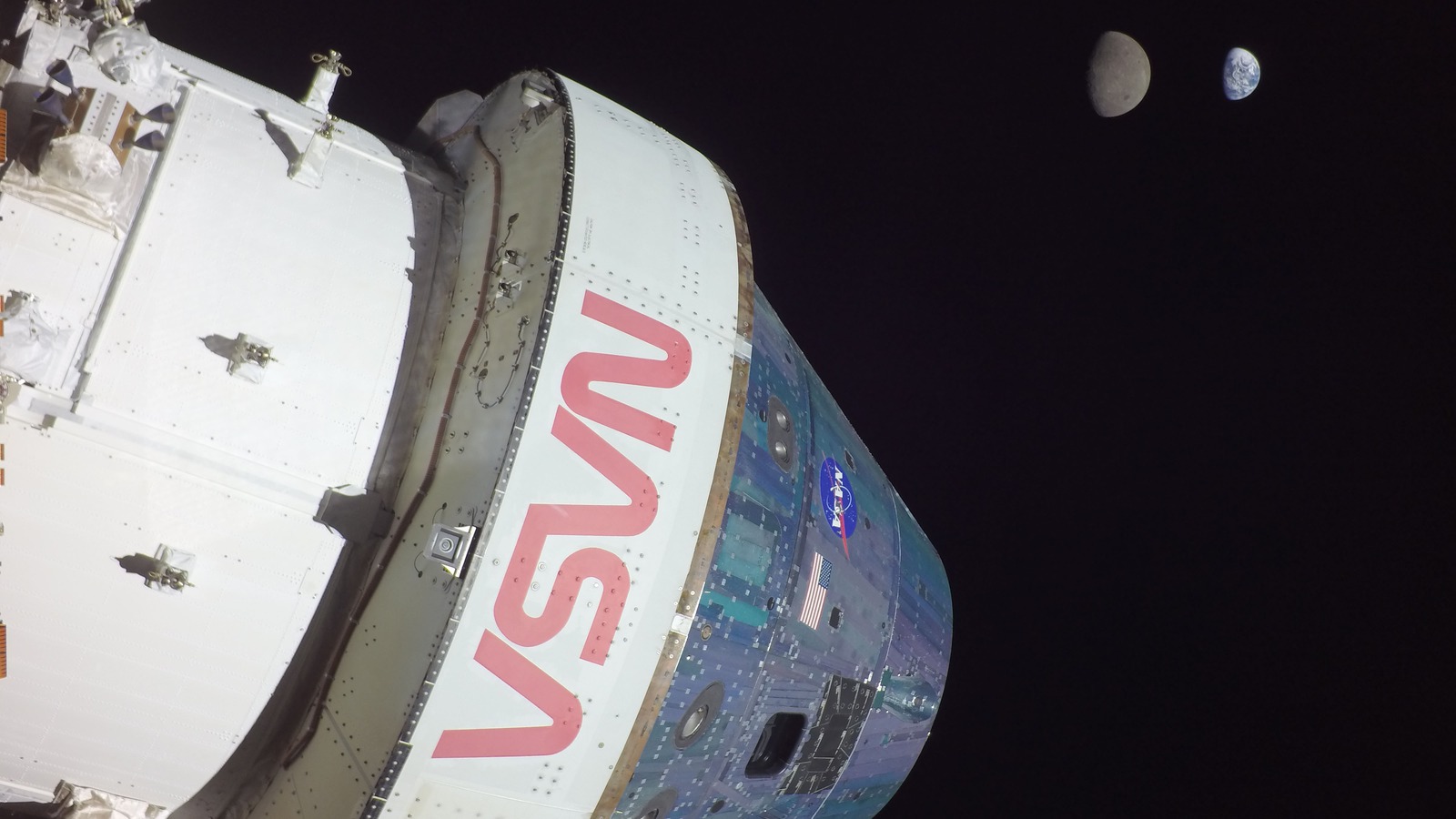
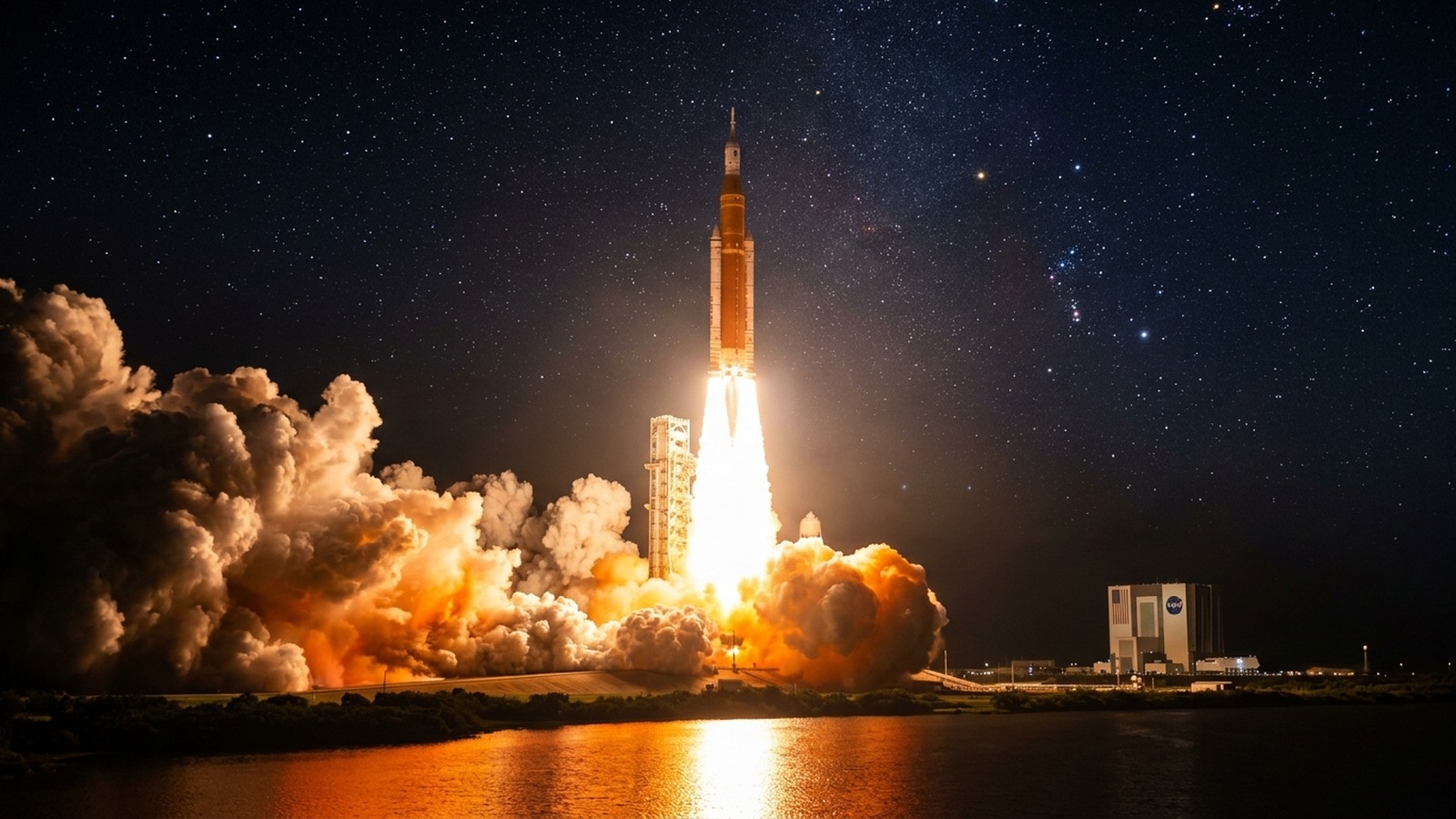
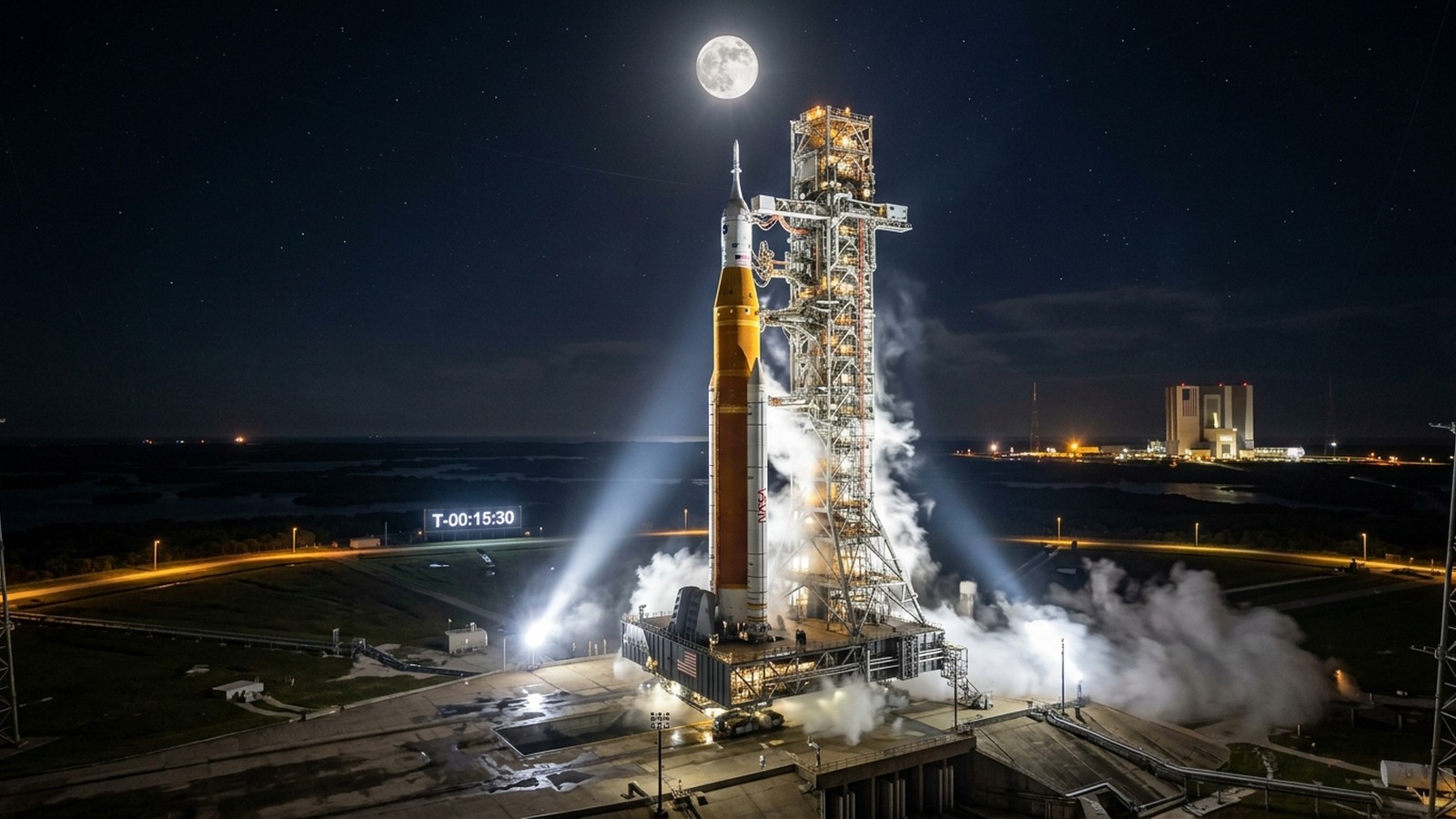
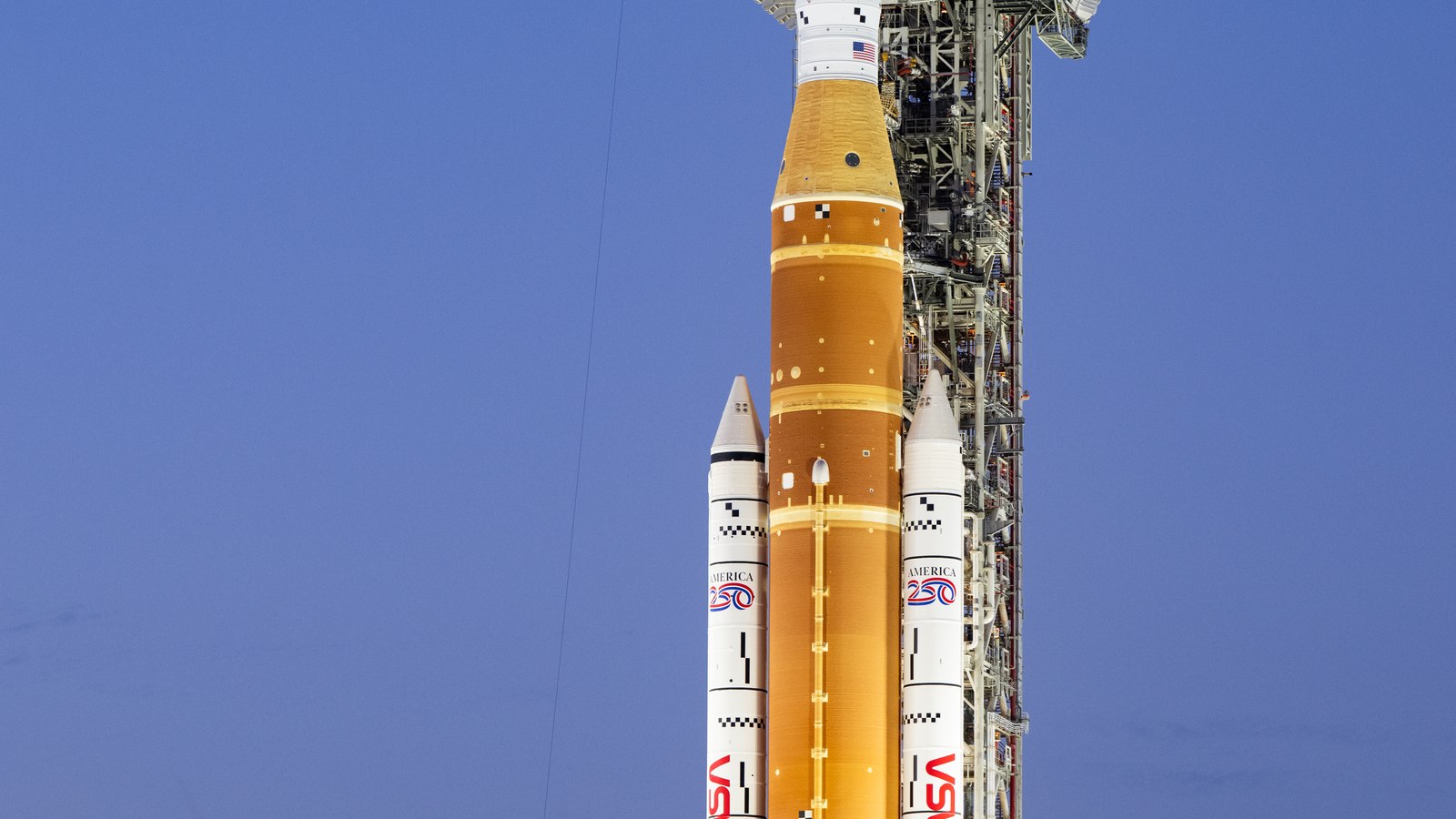
Five days ago, NASA astronauts Reid Wiseman, Victor Glover, and Christina Koch, alongside Canadian Space Agency astronaut Jeremy Hansen, launched from Kennedy Space Center aboard the Orion spacecraft. Today — Flight Day 6 — they fly past the Moon.
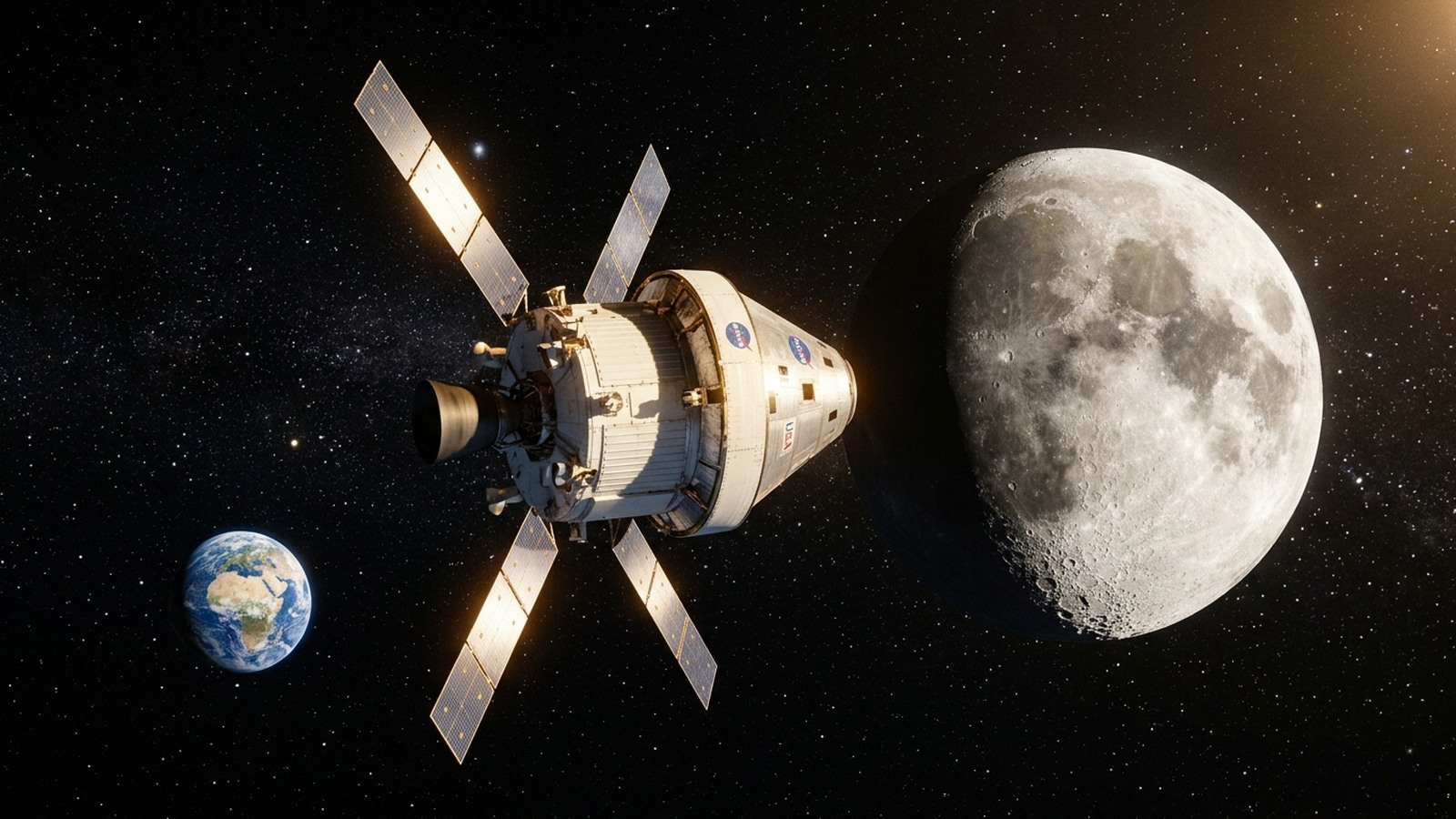
At 7:02 p.m. EDT tonight (midnight BST), Orion will pass just 4,070 miles above the lunar surface — the closest any human has been to the Moon since the crew of Apollo 17 walked on it in December 1972. In the hours surrounding that moment, the crew will break the all-time record for the farthest distance any human has travelled from Earth, witness Earthrise over the Moon's far side, photograph ancient impact craters, and disappear behind the Moon for 40 minutes of radio silence.
Here is everything happening today and how to follow along.
Today's Full Timeline
All times are in EDT with BST (add 5 hours) in brackets. The flyby window runs from 2:45 p.m. to 9:40 p.m. EDT (7:45 p.m. to 2:40 a.m. BST).
12:41 a.m. EDT (5:41 a.m. BST): Orion enters the Moon's gravitational sphere of influence. The Moon's gravity is now the dominant force on the spacecraft.
1:30 p.m. EDT (6:30 p.m. BST): The science officer in Mission Control briefs the crew on their 30 observation targets for the flyby.
1:56 p.m. EDT (6:56 p.m. BST): The crew surpasses Apollo 13's distance record of 248,655 miles from Earth — the farthest humans have ever travelled from our planet, set in April 1970.
2:45 p.m. EDT (7:45 p.m. BST): The flyby observation window opens. Orion is now close enough to the Moon for the crew to make scientific observations through the spacecraft's windows.
6:45 p.m. EDT (11:45 p.m. BST): Earthset. Earth disappears behind the Moon from Orion's perspective as the spacecraft swings behind the far side.
7:02 p.m. EDT (midnight BST): Closest approach. Orion passes 4,070 miles above the lunar surface — closer than the distance from London to New York.
7:07 p.m. EDT (12:07 a.m. BST): Maximum distance from Earth — 252,757 miles. This is the new all-time record for the farthest any human has travelled from home.
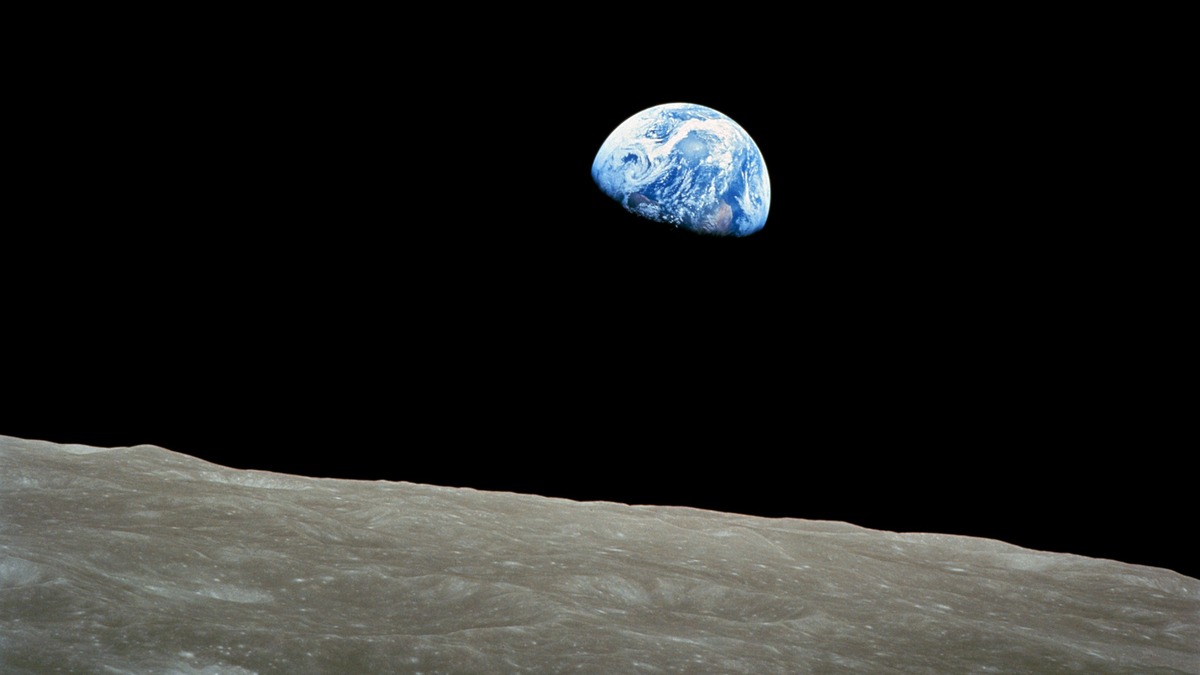
7:25 p.m. EDT (12:25 a.m. BST): Earthrise. Earth comes back into view on the opposite edge of the Moon. The crew will attempt to recreate Apollo 8's iconic Earthrise photograph — the image that changed how humanity sees its own planet.
~7:00–7:40 p.m. EDT: Communications blackout — approximately 40 minutes of radio silence while the Moon blocks signals between Orion and the Deep Space Network.
9:40 p.m. EDT (2:40 a.m. BST): The flyby observation window closes.
The Flyby Window
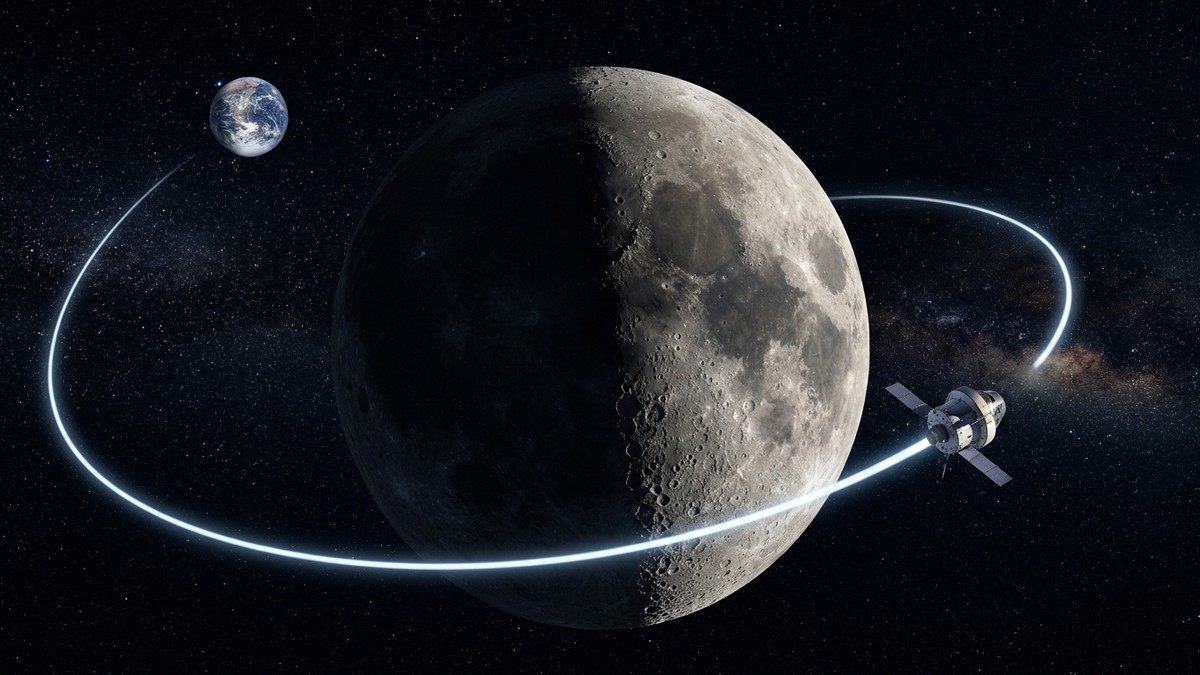
The flyby is not an instantaneous event — it is a seven-hour window during which the crew is close enough to the Moon for detailed observations. During this time, Orion's windows will be pointed toward the lunar surface, and the crew will work through a carefully choreographed sequence of photography and visual observations.
The crew spent yesterday — Flight Day 5 — performing final preparations. They demonstrated the Orion Crew Survival System suits (testing mobility, leak checks, and the ability to eat and drink while wearing them), completed an outbound trajectory correction burn, and received their final briefing on the 30 science targets assigned for today's flyby.
Breaking the Apollo 13 Record
At 1:56 p.m. EDT today, the Artemis II crew will officially travel farther from Earth than any human in history.
The current record — 248,655 miles — was set unintentionally by the crew of Apollo 13 in April 1970, when their aborted Moon landing sent them on a free-return trajectory that swung wide around the far side. Jim Lovell, Jack Swigert, and Fred Haise held that record for 56 years.
Today, Wiseman, Glover, Koch, and Hansen will surpass it by 4,102 miles, reaching a maximum distance of 252,757 miles from Earth at 7:07 p.m. EDT. For context, that is roughly the distance of travelling around the Earth's equator ten times.
Christina Koch will become the woman who has travelled farthest from Earth — a record that will stand until Artemis III.
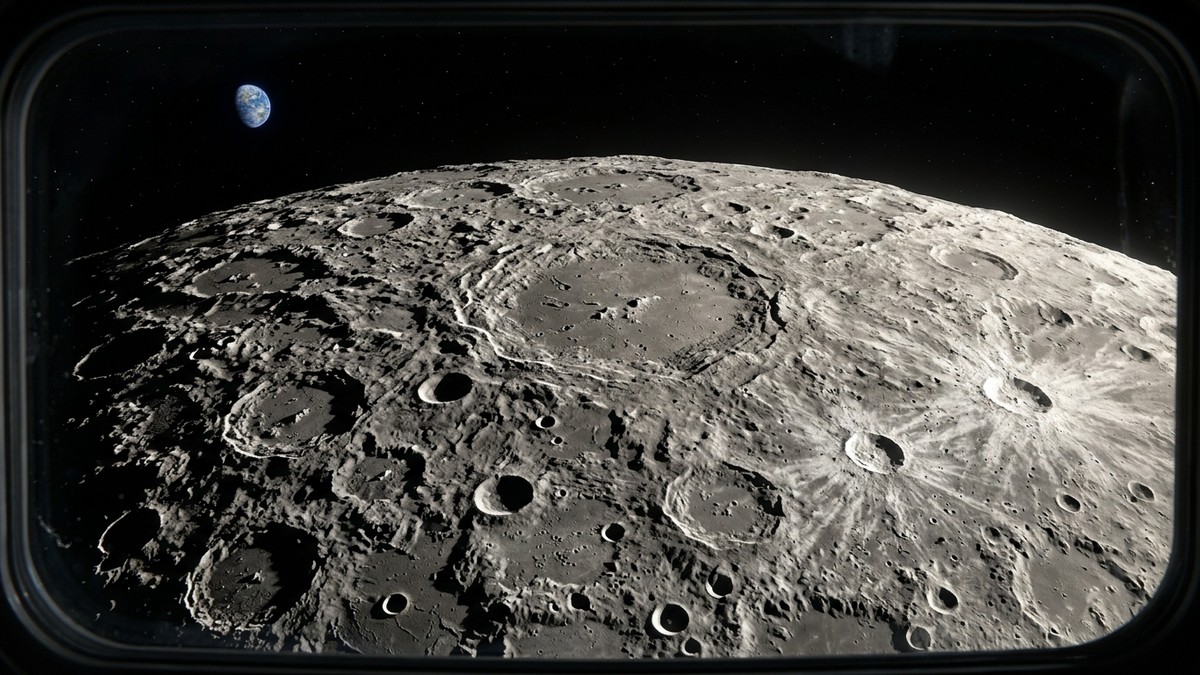
Earthrise and a Solar Eclipse
Two of the most anticipated moments of the entire mission happen within minutes of each other this evening.
At 6:45 p.m. EDT, as Orion swings behind the Moon, Earth will drop below the lunar horizon from the crew's perspective — Earthset. For roughly 40 minutes, the crew will be completely alone, out of contact with Mission Control, with the entirety of the Moon between them and every other human being alive.
Then, at 7:25 p.m. EDT, Earth reappears — Earthrise. The crew will attempt to recreate the moment captured by astronaut Bill Anders on Apollo 8 in December 1968: the blue-and-white marble of Earth rising above the grey lunar horizon. That photograph — "Earthrise" — is widely credited with sparking the environmental movement. Today's version, taken 58 years later with modern cameras, could be equally powerful.
There is a bonus: near the end of the flyby window, the crew will witness a solar eclipse from lunar orbit — the Sun gliding behind the Moon for nearly an hour from Orion's perspective. It is a view no human has seen before.
30 Science Targets
This is not just sightseeing. The science team at Mission Control has assigned the crew 30 specific lunar surface targets to photograph and observe during the flyby.
The star target is the Orientale Basin — a nearly 600-mile-wide impact crater that straddles the boundary between the Moon's near and far sides. At 3.8 billion years old, it is one of the best-preserved multi-ring impact structures in the Solar System. Orientale will be fully illuminated and visible as Orion approaches, and the crew will study its dramatic ring topography from multiple angles as they pass.
The observations will provide data on lunar geology, surface composition, and potential landing sites for future Artemis missions. Unlike robotic orbiters, human observers can make real-time decisions about what to photograph and can describe features with a nuance that automated cameras cannot match.
The 40-Minute Blackout
For approximately 40 minutes around closest approach, Orion will be behind the Moon relative to Earth. The Deep Space Network — the array of giant radio dishes that provides the mission's communication link — cannot send or receive signals through 2,159 miles of solid rock.
During this blackout, the crew will be entirely on their own. They have practised for this extensively — all procedures are pre-loaded, and the spacecraft's autonomous systems will handle navigation. Mission Control will maintain a calm wait, knowing that when Orion reappears on the other side, the first voice they hear will be from the farthest humans have ever been from home.
This is a planned part of the free-return trajectory. No intervention is needed. But the silence, for those watching the mission feeds, will be palpable.
How to Watch Live
NASA is providing continuous coverage of the flyby across multiple platforms:
NASA TV / NASA+: Free livestream at nasa.gov/live and on the NASA app. Coverage will include live mission audio, camera feeds from inside Orion, and expert commentary from Johnson Space Center.
YouTube: NASA's official YouTube channel will carry the full livestream.
Netflix: After missing the launch, Netflix will livestream the lunar flyby — check the Netflix app for the Artemis II event page.
ESA Web TV: The European Space Agency is also carrying coverage, particularly focused on the European Service Module that is powering Orion.
Tracking Orion: NASA's Artemis Real-Time Orbit Website (AROW) lets you follow Orion's position, speed, and distance from Earth and Moon in real time.
The flyby observation window opens at 2:45 p.m. EDT (7:45 p.m. BST) and closes at 9:40 p.m. EDT (2:40 a.m. BST). The most dramatic moments — Earthset, closest approach, distance record, and Earthrise — happen between 6:45 and 7:25 p.m. EDT (11:45 p.m. and 12:25 a.m. BST).
If you can only tune in for one stretch, that 40-minute window around closest approach is the one. And then, when the radio comes back — listen for the crew's voices from the far side of the Moon.
Follow us on Instagram @watchthestarsuk for real-time updates throughout the flyby.