Key Takeaways
- Rep. Tim Burchett introduced H.R. 8197 on 6 April to permanently abolish AARO, the Pentagon's UFO investigation office — and ban any replacement from being created
- Rep. Anna Paulina Luna's 14 April deadline for the Pentagon to hand over 46 classified UAP videos expires tomorrow — Secretary Hegseth pledged compliance but gave no timeline
- Burchett says his latest classified briefing contained 'names, dates, people and locations' that would 'set the Earth on fire' if released publicly
📑 Table of Contents
Two parallel congressional actions are converging on the Pentagon this week — and between them, they represent the most direct challenge to the US government's handling of UAP information since the modern disclosure era began.
On one side, Rep. Tim Burchett (R-TN) has introduced legislation to permanently destroy the Pentagon's UAP investigation office. On the other, Rep. Anna Paulina Luna (R-FL) is hours away from a deadline she set for the Defence Department to hand over 46 specific classified UAP videos. The Pentagon is caught between a congressman who thinks its UFO office is a cover-up machine and a congresswoman who thinks it's sitting on evidence the public deserves to see.
The Bill: H.R. 8197
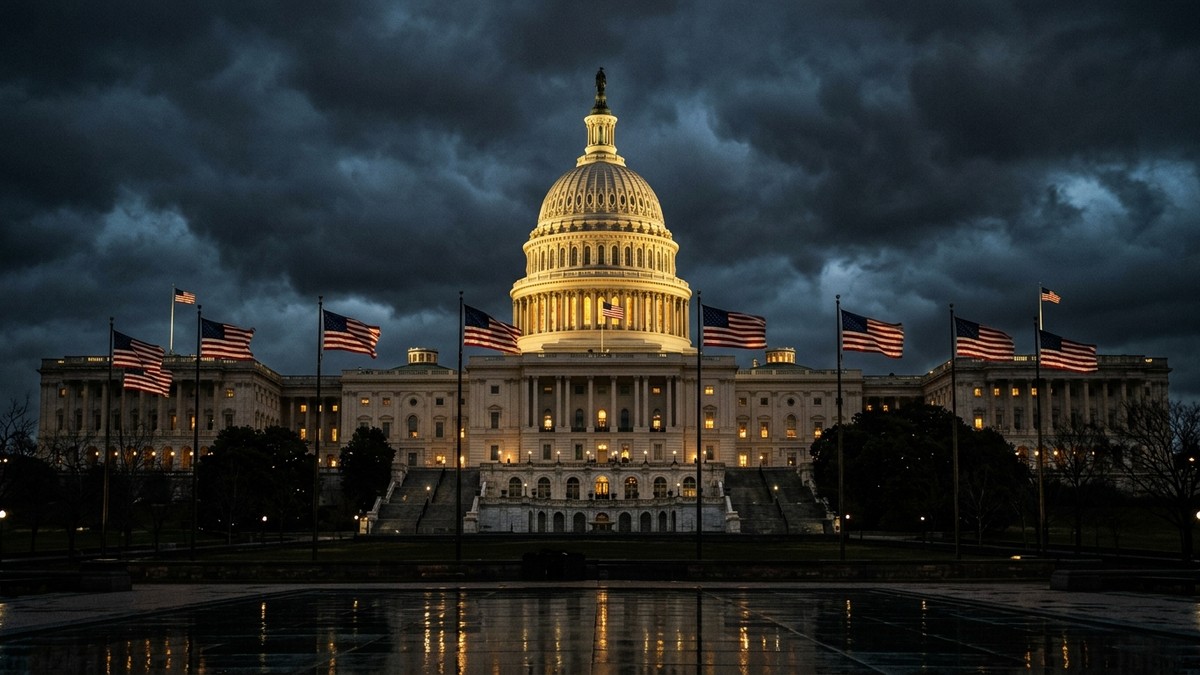
On 6 April 2026, Burchett introduced H.R. 8197 — a bill to terminate the All-domain Anomaly Resolution Office (AARO), the Pentagon body created in 2022 to investigate unidentified anomalous phenomena.
The bill doesn't just defund AARO. It abolishes it entirely. Under its provisions, the Secretary of Defense would have 60 days to shut the office down and redistribute its functions across existing military branches. But the sharpest provision is what comes after: H.R. 8197 includes a hard legal prohibition preventing either the Secretary of Defense or the Director of National Intelligence from creating any new centralised UAP investigation office in the future. A simple rebrand — the bureaucratic escape hatch that has allowed previous UAP programmes to morph from one name to another — would be legally impossible.
This is not a funding cut or a restructuring proposal. It is an attempt to make centralised Pentagon control of UAP investigation permanently illegal.
Why Burchett Wants AARO Gone
Burchett has been one of Congress's most vocal UAP transparency advocates since the 2023 House oversight hearing where former intelligence officer David Grusch testified under oath about alleged crash-retrieval programmes. Since then, Burchett has consistently argued that AARO is part of the problem, not the solution.
His case is straightforward: AARO has been operating for four years, spent tens of millions of dollars, and now has over 2,000 open cases. Yet the office has not publicly identified a single case as genuinely anomalous technology. Its two historical review volumes concluded that there was no evidence of extraterrestrial technology or a cover-up — conclusions that multiple whistleblowers, the Inspector General, and several members of Congress have publicly disputed.
AARO's own director, Dr Jon Kosloski, admitted in November 2024 that the office is analysing "true anomalies" that he, with his physics and engineering background, does not understand. Out of 757 new cases reviewed, 21 were flagged for deeper study. Yet no public explanation has followed.
For Burchett, this pattern — admitting anomalies exist while producing no public answers — is evidence that AARO exists to manage the UAP issue rather than resolve it.
The Deadline: Luna's 46 Videos
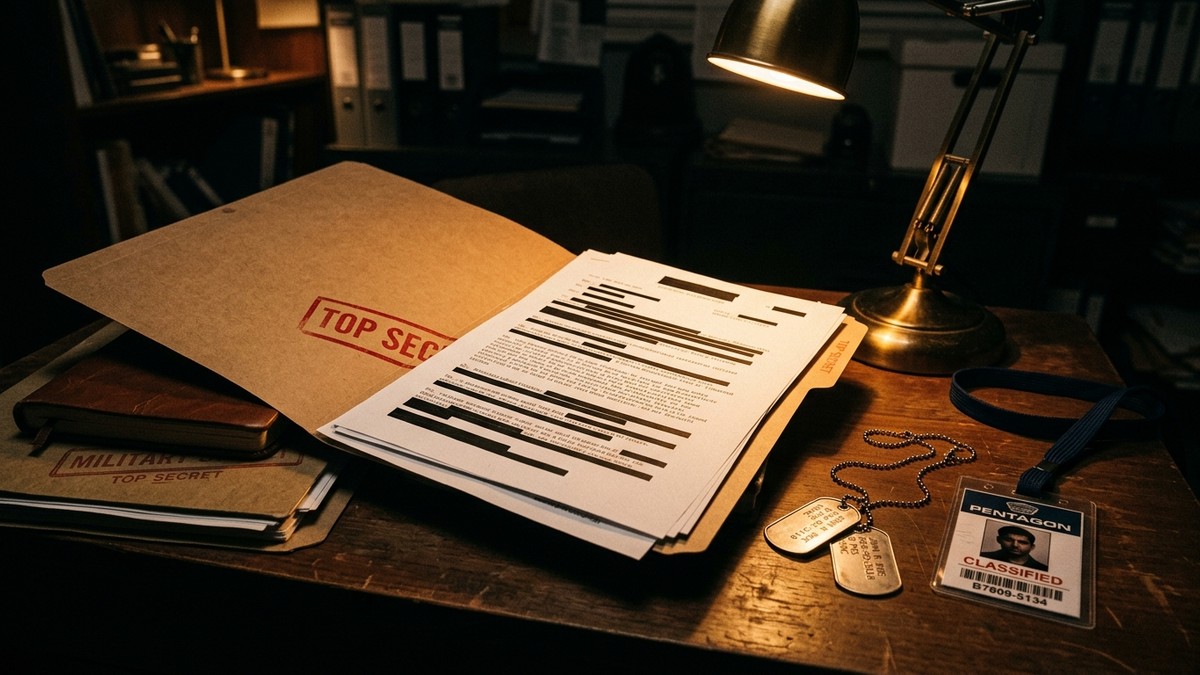
Running in parallel is the deadline set by Rep. Anna Paulina Luna. On 31 March 2026, Luna — who chairs the House Task Force on the Declassification of Federal Secrets — sent a letter to Defence Secretary Pete Hegseth demanding 46 specific classified UAP videos by 14 April.
That deadline expires tomorrow.
The letter is notable for its precision. This is not a general request for "UAP information." Luna named 46 specific incidents, each with dates, locations, platform types, and descriptions. She cited whistleblower testimony that AARO possesses additional unreleased video records beyond what has been shared with Congress, and described previous Pentagon responses as "less than adequate."
Secretary Hegseth reportedly pledged full compliance — but provided no specific timeline for review or release. As of today, there has been no public indication that any of the 46 videos have been delivered.
What's on the List
We covered the full list in detail in our earlier post, but the highlights bear repeating. The 46 videos include:
The Lake Huron shootdown — footage from an F-16 (callsign AESIR11) engaging and destroying an octagonal object over Lake Huron on 12 February 2023. This was one of three objects shot down over North America in February 2023, and the US government has never publicly explained what any of them were.
Submarine spheres — footage of spherical objects diving near a US submarine on 25 March 2022.
Afghanistan spheres — video originally leaked by journalist Jeremy Corbell and investigator George Knapp, dated 23 November 2020.
A four-UAP formation over Iran — 26 August 2022.
Instant acceleration in Syria — 2021.
Coast Guard Tic Tacs — objects filmed from a C-144 aircraft on 24 April 2024.
The specificity matters. These are not vague references. Luna has named exact dates, platforms, and incident descriptions — which means the Pentagon cannot credibly claim the videos don't exist or that it doesn't know which recordings she's referring to.
Names, Dates, People and Locations
Burchett has not limited himself to legislation. In a series of public appearances across early April, he has made his most detailed — and alarming — statements yet about what he has seen in classified settings.
On 11 April, he told reporters he had recently received a briefing in which someone "named names, dates, people in the meetings" and specific locations where "these items, if you will, are located." He described the information as something that "would've set the Earth on fire" if made public, and said Americans would "be up at night worrying" if they knew the truth.
He added: "The people that know are dying or disappearing — and for the record, I'm not suicidal."
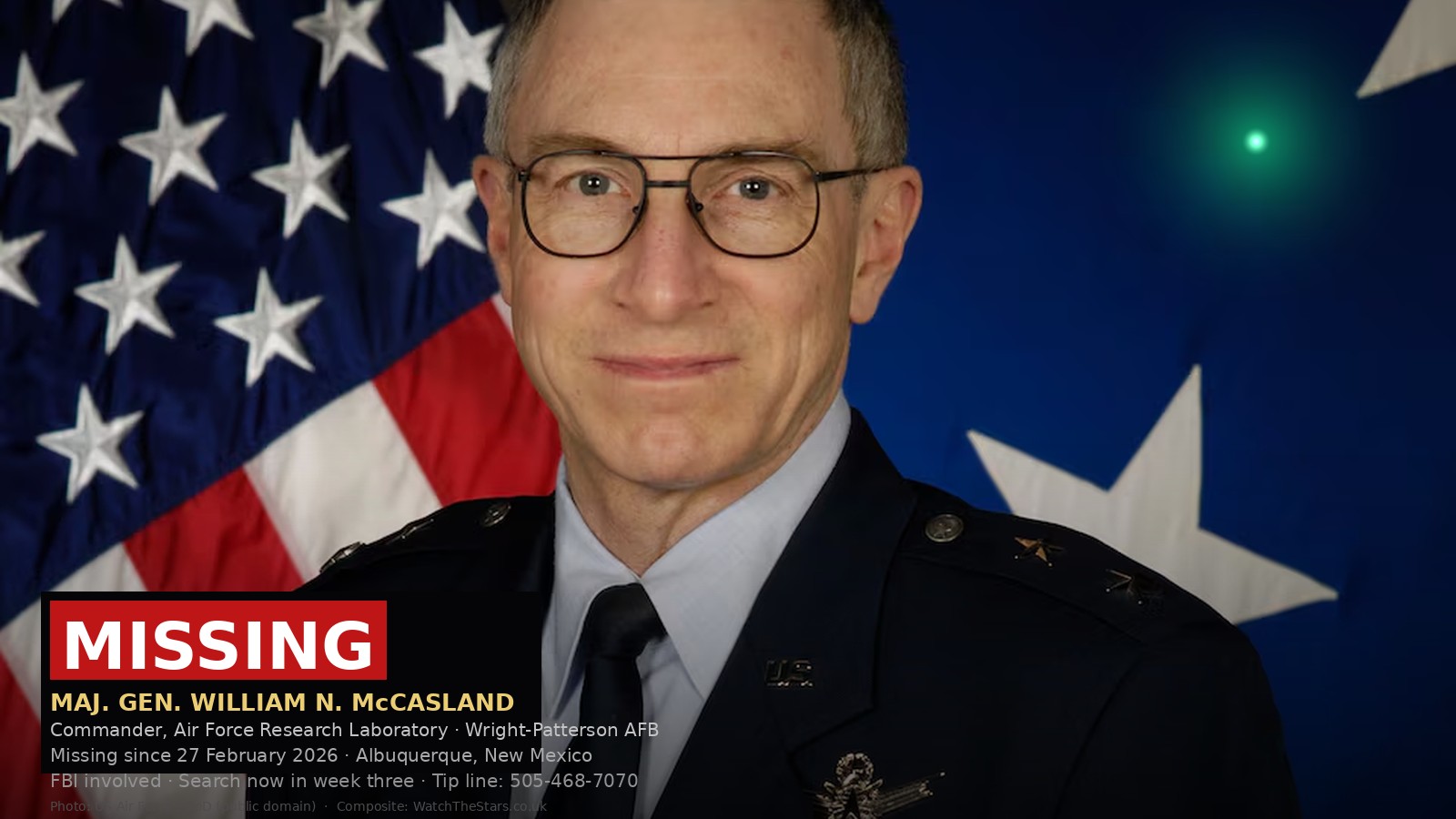
That last line is a reference to a pattern Burchett and other UAP advocates have highlighted: that individuals connected to alleged crash-retrieval programmes have died or gone missing under circumstances they find suspicious. The most recent case — retired Maj. Gen. William Neil McCasland, who commanded the Air Force Research Laboratory at Wright-Patterson AFB and was named in the WikiLeaks Podesta emails in a UAP context — disappeared from Albuquerque in February 2026 and has not been found.
Two Strategies, One Target
What makes this week unusual is that Burchett and Luna are applying pressure from opposite directions — but toward the same goal.
Luna's approach is extractive: give us the evidence. She wants the Pentagon to hand over specific classified material so Congress can evaluate it. Her strategy assumes the system can work if forced to be transparent.
Burchett's approach is destructive: tear down the institution. He wants to abolish the office entirely, arguing that AARO's centralised structure allows the Pentagon to control, filter, and suppress UAP information before it reaches Congress or the public. His strategy assumes the system is the problem.
Both strategies converge on the same uncomfortable question for the Pentagon: if AARO is doing its job, why can't Congress see the evidence? And if it isn't doing its job, why does it still exist?
What Happens Next
Tomorrow, 14 April, is the first test. If the Pentagon delivers the 46 videos — or even acknowledges the request publicly — it would represent an unprecedented level of compliance with congressional UAP demands. If it doesn't, Luna has the political ammunition to escalate: subpoenas, public hearings, or direct appeals to the White House.
Burchett's bill faces a longer road. H.R. 8197 needs to pass through the House Armed Services Committee, survive floor votes, and navigate the Senate. Abolishing a Pentagon office is not something Congress does casually. But the bill's existence serves a purpose even if it never becomes law: it signals to the Pentagon that congressional patience with AARO is running out.
Meanwhile, the White House remains the wild card. Trump's UFO disclosure executive order, signed in early 2026, promised the release of classified UAP files. The Office of the Director of National Intelligence has said declassification will happen "soon" — but has provided no timeline. Burchett says he has spoken with "folks at the White House" and expects "some things will be coming out."
The next 48 hours may tell us whether "soon" means anything at all.