Key Takeaways
- NASA has officially suspended the Lunar Gateway space station project, diverting funds to a $20 billion surface Moon base called Project Ignition.
- ESA had already delivered the HALO habitation module — built by Thales Alenia Space in Italy — to NASA before the cancellation was announced.
- Three European astronaut seats that had been earmarked for Gateway are now in limbo, with ESA chief Josef Aschbacher saying he must 'negotiate' with NASA over their future.
- NASA's new plan targets a permanent lunar outpost at the south pole by 2030, with up to 30 robotic lander missions beginning in 2027.
- The driving force behind the pivot is the race against China, which has announced plans to establish its own lunar base by the late 2020s.
📑 Table of Contents
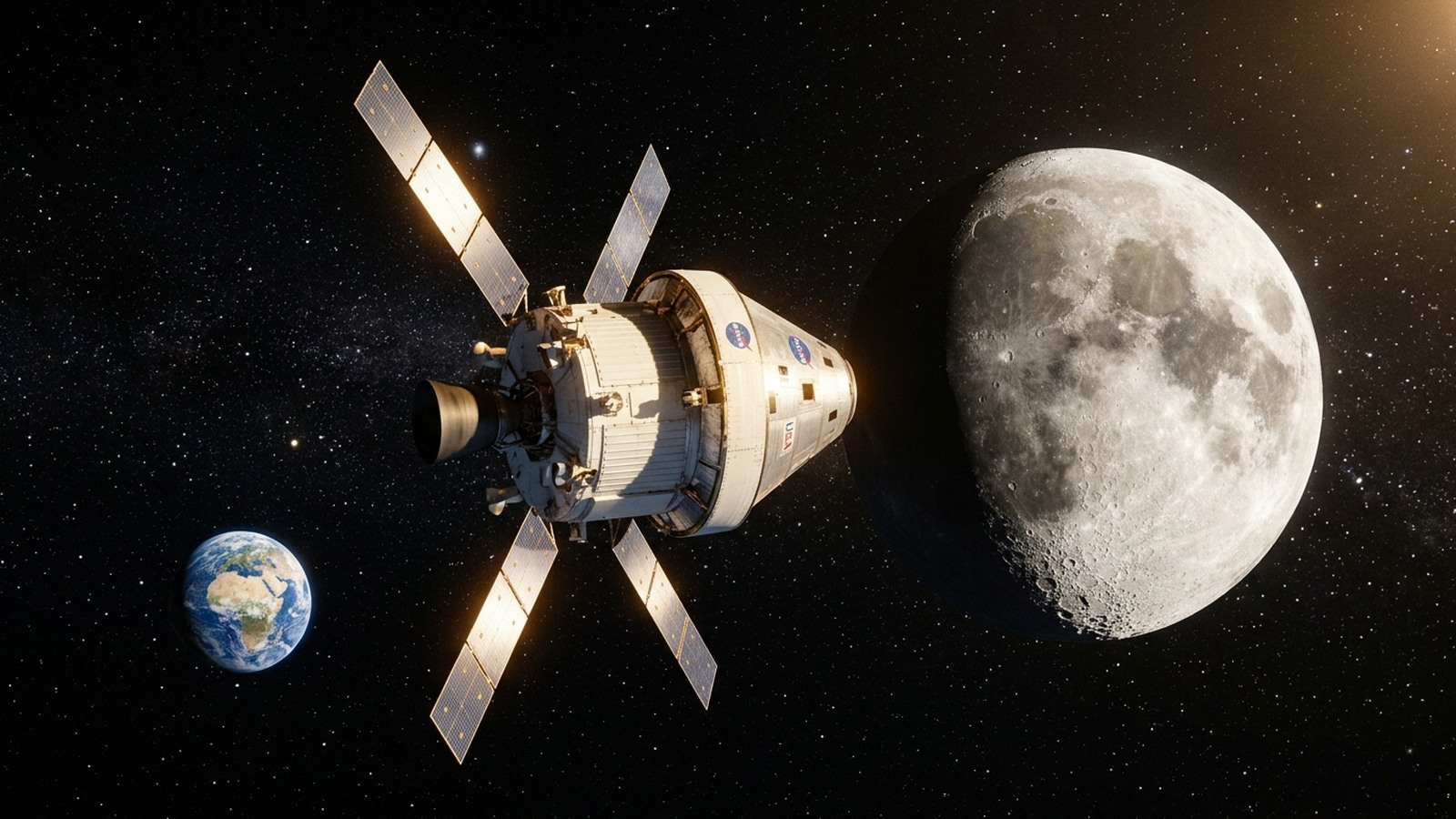
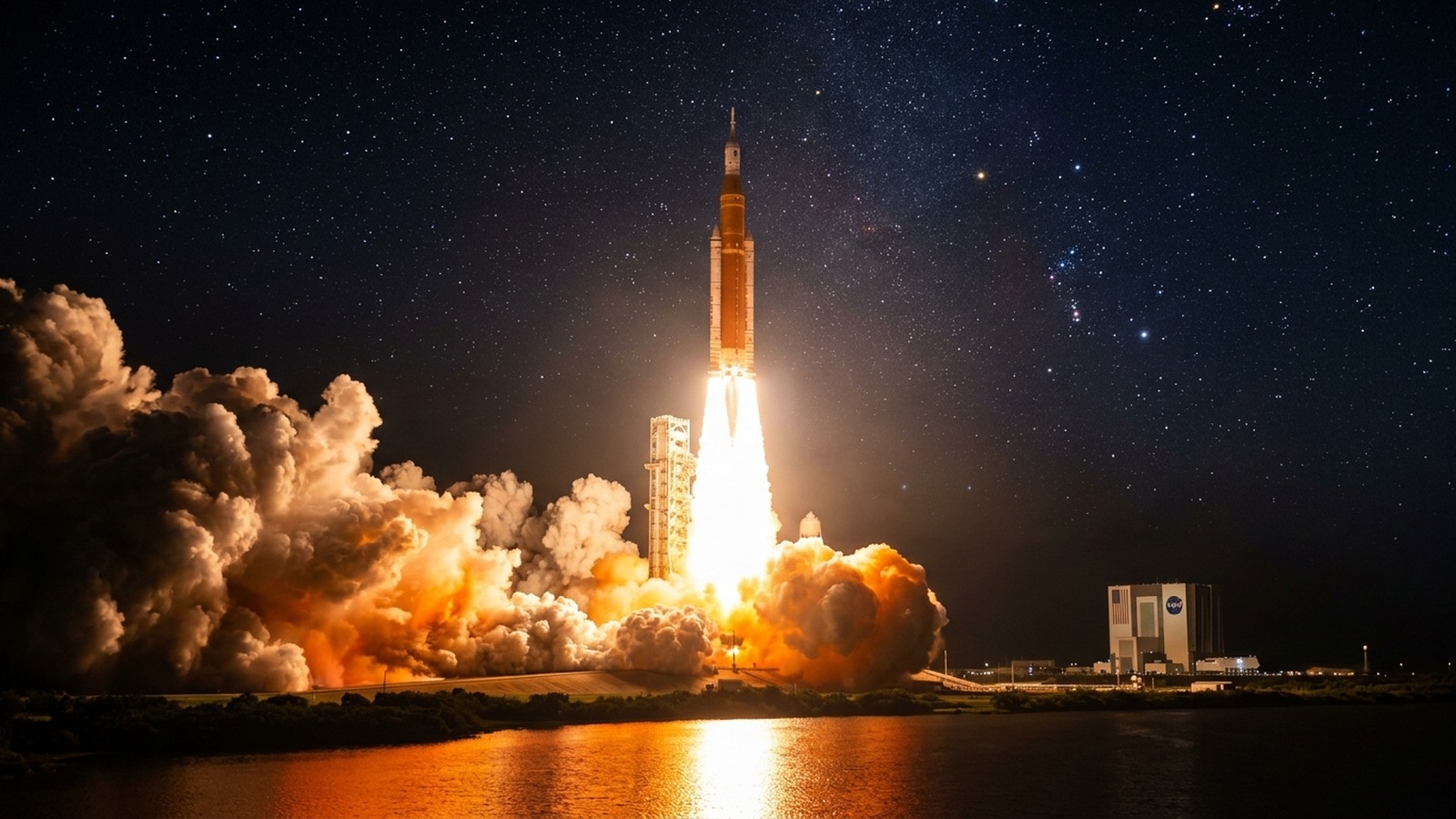
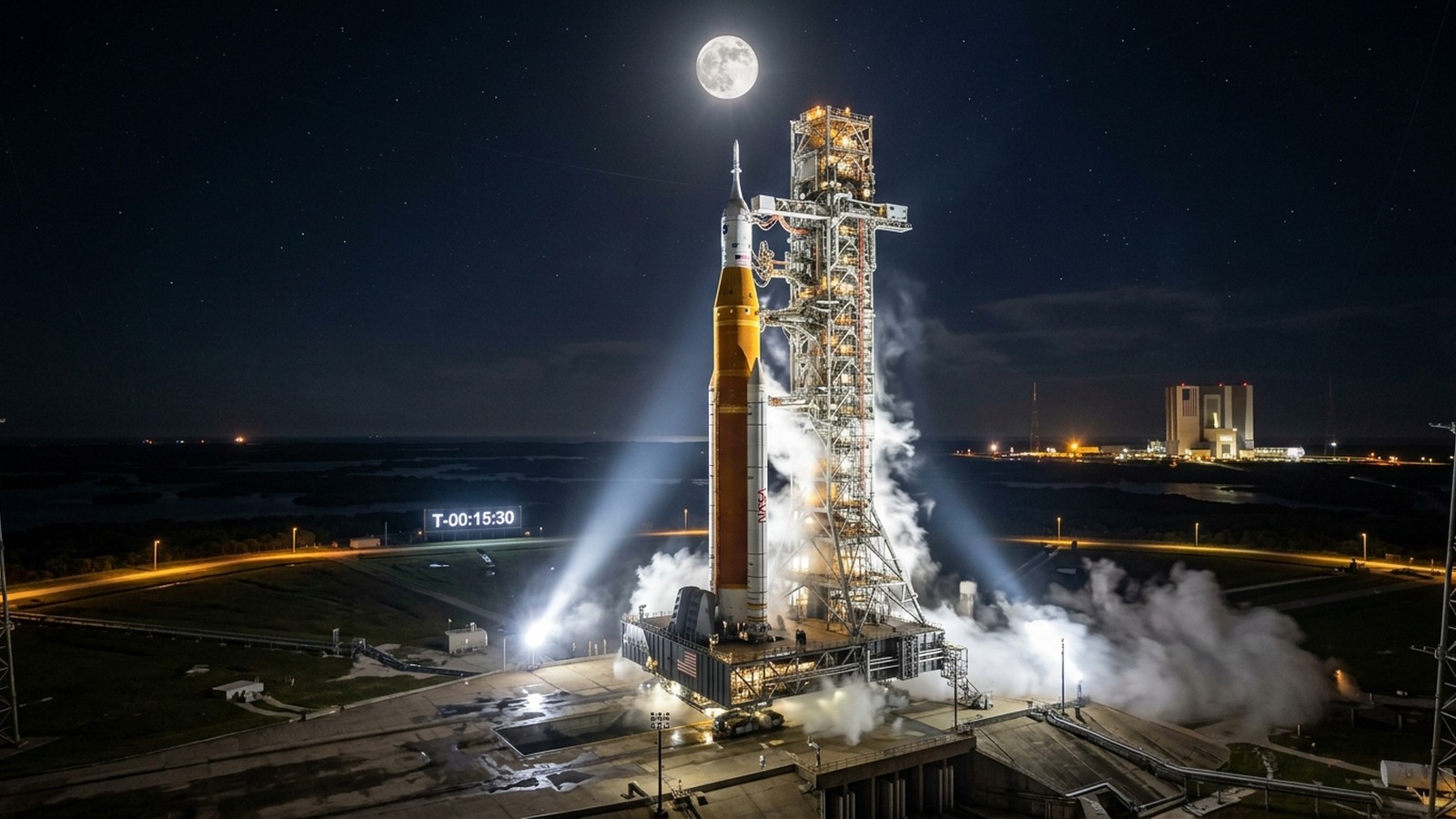
Right now, four astronauts are en route to the Moon on Artemis II. It is the first time humans have ventured to lunar distance since 1972, and by any measure it is one of the greatest achievements in space exploration history. So this is a strange moment for NASA to tear up its long-term Moon roadmap — but that is precisely what it has done.
On 24 March 2026, NASA Administrator Jared Isaacman stood in Washington before lawmakers, contractors, and delegates from more than 35 countries and announced that the Lunar Gateway — a space station that had been in development for nearly a decade — was dead. In its place: a $20 billion plan to build a permanent human base directly on the Moon's surface. The agency is calling it Project Ignition.
Europe, which had already spent hundreds of millions of euros building hardware for Gateway and had three astronaut seats lined up, found out more or less at the same time as everyone else.
What Was the Lunar Gateway?
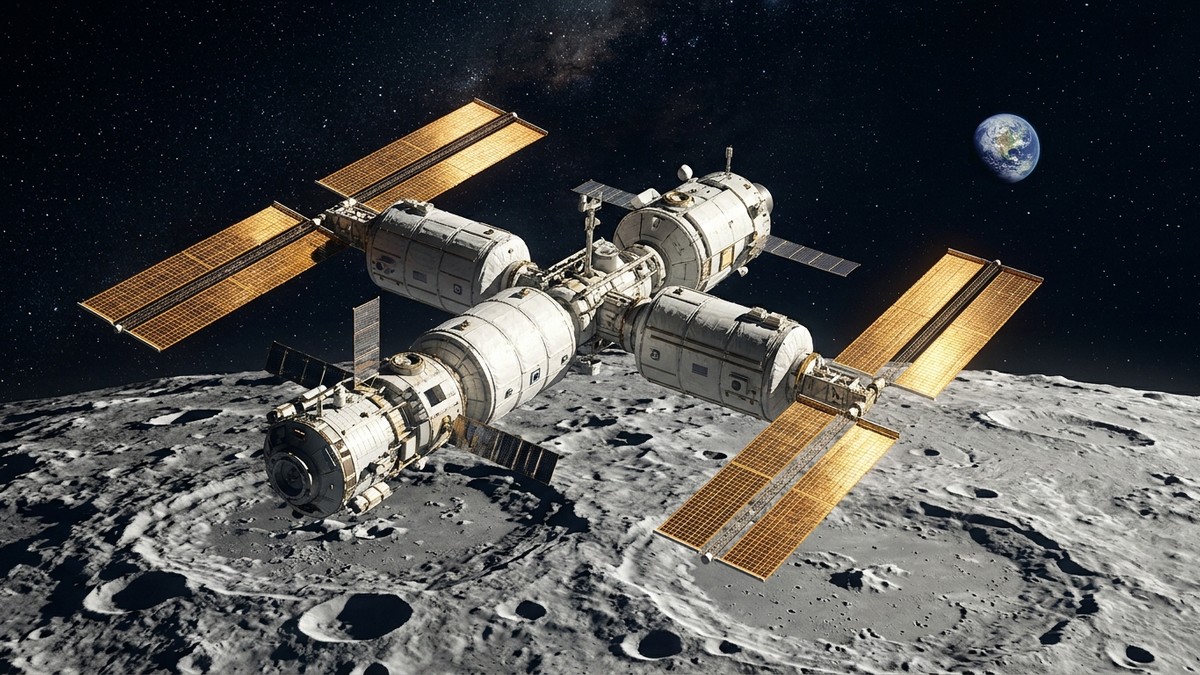
The Lunar Gateway was NASA's answer to a simple problem: the Moon is a harsh place with no infrastructure, and landing directly on the surface every time you visit is expensive and inflexible. A small space station in a highly elliptical lunar orbit — known as a Near Rectilinear Halo Orbit — would serve as a waypoint: a place where crew could live, conduct science, and transfer to dedicated landers for the actual surface trips.
NASA had been working on Gateway since around 2018. It was designed as a modular, international effort, drawing on the spirit and lessons of the International Space Station. Key hardware included the Power and Propulsion Element (a commercial solar-electric propulsion unit), and the Habitation and Logistics Outpost — better known as HALO — a cylindrical module the size of a school bus where astronauts would eat, sleep, and work.
Europe's contribution was significant. ESA was building the ESPRIT module (communications and refuelling) and, critically, co-funding the HALO module built by Thales Alenia Space in Turin, Italy. In return, ESA secured three crewed flights to Gateway for European astronauts.
Jared Isaacman Pulls the Plug
Isaacman's reasoning was blunt and unapologetic. "It should not really surprise anyone that we are pausing Gateway in its current form and focusing on infrastructure that supports sustained operations on the lunar surface," he told the assembled audience. "The clock is running in this great-power competition, and success or failure will be measured in months, not years."
The decision reflects a wider shift in how the current US administration views space exploration: less as a multinational collaborative scientific project, more as a strategic race with geopolitical stakes. An orbital waystation adds travel time, complexity, and cost. A base on the surface — permanent, flags-in-the-ground, undeniably American — is a different kind of statement.
From a purely engineering standpoint, Isaacman's argument has merit. Building a surface base directly and repeatedly is arguably more efficient than routing every mission through a lunar-orbit hub. Critics of Gateway had long pointed out that it added a step to every landing without being permanently crewed — hardly the analogue of the ISS it was billed as.
But the human and political costs of the pivot are real. Partners were not meaningfully consulted. Hardware worth hundreds of millions of dollars has already been built. And astronauts who had been told they were going to the Moon now face an uncertain timeline.
Project Ignition: The $20 Billion Moon Base Plan
NASA's replacement plan is ambitious on paper. Project Ignition is structured in three phases:
Phase 1 (2026–2028) is focused on groundwork — up to 30 robotic lander missions through NASA's Commercial Lunar Payload Services programme, building up a detailed picture of the lunar south pole's resources, terrain, and subsurface ice deposits. This phase also includes developing modular habitat technologies and in-situ resource utilisation (ISRU) systems — the machinery that would extract water ice and manufacture propellant on the Moon itself.
Phase 2 brings the first recurring crewed surface operations and incorporates major international contributions, most notably JAXA's pressurised rover, which would allow astronauts to travel kilometres from their landing site without wearing full EVA suits.
Phase 3 delivers the permanent outpost itself — with ASI's (Italian Space Agency) Multi-purpose Habitat modules and the Canadian Space Agency's Lunar Utility Vehicle providing cargo-hauling capability across the surface.
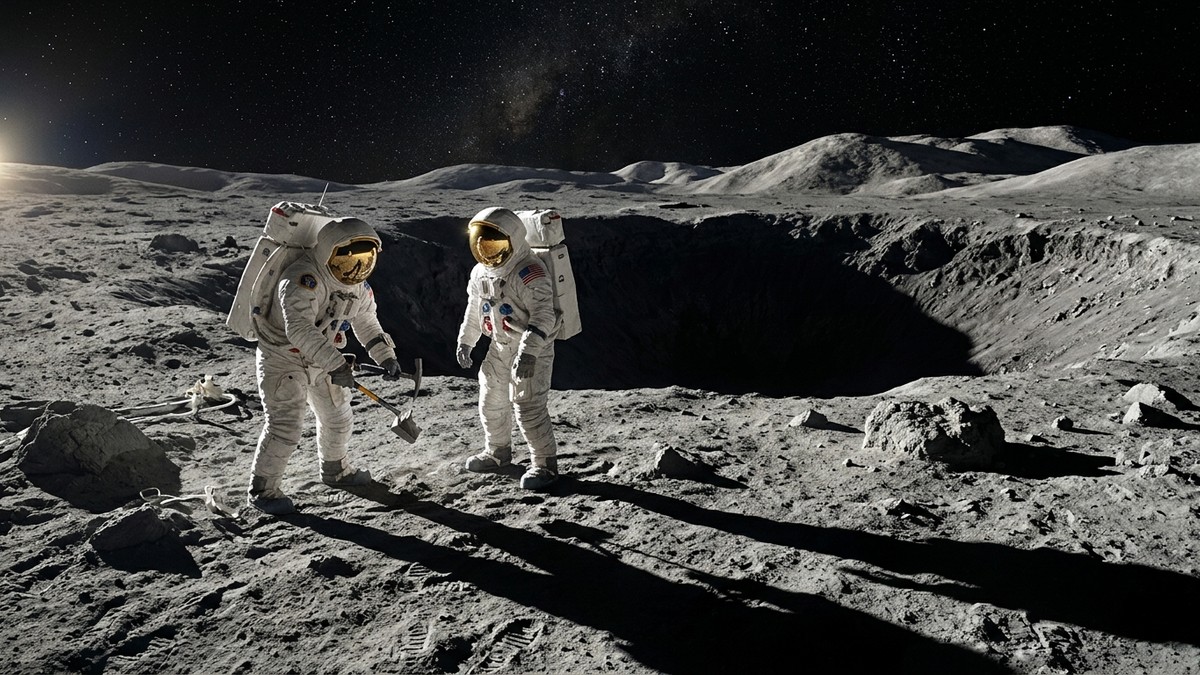
The south pole target is not arbitrary. Permanently shadowed craters in the region contain an estimated billions of tonnes of water ice deposited over billions of years. If that ice can be extracted and electrolysed into liquid hydrogen and liquid oxygen, the Moon stops being a dead end and becomes a refuelling depot — a jumping-off point for deeper Solar System exploration.
NASA aims to have the first permanent base elements in place by 2030 and a fully operational outpost by the early 2030s.
Europe Is Left Holding a €1 Billion Module
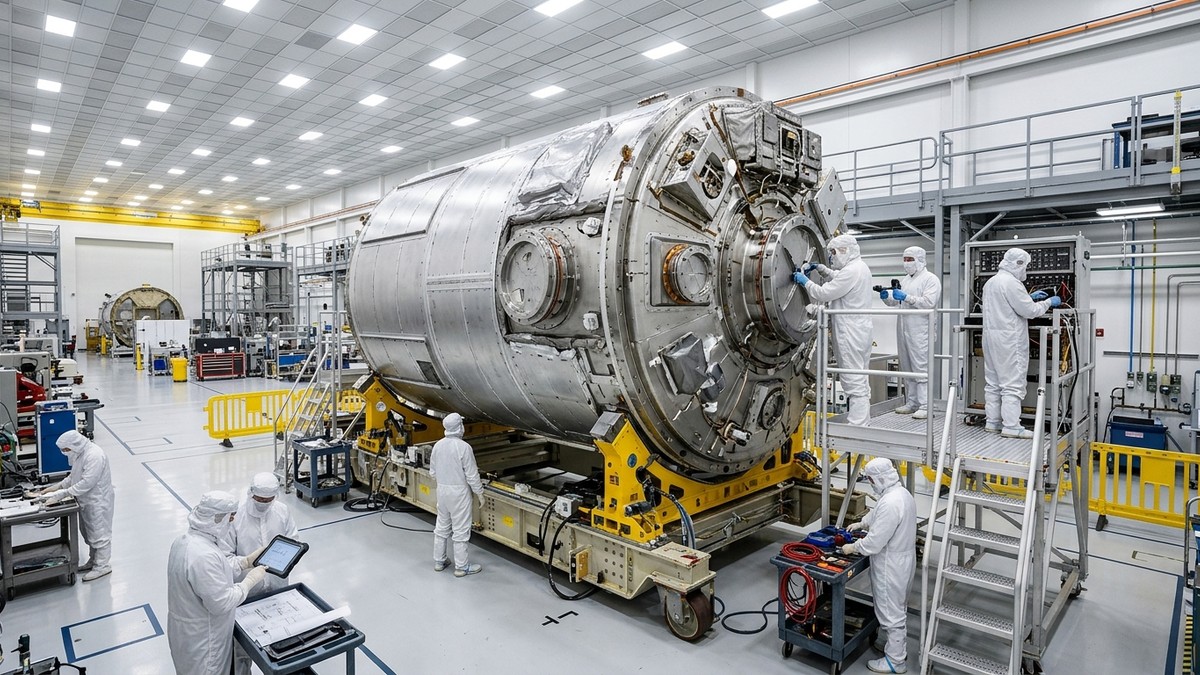
The most uncomfortable part of the Gateway cancellation story is the timing. The HALO module — Europe's flagship Gateway contribution, built at Thales Alenia Space's facility in Turin and worth roughly €1 billion — was physically delivered to NASA in March 2025. It arrived at NASA's facility twelve months before Isaacman cancelled the programme it was built for.
"With Artemis changes, Europe is left holding the bag," as one industry publication bluntly put it. The HALO hardware is not going anywhere. It sits in a NASA warehouse, technically owned by America, built with European money, designed for a mission that no longer exists in the form it was designed for.
There are discussions about repurposing the hardware. Isaacman acknowledged that some Gateway components — including the Power and Propulsion Element and HALO itself — might be adapted for use at the lunar surface base or for other programmes. But "might be adapted" is a long way from the binding agreements that European space agencies had relied on when committing their budgets.
ESA must now decide by June 2026 — when its governing council meets — how to respond to the changed situation. The ESA has investments not just in HALO but in the ESPRIT module (refuelling and communications) and in the European Service Module powering the Orion capsule currently carrying Wiseman, Glover, Koch, and Hansen around the Moon.
What Happens to European Astronauts?
Here is where things get personal for the European space community — and for anyone in the UK who has watched astronauts like Tim Peake inspire a generation.
ESA had an explicit agreement with NASA: three European astronaut seats on Gateway missions. The first was assigned to a German astronaut, followed by a French and then an Italian. These were not vague promises. They were the concrete payoff for Europe's multibillion-euro investment in the programme.
"The Gateway is postponed," ESA Director General Josef Aschbacher said this week, with deliberate understatement. "Therefore I will need to sit down with the administrator — that means Jared Isaacman — and the NASA team, to negotiate how these seats that have been earmarked for the Gateway can be utilised for the surface."
The goal, Aschbacher insists, has not changed. "The goal is to have Europeans walking on the Moon." But acknowledging that new negotiations are required is also acknowledging that the current agreements no longer hold. Whether Europe ultimately secures equivalent surface mission seats — and on what timeline, and under what conditions — will depend entirely on those conversations.
There is a deeper ambition underlying Aschbacher's measured language. ESA has long recognised that relying entirely on NASA for human spaceflight is a strategic vulnerability. The Gateway cancellation has made that point sharply. "The dream, or the objective," he said, "is that eventually Europe develops its own technologies and capacities to have more autonomy on human spaceflight."
That is a long road. Europe has no crewed launch capability of its own and the Vega-C rocket that will soon launch the SMILE mission is not designed for human cargo. But the political will, accelerated by episodes like this one, may be growing.
The China Factor
It is impossible to understand Isaacman's Gateway decision without understanding what China is doing on the Moon right now. China's Chang'e programme has successfully returned lunar samples twice. China has announced plans to establish the International Lunar Research Station (ILRS) — a permanent south-pole base — in partnership with Russia and several other nations, with construction targeted for the late 2020s.
That is the competitive backdrop against which Isaacman said "success or failure will be measured in months, not years." Gateway, from that perspective, looked like a detour — an elegant piece of orbital architecture that would take years to build and operate before a single American boot pressed into lunar regolith for more than a brief Artemis surface sortie.
A surface base, built fast, with US flags planted permanently in the south pole regolith, is a different geopolitical signal. Whether Project Ignition can actually be delivered on its aggressive timeline — 30 robotic landers in three years, a permanent outpost by 2030 — is a question that engineers and budget analysts are quietly asking.
For now, though, the decision is made. The Gateway is gone. Europe is scrambling to protect its investment and its astronauts' futures. And four humans are currently looping around the Moon on a mission that was designed to set the stage for a programme that no longer quite exists in the form anyone planned.
Whether Project Ignition lives up to its name — or joins a long list of ambitious NASA initiatives that burned brightly and faded — will become clear over the next few years. The next milestone to watch is ESA's June council meeting, where Europe will decide what its Moon ambitions now look like.