Key Takeaways
- Comet C/2025 R3 (PanSTARRS) is brightening fast — visible in binoculars before dawn, possibly naked-eye by mid-week
- Venus blazes in the west after sunset; Jupiter sits high in Gemini — both unmissable with the naked eye
- The Lyrid meteor shower becomes active from 16 April, peaking on the night of 22 April with up to 18 meteors per hour
- 18–19 April: a razor-thin crescent Moon pairs with Venus and the Pleiades — stunning photo opportunity
- New Moon on 17 April gives dark skies all week — perfect for comet hunting and deep-sky observing
📑 Table of Contents
If you've been waiting for a week that has a bit of everything — comets, planets, meteors, and a Moon-planet conjunction that'll stop you mid-step — this is it. The skies over the UK this week are genuinely stacked, and the New Moon on Thursday 17 April means dark skies for almost all of it.
Here's what to look for, night by night.
The Comet — C/2025 R3 (PanSTARRS) Before Dawn
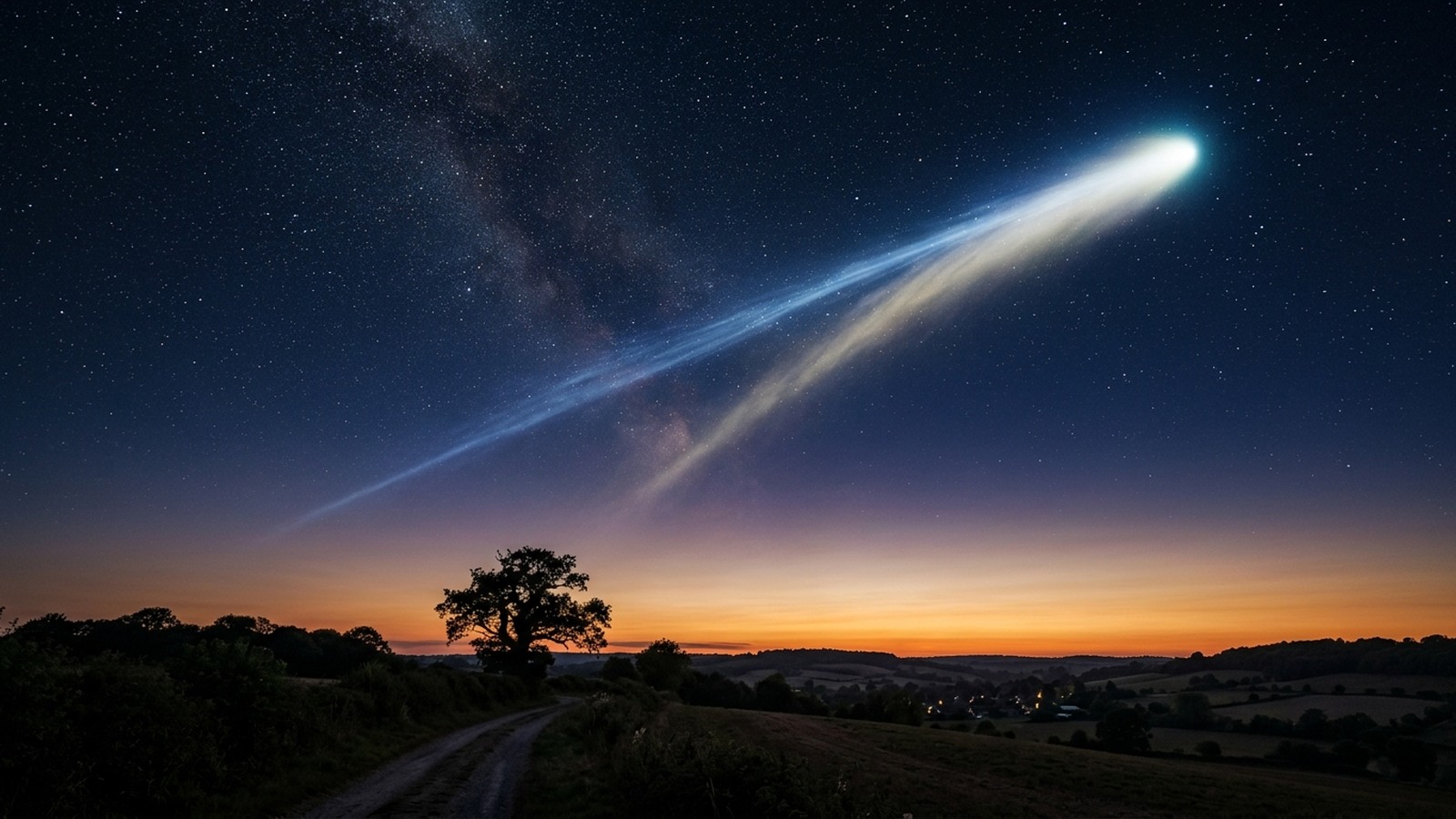
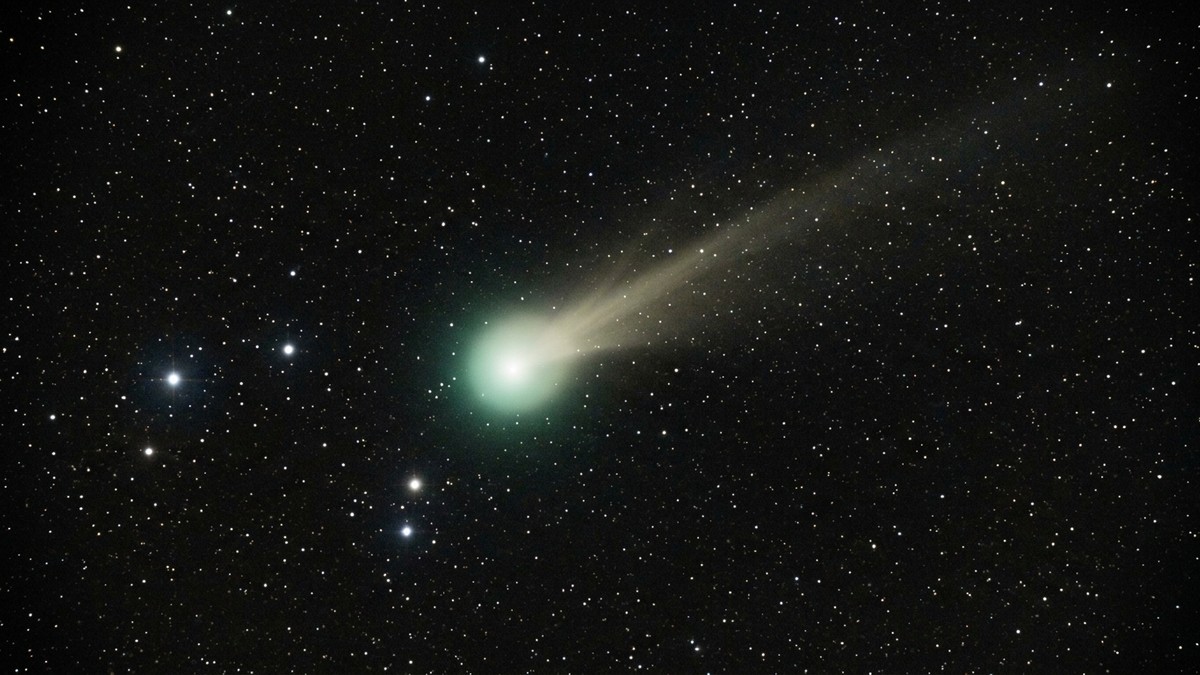
This is the headline act. Comet C/2025 R3 (PanSTARRS) — a long-period comet that hasn't visited the inner Solar System for roughly 170,000 years — is brightening rapidly as it falls toward its closest approach to the Sun (perihelion) on 19 April.
Right now, the comet sits at around magnitude 5 to 6, which means it's already visible in binoculars from a reasonably dark site. By mid-week it could cross the naked-eye threshold. Conservative predictions put the peak brightness at around magnitude 3 — similar to the stars of the Plough — while more optimistic forecasts, boosted by a phenomenon called forward scattering (sunlight streaming through the dust tail at near-perfect geometry), suggest it could reach magnitude −0.5, rivalling Jupiter.
To find it, you'll need to be up early. Look east, about 60 to 90 minutes before sunrise. This week the comet is tracking through the Great Square of Pegasus, sitting roughly 15° above the eastern horizon from southern England. On the mornings of 13 to 15 April, the comet passes close to the galaxies of Pegasus — a lovely binocular sweep. Use a sky app like Stellarium or SkySafari to pinpoint it.
The timing is excellent: the Moon is waning toward New on 17 April, so the predawn sky is about as dark as it gets. If you're only going to set one alarm this week, make it Tuesday 15 April at 04:30 — you'll have dark skies, a well-placed comet, and the better part of an hour before twilight washes it out.
We've published a full observing guide to this comet — read it here for finder charts, photography tips, and the full brightness forecast.
Evening Planets — Venus and Jupiter
Two planets dominate the evening sky this week, and both are unmissable.
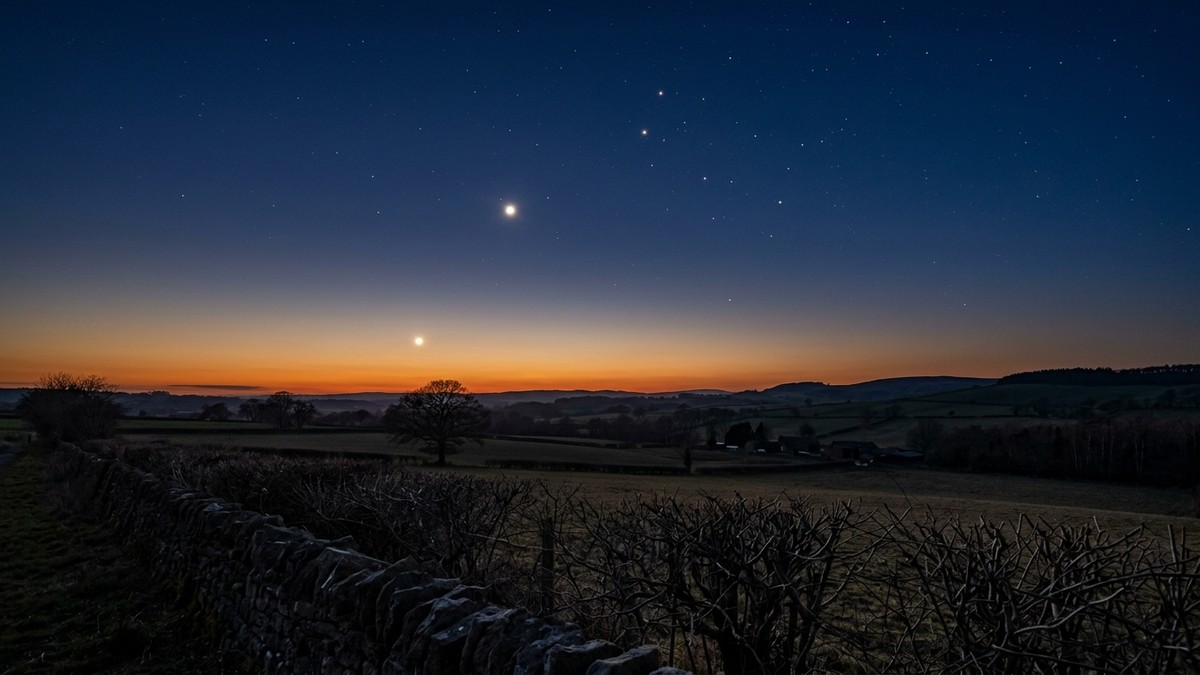
Venus is the first thing you'll notice after sunset — a dazzling white point blazing low in the west, brighter than anything else in the sky. It's visible from about 30 minutes after the Sun sets and stays up for roughly 45 minutes before following the Sun below the horizon. Even a small telescope will show it as a thick crescent phase right now.
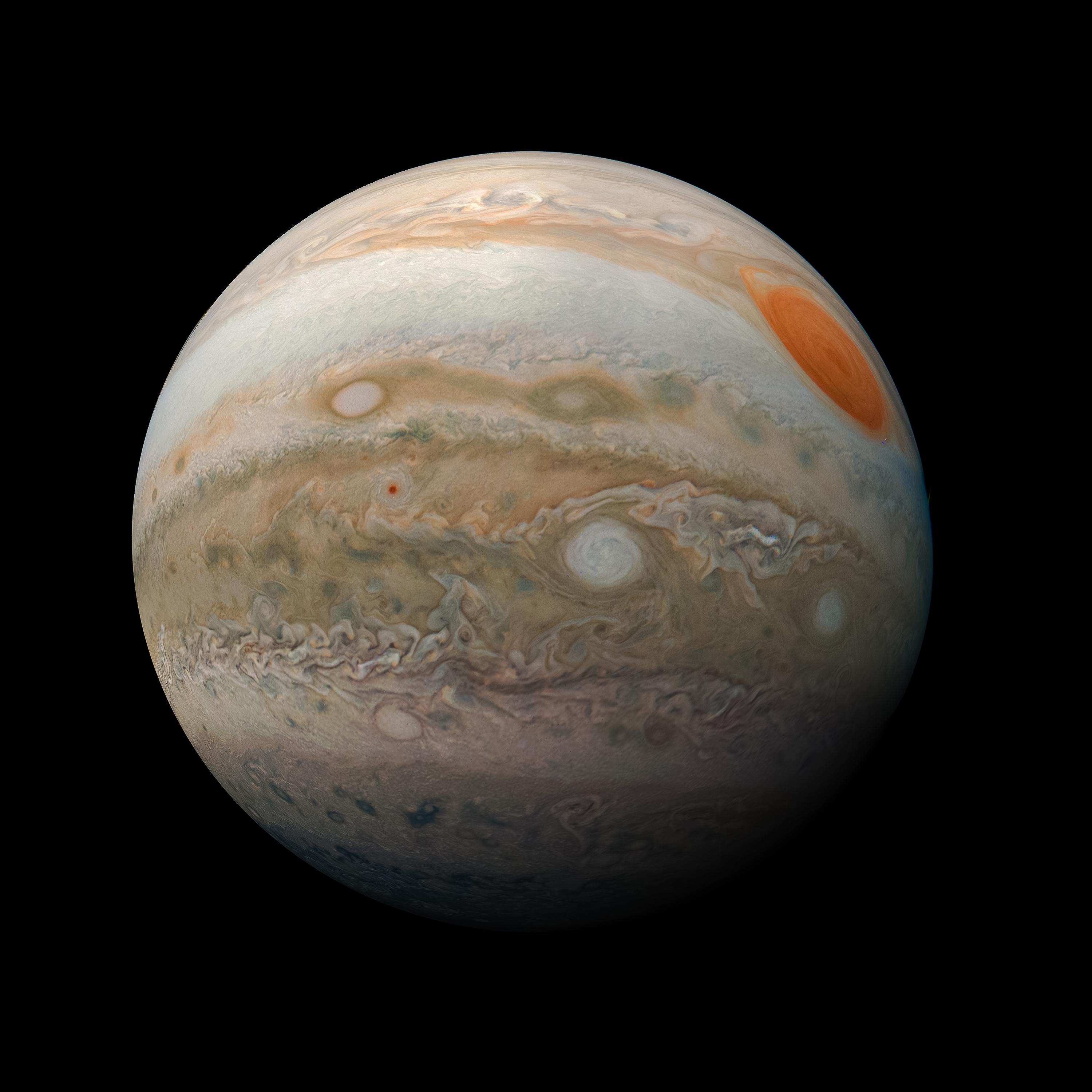
Jupiter sits higher up in the southwest, glowing at magnitude −2.1 in the constellation Gemini, just below the twin stars Castor and Pollux. It's the second-brightest point in the evening sky after Venus, and it doesn't set until the early hours. Binoculars will show you three or four of the Galilean moons lined up like tiny diamonds on either side of the disc. A small telescope at 100× or more will reveal the cloud belts crossing the planet's face — the same view that changed Galileo's understanding of the universe in 1610.
Jupiter is well past opposition now but still rewards observation. Check our full Jupiter guide for 2026 for telescope details and moon transit times.
Pre-Dawn Planets — Saturn, Mars and Mercury
If you're already up for the comet, take a look lower toward the east-southeast. Saturn, Mars, and Mercury are all clustered in the predawn sky this week, though they're a challenge from the UK because they don't climb very high before twilight brightens.
Saturn (magnitude +1.0) is the easiest of the three — a steady yellowish point that doesn't twinkle. Mars (magnitude +1.4, slightly reddish) sits nearby. Mercury is the trickiest, hugging the horizon, but it's at the tail end of a decent morning apparition and worth trying for if you have a flat eastern horizon — a view over the sea or open farmland is ideal.
None of these require any equipment — they're all naked-eye objects. The challenge is simply finding a spot with a clear, unobstructed view to the east-southeast and getting out before the sky gets too bright.
The Lyrid Meteor Shower
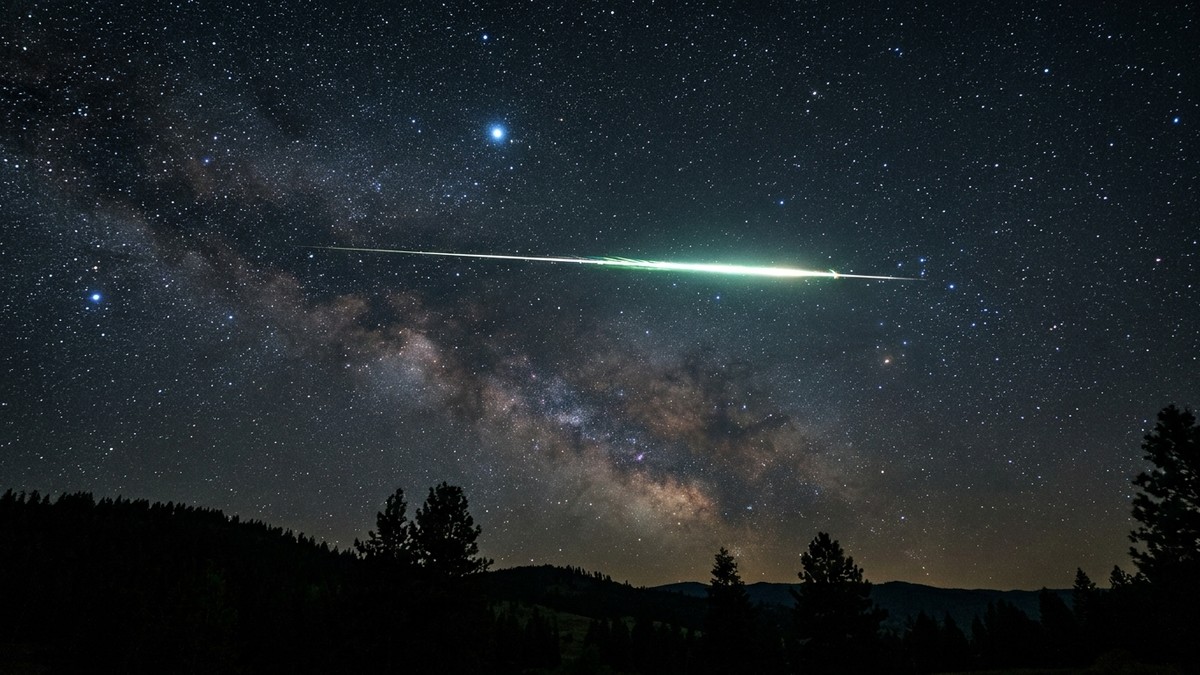
The Lyrid meteor shower becomes active from 16 April and peaks on the night of 22–23 April. This is the oldest recorded meteor shower — Chinese astronomers noted it in 687 BC — and it's produced by debris from Comet C/1861 G1 (Thatcher), which last visited the inner Solar System in 1861 and won't return until 2283.
Under dark skies, the Lyrids produce around 18 meteors per hour at peak, with occasional brighter fireballs that leave persistent trains. They radiate from a point near Vega in the constellation Lyra — the brilliant blue-white star that's almost directly overhead by 2am in mid-April from the UK.
Conditions this year are good. The Moon will be a waxing crescent on peak night, setting well before midnight and leaving the prime hours — midnight to 4am — entirely dark. That's a significant advantage. Last year's Lyrids were partly washed out by moonlight.
No equipment needed. Find a dark location, lie back, and give your eyes 20 minutes to adapt. Face generally northeast but don't fixate on the radiant point — meteors can appear anywhere in the sky. A deckchair, a sleeping bag, and a flask of tea are the only essential kit.
18–19 April — Moon, Venus & the Pleiades
Mark these evenings. On Friday 18 April, look west about 30 to 40 minutes after sunset and you'll see an impossibly thin crescent Moon — less than two days old — sitting just to the right of Venus. The pair will be striking against the twilight.
The following evening, Saturday 19 April, is even better. The slightly thicker crescent Moon will have drifted upward and now sits just above the Pleiades star cluster (the Seven Sisters), with Venus glowing a few degrees below both. Moon, Pleiades, and Venus in a single binocular field — it's one of those groupings that makes you stop and stare.
This is a superb target for smartphone photography. Modern phones in night mode can capture the crescent Moon, Venus, and a hint of the Pleiades in a single frame. Use a tripod or lean your phone against something solid, point at the western horizon, and let the night mode do its work. A wider landscape composition — silhouetted trees, a church steeple, a coastline — will make the image.
Your Observing Checklist for the Week
Here's a quick summary of what to look for and when:
Sunday 13 – Tuesday 15 April (predawn): Comet PanSTARRS in binoculars — east, 60–90 min before sunrise, in Pegasus. Best mornings of the week: dark skies, well-placed comet. Set an alarm for 04:30.
Every evening this week: Venus (west, low, dazzling) and Jupiter (southwest, high, in Gemini). Both naked-eye. Telescope on Jupiter for cloud belts and moons.
Thursday 17 April: New Moon — the darkest night of the month. Perfect for deep-sky observing, binocular sweeps, or simply enjoying the Milky Way if you're somewhere rural.
Friday 18 April (evening): Razor-thin crescent Moon beside Venus in the west after sunset. Bring a camera.
Saturday 19 April (evening): Crescent Moon above the Pleiades with Venus below — the week's best photo opportunity.
From Wednesday 16 April onward: Lyrid meteors begin. Peak night is 22–23 April. Best after midnight, face northeast, no equipment needed.
Clear skies.