Key Takeaways
- Artemis II splashes down tonight at 8:07 p.m. EDT (1:07 a.m. BST) in the Pacific Ocean off San Diego
- Orion will hit the atmosphere at 24,000 mph and endure temperatures up to 2,760°C — the ultimate test of its heat shield
- NASA redesigned the reentry trajectory after Artemis I heat shield damage — tonight is the first crewed test of the new approach
- Service module separates at 7:33 p.m. EDT, six-minute plasma blackout begins at 7:53 p.m., parachutes deploy at 8:03 p.m.
- The mission's success clears the path for Artemis III — the first crewed Moon landing since 1972
📑 Table of Contents
Tonight's Full Timeline
Ten days ago, four astronauts climbed into the Orion spacecraft and left the Earth. Tonight, they come home — riding a fireball.
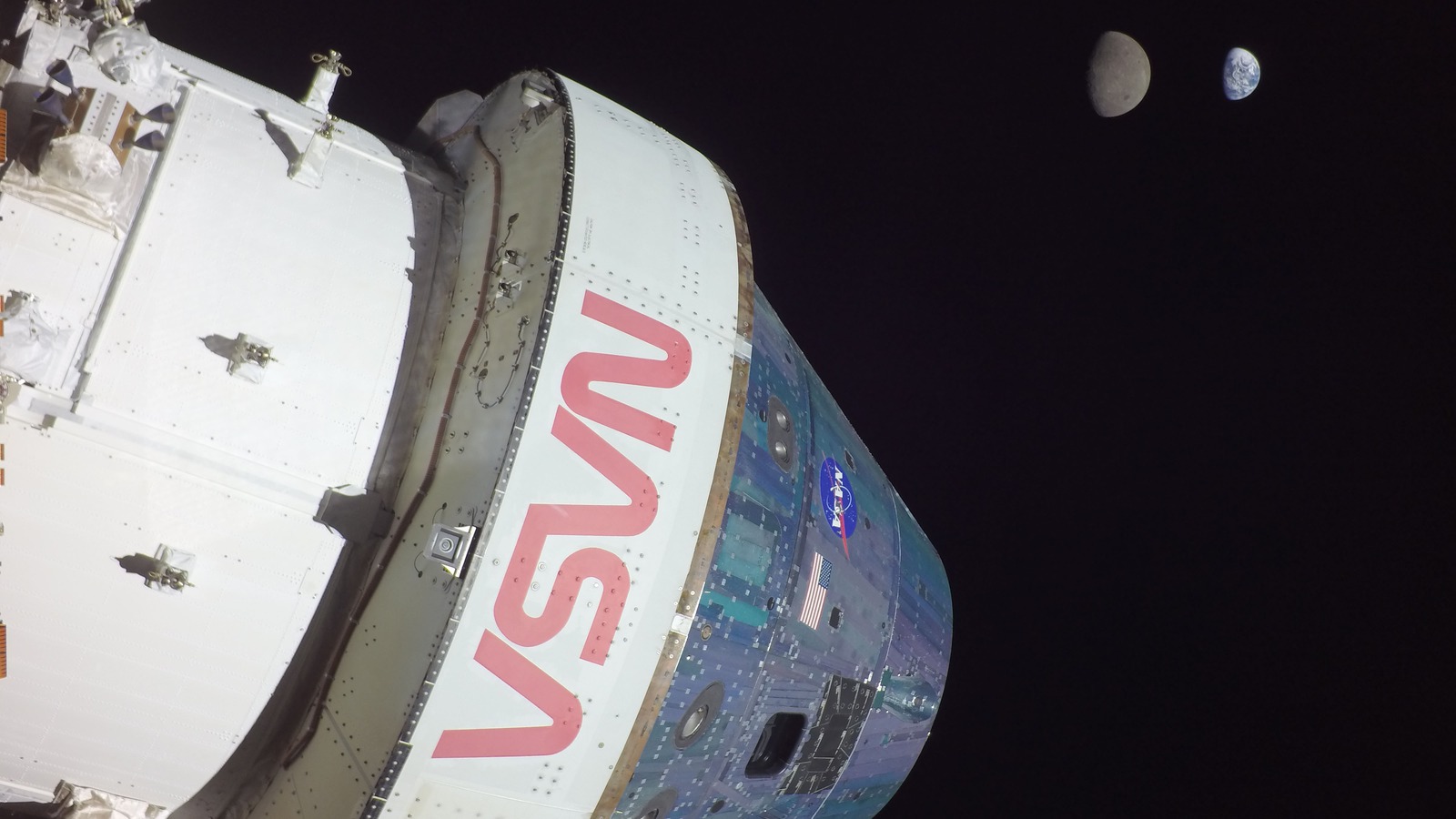
NASA's Artemis II mission is entering its final hours. Commander Reid Wiseman, pilot Victor Glover, mission specialists Christina Koch and Jeremy Hansen are preparing for the most dangerous phase of the entire flight: slamming back into the atmosphere at 24,000 mph after travelling further from Earth than any human beings in history.
Here is the full reentry and splashdown timeline in EDT and BST:
7:33 p.m. EDT / 12:33 a.m. BST — Service module separation. The European-built propulsion module that carried Orion to the Moon and back is jettisoned and will burn up in the atmosphere. From this moment, there is no turning back.
7:37 p.m. EDT / 12:37 a.m. BST — Crew module raise burn. Orion fires its small reaction control thrusters to fine-tune its entry angle.
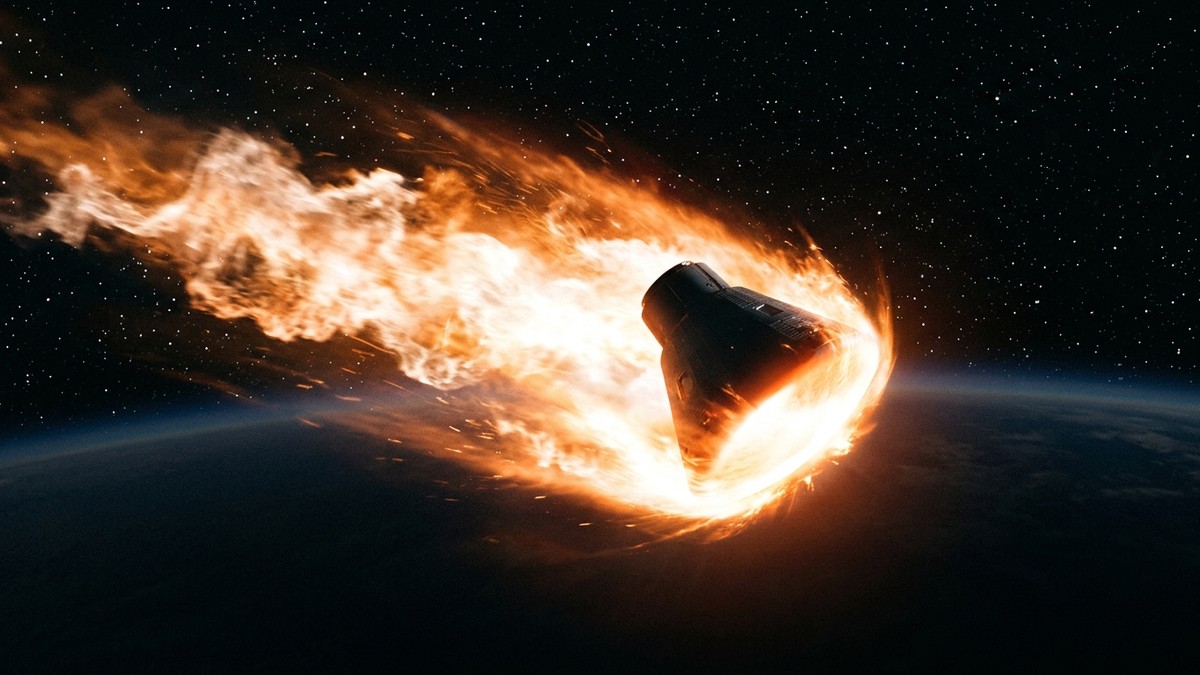
7:53 p.m. EDT / 12:53 a.m. BST — Entry interface. Orion hits the top of the atmosphere at 400,000 feet, travelling at nearly 24,000 mph. Superheated plasma — ionised gas at thousands of degrees — envelopes the capsule. All radio signals are blocked. A planned six-minute communications blackout begins.
~7:59 p.m. EDT / ~12:59 a.m. BST — Signal reacquisition. If the heat shield has held, Mission Control will hear from the crew again.
8:03 p.m. EDT / 1:03 a.m. BST — Drogue parachutes deploy at 22,000 feet, stabilising the capsule.
8:04 p.m. EDT / 1:04 a.m. BST — Three main parachutes deploy at 6,000 feet — each 116 feet in diameter — slowing Orion from over 300 mph to roughly 20 mph.
8:07 p.m. EDT / 1:07 a.m. BST — Splashdown in the Pacific Ocean, approximately 100 miles off the coast of San Diego.
The Heat Shield Gamble
By NASA's own admission, this is the riskiest part of the entire mission — and the most important engineering test Artemis II was designed to perform.
Orion's heat shield is the largest ever flown on a crewed spacecraft: 16.5 feet in diameter, made of AVCOAT, an ablative material that chars and erodes away to absorb the heat of reentry. During Artemis I in 2022 (an uncrewed test flight), engineers were alarmed to discover that chunks of the heat shield had broken away during descent. The root cause, identified in December 2024, was a permeability problem: gases became trapped inside the decomposing AVCOAT during a phase of the Artemis I reentry when external temperatures dropped but internal layers were still superheated. The pressure built up with nowhere to go, and the material fractured.
NASA chose not to rebuild the shield. Instead, they redesigned how Orion enters the atmosphere.
Artemis I used a pronounced skip entry: the spacecraft bounced off the upper atmosphere, cooled in the vacuum of space, and then re-entered a second time. That temperature cycling is what caused the gas-trapping problem. Artemis II will use a modified lofted entry — a gentler, more continuous descent that keeps the heat shield at sustained high temperatures throughout, maintaining the permeability of the outer char layer so that trapped gases can escape naturally.
It's the first time this trajectory has been flown with a crew aboard. Engineers expect some char loss, but not to the degree seen on Artemis I. Tonight, we find out if they were right.
What the Crew Said on the Way Home
The five-day coast back from the Moon has given the crew time to reflect — and some of their words during the return journey have been remarkable.
Pilot Victor Glover, asked about the 40-minute communications blackout behind the Moon on Flight Day 6, said: "I took a brief moment to say a short prayer of gratitude for being sent on this mission and trusted with bringing back scientifically relevant information." He added: "It doesn't change it — it absolutely reaffirms that we live on a fragile planet in the vacuum of space."
On the subject of tonight's reentry, Glover was characteristically direct: "Riding a fireball through the atmosphere is profound as well."

Commander Reid Wiseman shared one of the most emotional moments of the mission: he named a lunar crater in honour of his late wife, Carroll. He described it as "kind of the pinnacle moment of the mission for me" — a moment that left the entire crew in tears.
These are not the stoic, by-the-numbers astronauts of the Apollo era. They are open, emotional, articulate — and tonight they are staking their lives on a heat shield that surprised engineers the last time it was tested.
Recovery at Sea
Assuming all goes to plan, recovery begins immediately after splashdown.
The USS John P. Murtha (LPD-26), a San Diego-based amphibious transport dock, is already in position approximately 100 miles off the California coast. The Murtha has the well deck, helicopter pad, medical facilities, and communications suite needed for the operation.
MH-60S Sea Hawk helicopters from Helicopter Sea Combat Squadron 23 (the "Wildcards"), based at Naval Air Station North Island in San Diego, will track Orion through the atmosphere and be overhead within minutes of splashdown. Navy divers will deploy an inflatable "front porch" platform beneath Orion's side hatch. One by one, the four crew members will exit the capsule, be hoisted into the helicopters, and flown to the Murtha for medical evaluation.
NASA expects the crew to be aboard the recovery ship within two hours of splashdown. From there, they will travel to shore and board an aircraft bound for NASA's Johnson Space Center in Houston for debriefing and extended medical monitoring.

What This Mission Proved
Artemis II was never about landing on the Moon. It was about proving that every element of the system — the SLS rocket, the Orion spacecraft, the life support, the deep-space communications, the heat shield — works with a crew on board.
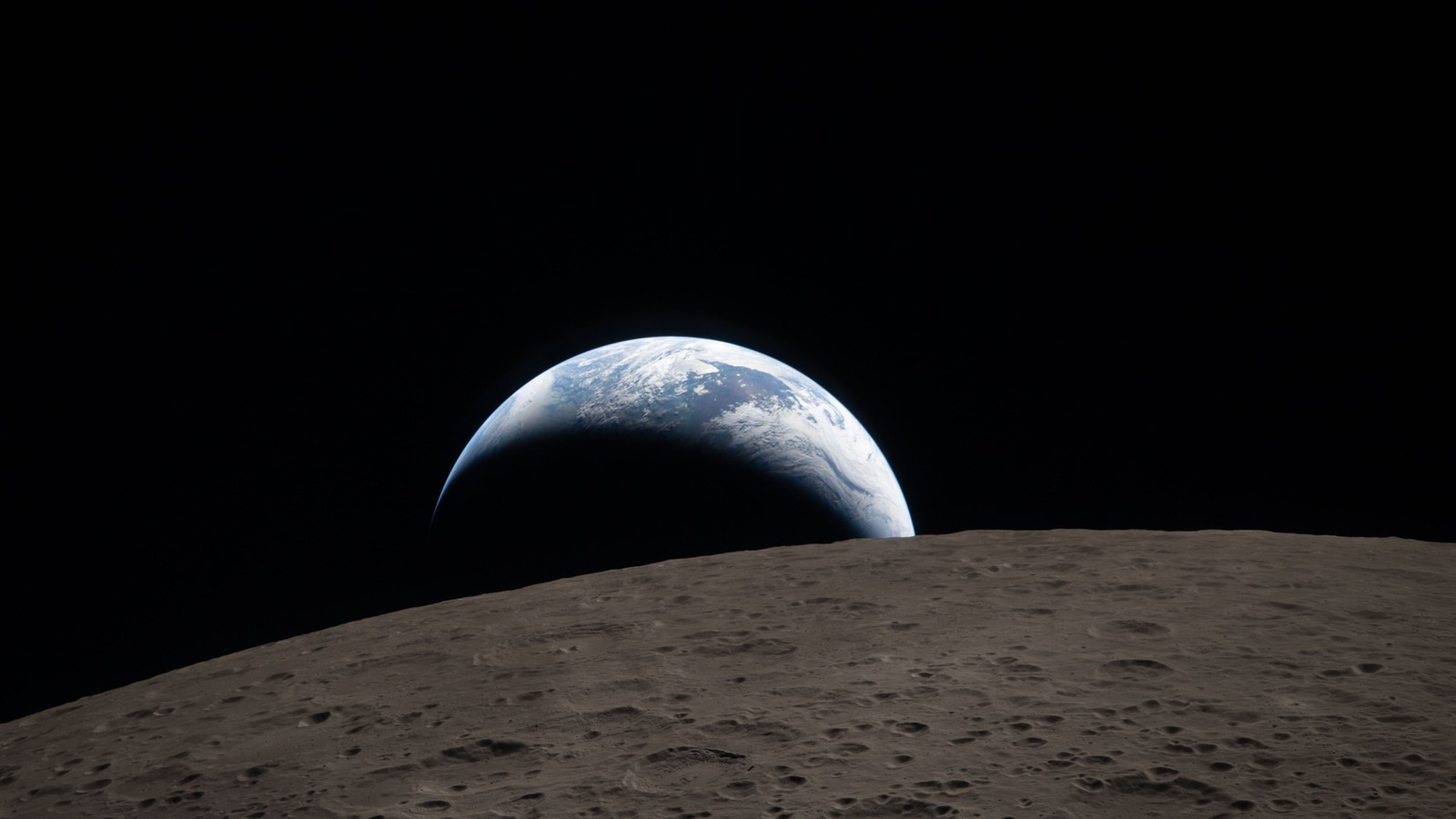
The numbers tell the story. 248,655 miles from Earth — a new human distance record, breaking Apollo 13's mark from 1970. 4,070 miles above the lunar surface — the closest humans have been to the Moon since Apollo 17 walked on it in December 1972. A 54-minute total solar eclipse witnessed from lunar orbit. Earthrise photographed with modern digital cameras for the first time. And a reentry trajectory redesigned from scratch after the Artemis I heat shield anomaly.
If tonight goes as planned, NASA will have proven the entire round trip — and the path to Artemis III will be clear. That mission will use the same SLS and Orion, paired with SpaceX's Starship Human Landing System, to put the first woman and first person of colour on the lunar surface near the South Pole.
For the first time in 54 years, humans went to the Moon and came home. Tonight, if the heat shield holds, the last page of this chapter gets written.
How to watch: NASA TV, YouTube, NASA+, Amazon Prime Video, and Netflix. Coverage begins at approximately 6:00 p.m. EDT / 11:00 p.m. BST.