The 1976 Tehran UFO Incident
Case Summary
What Happened
Shortly after midnight on 19 September 1976, the Imperial Iranian Air Force command post in Tehran began receiving calls from civilians reporting a bright, rapidly moving object in the sky over the city. The calls came from multiple independent locations. Brigadier General Yousefi, the assistant deputy commander of operations, went outside his house, looked up, and saw it himself.
Yousefi ordered a single F-4 Phantom II scrambled from Shahrokhi Air Force Base to investigate. The pilot locked on to the object on radar from 70 miles out. It was brilliant, as bright as a star, but clearly much closer, and it was moving. As the F-4 closed to within 25 nautical miles, all of the aircraft's instrumentation and communications failed simultaneously.
The pilot turned back. The moment he broke off his approach, his instruments and radios restored to full function.
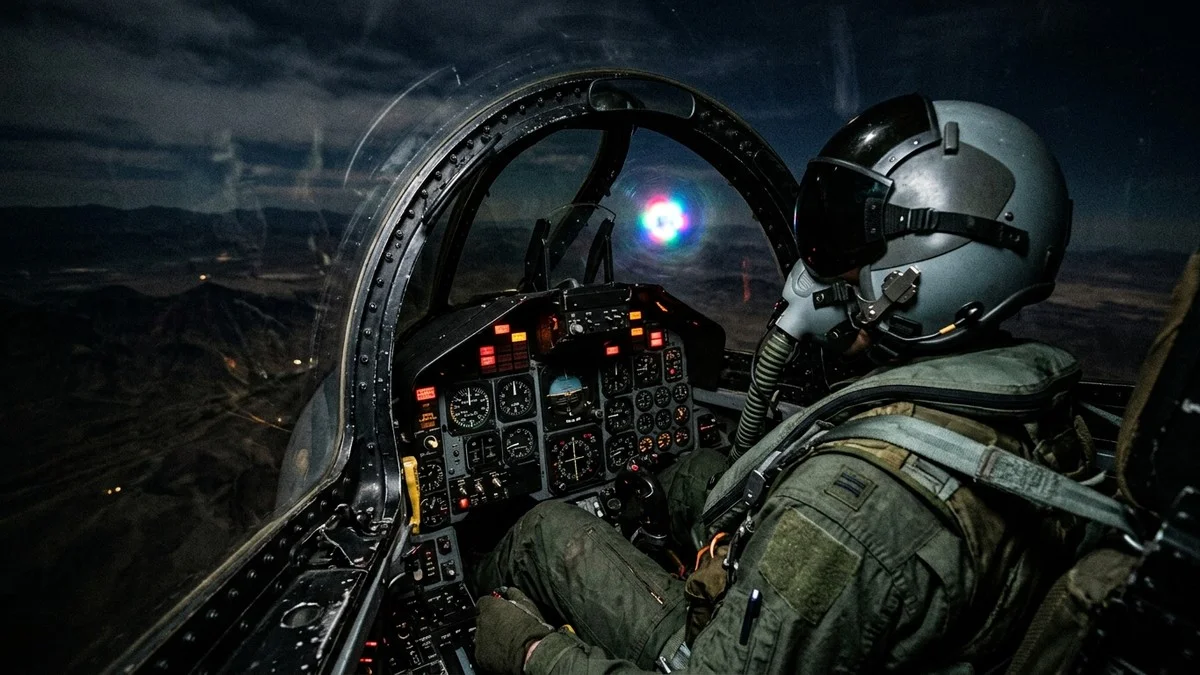
A second F-4 was immediately scrambled with a more experienced crew: the aircraft commander was Lieutenant Parviz Jafari, who would later rise to the rank of General. This aircraft acquired the object on radar: it returned a signal the size of a Boeing 707 tanker aircraft. The crew reported brilliant, rapidly strobing lights cycling through red, green, blue and orange at high speed.
The Intercept
As Jafari's F-4 closed on the target, a second, smaller object detached from the main body and accelerated directly toward the aircraft in what the crew described as a head-on attack profile. Jafari instinctively reached for the fire control to launch an AIM-9 Sidewinder missile.
His weapons control panel went completely dead. Simultaneously, all communications failed again. He rolled hard into a defensive turn and dove toward lower altitude. The smaller object followed for several miles before reversing course and returning to the main craft.
Jafari and his weapons systems officer noted that the object was glowing so intensely they could read their instruments by its light, at altitude, in the dark, from a distance.
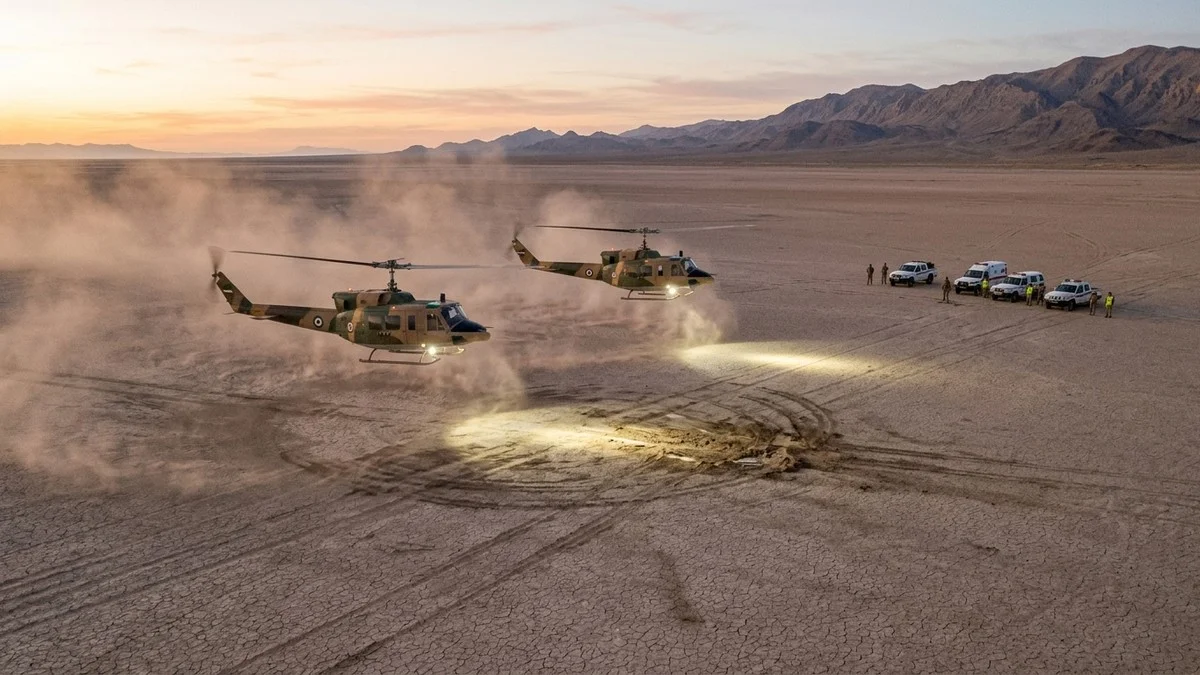
A second smaller object then detached from the main craft and descended toward the ground. The crew watched it descend slowly and come to rest, apparently landing, near a dry lakebed south of Tehran, in the vicinity of Sharifabad. The object cast a bright glow over a wide area as it settled.
The Timeline in Full
The DIA Document
What makes the Tehran incident uniquely significant in UAP research is not just what the crews experienced. It's what the United States government said about it.
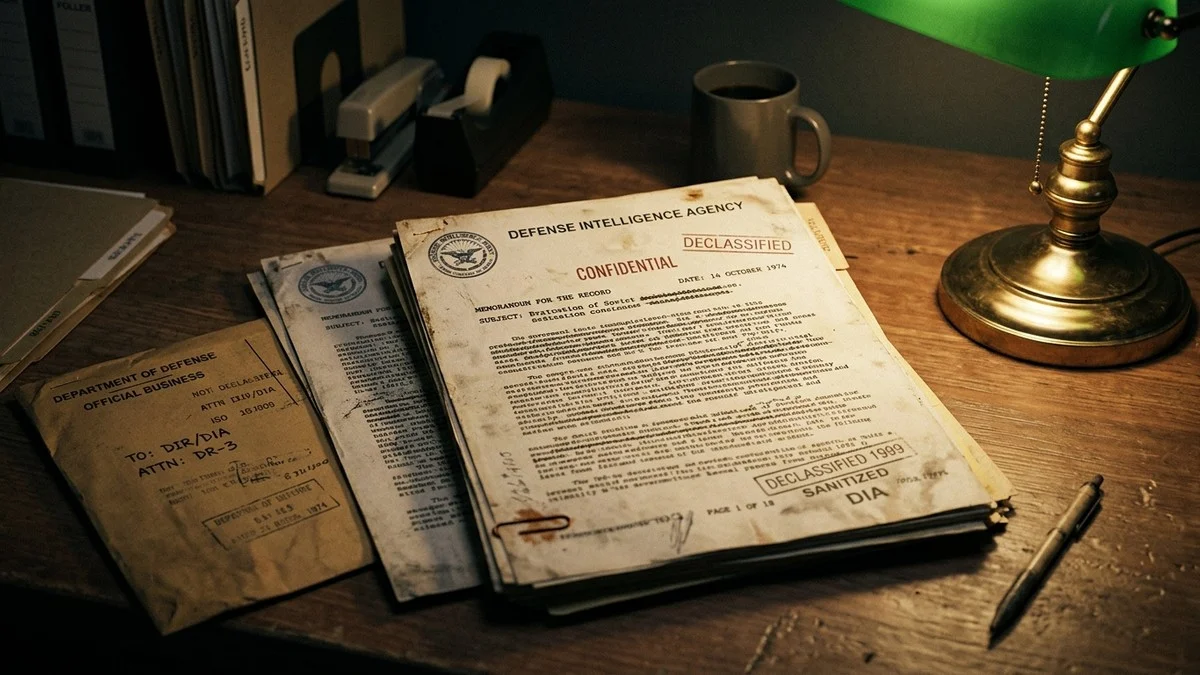
US military attachés in Iran interviewed the aircrew and filed an Intelligence Information Report to the Defense Intelligence Agency in Washington. The report was distributed to the Secretary of State, the Central Intelligence Agency, the White House, the National Security Agency, and the Chiefs of the Air Force, Army and Navy.
At the bottom of the DIA report, an intelligence analyst evaluated the case on four separate criteria. Each received the highest possible rating.
The document was classified at the time of writing. It was released under the Freedom of Information Act on 31 August 1977. The routing slip alone confirms it went to the highest levels of the US government.
📄 Primary Source Documents
The following documents relate to the 1976 Tehran incident and are in the public domain, having been declassified and released by the US government under FOIA. The NICAP report below is a contemporaneous 1976 account by the National Investigations Committee on Aerial Phenomena, based on direct interview access to the Iranian aircrew and US military attachés.
The Witnesses
The Instrument Failures: What Makes Them Significant
Equipment failures on aircraft are not unusual. What distinguishes the Tehran incident is the pattern: both aircraft experienced complete, simultaneous failure of all instrumentation and communications at close range. Both aircraft restored to full function the instant they turned away.
This pattern (failure on approach, restoration on withdrawal) was consistent across both crews on the same night. It rules out coincidental mechanical failure, which would not respond to aircraft heading. The effect is consistent with a directional electromagnetic field of extraordinary intensity, operating at close range.
Additionally, a civilian Boeing 737 in the area reported losing communications at the same time as the second intercept. The air traffic control tower at Mehrabad Airport also experienced instrument difficulties during the event.
Conventional Explanations Considered
The most commonly proposed explanations are astronomical misidentification (Jupiter was bright that night and visible in the right general direction), or a combination of a bright planet, meteor activity, and coincidental equipment failures. The DIA's own analyst considered these explanations and found them inadequate: specifically noting that the radar return, the directional nature of the equipment failures, the appearance of sub-objects, and the ground landing could not be accounted for by any single conventional cause. The fact that both independent crews experienced identical failures in identical circumstances makes coincidence statistically very unlikely. No conventional explanation has been officially accepted.
Why This Case Matters
The Tehran incident stands apart from most UAP reports for a specific reason: it was officially evaluated by US government intelligence professionals, who concluded it was genuine and unexplained, and said so in writing, in a classified document, that was distributed to the highest levels of the US government.
This wasn't a civilian sighting that got filed and forgotten. It went to the White House. It went to the CIA director. It went to the Joint Chiefs. And the analyst who reviewed it wrote, in plain language, that it was "a classic which meets all the criteria necessary for a valid study of the UFO phenomenon."
That phrase, written in 1976 by a serving DIA intelligence officer, is one of the most remarkable sentences in the declassified UAP record. Not because it proves anything about what the object was. But because it proves that the US government, at the highest levels, took cases like this seriously enough to document them, classify them, distribute them, and ultimately, eventually, release them.
See it before your instruments fail
Kit we've tested and reviewed in full
The Tehran crews lost their gauges before they got a proper look. Binoculars need no power and no warm-up, just point and watch.
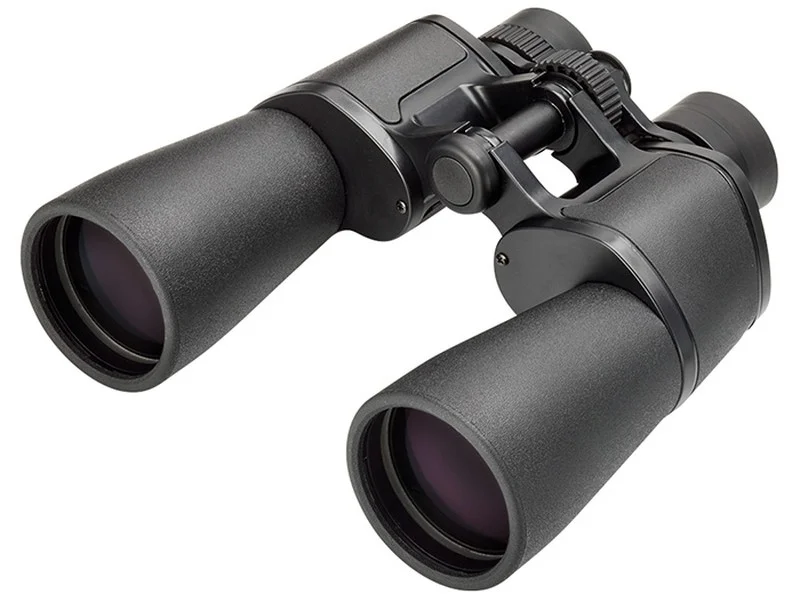
Bright and quick to aim, enough to pick out shape and lights on anything unusual crossing the night sky.
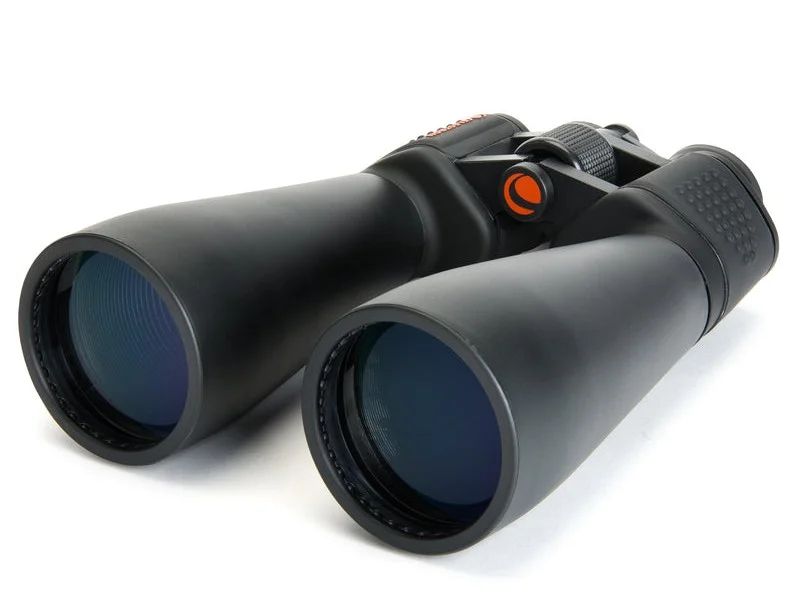
Extra aperture for anything holding station far off, closer to what a pilot's own eyes would need to see.
Affiliate links: you pay the same price, we earn a small commission that helps keep WatchTheStars free.
More UAP cases
- Apollo 17's Unknown CompanionTranslunar Coast · 9 December 1972 · Mission Elapsed Time 02:18:47
- The Chupa-Chupa AttacksSeptember–December 1977 · Colares, Vigia & the Pará coast · Status: Documented, Unexplained
- The RB-47 Encounter: 700 Miles, Three Sensors, No ExplanationMississippi → Texas → Oklahoma → Kansas · 17 July 1957 · ~0200–0340 CST
- Operação PratoOctober–December 1977 · Colares, Pará, Brazil · Status: Files Released
- RAF Lakenheath: The Night Britain's Air Defences FailedSuffolk, England · 13–14 August 1956 · 2130–0330 hrs
- The 1978 Amazon Pilot Encounters6 & 28 November 1978 · Amazon airspace, Brazil · Status: In the Official Records