Equipment guides · Prices checked 18 September 2026
Best telescopes, binoculars and astronomy gear for UK stargazers
WatchTheStars reviews astronomy equipment for UK stargazers: telescopes, binoculars, smart telescopes, cameras, mounts, eyepieces and accessories. Every pick is stocked by UK specialist retailers (mainly First Light Optics), priced live from our product data, and chosen from hundreds of UK owner reports rather than a press release. Start with your budget, or browse by category.
What is the best astronomy kit under £100, £250 and £600?
One answer per budget. Each links to the full review; prices are checked against First Light Optics.
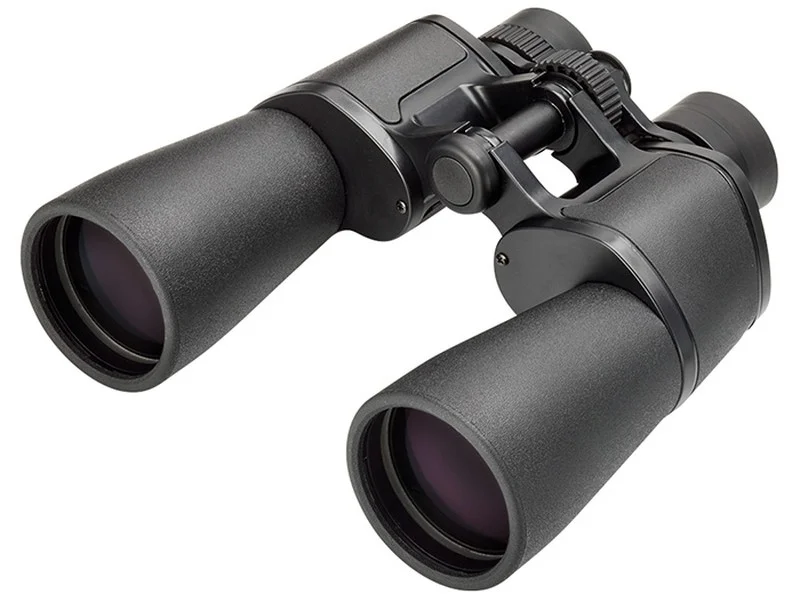 Under £100Best binoculars under £100: Opticron Adventurer 10×50, £84The binoculars we point most UK beginners to first. They show the Moon's craters, Jupiter's moons and the big star clusters, with nothing to set up.
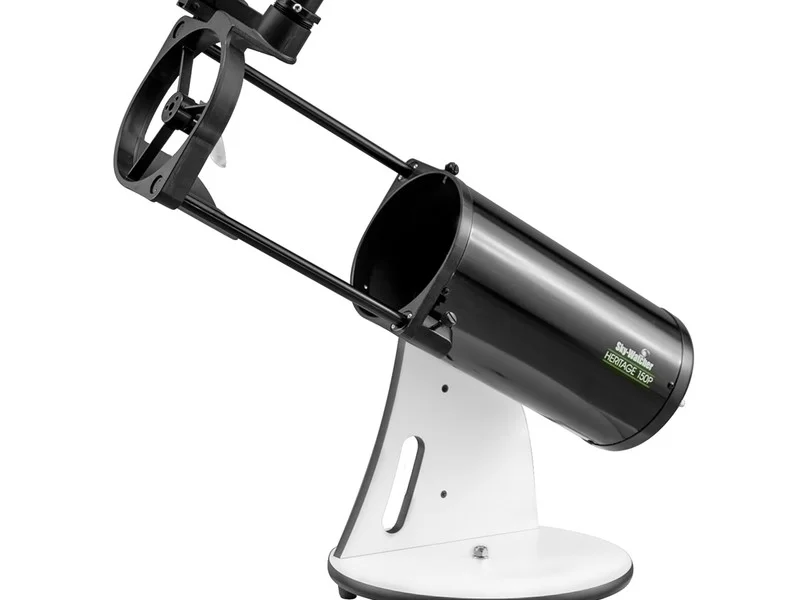 Under £250Best telescope under £250: Sky-Watcher Heritage 150P, £249Editor's choice first telescope. Six inches of aperture on a tabletop Dobsonian, no alignment, no power. The 130P at £194 is the pick under £200.
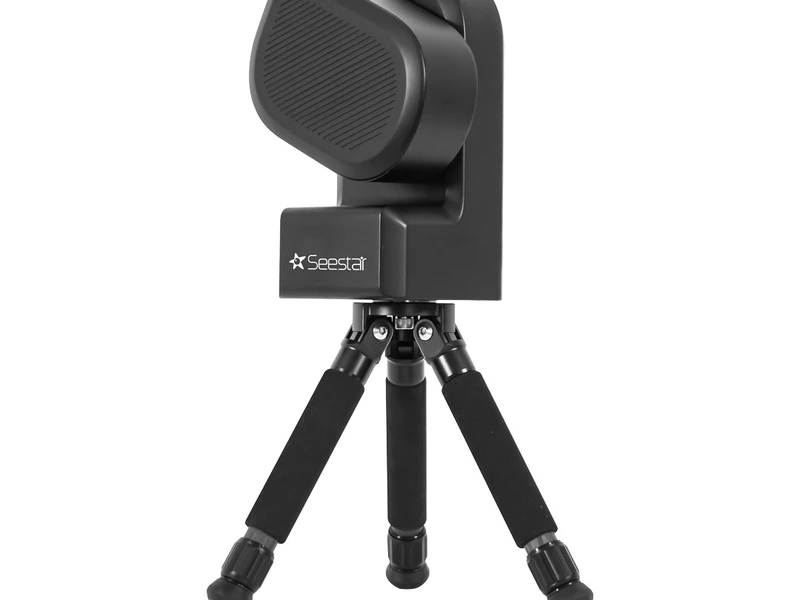 Under £600Best smart telescope under £600: ZWO Seestar S50, £539Nebula and galaxy photos from a town garden on night one. The Dwarf 3 at £459 is the close rival; see the head-to-head below.
Torn between the two smart telescopes? Our Seestar S50 vs Dwarf 3 comparison goes target by target. Under £200 for a telescope, the Heritage 130P at £194 is the pick.
Some links in our equipment guides are affiliate links (First Light Optics). If you buy through them we may earn a small commission at no extra cost to you. It never changes what we recommend; see how we research.
Browse by category
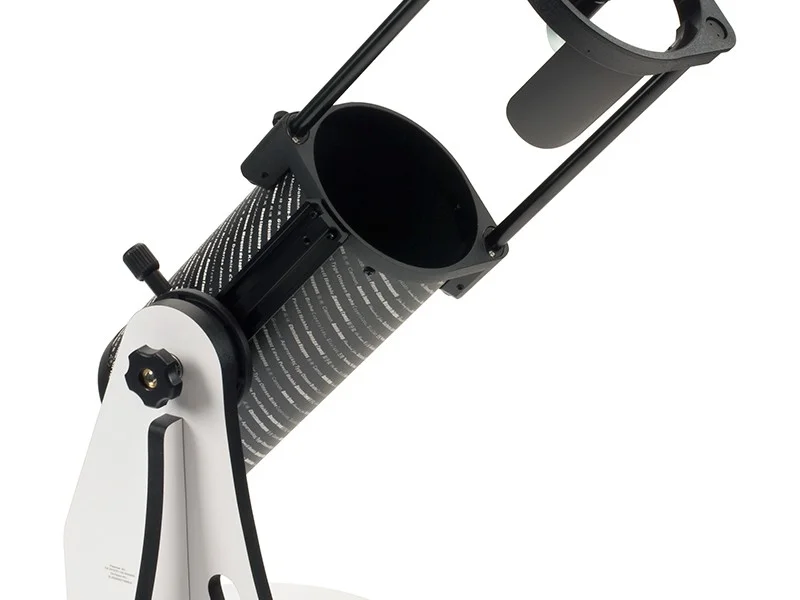 Telescopes
Best beginner telescopes UK
Our first pick: Sky-Watcher Heritage 130P Seven picks ranked, 12 reviews →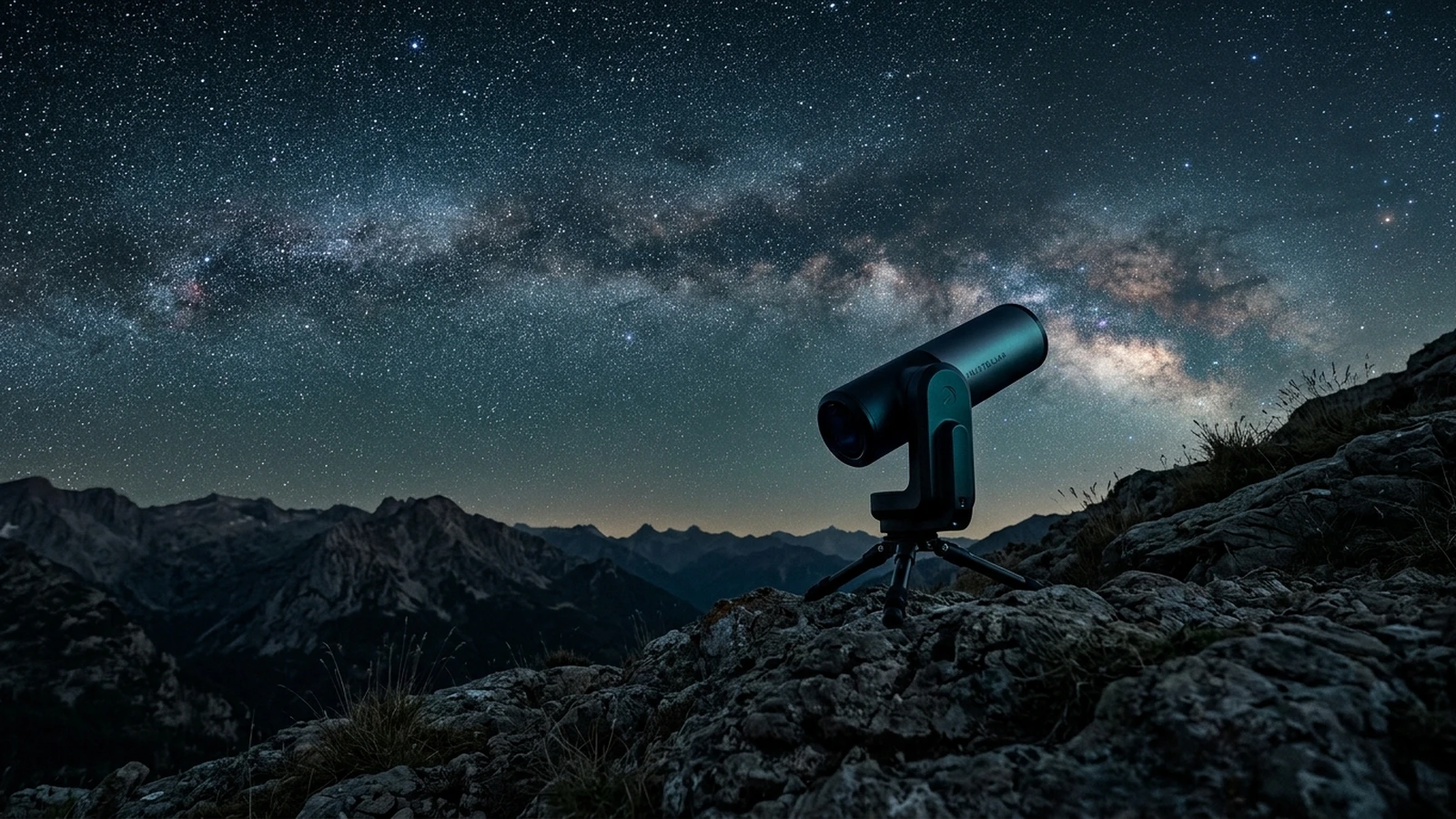 Smart telescopes
Best smart telescopes
Our first pick: ZWO Seestar S50 Seestar vs Dwarf 3 head to head →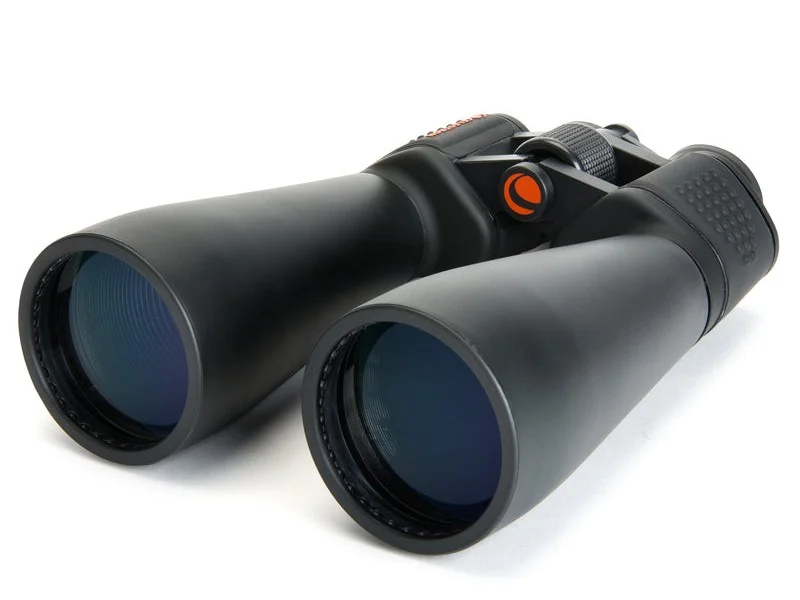 Binoculars
Best binoculars for stargazing
Our first pick: Opticron Adventurer 10×50 Five picks from £35 →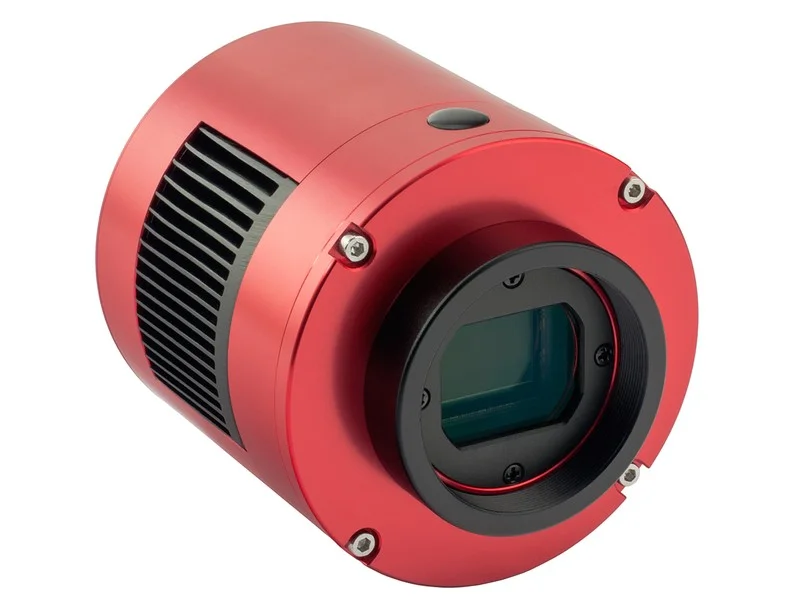 Cameras
Best astrophotography cameras
Our first pick: ZWO ASI662MC Colour Planetary Camera Phone adapters to cooled cameras →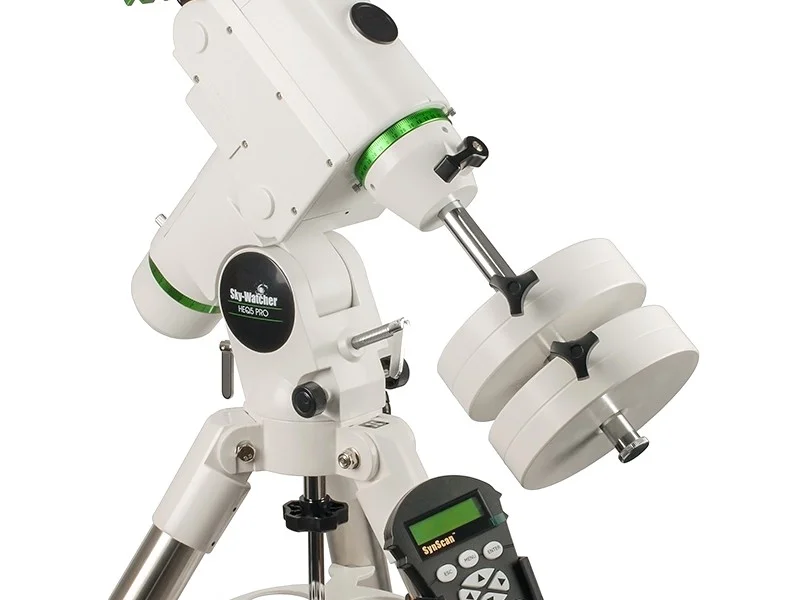 Mounts
Telescope mounts and star trackers
Our first pick: Sky-Watcher Star Adventurer 2i Trackers to the HEQ5 Pro →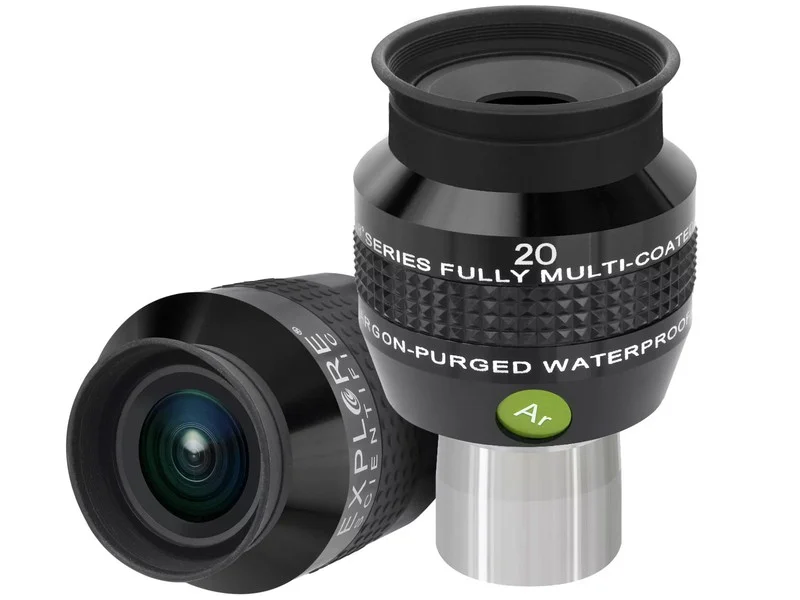 Eyepieces
Best eyepieces and Barlows
Our first pick: BST StarGuider 60° 8mm ED What to buy first →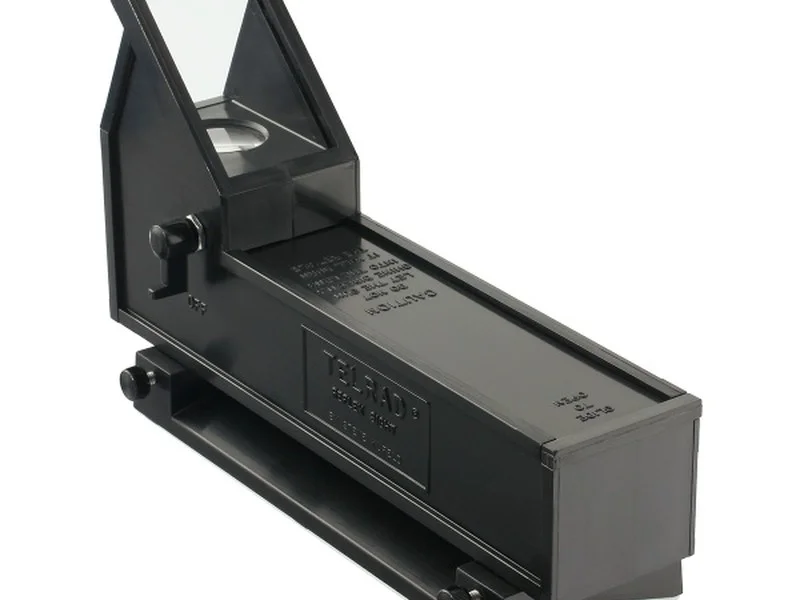 Accessories
Filters, finders, dew control
Our first pick: Astro Essentials ND96 Moon Filter Small things that matter →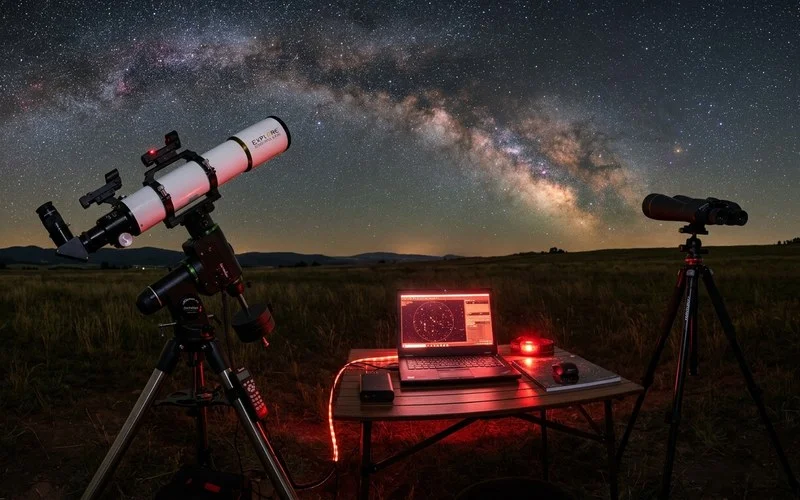 Complete setups
Everything in one list
Binoculars to a full imaging rig Six kits, £155 to £5,260 →Complete setups by budget
Not sure what goes with what? Each setup pairs a telescope or binocular with every accessory it needs: one page, nothing left unmade. Totals are as stated on each setup page.
What should a beginner buy first?
Nothing, for the first few nights. The Moon, five planets and the brightest constellations need no equipment at all, and learning the sky with your eyes makes every later purchase more useful; our stargazing for beginners guide covers those first nights. After that, the order that works for most people is a pair of 10×50 binoculars (about £84), then a tabletop Dobsonian (£194 to £249), then one good eyepiece (about £55), which improves the view more than any other upgrade. Only then think about tracking mounts and cameras, because astrophotography is a second hobby with its own bill.
Telescope or binoculars?
Binoculars, for most people, and for a reason that surprises beginners: they show more of the sky. A 10×50 pair frames the whole Pleiades or a sweep of the Milky Way, needs no setup and lives in a coat pocket. A telescope wins the moment you want Saturn's rings, Jupiter's cloud belts or crater detail on the Moon, which is where binocular astronomy runs out. Plenty of experienced observers keep both, and use the binoculars more.
How we research our guides
We don't pretend to have used every product on this page. What we do is synthesise hundreds of hours of real-world feedback from the UK astronomy community, forum threads, YouTube hands-on reviews, owner reports and expert roundups, into clear, honest recommendations for UK buyers.
Where our recommendations draw on community experience rather than first-hand testing, we say so. Where a product has a known weakness, we flag it. We'd rather talk you out of something that's wrong for you than earn a commission on it. Prices on this site are held in one product file and checked against First Light Optics; the date at the top of the page is when they were last verified.