Dark sky sites near me: UK map and postcode search
This map holds 62 UK dark sky sites: 2 International Dark Sky Sanctuaries, 7 Reserves, 7 Parks, 7 Dark Sky Communities, 26 Discovery Sites, 6 public observatories and 7 popular stargazing spots inside or near them. Enter a postcode to see the nearest eight with distance and Bortle rating, or browse every site by nation below.
Find dark sky sites near you
62 sites on the map. Enter a postcode to rank them by distance from you.
Driving times are rough estimates. Distances are straight-line. City observatories under bright skies (Bortle 7+) only appear under the Observatories filter. Check access and opening before you travel; most Discovery Sites are simple car parks with no facilities.
Where is the darkest sky in the UK?
The darkest skies in the UK are Bortle 1 to 2: Ynys Enlli (Bardsey Island), Loch Trool, Isle of Rum, North Ronaldsay, Coll, Sark. Two of those, Ynys Enlli and the Isle of Rum, are International Dark Sky Sanctuaries. On the mainland the areas with the least light pollution are Galloway Forest Park, Northumberland and Kielder, the Elan Valley and Exmoor, all Bortle 2 to 3. Every site on the map, by nation:
Designations are as listed on DarkSky International's register; Bortle ratings are typical for the site on a clear moonless night.
What is the difference between a Dark Sky Sanctuary, Reserve and Park?
A Dark Sky Sanctuary is the darkest and most remote tier, a Dark Sky Reserve is a dark core of at least 700 km² protected by a buffer zone where lighting is managed, and a Dark Sky Park is publicly accessible land meeting the same brightness standard with no minimum size. The UK has 2 Sanctuaries, 7 Reserves and 7 Parks.
DarkSky International, the non-profit formerly known as the International Dark-Sky Association (IDA), certifies places that meet strict criteria for limiting light pollution and protecting the natural night environment. Three tiers matter most to UK skywatchers: Dark Sky Sanctuaries, Dark Sky Reserves and Dark Sky Parks. They are not interchangeable, and the difference comes down to how remote a place is and how it is structured.
Certification is not easy to get. Areas have to show they have adopted lighting rules that limit upward light spillage, educated local communities about dark sky values, and can prove genuinely dark conditions with Sky Quality Meter (SQM) readings. Once certified, sites are reassessed periodically to make sure standards hold.
The UK's two Dark Sky Sanctuaries: Ynys Enlli and the Isle of Rum
Ynys Enlli (Bardsey Island), two miles off the tip of the Llŷn Peninsula in north-west Wales, was certified on 23 February 2023, becoming the first Dark Sky Sanctuary in Europe. The island took four years of night-sky monitoring to qualify. The Isle of Rum in the Inner Hebrides followed in 2024: a National Nature Reserve with a few dozen residents, reached by ferry from Mallaig, and Bortle 1 on a clear night.
There is no street lighting on Enlli and no mainland glow to speak of once you are on the water. On a clear moonless night the Milky Way, its bright core low in the south in Sagittarius on summer nights, is bright enough to cast a faint shadow, which is something most people in the UK will never see anywhere else. Getting there means a small boat from Porth Meudwy and, realistically, staying over: day trips rarely leave you on the island after dark. Accommodation is limited and books up well in advance, so plan a long way ahead.
Which UK national parks are Dark Sky Reserves?
Dark Sky Reserves are large regions with a dark core surrounded by a buffer zone where lighting is managed. Most UK DSRs are national parks or national landscapes (formerly AONBs).
Exmoor National Park
IDA Reserve · 2011Bortle 3Somerset / Devon border
Exmoor became the first Dark Sky Reserve in Europe when it was designated in 2011.
Read more
Exmoor became the first Dark Sky Reserve in Europe when it was designated in 2011. The national park covers 693 km² of moorland and covers some of the most accessible dark sky territory in southern England. Brendon Common and Dunkery Beacon are particularly favoured observing spots. The park's low population density, limited road lighting, and strict planning controls on new developments have kept it genuinely dark despite being within a few hours of Bristol and London.
Best for: Milky Way photography, naked-eye deep sky, meteor showers. Key site: Wimbleball Lake, Dunkery Beacon summit.
Dartmoor National Park
IDA Reserve · 2012Bortle 3Devon
Dartmoor sits in the heart of Devon and is one of the easiest dark sky sites to reach from the south of England.
Read more
Dartmoor sits in the heart of Devon and is one of the easiest dark sky sites to reach from the south of England. The open moorland offers unobstructed 360° horizons, rare in the UK, which makes it particularly valuable for meteor shower watching (you can see the full sky without being blocked by hills). Grimspound and Haytor are popular viewing locations. At the darkest core, SQM readings above 21.5 mag/arcsec² are achievable.
Best for: Meteor showers (full horizon), Milky Way, planets. Key site: Haytor, Two Bridges.
Brecon Beacons / Bannau Brycheiniog
IDA Reserve · 2013Bortle 2–3South Wales
The Brecon Beacons is one of the most accessible dark sky reserves for observers in the Midlands, south Wales, and Bristol area.
Read more
The Brecon Beacons is one of the most accessible dark sky reserves for observers in the Midlands, south Wales, and Bristol area. The reserve hosts dedicated dark sky discovery sites, designated car parks and viewpoints with minimal local lighting, where you can simply pull in and observe. The Cefn Coed Viaduct area near Merthyr Tydfil, and Libanus in the north of the park, are popular. Some of the western reaches near Sennybridge reach Bortle 2, genuinely outstanding for England or Wales.
Best for: All deep-sky objects, zodiacal light in spring and autumn. Key site: Libanus, Mynydd Illtud Common.
Snowdonia / Eryri National Park
IDA Reserve · 2015Bortle 3North Wales
Snowdonia (officially renamed Eryri in Welsh) covers 823 km² of mountainous terrain and is the darkest national park in Wales.
Read more
Snowdonia (officially renamed Eryri in Welsh) covers 823 km² of mountainous terrain and is the darkest national park in Wales. The mountain topography means horizons can be limited from valley floors, but elevated sites near the Rhinog mountains and Cader Idris area reach exceptional darkness. The peninsula around Barmouth offers a combination of dark skies and a flat western horizon over the sea, useful for watching planets and the zodiacal light. Snowdonia is notable for having very low populations in large central areas.
Best for: Deep sky objects, zodiacal light, Milky Way photography. Key site: Llyn Tegid (Bala Lake), Barmouth seafront.
South Downs National Park
IDA Reserve · 2016Bortle 4Sussex / Hampshire
The South Downs is the closest international dark sky reserve to London, making it the most accessible for the largest population of UK observers.
Read more
The South Downs is the closest international dark sky reserve to London, making it the most accessible for the largest population of UK observers. Its Bortle rating is more modest than other UK reserves, the proximity to Brighton, Portsmouth, and London inevitably means some sky glow, but the darkest parts of the reserve (particularly the western section near the Hampshire border) offer genuine dark sky conditions and can show the Milky Way on a moonless night. The South Downs Planetarium and the Royal Greenwich Observatory at Herstmonceux are both within the reserve. The region hosts the annual South Downs Dark Sky Festival each February.
Best for: Beginner observers near London. Key site: Ditchling Beacon, Butser Hill, Queen Elizabeth Country Park.
Yorkshire Dales National Park
IDA Reserve · 2020Bortle 3North Yorkshire / Cumbria
The Yorkshire Dales received its IDA Reserve designation in 2020 and is one of the better dark sky sites for observers in Yorkshire, Lancashire, and the Northwest.
Read more
The Yorkshire Dales received its IDA Reserve designation in 2020 and is one of the better dark sky sites for observers in Yorkshire, Lancashire, and the Northwest. The remote dales valleys have very low populations and limited road lighting. Ingleborough and Whernside are high, accessible viewpoints with minimal light domes except for occasional distant urban glow. The reserve operates Dark Sky Discovery sites at Scar House Reservoir and Austwick that are well-suited for group observing.
Best for: Milky Way, winter sky (Orion, Auriga), meteor showers. Key site: Scar House Reservoir, Garsdale Head.
North York Moors National Park
IDA Reserve · 2020Bortle 3–4North Yorkshire
The North York Moors is the only national park in England with coastline, and that eastern edge, looking out over the North Sea, gives you a beautifully dark eastern horizon for watching the sky.
Read more
The North York Moors is the only national park in England with coastline, and that eastern edge, looking out over the North Sea, gives you a beautifully dark eastern horizon for watching the sky. The Moors interior, particularly around Goathland and the Hole of Horcum, offers open moorland observing with limited tree obstruction. The area's famous for its connections to the Whitby Goth community, but it's also increasingly recognised for its astronomy: Whitby itself has a notable astronomy society and regular dark sky events.
Best for: Eastern horizon objects, planets rising, aurora watching from the coast. Key site: Hole of Horcum, Ravenscar.
Cranborne Chase
IDA Reserve · 2019Bortle 3–4Dorset / Wiltshire border
Cranborne Chase and West Wiltshire Downs is a nationally designated landscape and IDA Dark Sky Reserve that straddles the Dorset/Wiltshire border.
Read more
Cranborne Chase and West Wiltshire Downs is a nationally designated landscape and IDA Dark Sky Reserve that straddles the Dorset/Wiltshire border. The area contains numerous ancient monuments, Stonehenge is just outside its boundary, and the combination of genuinely dark skies and prehistoric sites makes it one of the most evocative places to observe in England. The reserve is notably committed to community engagement and has worked extensively with local councils and farmers to reduce upward-spilling light. Win Green Hill (the highest point of the Chase) is an excellent open viewpoint.
Best for: Southern Milky Way, zodiacal light in spring. Key site: Win Green Hill, Tollard Royal.
Which are the UK's Dark Sky Parks?
Dark Sky Parks are publicly accessible areas, often forests, nature reserves, or national parks, managed specifically for dark sky conservation.
Galloway Forest Park
IDA Park · 2009 · UK's firstBortle 1–2Dumfries and Galloway, Scotland
Galloway Forest Park is the UK's first International Dark Sky Park, designated in 2009, and it remains one of the darkest places in Britain and Europe.
Read more
Galloway Forest Park is the UK's first International Dark Sky Park, designated in 2009, and it remains one of the darkest places in Britain and Europe. The forest covers 300 square miles of remote Galloway Hills and is deliberately managed with minimal artificial lighting. On a moonless night, you can see the Milky Way so clearly it casts a shadow, a claim that almost no site in England can make. The dedicated Galloway Dark Sky experience includes marked observing areas, and the Galloway Forest Park Ranger Service runs regular public stargazing events. SQM readings of 22+ have been recorded here, making this genuinely comparable to some of the world's best dark sky sites.
Best for: The best dark sky experience in the UK. Milky Way at its finest, globular clusters, Andromeda Galaxy naked eye. Key site: Clatteringshaws Visitor Centre, Bruce's Stone car park.
Northumberland National Park & Kielder Water
IDA Park · 2013Bortle 2Northumberland
Northumberland National Park is the largest and arguably the finest dark sky destination in England.
Read more
Northumberland National Park is the largest and arguably the finest dark sky destination in England. The park and surrounding Kielder Forest together form the largest area of protected dark sky in England: 572 square miles with one of the lowest population densities of any region in the country. The dedicated Kielder Observatory runs public observing events year-round, and the Forestry England rangers at Kielder Water and Forest Park manage multiple designated Dark Sky Discovery sites with proper facilities. Northumberland also benefits from a northern latitude that makes aurora sightings more frequent than anywhere else in England.
Best for: Aurora borealis (best aurora site in England), deep sky objects, winter Milky Way. Key site: Kielder Observatory, Barrowburn car park.
Tomintoul & Glenlivet, Cairngorms Dark Sky Park
IDA Park · 2016Bortle 2–3Cairngorms, Scotland
Part of the Cairngorms National Park, the Tomintoul and Glenlivet area is one of Scotland's most remote communities, and one of Europe's highest villages (Tomintoul sits at 345m).
Read more
Part of the Cairngorms National Park, the Tomintoul and Glenlivet area is one of Scotland's most remote communities, and one of Europe's highest villages (Tomintoul sits at 345m). The high altitude, extreme remoteness, and tiny local population combine to produce some of the darkest skies in the UK. Its northern latitude (around 57°N) means long summer nights are not ideal for deep-sky work, but the autumn and winter skies here are extraordinary, with the aurora regularly visible. The park hosts guided dark sky walks and observing sessions.
Best for: Aurora, extremely dark winter skies, high-altitude observing. Key site: Tomintoul village, Glenlivet estate.
What does the Bortle scale mean?
The Bortle scale rates night-sky darkness from 1, the darkest skies on Earth, to 9, an inner-city sky. UK dark sky sites are typically Bortle 2 to 3; a suburban garden is 5 to 6.
The Bortle Dark Sky Scale, devised by amateur astronomer John E. Bortle in 2001, rates sky darkness on a scale from 1 (perfectly dark) to 9 (inner city). It gives you a practical sense of what you can expect to see from any given location.
Milky Way visible but less structured. Some sky glow near horizon. 4,000–5,000 stars.
Exmoor, Dartmoor, North York Moors
5–6
Suburban sky
Milky Way faint or absent. Obvious glow over towns. 2,000–3,000 stars. Moon strongly affects observing.
South Downs (eastern), rural market towns
7–9
Urban sky
Milky Way invisible. Only brightest stars visible. Fewer than 1,000 stars. Sky background orange/grey.
Most UK cities; central London Bortle 9
What can you see at a dark sky site?
At a good UK dark sky site you can see the Milky Way as a structured band of light, faint galaxies, star clusters and satellites that never show up from a town or city. Here's what a truly dark sky adds to the view:
The Milky Way
From a Bortle 2–3 site on a moonless summer night, the Milky Way is a dense, structured band of light stretching overhead, visibly wider in the direction of Sagittarius. Dust lanes and colour are visible naked eye. This is what every photo you've ever seen of the Milky Way actually looks like, in person.
Andromeda Galaxy (M31)
The Andromeda Galaxy is visible as a faint smudge from most dark locations, but from a Bortle 2 site it resolves into an oval glow covering several moon-widths. It's 2.5 million light-years away, the most distant object visible to the human eye.
Zodiacal Light
The zodiacal light, a faint pyramid of light extending from the horizon along the ecliptic, is caused by sunlight reflecting off interplanetary dust. It's visible in the west after evening twilight in spring, and in the east before dawn in autumn. Requires at minimum Bortle 3.
Globular Clusters
Objects like M13 (Hercules Globular) and M5 look dramatically different from a dark sky: in binoculars they appear as fuzzy balls, and through even a small telescope they partially resolve into thousands of individual stars. Under city skies they're barely detectable.
Satellite Trails & ISS
The International Space Station regularly crosses UK skies and is visible as a steady, bright moving light. Under dark skies, you'll also notice far more Starlink satellites, weather satellites, and the occasional flare from a tumbling rocket body.
Aurora Borealis
During periods of elevated solar activity, the aurora borealis is visible from northern UK dark sky sites, particularly Northumberland, Galloway, and Scotland. A clear, north-facing horizon is essential. The aurora can appear even from southern England during major geomagnetic storms.
Meteor Showers
Dark skies are what turn a modest meteor shower into a proper show: the faint meteors that a town sky simply swallows become visible again. Check our meteor shower calendar for the next peak date before you plan a trip.
What equipment do you need at a dark sky site?
The honest answer: nothing. Your eyes are all you need to experience the difference between a Bortle 2 and a Bortle 8 sky. Standing under a truly dark sky and seeing the Milky Way is one of the most striking experiences in astronomy, and it costs nothing except travel.
That said, a few pieces of equipment dramatically extend what you can observe:
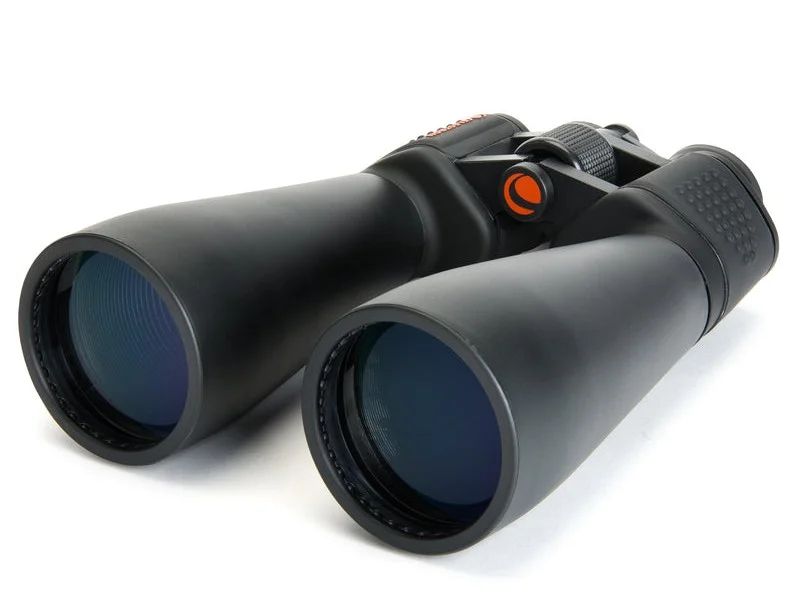
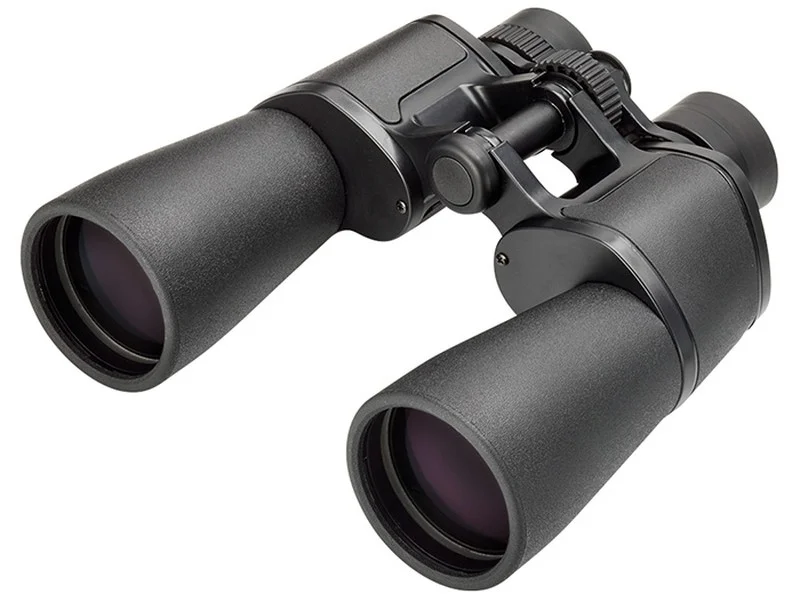
Binoculars (7×50 or 10×50): the single most useful upgrade for dark sky sites. The Orion Nebula, Pleiades star cluster, Beehive Cluster, and dozens of other objects look stunning through good binoculars. See our binocular guide for UK-specific recommendations.
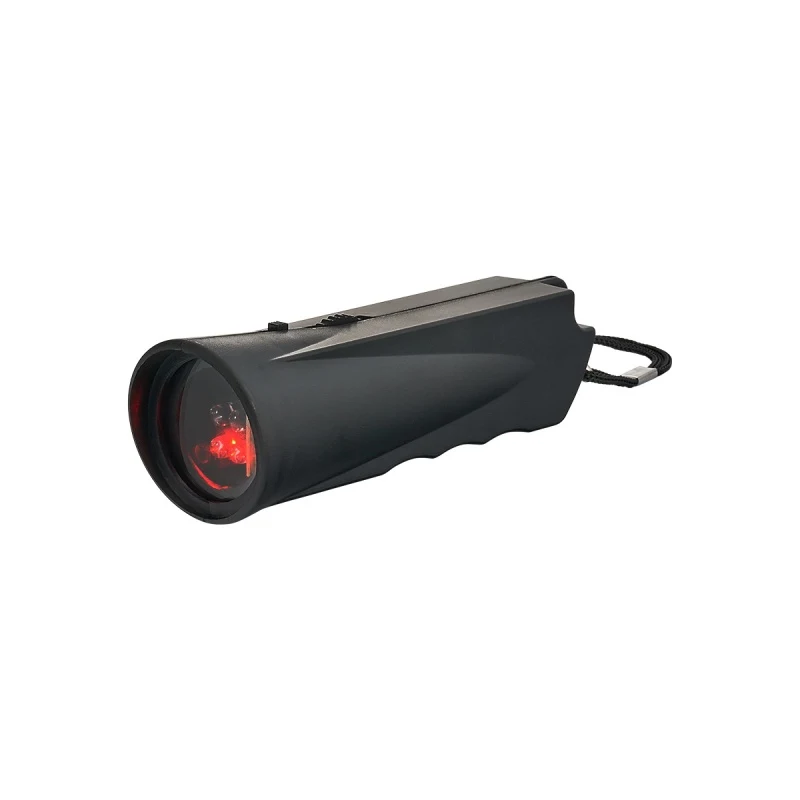
Red-light torch: essential. White light destroys your dark adaptation (it takes 20–30 minutes for your eyes to fully adjust to the dark). A red torch lets you read a star chart without losing that adaptation.
Star chart or app: Stellarium (free, web and mobile) is excellent. Sky Safari is better for telescope use.
A telescope (70–130mm aperture): opens up craters on the Moon, rings of Saturn, moons of Jupiter, and thousands of deep-sky objects. See our telescope guide.
A reclining camping chair or blanket: lying back and looking up is far more comfortable for extended naked-eye sessions than craning your neck upward.
How do you plan a dark sky visit?
These apply anywhere, not just at a dedicated dark sky site, our general stargazing tips guide covers a few more. For a dark site specifically:
🌑
Go around New Moon.The Moon's phase matters enormously. A full moon illuminates the sky almost as brightly as twilight: faint objects disappear entirely. The best nights are within 4–5 days of New Moon, when the Moon is either absent or sets early. Check is it a full moon tonight before you commit to the drive.
👁️
Give your eyes 30 minutes.Dark adaptation is a physical process: your eyes' photoreceptors physically expand to capture more light. It takes 20–30 minutes in the dark for full adaptation, and a single flash of white light resets the process. Bring a red-light torch and keep it dim.
☁️
Check Clear Outside, not just BBC Weather.clearoutside.com is an astronomy-specific forecast that predicts cloud cover, humidity, and seeing conditions at specific locations. BBC weather for "partly cloudy" can hide a completely overcast sky at altitude.
🌡️
Dress much warmer than you think.Standing still outdoors at night on a British moorland is cold at any time of year. In winter it can be genuinely dangerous without proper layers. A good-quality sleeping bag and thermal base layers make the difference between a great session and one cut short.
🚗
Use designated parking.Many dark sky reserves have designated Dark Sky Discovery Sites: car parks and viewpoints managed for low light levels. Park at these rather than random lay-bys; the local authority has specifically equipped them for night-time use and the views are usually chosen for good horizons.
📱
Enable night mode on your phone before you arrive.Phone screens are a dark sky site's biggest enemy. Enable red-screen or night mode (iOS: Settings → Accessibility → Display → Colour Filters), and minimise phone use once you're adapting to the dark. Download star charts offline before you leave, mobile data is often non-existent at the best dark sky sites.
What do you need to take to a dark sky site?
Kit we've tested and reviewed in full
The sky at a Bortle 2 site is the best equipment upgrade there is, and you'll see the Milky Way with nothing at all. But a dark site is where good binoculars pay off most, and where a red torch stops you annoying everyone else in the car park. See our binocular reviews for more.
Affiliate links: you pay the same price, we earn a small commission that helps keep WatchTheStars free.
Dark Sky Sites: Frequently Asked Questions
How do I find dark sky sites near me?
Enter your postcode in the map at the top of this page and it lists the nearest dark sky sites with the distance from you, a rough driving time, the Bortle rating and a directions link. The list covers more than 60 places: every UK Dark Sky Reserve, Park, Community and Sanctuary, the best Dark Sky Discovery Sites, and the public observatories you can visit at night.
What is a Dark Sky Sanctuary?
A Dark Sky Sanctuary is DarkSky International's designation for the most remote and fragile dark places on Earth. The category was introduced in 2015 to cover isolated sites that have very little light pollution to fight but whose darkness is easily lost. Unlike a Reserve, a Sanctuary has no core-and-buffer zone structure, and public access is sometimes limited to protect the site. There are only a few dozen worldwide.
Is there a Dark Sky Sanctuary in the UK?
Yes, one. Ynys Enlli (Bardsey Island), off the tip of the Llŷn Peninsula in north-west Wales, was certified on 23 February 2023. It is the only Dark Sky Sanctuary in Europe. The island is reached by a small boat from Porth Meudwy and has no street lighting at all, so on a clear moonless night the Milky Way is bright enough to cast a faint shadow.
What is the difference between a Dark Sky Sanctuary, Reserve and Park?
A Dark Sky Park is publicly accessible land with a night sky measuring at least 20 magnitudes per square arcsecond, with no minimum size. A Dark Sky Reserve meets the same brightness standard but must cover at least 700 square kilometres and be split into a dark core with a surrounding buffer zone where lighting is managed. A Dark Sky Sanctuary is the most remote category of the three, given to fragile sites far from any significant light source.
Which UK national parks are Dark Sky Reserves?
Exmoor was the first in Europe, certified in 2011. Dartmoor, Bannau Brycheiniog (the Brecon Beacons), Eryri (Snowdonia), the South Downs, the Yorkshire Dales, the North York Moors and Cranborne Chase also hold Reserve status. Northumberland is the largest protected dark sky area in Europe, but it is classed as a Dark Sky Park rather than a Reserve.
Do you need a telescope to enjoy a dark sky site?
No. The single biggest jump in what you can see comes from the sky itself, not the kit. At a Bortle 2 or 3 site the Milky Way, the Andromeda Galaxy and the Perseus Double Cluster are all naked-eye objects. A pair of 10x50 binoculars will show you more than most beginners expect, and costs a fraction of a telescope.
When is the best time of year to visit a UK dark sky site?
Autumn and winter, roughly October to March. UK summer nights never get properly dark at northern latitudes, and true astronomical darkness disappears altogether above about 52 degrees north in June and July. Aim for the week either side of new moon and check the forecast for clear, dry air.