🌟 Astronomy Events Calendar
Mark your calendars! Here are the most spectacular celestial events to watch through 2027. For shower-by-shower viewing advice, see our meteor showers guide, and for background on Mars, Jupiter and Saturn before their oppositions below, browse our planet profiles. If you just want to know what's worth seeing right now, check what you can see in the sky tonight, is it a full moon tonight, the live UK aurora forecast, or ISS passes tonight.
2026
March
Spring Equinox
The Sun crossed the celestial equator on 20 March, marking the start of spring in the Northern Hemisphere, with day and night close to equal length. The autumn equinox on 23 September brings the balance back the other way. Check what's in the night sky this week as the seasons turn.
April
Artemis II: First Crewed Lunar Mission in 54 Years
Artemis II launched from Kennedy Space Center on 1 April 2026, the first crewed mission to fly around the Moon since Apollo 17 in December 1972. Commander Reid Wiseman, pilot Victor Glover, mission specialist Christina Koch and Canadian astronaut Jeremy Hansen flew a free-return loop around the Moon, setting a new distance record for a crewed flight, and splashed down safely in the Pacific off San Diego on 10 April 2026.
📖 Read: Artemis II Launch Confirmed for April 1 | 📖 Complete Artemis Mission Timeline
Launch from Kennedy Space Center, Florida: watch live on NASA TV
Lyrid Meteor Shower Peak
One of the oldest known meteor showers, producing around 10-20 meteors per hour at its peak. The 2026 peak fell on the night of 22–23 April; the Lyrids return on 22–23 April 2027. Our Lyrid viewing guide covers where to look and when.
Best viewed: After midnight in dark skies
May
Eta Aquarids Meteor Shower Peak
Debris from Halley's Comet creates this meteor shower, producing up to 50 meteors per hour. Fast, bright meteors often leave persistent trails, though the Southern Hemisphere gets the better view. The 2026 peak fell on 5–6 May; the next is 5–6 May 2027. Our Eta Aquariid watching guide has the full UK viewing plan.
Best viewed: Pre-dawn hours
June
Summer Solstice
The longest day of the year in the Northern Hemisphere, when the Sun reaches its highest point in the sky and summer officially begins. That was 20 June; the nights have been drawing back in ever since, and the winter solstice falls on 21 December. Read about the longest day of the year and what it means for stargazers.
July
Delta Aquarids Meteor Shower Peak
A moderate meteor shower producing about 20 meteors per hour, which overlaps with the build-up to the Perseids. The 2026 peak fell on 28–29 July; the next is 29–30 July 2027. Dates, rates and viewing advice for every shower are in our meteor showers guide.
Best viewed: After midnight
August
Total Solar Eclipse
A spectacular total solar eclipse visible from Greenland, Iceland, Spain, and northern Russia. The path of totality offers viewers up to 2 minutes 18 seconds of complete darkness as the Moon blocks the Sun. From the UK it was a deep partial, up to 96% covered, the deepest seen from these islands since 1999. Our safe solar observing guide covers the kit for next time.
Path of totality: Greenland, Iceland, Spain, Russia
Perseid Meteor Shower Peak
The most popular meteor shower of the year! The Perseids can produce 50-100 meteors per hour at peak, with bright, fast meteors and occasional fireballs. The timing was a gift: the peak fell on the same evening as the solar eclipse, with a new moon giving properly dark skies once the Sun was down: the best skywatching night of 2026. Our eclipse guide covers the double event.
Best viewed: After midnight in dark skies
September
Autumn Equinox
Autumn began at 1.05am BST on 23 September, when the Sun crossed back over the celestial equator (what the equinox is, and why day and night aren't quite equal). From here the nights lengthen quickly, and the proper stargazing season starts. See what's in the night sky this week for where to point first.
Neptune at Opposition
Neptune sat opposite the Sun in Pisces, at its closest and brightest for the year. It stays well placed through October and November: at magnitude 7.8 it needs binoculars at the very least, and a telescope at 150× or more turns it from a star-like point into a small blue-green disc. The darkest nights this autumn are either side of the new Moon on 10 October.
Best viewed: Around midnight, due south
Harvest Moon
The full Moon nearest the autumn equinox, full at 5.49pm UK time. The Harvest Moon rose close to sunset for several evenings in a row, which is what gave it its name. The next full Moon is the Hunter's Moon on 26 October.
Best viewed: Rising in the east at dusk
October
Saturn at Opposition
Saturn was closest to Earth and visible all night, due south around 1am BST. It stays well placed in the evening sky through October and November, and the rings, reopening after the edge-on crossing of March 2025, show a narrow but clearly visible tilt through even a small telescope. The next opposition is on 18 October 2027.
Best viewed: All night, due south around midnight
Orionid Meteor Shower Peak
Another meteor shower from Halley's Comet debris, producing around 20 meteors per hour. Known for fast, bright meteors with fine trains. Orionid meteors are dust from Halley's Comet, burning up at 66 km/s.
Best viewed: 3am to 5.30am BST on the 22nd, after the gibbous Moon sets
November
Leonid Meteor Shower Peak
Known for periodic meteor storms every 33 years. While 2026 won't be a storm year, the Leonids still produce 10-15 meteors per hour with very fast, bright meteors. UK times for this year are in our Leonids 2026 guide, and viewing advice for every shower is in our meteor showers guide.
Best viewed: After midnight
Uranus at Opposition
Uranus is at its closest and best placed for the year, at magnitude 5.7. That is right on the naked-eye limit under a genuinely dark sky, but binoculars make it straightforward, and a telescope at 100× shows a tiny blue-green disc rather than a point.
Best viewed: All night, highest around midnight
December
Geminid Meteor Shower Peak
Often the best meteor shower of the year! The Geminids can produce 120+ meteors per hour at peak, with bright, colorful meteors visible all night long. Unique because it originates from an asteroid (3200 Phaethon) rather than a comet. The year's best shower deserves a dark sky: our UK dark sky sites guide will find you one.
Best viewed: All night, peak around 2 AM
Winter Solstice
The shortest day of the year in the Northern Hemisphere. The Sun reaches its lowest point in the sky, marking the official start of winter and the longest night. The longest night of the year is a gift for stargazers: our beginners guide shows you how to use it.
2027
January
Quadrantid Meteor Shower Peak
The first major meteor shower of the year, capable of producing 40-100 meteors per hour. Has a very short, sharp peak lasting only a few hours, making timing critical for best viewing. Wrap up warm and check our meteor showers guide for the full viewing plan.
Best viewed: Pre-dawn hours, narrow peak window
February
Jupiter at Opposition
Jupiter is at its biggest and brightest of the year, up all night and high in a winter sky. Binoculars show the four Galilean moons shifting position from night to night; a small telescope brings out the cloud belts and, on a steady night, the Great Red Spot.
Best viewed: All night, due south around midnight
Mars at Opposition
Mars comes to opposition roughly every 26 months, and this is the first since January 2025. It will be an unmistakable orange point all night. Mars is small even at its closest, so wait for a steady night and use as much magnification as the air will take.
Best viewed: All night, highest around midnight
March
Spring Equinox
Spring returns to the Northern Hemisphere as the Sun crosses the celestial equator northward. Check what's in the night sky this week as the seasons turn.
April
Lyrid Meteor Shower Peak
The annual return of the Lyrids, with 10-20 meteors per hour and occasional bright fireballs. Our Lyrid viewing guide covers where to look and when.
Best viewed: After midnight
May
Eta Aquarids Meteor Shower Peak
Halley's Comet debris returns for its annual show, with fast, bright meteors streaking across the pre-dawn sky. These meteors are debris from Halley's Comet: the same comet feeds October's Orionids.
Best viewed: Pre-dawn hours
June
Summer Solstice
The longest day of 2027 in the Northern Hemisphere, marking the peak of summer. Short nights, but not empty ones: see what's visible this week.
July
Delta Aquarids Meteor Shower Peak
A reliable summer meteor shower producing around 20 meteors per hour. Dates, rates and viewing advice for every shower are in our meteor showers guide.
Best viewed: After midnight
August
Total Solar Eclipse
The "eclipse of the century": up to 6 minutes 23 seconds of totality, the longest on easily reachable land until 2114. The path crosses southern Spain, Gibraltar, Morocco, Algeria, Tunisia, Libya, Egypt, Saudi Arabia and Yemen. The UK sees a partial eclipse of 23–47% between about 09:00 and 11:00 BST: see our guide to the 2027 solar eclipse from the UK for town-by-town times. Full details on the global event are in our 2027 total solar eclipse guide, and watching any partial phase needs proper eye protection: certified eclipse glasses are the only safe way, alongside our safe solar observing guide.
Path of totality: Morocco, Spain, Algeria, Libya, Egypt, Saudi Arabia, Yemen, Somalia
Perseid Meteor Shower Peak
The beloved Perseids return with their spectacular show of 50-100 meteors per hour. See our meteor showers guide for viewing advice, and find a dark spot with our UK dark sky sites guide.
Best viewed: After midnight in dark skies
September
Autumn Equinox
The Sun crosses the celestial equator southward, marking the beginning of autumn in the Northern Hemisphere. Darker evenings return: see what's in the night sky this week.
October
Orionid Meteor Shower Peak
Halley's Comet debris provides another meteor show with fast, bright meteors. Orionid meteors are dust from Halley's Comet, burning up at 66 km/s.
Best viewed: After midnight
November
Leonid Meteor Shower Peak
The Leonids return with their characteristic fast, bright meteors. Viewing advice for every shower is in our meteor showers guide.
Best viewed: After midnight
December
Geminid Meteor Shower Peak
The year's best meteor shower returns with its reliable show of 120+ meteors per hour. The year's best shower deserves a dark sky: our UK dark sky sites guide will find you one.
Best viewed: All night, peak around 2 AM
Winter Solstice
The shortest day of the year in the Northern Hemisphere marks the beginning of winter and the longest night. The longest night of the year is a gift for stargazers: our beginners guide shows you how to use it.
Kit for the events on this calendar
Kit we've tested and reviewed in full
Most of what's listed above, from meteor showers to conjunctions, is a naked-eye event. These are the three things that make the rest of the calendar better. See our equipment reviews for more.
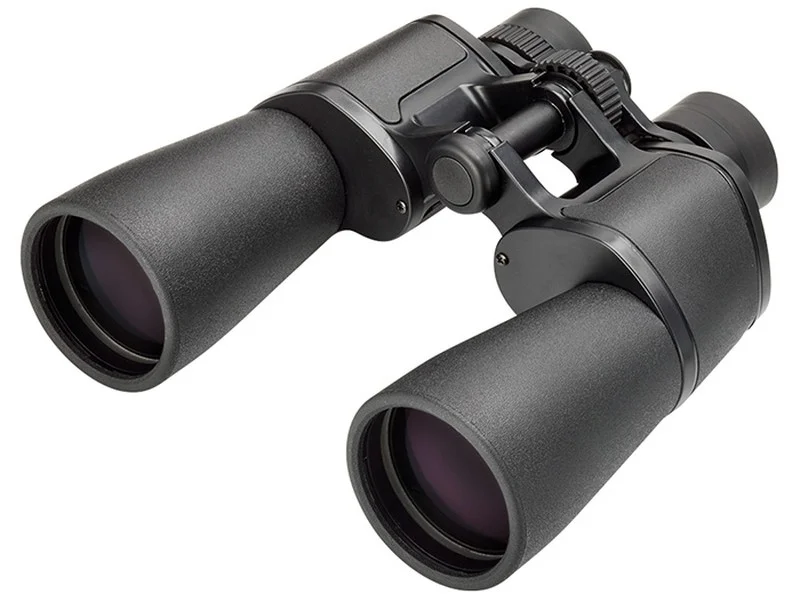
Planets side by side, the Moon next to Jupiter, a comet's tail: all better in a 10×50, and the pair we point most UK beginners to first.
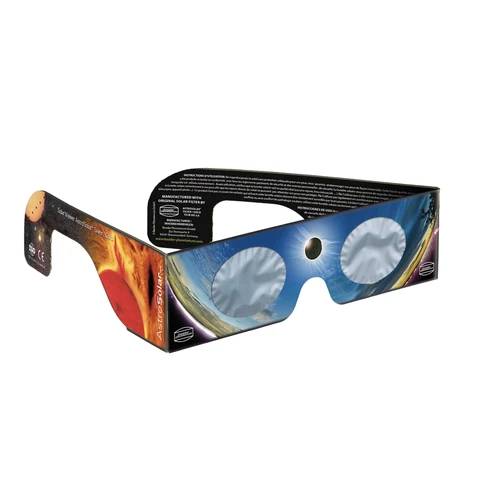
Baader Solar Eclipse Observing Glasses
The only safe way to look at the Sun during a partial eclipse. Certified to ISO 12312-2 and about the price of a coffee. Buy before the rush.
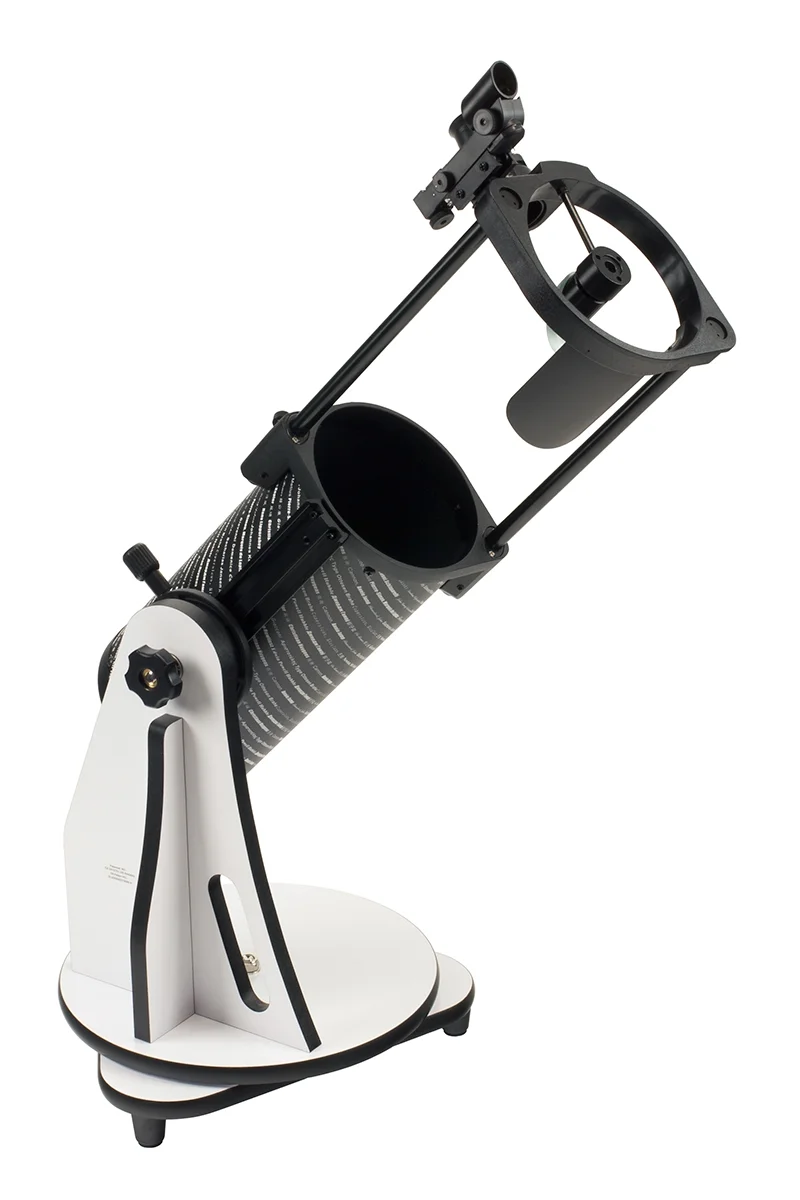
When Jupiter, Saturn or Mars reach opposition, this is the telescope that shows rings, belts and moons for under £200.
Browse all our equipment reviews
Honest, research-based recommendations for every budget.
Browse all →Affiliate links: you pay the same price, we earn a small commission that helps keep WatchTheStars free.
📅 Stay Updated
Bookmark this page and check back regularly for updates, viewing tips, and new celestial events. For detailed guides on specific events, visit our blog, and for the practical technique behind them, from eclipse safety to spotting the ISS, see our how-to guides.
Note: All dates and times are approximate. Check closer to each event for exact timing and optimal viewing conditions for your location.