Updated Every Sunday
UK Night Sky This Week
19 – 24 October 2026
The UK night sky this week builds to the Orionid meteor shower, which peaks before dawn on Thursday 22 October. The Moon is a bright waxing gibbous, but on peak morning it sets at 02:49 BST and leaves about three dark hours before twilight. Saturn is up all evening, Mars and Jupiter edge closer together before sunrise, and the clocks go back early on Sunday 25 October.
Jump to Night-by-Night Planner ↓🌠 What to See in the UK Night Sky Tonight: Orionids, Saturn and Mars
This week the UK night sky offers the Orionid meteor shower, which peaks before dawn on Thursday 22 October at 10 to 20 meteors an hour under dark skies, with the Moon setting at 02:49 BST that morning. Saturn rises at 17:46 BST on Monday and is well placed all evening at magnitude +0.4, and the waxing gibbous Moon passes 7.5° from Saturn on the evening of Saturday 24 October. Before sunrise, Mars and Jupiter close from 10.7° apart on Monday to 8.7° on Saturday, low in the east-south-east.
The Orionids are grains of dust shed by Halley's Comet, hitting the atmosphere at about 66 km per second, so they are quick and some leave short glowing trails. The radiant sits near Betelgeuse in the raised club of Orion. It clears the eastern horizon at about 22:00 BST, is 43° up in the south-east by 03:00 and reaches due south around 05:30. You don't need to stare at Orion itself: meteors can appear anywhere, so face south-east and take in as much sky as you can.
Moonlight is the catch this year. On peak morning the Moon is 81% lit, so the useful window is from 03:00 to 05:30 BST on Thursday, before astronomical twilight begins at 05:49. From a typical UK garden 5 to 10 meteors an hour is a realistic hope; the 10 to 20 figure needs a properly dark site. The maximum is broad, and Wednesday morning, 21 October, is worth a try too, since the Moon sets earlier, at 01:32, and leaves over four hours of dark sky.
If you're out before dawn, look east. Jupiter is the brightest point there at magnitude −1.8, 40° up at 06:00 BST in Leo and about 7° from Regulus. Mars, magnitude +1.0 and still in Cancer, sits above and to the right. The gap between them shrinks by about half a degree a night on the way to a conjunction on 16 November, when they will be 1.2° apart.
Away from the meteors, this is a bright week. The Moon washes out faint galaxies and the Milky Way for most of the evening. Venus reaches inferior conjunction, passing between Earth and the Sun, at 04:40 BST on Saturday and is not visible; it returns to the morning sky in November. Mercury sets only about 20 minutes after the Sun. If cloud looks likely, tonight's stargazing score will tell you whether the Orionid mornings are worth the alarm.
🌟 Planets Visible from the UK This Week
🌛 What Phase Is the Moon This Week?
The Moon is a waxing gibbous all week, and it owns the evening sky. First Quarter was at 17:12 BST on Sunday 18 October. The Moon is 60% lit at sunset on Monday and 97% by Saturday, rising in the mid-afternoon and setting later each night: 00:15 BST in the early hours of Tuesday, 01:32 on Wednesday, 02:49 on Thursday, 04:08 on Friday and 05:28 on Saturday. Full Moon, October's Hunter's Moon, follows at 04:11 GMT on Monday 26 October. Tonight's Moon phase has exact times for your location.
Over the week the Moon moves from Capricornus through Aquarius and into Pisces, finishing the week close to Saturn. A gibbous Moon is a fine sight in its own right. On Monday the crater Copernicus sits near the terminator, the line between lunar day and night, and on Tuesday the curved Bay of Rainbows (Sinus Iridum) catches the sunrise. Any binoculars show both, and a small telescope shows the shadows inside them.
The clocks go back at 02:00 BST on Sunday 25 October. From Sunday evening sunset is at about 16:46 GMT and darkness comes an hour earlier by the clock, which is good news for anyone who wants to observe before bed.
🌌 Deep Sky Targets for UK Observers This Week
To be straight about it, this is a poor week for faint objects. The gibbous Moon brightens the sky every evening, so stick to bright clusters and double stars, or save galaxies for the hours after moonset on Tuesday, Wednesday and Thursday mornings.
- The Pleiades: 54° up in the south-east by 01:00. Bright enough to shrug off moonlight, with six or seven stars to the naked eye and thirty or more in binoculars.
- The Double Cluster in Perseus: two star clusters in one binocular field, 52° up in the north-east at 21:00, below the W of Cassiopeia.
- Albireo, in the beak of Cygnus: a gold and blue double star, split by any telescope at 30x and still 59° up in the south-west at 20:30.
- M31, the Andromeda Galaxy: wait for moonset. At 03:00 BST on Thursday it is still 56° up in the west, and from a dark site binoculars show a long oval glow.
- M42, the Orion Nebula: 31° up in the south at 05:30, just below Orion's Belt. Worth a look with binoculars while you are out for the Orionids.
Our Orionids guide has more on Halley's Comet and the best viewing directions. After the Orionids, the slow and occasionally bright Taurids are active through early November. Meanwhile, check tonight's ISS passes and the aurora forecast, as autumn is a good season for UK aurora and the Moon does nothing to hide a strong display.
🔔 Get Alerts for Clear Nights
📅 Night-by-Night Planner: 19 – 24 October 2026
Sunset falls from 17:58 BST on Monday to 17:48 on Saturday, sunrise moves from 07:42 to 07:51 · Astronomical darkness starts between 19:56 and 19:46, but the gibbous Moon stays up until after midnight every night · All times BST, calculated for central England
📖 Go Deeper
What to use this week
Kit we've tested and reviewed in full
A bright gibbous Moon all week makes this a week for the Moon itself, the planets and the Orionids, and the meteors need nothing but your eyes. Binoculars for the Moon and bright clusters; a telescope for Saturn, Jupiter and lunar craters.
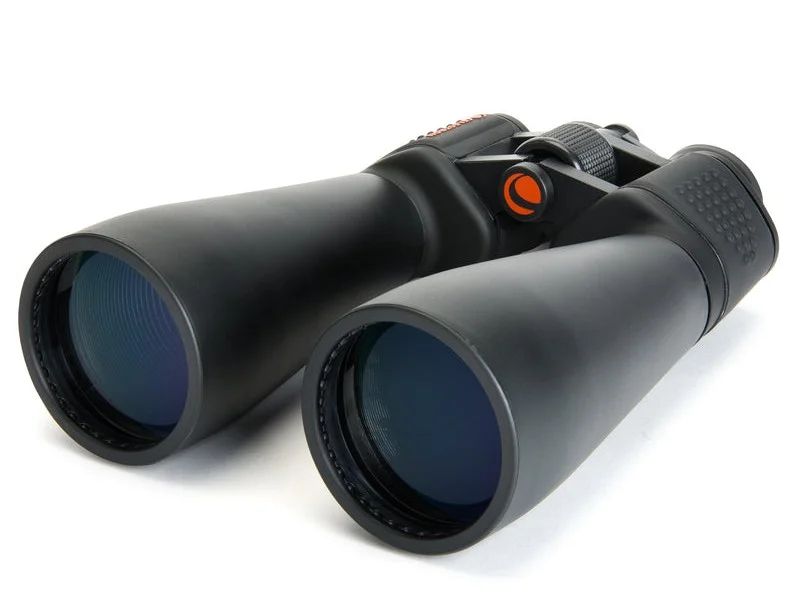
15x70s show the gibbous Moon's seas and big craters such as Copernicus on Monday, and they cut through moonlight well enough for the Pleiades and the Double Cluster. Leave them indoors for the Orionids on Thursday morning: meteors are a naked-eye sight and a wide view catches far more. They are heavy, so a tripod adapter makes a real difference.
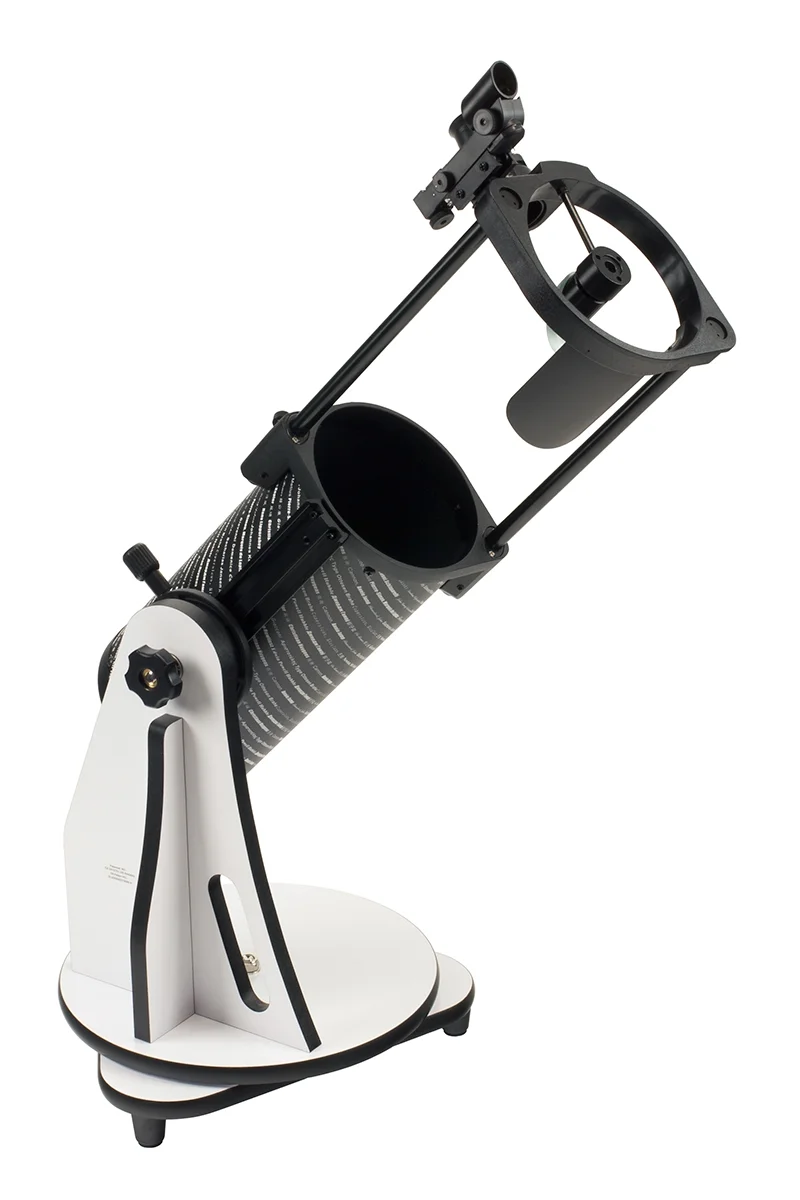
Saturn is 39° high due south at about 23:50 BST on Monday, magnitude +0.4, and a 130mm Dobsonian at 100x shows the narrow rings and Titan. Before dawn the same telescope shows Jupiter's cloud belts and four moons, 40° up in the east-south-east at 06:00 BST. Early in the evening, run it along the Moon's terminator for the sharpest crater shadows of the week.
Equipment guides
Telescopes, binoculars, mounts, cameras, and accessories: honest, research-based recommendations for every budget.
Browse all →Affiliate links: you pay the same price, we earn a small commission that helps keep WatchTheStars free.