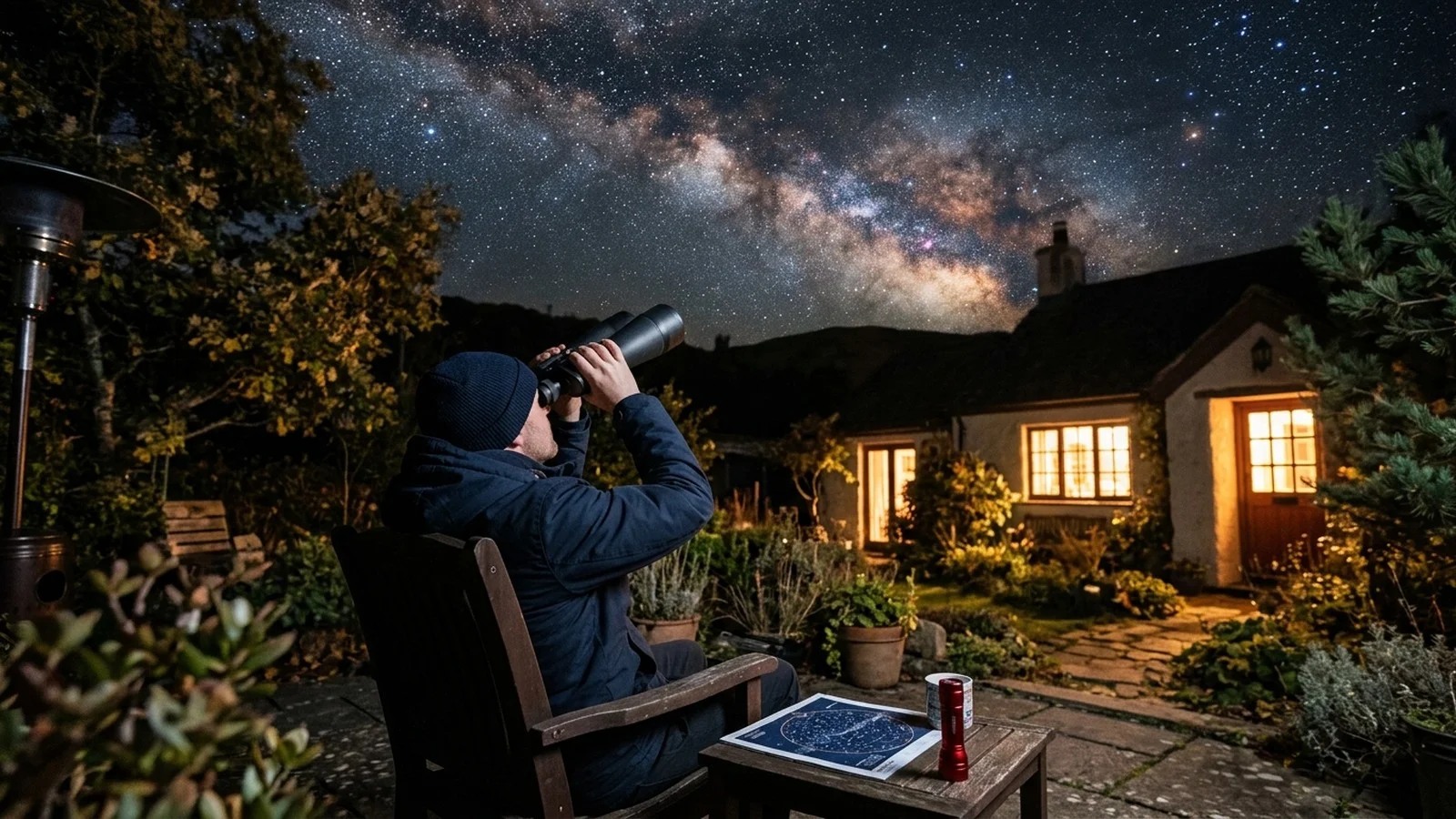
Opticron Adventurer 10×50: Complete Beginner Astronomy Kit
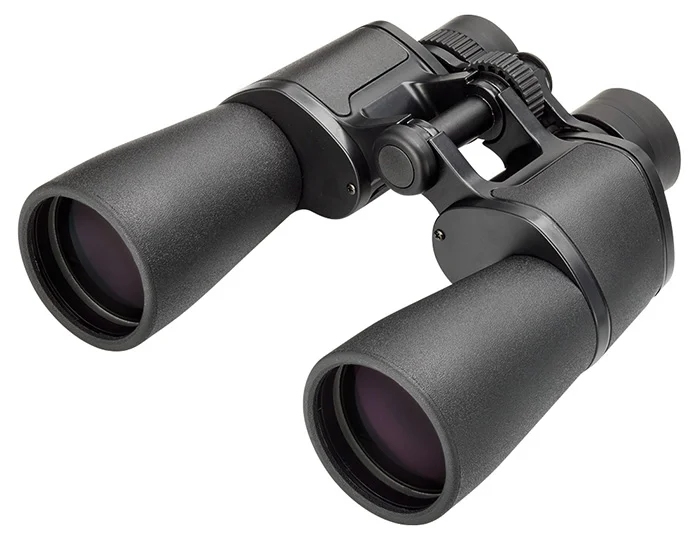
Why the Opticron Adventurer T WP 10×50?
The 10×50 is the most recommended astronomy binocular on every UK forum, and the Opticron Adventurer T WP is the consistent winner in that class. Fully waterproof, BAK-4 prisms, fully multicoated optics: everything you'd pay significantly more for on a branded pair, for around £84. On Stargazers Lounge it comes up again and again as the first buy anyone should make before a telescope.
What's Included in This Opticron Starter Kit?
These are the items experienced observers consistently say newcomers should have bought at the same time as their binoculars.
Binocular Tripod Adapter
At 10× magnification, hand tremor makes it very hard to hold a target steady for more than a few seconds. A tripod adapter lets you mount the binocular on any standard camera tripod: transforming what you can observe. Essential for the Moon, star clusters, and anything requiring patient study.
Lightweight Travel Tripod
Any standard photo tripod works. You don't need anything heavy: you're mounting binoculars, not a telescope. A light, compact tripod means you'll actually take it outside. Aim for one with a pan-and-tilt head for smooth movement across the sky.
Neck Harness / Binocular Strap
The standard neck strap on most binoculars is uncomfortable for extended astronomical use: the weight pulls forward and strains the neck. A padded harness distributes the weight across the shoulders and chest, making a two-hour session genuinely comfortable. Worth every penny.
Red Torch
White light destroys your night vision in seconds and takes 20 minutes to recover. A red torch lets you check star charts, read notes, or find an eyepiece without ruining the dark adaptation you've spent half an hour building. Absolutely essential for any observing session.
Philip's Planisphere (51.5°)
A planisphere is a rotating star map that shows exactly what's visible from the UK on any night of the year. The 51.5° latitude version is correct for most of the UK. It doesn't need batteries, never crashes, and forces you to learn the sky rather than just pointing at GPS coordinates. Every experienced astronomer owns one.
Total Cost: £155 to £180
Binoculars + 5 accessories
Optional extras
A Moon map or star atlas (~£10, Amazon) makes a useful 7th addition: it's easier to use at the eyepiece than a phone screen. The Helios Stellar II 10×50 (~£149, FLO) is a step up in optical quality if your budget allows: widely praised on SGL for its field flatness.