Is It Worth Going Out Tonight?
Get tonight's stargazing score for your location across 25 European countries, and sign up for free alerts so you never miss a clear night.
or
Enter your email and we'll alert you whenever stargazing conditions score 7 or higher for your area. One email per good night, that's it.
Enter a postcode above first, then sign up. Unsubscribe any time.
Check your inbox: we've sent a confirmation link.
Click the link in the email to activate your alerts.
Checking the skies above you…
Tonight's Cloud Cover, Hour by Hour
What's in the Sky Tonight
Your Sky Right Now
A live view of what's above your horizon right now: stars, constellations, the Moon, and planets. North is at the top.
Get notified when conditions are this good
We'll email you when tonight's score hits 7+ above your area. No spam, only clear skies.
Double opt-in. Unsubscribe any time. We never share your email.
Check your inbox: we've sent a confirmation link.
Click the link in the email to activate your stargazing alerts.
Got a clear night coming? Make the most of it.
Kit we've reviewed in full
Even a basic pair of binoculars transforms what you can see. A small telescope takes you to Saturn's rings and Jupiter's moons.
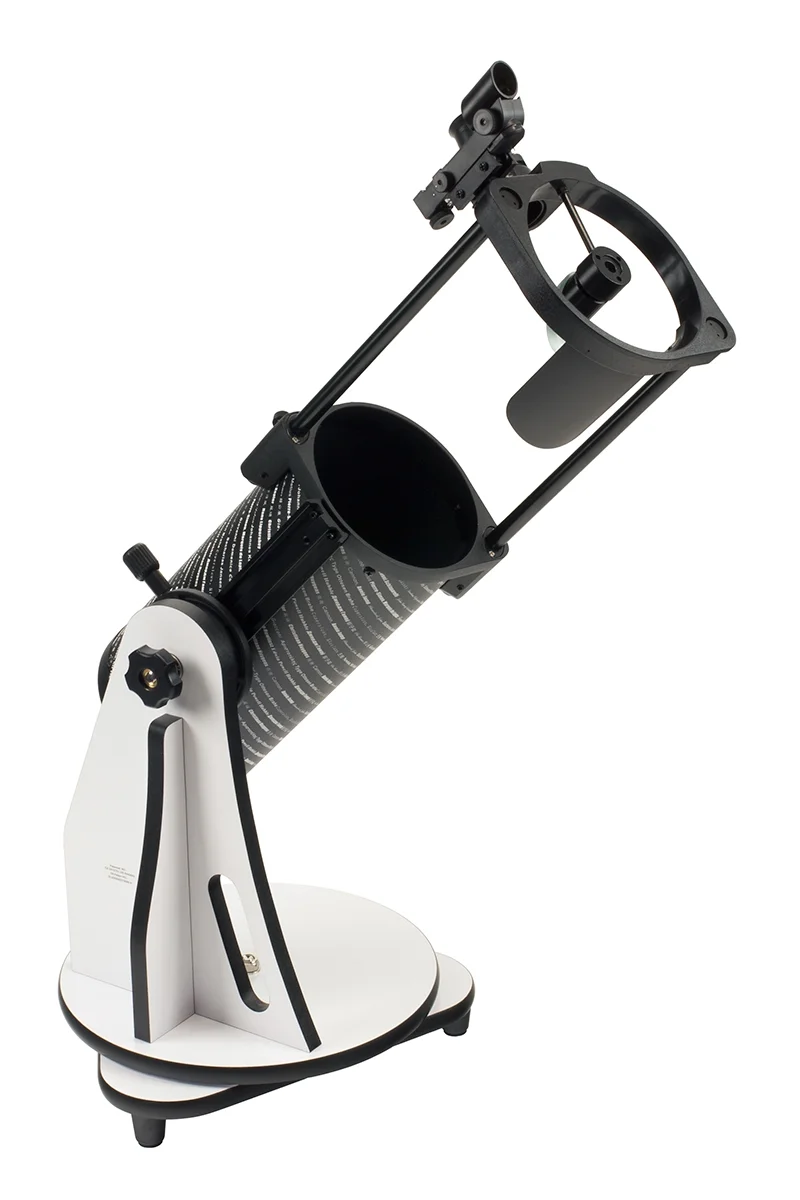
Saturn's rings, Jupiter's moons, lunar craters. Compact enough to grab on a whim when the score goes green.
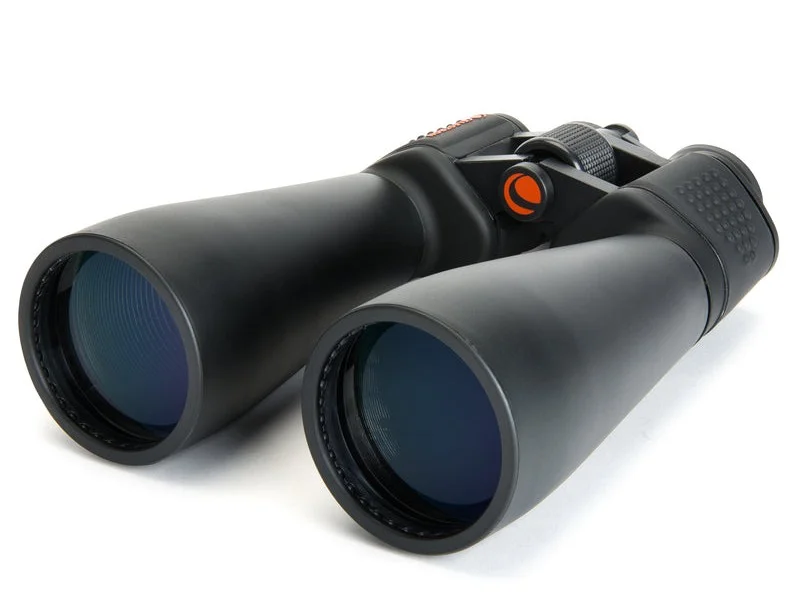
Jupiter's moons in a line. Venus as a crescent disc. The Milky Way resolved into individual stars. A big step up from naked eye for not much money.
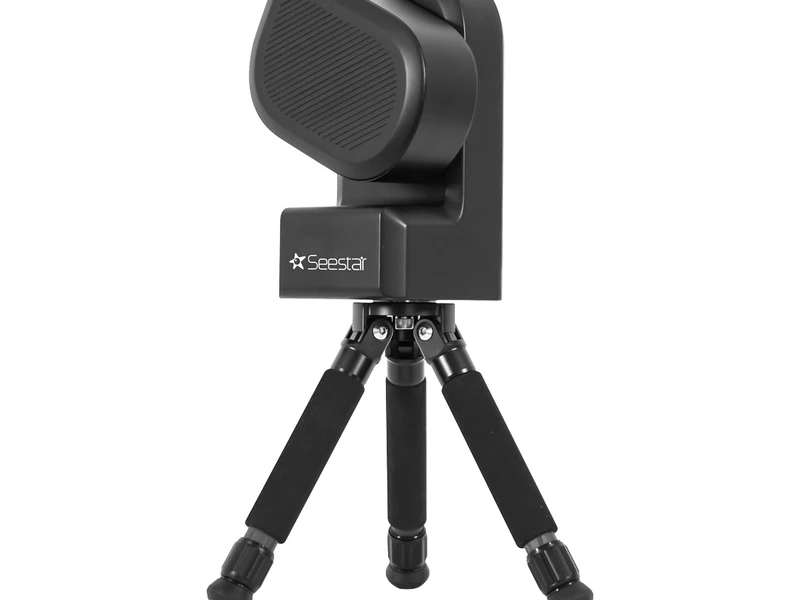
Point it at the sky from the app and it finds, tracks and stacks the image live on your phone screen. Jupiter's cloud bands, the Orion Nebula, even faint galaxies, with no finderscope or collimating to fight with.
Equipment guides
Telescopes, binoculars, mounts, cameras, and accessories: honest picks for every budget.
Browse all →Affiliate links: you pay the same price, we earn a small commission that helps keep WatchTheStars free.
How the Score Works
We pull live weather data for your exact location and combine it with astronomical conditions to give you a single, honest number.
What's visible tonight from the UK?
As of Friday 23 October 2026: the Sun sets at about 17:55 and the sky is fully dark from about 19:10 to 06:35 (BST). The Moon is a waxing gibbous (94% lit), up in the evening and setting at about 05:35; the darkest skies come after that. Mars rises at about 00:25 in the east-north-east and is 51° up in the south-east as dawn begins (about 06:35). Jupiter rises at about 01:20 in the east-north-east and is 44° up in the south-east as dawn begins (about 06:35). Saturn is an evening object: 15° up in the east-south-east as the sky gets fully dark (about 19:10), highest at about 23:40 when it is 39° up in the south and sets at about 05:50. Uranus is a morning object, 40° up in the west-south-west as dawn begins (about 06:35). It needs binoculars or a small telescope (magnitude 5.7) and a dark sky. Neptune is an evening object: 18° up in the east-south-east as the sky gets fully dark (about 19:10), highest at about 23:10 when it is 37° up in the south and sets at about 05:10. It needs a telescope (magnitude 7.8); binoculars show it only as a faint star. Mercury and Venus are not visible at the moment.
Those times are for central England and shift by a few minutes a day (the planets on show change week to week). The sky map above shows exactly what's over your horizon right now, including the Moon and any visible planets.
For a written rundown (which planets are visible tonight, where to look, and the week's best events), see our UK night sky this week guide, updated every Sunday. Meteor shower dates are in the meteor showers calendar, and satellite passes, including the International Space Station, are worth a look too. If the sky's putting on a different kind of show, check our live UK aurora forecast, and see our astronomy events calendar for everything else worth diarising through 2026 and 2027.
Not going out tonight?
Explore our sky guides, learn the constellations, or dive into the Solar System. New to all this? Start with our stargazing for beginners guide, or browse our binoculars reviews for the easiest first upgrade.