Key takeaways
- The Eta Aquariid meteor shower peaked on the mornings of May 5–6, but a bright waning gibbous Moon was expected to limit rates to under 10 per hour from the UK
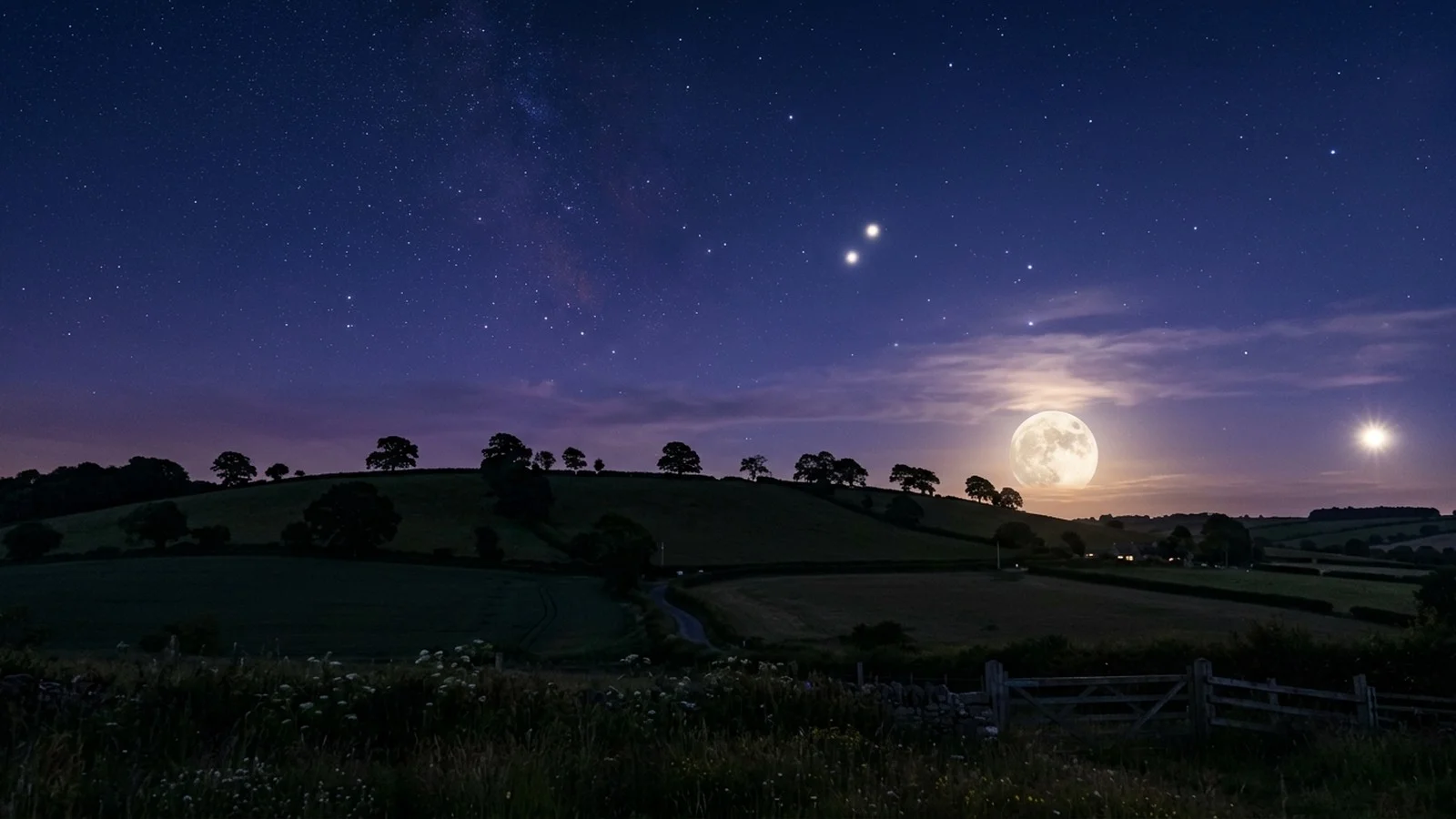
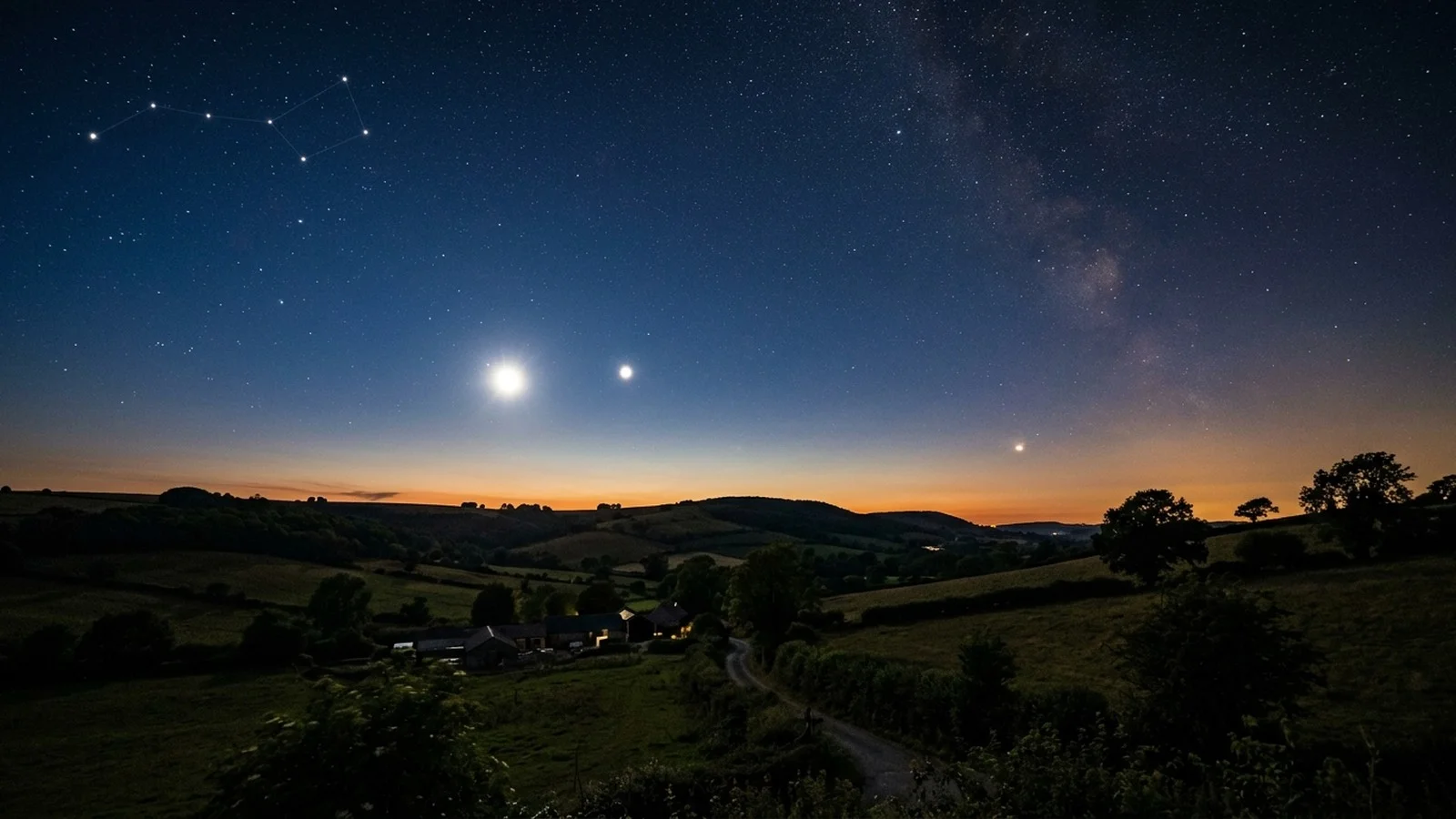
- Venus (mag −3.9) and Jupiter (mag −2.1) were both brilliant in the evening sky, still 36° apart but closing in on their June conjunction
- Last Quarter Moon on May 9 brought darker skies for the second half of the week
- The Coma Star Cluster (Melotte 111) was perfectly placed for binoculars high in the south after dark
Jump to section 7 sections
Eta Aquariids: Halley's Comet Debris Returned
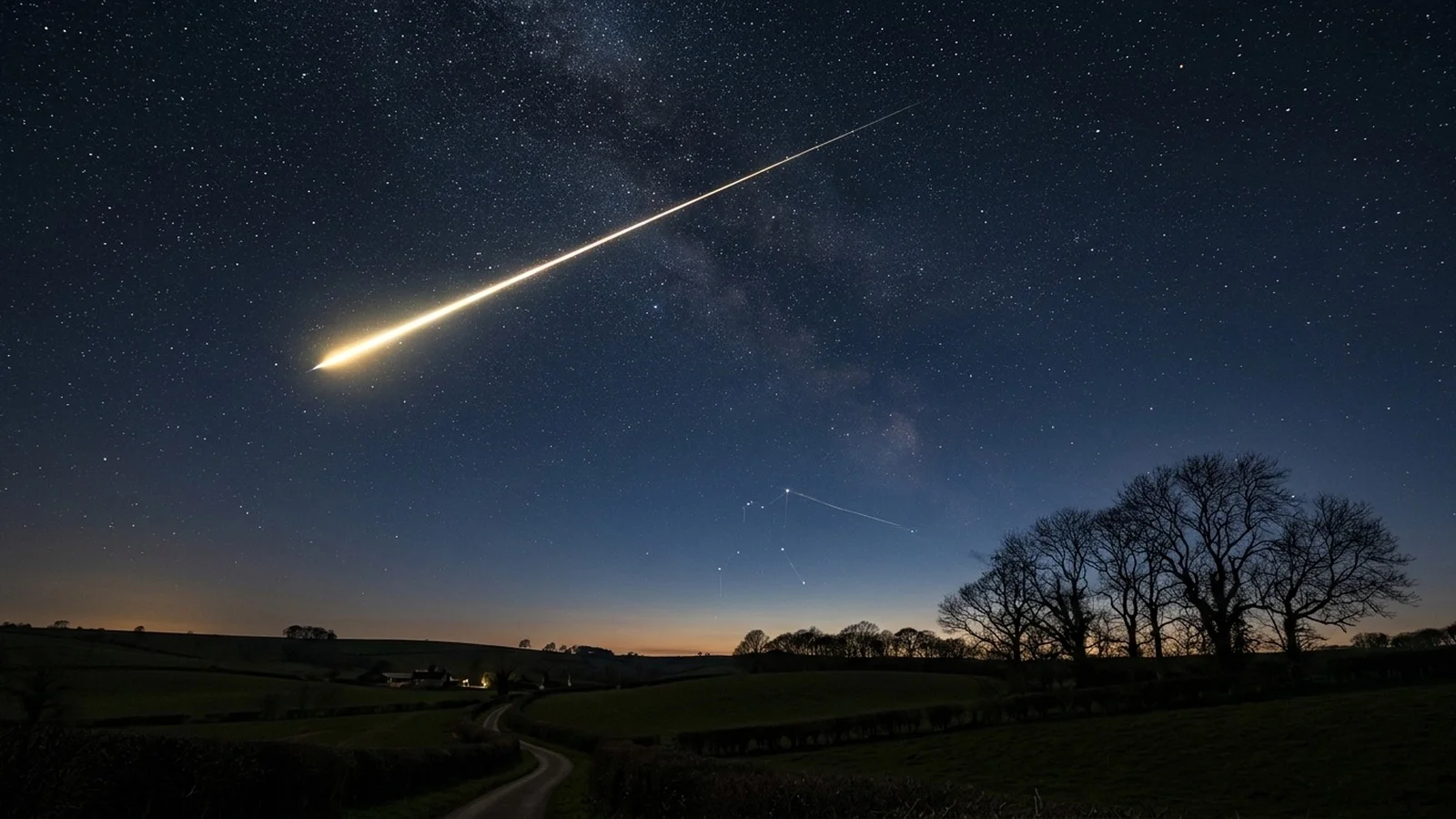
The headline act that week was the Eta Aquariid meteor shower, which peaked on the mornings of Monday 5 and Tuesday 6 May. Every one of these meteors is a speck of dust shed by Halley's Comet: the most famous comet in history, last seen in 1986 and not due back until 2061. Earth crosses Halley's debris trail twice a year: the Orionids in October and the Eta Aquariids in early May.
Under ideal conditions, the Eta Aquariids can produce 40–60 meteors per hour at their peak. From the UK, though, the radiant in Aquarius never climbs very high above the southeastern horizon before dawn washes it out, so realistic UK rates are more like 10–20 per hour in a good year.
That year there was an added challenge: a bright waning gibbous Moon (around 75–85% illuminated on peak nights) was up for much of the early morning, washing out fainter meteors. The expectation was fewer than 10 per hour from the UK, though the ones that did appear were likely to be memorable: Eta Aquariids enter at 66 km/s (among the fastest of any shower) and often leave long, glowing persistent trains.
When to look: The best window was between 2:00 and 4:30 a.m. BST on the mornings of May 5, 6, and 7. The advice was to face east-southeast with the Moon behind you. The radiant rose around 2:00 a.m. BST, so earlier than that there was little point. For anyone who could only pick one morning, the suggestion was May 7, when the Moon was slightly less bright and rose later.
What to watch for: Eta Aquariid meteors are fast and bright, often white or yellowish-white with occasional blue-green tints. Because the radiant is low from UK latitudes, you might see dramatic "earthgrazer" meteors that skim across a wide stretch of sky near the horizon.
If you'd like a deeper dive on this shower, we've got a full Eta Aquariid observing guide with photography tips and the complete Halley's Comet backstory.

Venus and Jupiter Ruled the Evening
Step outside any clear evening that week and two planets would grab your attention immediately.
Venus (magnitude −3.9) blazed in the west-northwest after sunset, impossible to miss. It was tracking through Taurus at the time, sitting roughly between the Pleiades and Aldebaran, though the cluster was getting harder to pick out in the brightening twilight as it sank lower each night. Venus set around 11:30 p.m. BST, giving a generous viewing window. Even a small telescope would show its gibbous phase (about 70% illuminated).
Jupiter (magnitude −2.1) sat higher and to Venus's upper left in Gemini, between Castor and Pollux. The two planets were about 36° apart at the time, roughly three and a half fist-widths at arm's length, but Venus was chasing Jupiter eastward, closing the gap by about a degree each day. By the end of May they would be under 9° apart, building toward a spectacular conjunction on 9 June when they would be just 1.6° apart.
Jupiter set after midnight, so there was time to get a telescope on it. The things to look for were the four Galilean moons and, if the seeing was steady, the two dark equatorial cloud belts. On Thursday 8 May, telescope owners were due a treat: the shadows of both Europa and Ganymede were set to cross Jupiter's cloud tops simultaneously in the late evening. This double shadow transit was a rare and beautiful sight: you needed at least a 4-inch telescope and steady conditions.
For more on tracking these two planets through the year, see our guides to observing Venus and observing Jupiter.
A Correction About Vesta
Correction, 12 October 2026: this guide originally said asteroid 4 Vesta reached opposition on 2 May 2026 and was at magnitude 5.7 in Libra that week. That was wrong. Vesta's opposition in Libra was on 2 May 2025. During the week of 4 to 10 May 2026 it was a faint magnitude 8 object in Aquarius, less than 50° from the Sun and low in the morning twilight, so it was not a realistic target from the UK. We're sorry to anyone who went looking for it.
Vesta's 2026 opposition is on 13 October, at magnitude 6.4 in Cetus, about 13° east of Saturn. Our UK night sky this week guide shows where to find it, and our Vesta opposition guide covers the May 2025 opposition and what makes Vesta such an unusual asteroid.

Going binocular hunting that week?
Kit we've tested and reviewed in full
Venus and Jupiter were both comfortable binocular targets at the time, and the Coma Star Cluster practically needs binoculars to do it justice. Here's what we'd take out to the garden.
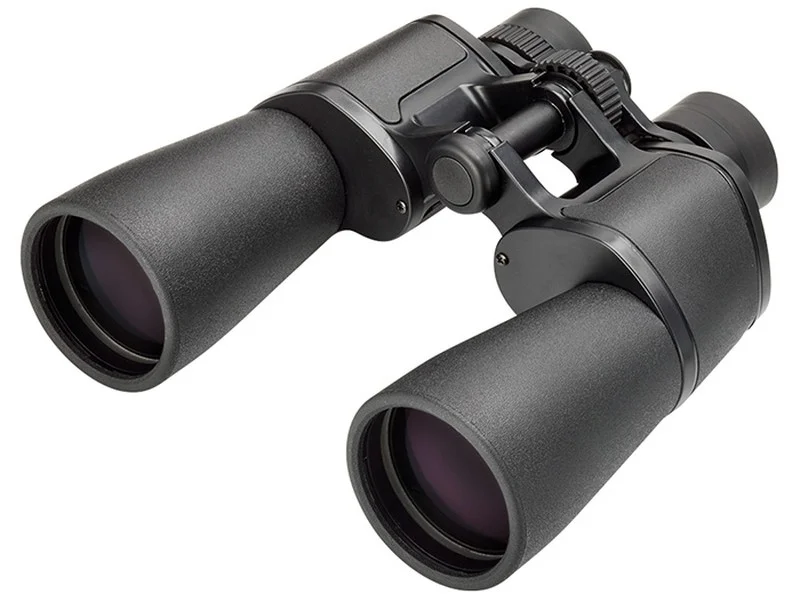
A great fit for the Coma Star Cluster's loose spray of stars, which almost needs binoculars to do it justice.
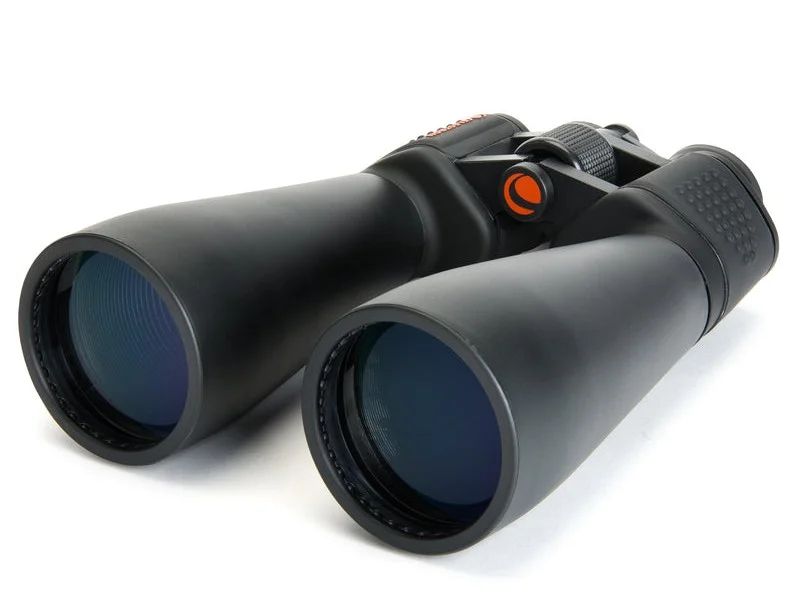
Extra light-gathering power shows Jupiter's moons more clearly and fills the field with the Coma cluster's fainter members.
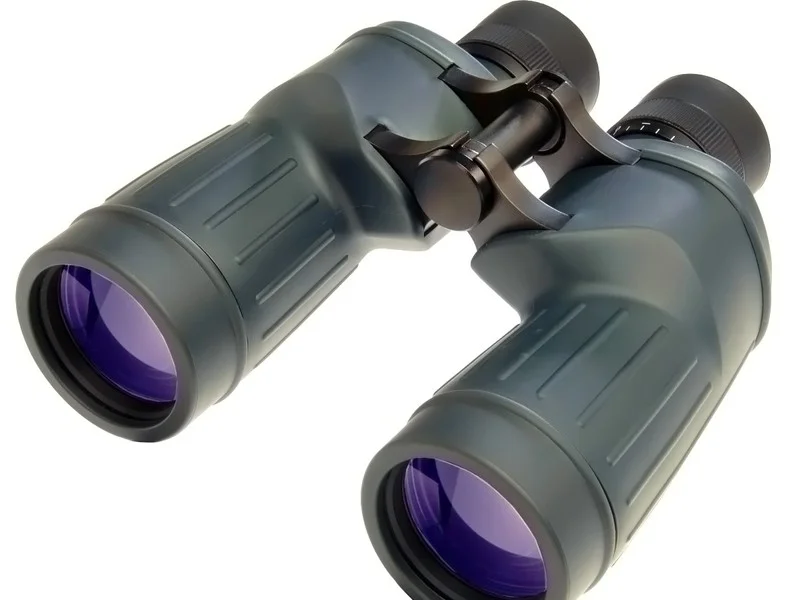
Crisper stars make Jupiter's four big moons and the Coma Star Cluster look properly sharp rather than soft.
Affiliate links: you pay the same price, we earn a small commission that helps keep WatchTheStars free.
The Moon That Week
The Full Flower Moon was on 1 May, and that week the Moon was waning through its gibbous phase toward Last Quarter on Friday 9 May at 22:12 BST.
Early in the week (Sunday–Tuesday), the bright waning gibbous Moon dominated the sky from late evening through the predawn hours, rising around 10:30–11:30 p.m. BST. This was the main obstacle for the Eta Aquariids and for any deep-sky observing.
By Wednesday and Thursday, the Moon didn't rise until after midnight, opening up a useful dark-sky window from about 10 p.m. to midnight, perfect for binoculars targets like the Coma Star Cluster.
From Friday onward, with the Last Quarter Moon not rising until the early hours, the entire first half of the night became properly dark. For anyone who had been waiting for darker skies to get the telescope out, the weekend of 9–10 May was the opportunity.
Deep Sky: The Coma Star Cluster
With the Moon out of the way later in the week, this was a great time to explore the Coma Star Cluster (Melotte 111) in Coma Berenices. It's one of the nearest open clusters to Earth at just 280 light-years, and it spans about 4°, roughly eight times the apparent diameter of the Full Moon. That makes it too big for most telescopes but absolutely perfect for binoculars or the naked eye.
The way to find it was to look roughly between Arcturus (the bright orange star high in the east) and Leo. Under reasonably dark skies, the cluster appears as a delicate spray of about 40 stars: ancient tradition says it represents the hair of Queen Berenice II of Egypt, cut off and placed among the stars. Through 7×50 or 10×50 binoculars, dozens of stars resolve into a beautiful, loose grouping.
While you're in the area, Coma Berenices is also the gateway to the Virgo Galaxy Cluster. With a 6-inch or larger telescope, you can start galaxy-hopping southward from the cluster toward dozens of faint fuzzy patches, but that's a project for a truly dark, moonless night.

Will Tonight Be Worth It?
🔭 Check Before You Head Out
With the Moon dominating early that week and clearer opportunities later on, it was worth checking conditions before dragging the telescope outside. Our free Tonight tool gives your local sky a score from 1–10 based on your UK postcode: factoring in cloud cover, Moon phase, light pollution, and transparency. You can also sign up for email alerts and we'll nudge you on afternoons when tonight's conditions are genuinely worth going out for.
Quick Tips for That Week
Best nights that week: Wednesday 7 to Saturday 10 May offered the darkest skies, with the Moon rising progressively later. Friday and Saturday nights were the pick of the bunch.
Sunset and twilight: Sunset was around 8:40 p.m. BST from central England that week, with astronomical twilight not ending until after 11:00 p.m. The short May nights meant true darkness lasted only about four hours, so the aim was to make the most of it.
Saturn in the predawn: For anyone already up for the Eta Aquariids, the thing to look for was Saturn (magnitude +1.1) low in the east around 4:00 a.m. BST in Pisces. It was still quite low and brief, but it was returning to the morning sky after months hidden behind the Sun. Mars was even lower and harder to spot.
Binoculars targets: Venus, Jupiter and the Coma Star Cluster were all excellent binoculars targets that week. A simple pair of 10×50s was all you needed.
Looking ahead: Venus and Jupiter were drawing closer every night, building toward one of the best planetary conjunctions of the decade on 9 June. The suggestion was to watch their separation shrink: a slow-motion celestial dance that was worth following over the weeks that followed.
Frequently Asked Questions
Equipment guides
Related topics
Ian ClaytonAmateur astronomer and founder of WatchTheStars.co.uk, dedicated to helping others explore the wonders of our universe. Full profile →