Key takeaways
- Asteroid Vesta was at opposition on 2 May 2026, its closest and brightest point of the year
- At magnitude 5.7 it reached the naked-eye limit from dark skies, and was an easy binocular target from almost anywhere
- It sat in Libra, about 10° upper-right of the blue star Zubeneschamali
- Vesta is the most massive fully differentiated asteroid: essentially a tiny rocky planet
- NASA's Dawn spacecraft orbited Vesta in 2011–2012 and revealed a world of extremes
Jump to section 7 sections
What Was Happening on 2 May: Vesta at Opposition
On 2 May 2026, asteroid Vesta was closer to Earth than it would be for another 15 months. It reached opposition at 11:58 GMT that morning, the moment when it sits precisely opposite the Sun in our sky, and that night it rose in the south-east as the Sun set in the west, staying in the sky all night long.
Opposition is the sweet spot for observing any solar system object. The geometry lines everything up: Vesta is on the same side of the Sun as us, lit full-on from behind us, and as close as it gets on this particular lap around the Sun. On 2 May it sat about 110 million miles away, roughly 1.18 times the Earth-Sun distance.
At magnitude 5.7, Vesta was right at the naked-eye limit. From a genuinely dark rural sky, away from town glow, it could be seen without any optical aid by anyone who knew exactly where to look. Under typical suburban skies, binoculars would find it effortlessly. And through even a small telescope it was a tiny but distinctly non-stellar point that very slowly shifts position against the background stars night by night, which is precisely how its discoverer found it more than two centuries ago.
What Is Asteroid Vesta?
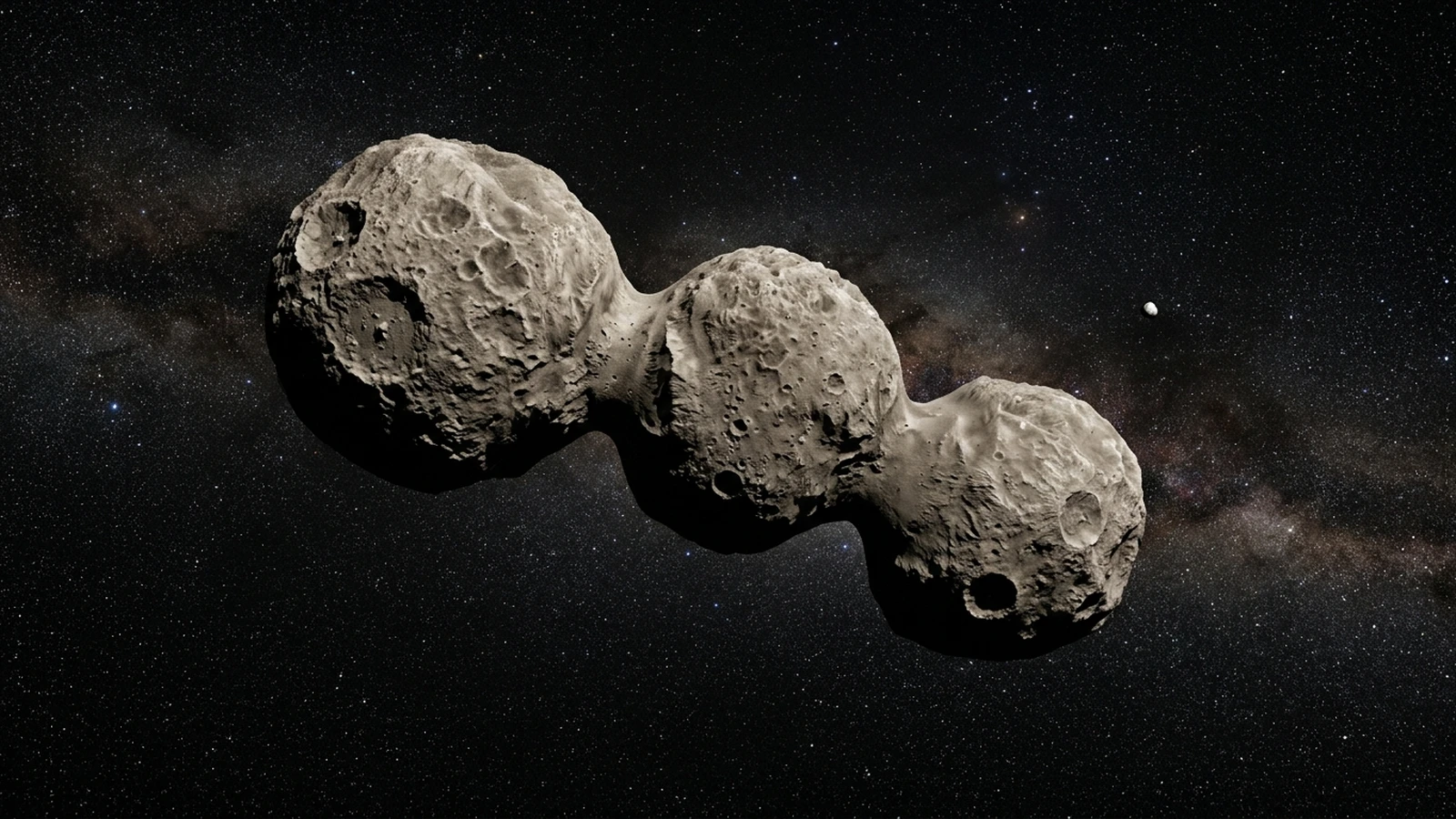
Vesta is the second-most massive object in the asteroid belt, after Ceres. With a mean diameter of 525 km (326 miles), it is roughly the size of Pakistan. But unlike most asteroids, tumbling hunks of undifferentiated rock and metal that have barely changed since the solar system formed, Vesta is something altogether stranger and more interesting.
It is one of only a handful of asteroids that underwent full planetary differentiation. Meaning: early in the solar system's history, around 4.56 billion years ago, Vesta accumulated enough radioactive material that its interior melted. Heavy iron and nickel sank to form a core. Lighter silicate rock rose to form a mantle and crust. For a while, Vesta had lava flows. It was, in every meaningful sense, becoming a small rocky planet.
Then Jupiter's gravity stirred up the asteroid belt too vigorously, prevented the material from accumulating further, and Vesta was frozen in time: a proto-planet interrupted.
Heinrich Wilhelm Olbers discovered it on 29 March 1807 from Bremen, making it the fourth asteroid ever found (after Ceres, Pallas, and Juno). Vesta's name comes from the Roman goddess of the hearth and home, the most widely worshipped deity in ancient Rome.
What NASA's Dawn Spacecraft Found on Vesta
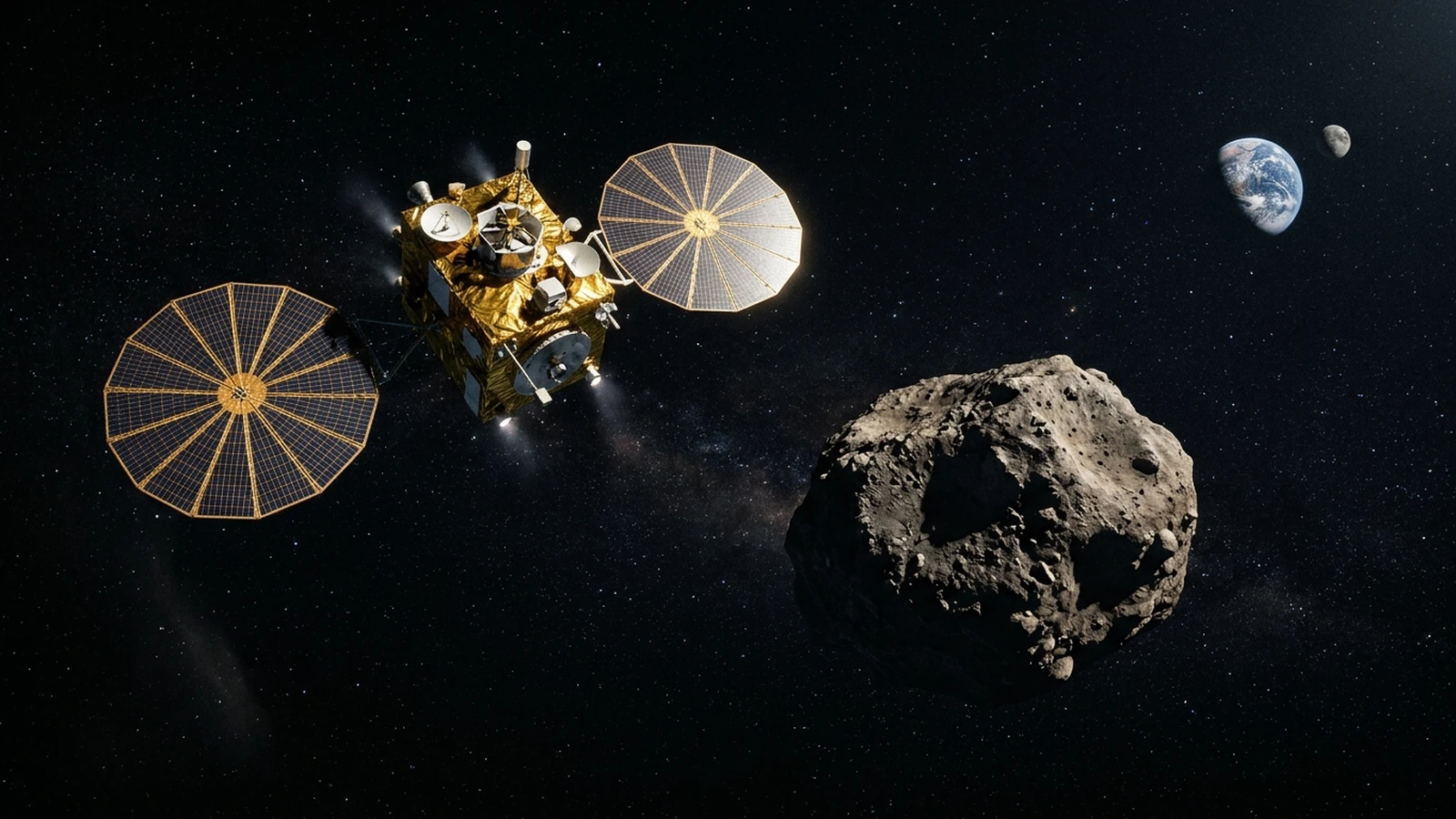
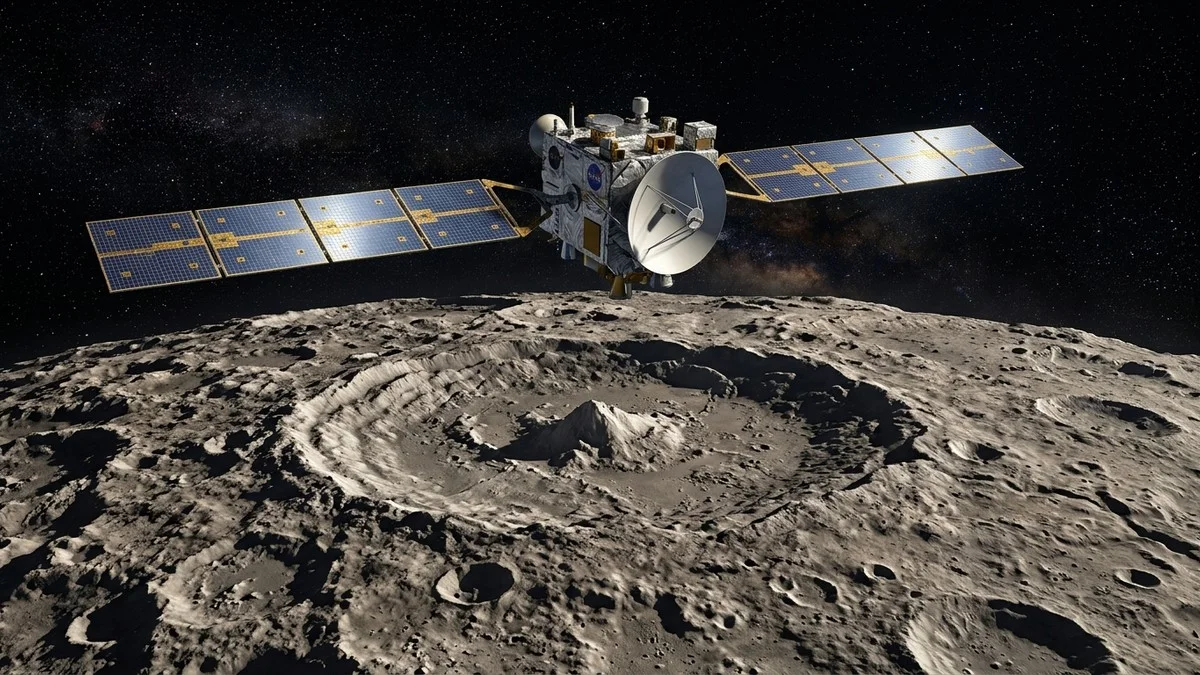
For 200 years after its discovery, Vesta was just a point of light. That changed on 16 July 2011, when NASA's Dawn spacecraft entered orbit. For 14 months, Dawn mapped every feature of this extraordinary world before departing for Ceres in September 2012.
What it found surpassed expectations.
The south pole of Vesta is dominated by Rheasilvia, an impact crater 505 km across, nearly as wide as Vesta itself. The collision that formed it, roughly one billion years ago, was catastrophic. It punched so deep that it gouged out material from Vesta's mantle. At the centre of this basin rises a central peak that is 20 km (12 miles) high, one of the tallest mountains in the solar system, surpassing Olympus Mons on Mars in relative height above its surroundings.
The violence of the Rheasilvia impact scattered debris across the inner solar system. Scientists believe that around 5% of all meteorites found on Earth, a group called the HED meteorites (howardites, eucrites, and diogenites), are chips of Vesta, blasted free by that ancient collision. Vesta is the only asteroid we can trace directly to our meteorite collections.
Dawn also found that Vesta's topography is more varied than the Moon's or Mercury's, relative to its size. The contrast between its cratered highlands and the smooth plains around Rheasilvia is stark. It is a world of extremes.
Finding Vesta on 2 May
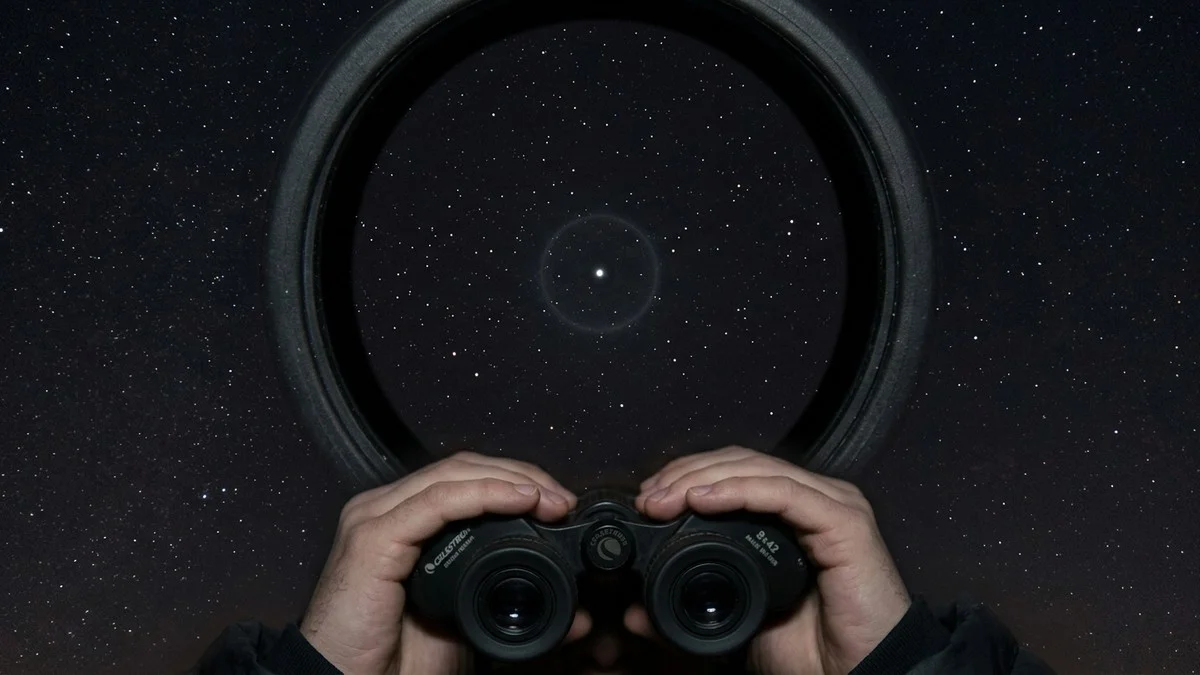
You needed: binoculars (any size would do, even 7×35 or 8×42 would work well) and a clear view to the south-east.
Step 1: Getting outside after dark. Vesta rose in the south-east around 10:00 pm BST and reached its highest point, around 25–28° above the southern horizon for UK observers, between midnight and 1:00 am BST. The later in the evening the better, as it got higher and the light passed through less atmosphere.
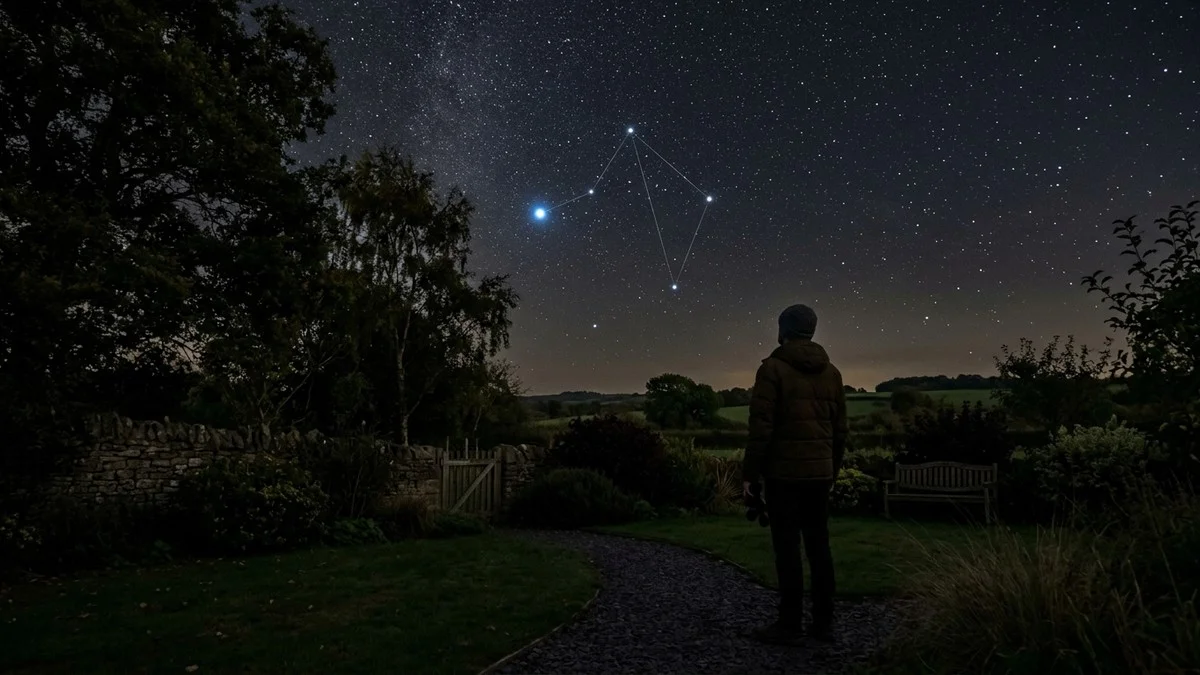
Step 2: Finding Libra. The constellation Libra (the scales) is a diamond-shaped pattern of moderately bright stars sitting south-east in the evening sky. It is not one of the showiest constellations, so a stargazing app (Stellarium, SkySafari, or Star Walk 2) would help pin it down quickly. Our Libra constellation guide has a detailed finding chart.
Step 3: Locating Zubeneschamali. The brightest star in Libra is Zubeneschamali (β Librae), one of the very few stars in the night sky with a perceptible green-blue tint. At magnitude 2.6, it is the obvious "anchor" of the constellation.
Step 4: Hopping to Vesta. The place to look was about 10° upper-right (north-northwest) of Zubeneschamali. A fist held at arm's length against the sky spans roughly 10°. Vesta was close to the faint magnitude 4.5 star 16 Librae. Through binoculars, a sweep of that area would show a non-twinkling point slightly brighter than the faint stars around it. Stars twinkle; Vesta, like all planets and asteroids, holds a steadier light.
Confirming it was Vesta: Noting the position carefully on 2 May, then looking again on 3 May, would show that Vesta had shifted slightly, about half a degree westward per day relative to the background stars. Nothing else in that patch of sky would have moved.
| Date | Vesta event |
|---|---|
| 2 May 2026 | Opposition, closest and brightest |
| 5–9 May | Still at peak brightness, excellent viewing |
| Mid-May | Begins to fade slightly as Earth pulls ahead |
| Late June | Fades to magnitude 7.5, needs good binoculars |
What Binoculars or a Telescope Would Have Shown
Be honest with yourself about what Vesta is: a point of light. Even through a large amateur telescope, it never shows a visible disc. It is too small and too far away. What anyone was looking at was reflected sunlight from a world 525 km wide, 110 million miles away.
That said, there is something satisfying about looking at that tiny steady dot and knowing what it is. This is a differentiated proto-planet with a core, a mantle, a crust, and a crater the size of a small country. Several actual meteorites sitting in museums around the world were once part of it. NASA spent a year orbiting it. It is a real place.
Through a small telescope (70–90mm), you could try to watch Vesta move in real time by sketching the field and comparing two nights in a row. The shift is slow but definite: ancient astronomy in miniature.
How to Photograph Asteroid Vesta
Vesta is surprisingly easy to photograph: you do not need specialist equipment.
Smartphone: A phone on a tripod, in night mode or a long-exposure app and pointed at the Libra region, could take a 3–5 second exposure. Vesta should show up as a faint dot. To confirm which dot was Vesta, a second frame 15–20 minutes later would help. Vesta wouldn't have moved relative to the stars in that short a time, but stacking the two images and blinking between them is satisfying.
DSLR / mirrorless: The settings were ISO 800–1600, f/2.8 to f/4, a 10–20 second exposure, and a wide-angle to standard lens (35–85mm), focused on infinity using a bright star. At this magnification Vesta was a single point among many, so a star chart was needed to identify it. A tracking mount (like the Sky-Adventurer) allows much longer exposures without star trails, making Vesta easier to pick out.
Telescope with camera: Even a small refractor with a DSLR or a ZWO-style planetary camera could capture Vesta easily: exposing for the brighter stars left Vesta a natural-looking point source. A series taken at 5–10 minute intervals would show its motion against the background.
How Long Vesta Was Expected to Stay Bright in 2026
Vesta does not fade quickly. The weeks after opposition were still expected to offer excellent viewing: the best window was broadly the first two weeks of May. By the end of May it was due to have dropped to around magnitude 7.0–7.5, still visible in binoculars but less punchy. By summer it would retreat back into the noise.
What's unusual about 2026 is that there are actually two Vesta oppositions this year. The second falls on 13 October 2026, so anyone who missed the May window gets another crack at it in the autumn.
If you had never hunted an asteroid before, this was the one to start with. Vesta is the brightest asteroid in the sky, it was at peak brightness on 2 May, and this guide showed exactly where to look.
What you need to see Vesta
Kit we've tested and reviewed in full
Vesta only needs binoculars to find: any pair will do at opposition. A small telescope lets you watch it move night to night. And if you want to photograph it drifting against the stars, a tracking mount is the one upgrade that makes all the difference.
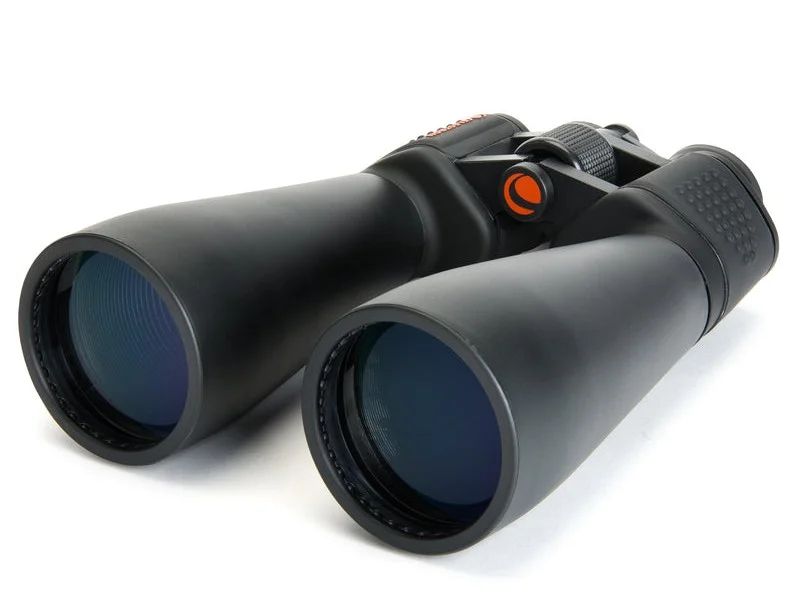
At magnitude 5.7, Vesta would jump out of the star field through 15×70s immediately. Wide enough to take in all of Libra while still showing the fainter reference stars you need to confirm which dot is the asteroid.
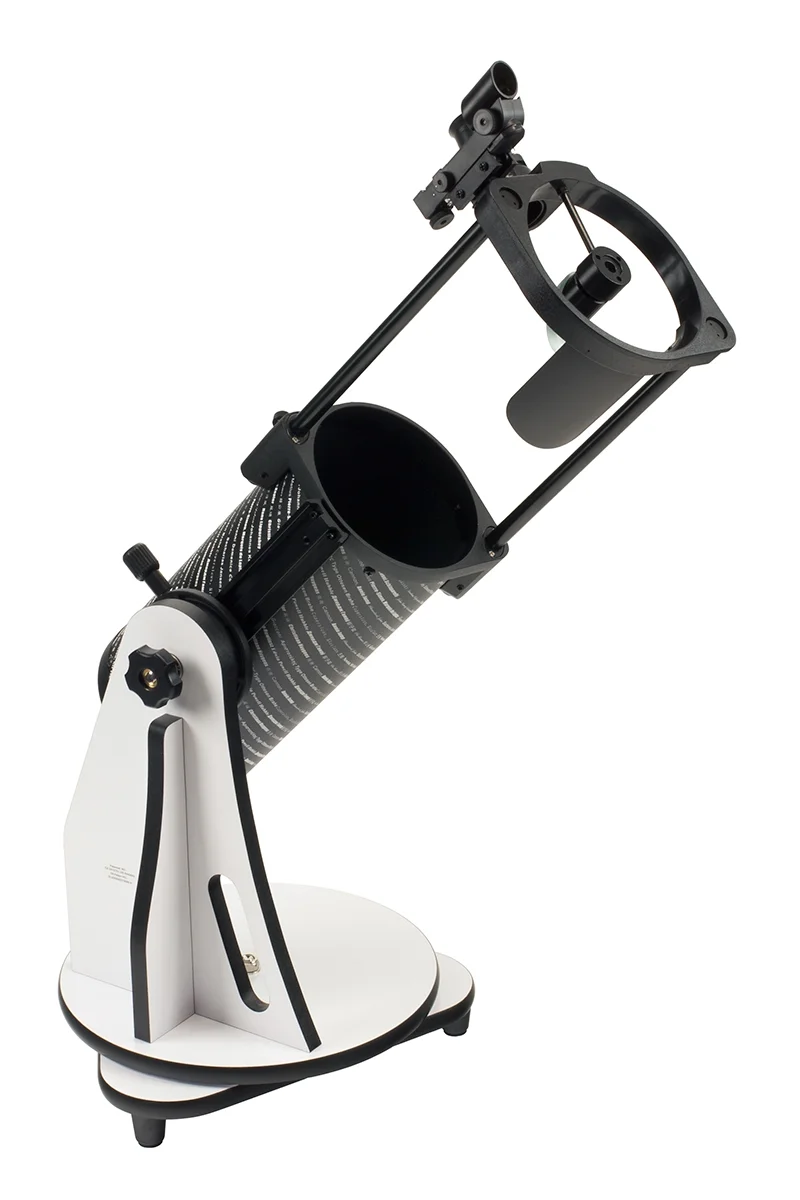
130mm of aperture pulls Vesta into clear, steady view. Sketching the field one night and coming back the next would show it had shifted against the background stars. That's the moment you stop seeing a dot and start seeing a world.
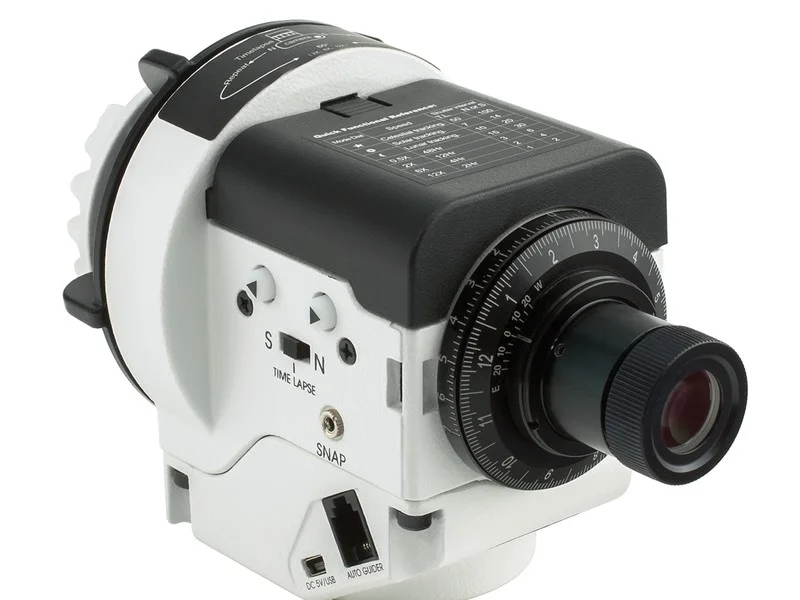
Sky-Watcher Star Adventurer 2i
Strapping a DSLR to this allows 60-second exposures without star trails. Vesta would be obvious in a single frame, and a sequence taken an hour apart would show it visibly drifting. Worth every penny if you shoot the night sky at all.
Affiliate links: you pay the same price, we earn a small commission that helps keep WatchTheStars free.
WatchTheStars covers UK stargazing news, guides, and solar system deep-dives. Our Asteroid Belt guide and Libra constellation page have more on the region of sky Vesta calls home.
Frequently Asked Questions
Equipment guides
Related topics
Ian ClaytonAmateur astronomer and founder of WatchTheStars.co.uk, dedicated to helping others explore the wonders of our universe. Full profile →