Key takeaways
- The Full Flower Moon peaked on May 1 at 18:23 BST: a Micromoon between Spica and Antares
- Venus (mag −3.9) blazed through Taurus near the Pleiades and Aldebaran all week
- Jupiter (mag −2.1) remained brilliant in Gemini, setting after 1am BST
- The Eta Aquariid meteor shower began building: best predawn viewing from May 2 onwards
- Saturn returned to the predawn sky, rising about an hour before sunrise
Jump to section 7 sections
The final week of April handed us a beautiful Full Moon, two dazzling planets commanding the evening sky, and the first stirrings of a meteor shower born from Halley's Comet. Here was everything worth looking up for from the UK between Sunday April 27 and Saturday May 3.
Full Flower Moon: May 1
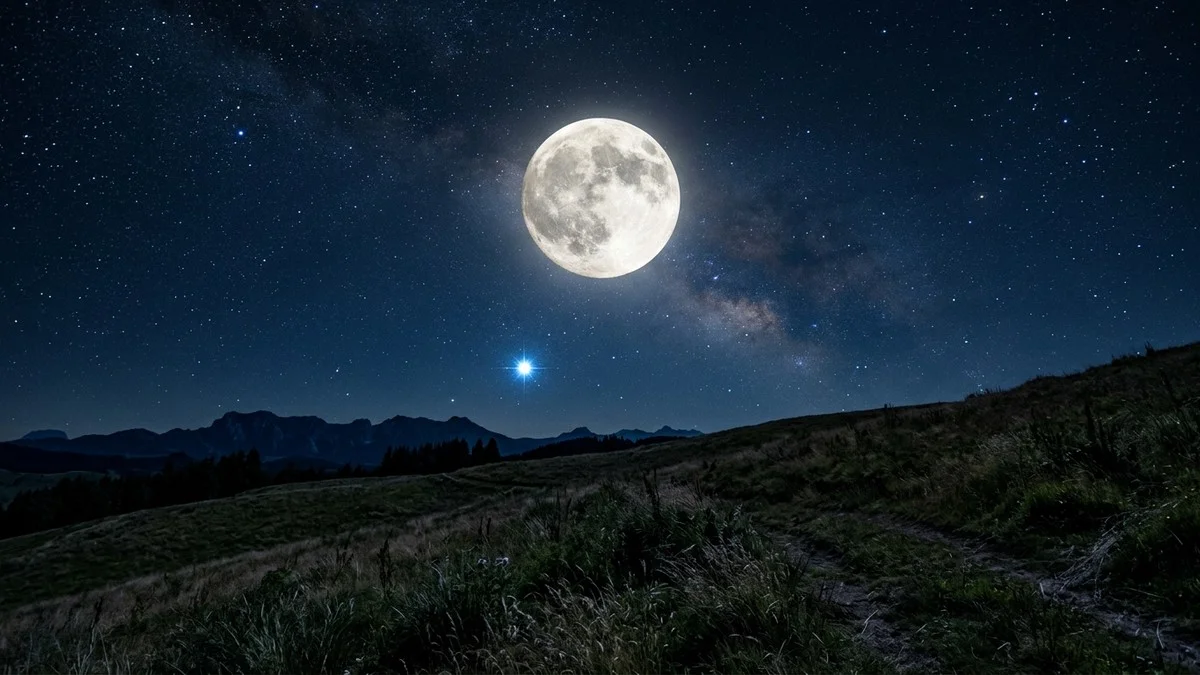
The headline event that week was the Full Flower Moon, which reached peak illumination at 18:23 BST on Thursday May 1. It earns its name from the wildflowers carpeting meadows across the Northern Hemisphere by early May: bluebells, cow parsley, and hawthorn blossom were all expected to be out in force for anyone photographing the moonrise over a local landscape.
This was technically a Micromoon: the Moon sat near apogee (its farthest point from Earth), so it appeared about 5% smaller and 10% dimmer than an average Full Moon. The difference wasn't noticeable with the naked eye, though astrophotographers might have spotted slightly less surface detail at the same focal length.
On the evenings of April 28–30, the waxing gibbous Moon passed close to Spica, the blue-white jewel of Virgo. Spica sat just 1° from the lunar limb on April 29: the advice was to look carefully, because the Moon's glare would try to wash it out. By May 1, the Full Moon drifted into Libra, hanging roughly midway between Spica to its west and red Antares (in Scorpius) to its east. By May 2–3, the now-waning Moon slid closer to Antares low in the south-southeast after midnight.
Kit needed: Naked eye. Binoculars were the way to pick out Spica against the lunar glare on April 29.
Venus Blazed Through Taurus
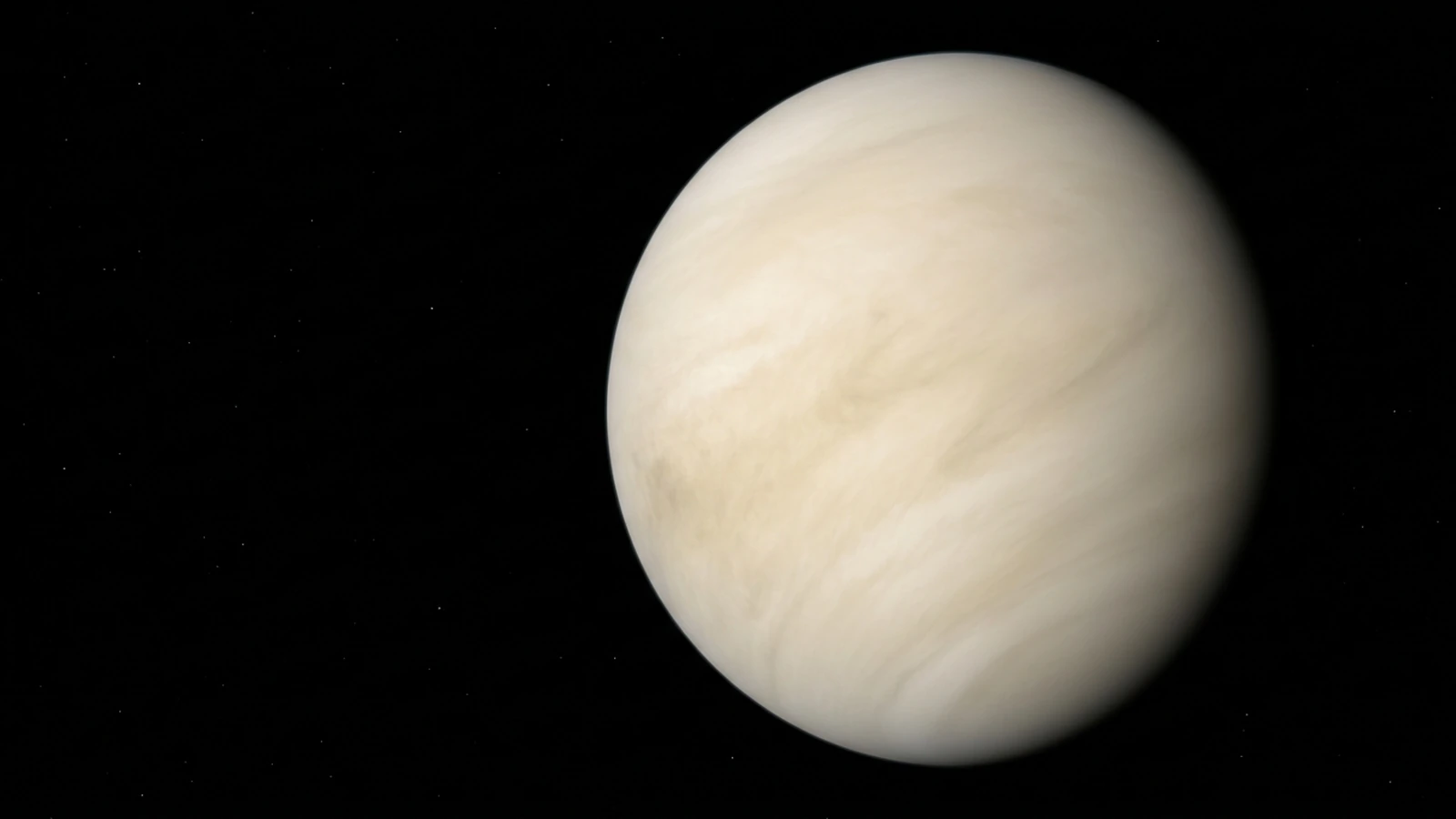
Venus remained the undisputed queen of the evening sky at a brilliant magnitude −3.9. That week it tracked eastward through Taurus, passing close to the 4th-magnitude stars Kappa (κ) and Upsilon (υ) Tauri on April 30. It sat in a stunning zone of sky: looking west after sunset, Venus was positioned between the Pleiades (upper left) and orange Aldebaran (lower right).
Venus set about two hours after the Sun, so the window was roughly 21:00–22:30 BST. A spot with a clear western horizon gave the best show. In binoculars, you could frame Venus with the Pleiades star cluster in the same field of view, a gorgeous pairing.
For the full story on Venus in 2026, including its June conjunction with Jupiter, see our Observing Venus Throughout 2026 guide.
Kit needed: Naked eye to enjoy. Binoculars for the Venus + Pleiades pairing.
Jupiter Held Court in Gemini
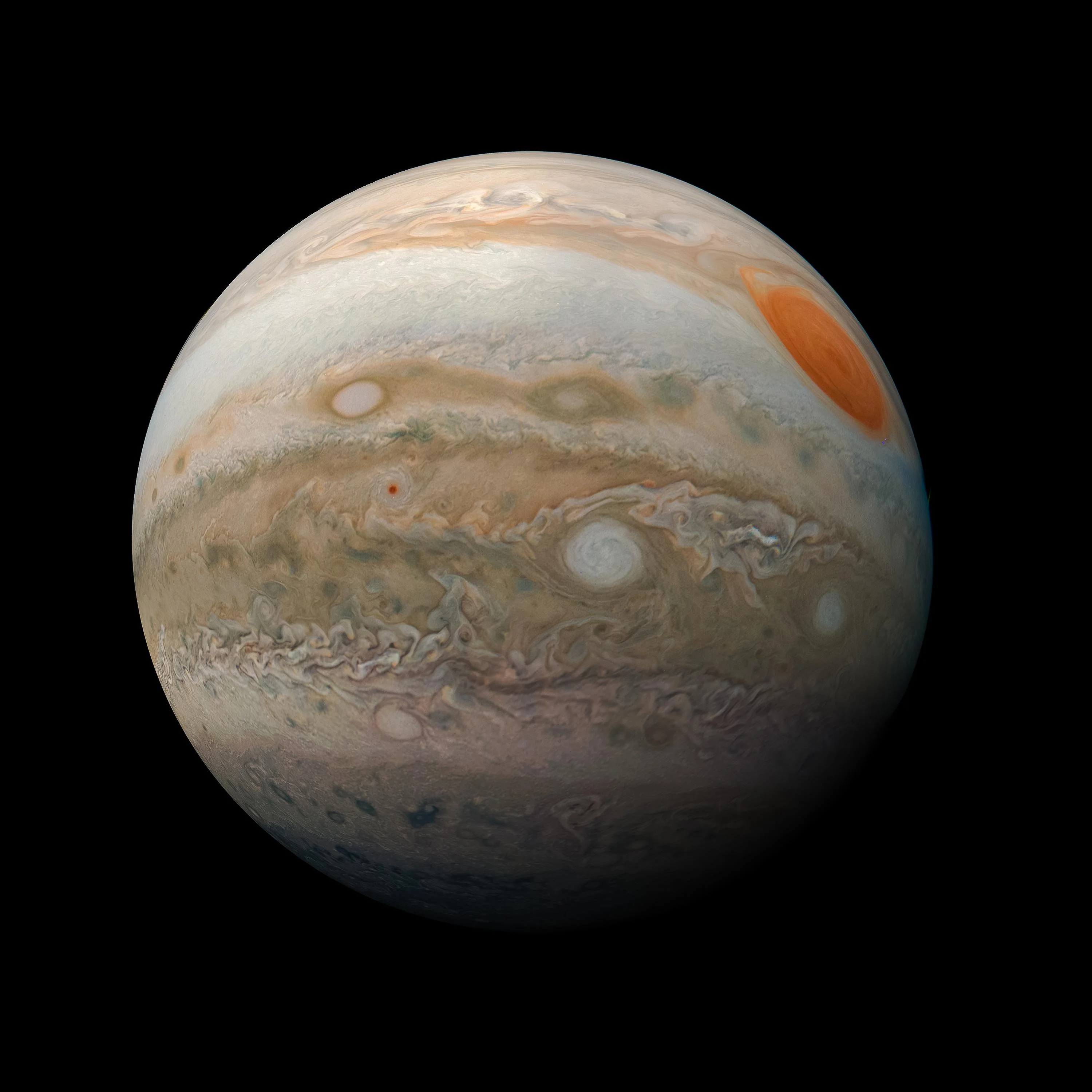
Jupiter shone at magnitude −2.1 in Gemini, sitting 8° to the lower left of Pollux. It was high in the south-west as darkness fell and didn't set until around 01:30 BST, giving a generous evening window to observe it.
Through a telescope at 100× or more, the cloud belts were expected to be crisp in the steady April air, with all four Galilean moons spread to either side of the disc. This was one of the last comfortable months to observe Jupiter before it sank into the evening twilight later in May: the idea was to make the most of it while it was still well-placed.
Venus and Jupiter were the two brightest "stars" in the evening sky at that time, with Venus lower in the west and Jupiter higher in the south-west. They were slowly converging toward their spectacular conjunction on June 9: that week they were separated by about 35°, with the gap due to shrink over the following weeks.
For telescope targets on Jupiter that week, see our Observing Jupiter Throughout 2026 guide.
Kit needed: Naked eye for the planet itself. Telescope (any size) for cloud belts and moons.
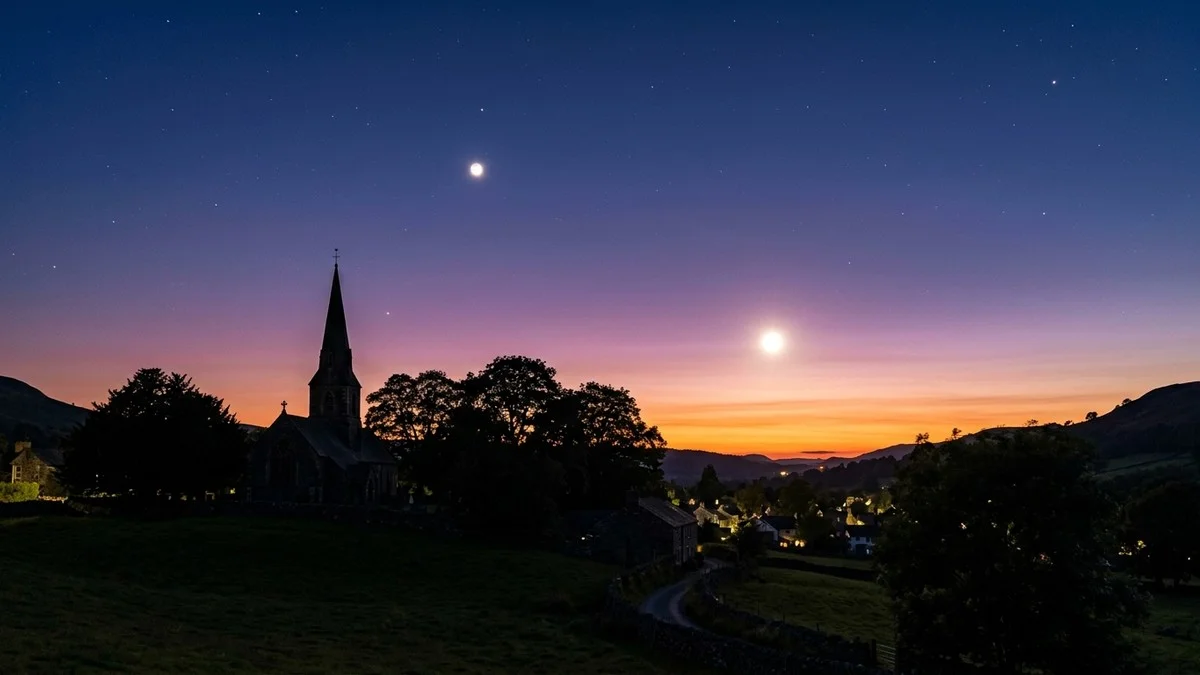
Right kit for that week's Venus, Jupiter and Full Moon show
Kit we've tested and reviewed in full
With Venus sitting next to the Pleiades, Jupiter's moons on show, and a low, hazy Saturn just clearing the horizon at dawn, this was a genuinely good week to have binoculars to hand. Here's what we'd reach for.
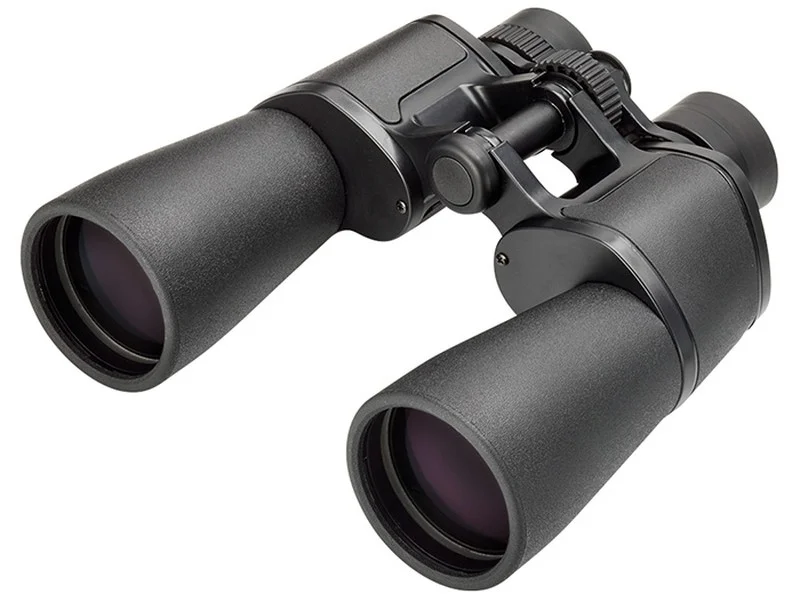
Perfect for framing Venus alongside the Pleiades on April 30, or picking Spica out of the Moon's glare on the 29th. Light enough to grab on the way out the door.
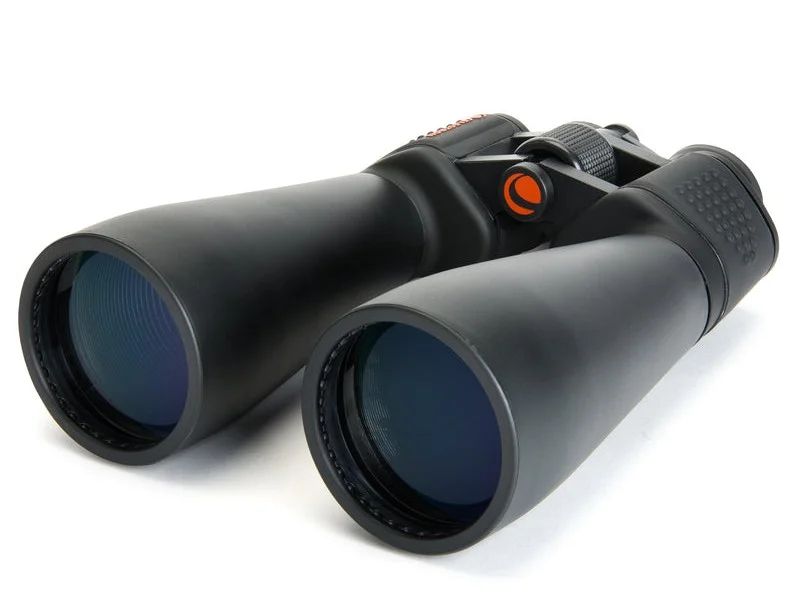
The extra aperture earned its keep on Saturn's return that week: it was still low and hazy near the horizon, and these would help you confirm the sighting before it climbed higher through May.
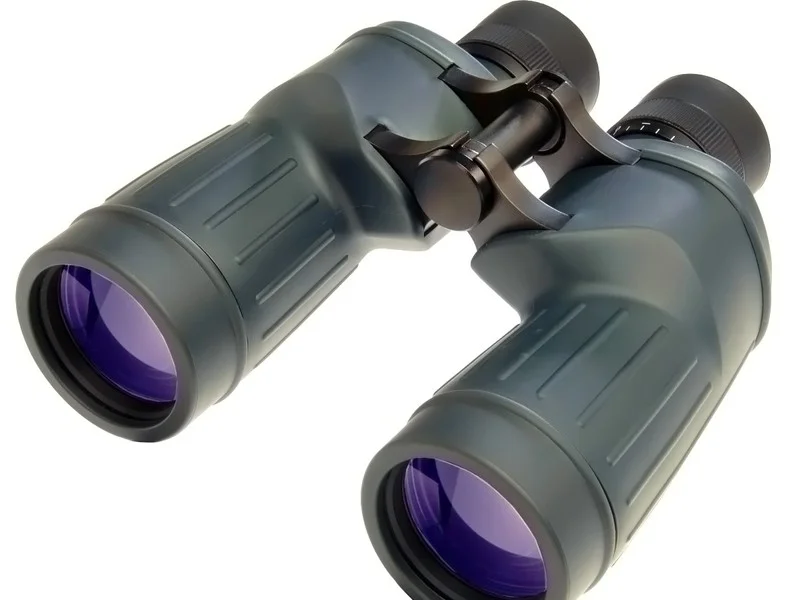
A step up in build quality for anyone making a habit of these weekly sky checks. Sharp enough for the Moon's craters on any night that week bar the washed-out Full Moon itself.
Affiliate links: you pay the same price, we earn a small commission that helps keep WatchTheStars free.
Saturn Returned at Dawn
Saturn was emerging from behind the Sun and was visible in the predawn sky, rising roughly an hour before sunrise. From the UK, the place to look was low to the east-southeast around 04:30–05:00 BST, where it shone at about magnitude +1.0 in Pisces. It was still low and hazy, so binoculars were the best way to confirm the sighting, but it was due to improve rapidly through May as it climbed higher each morning.
This was Saturn's first comfortable return since its solar conjunction earlier that year. For early risers, it was worth checking in every few days to watch it climb.
Kit needed: Binoculars helpful for low-altitude confirmation. Telescope views were due to improve in May/June.
Eta Aquariids Began Building
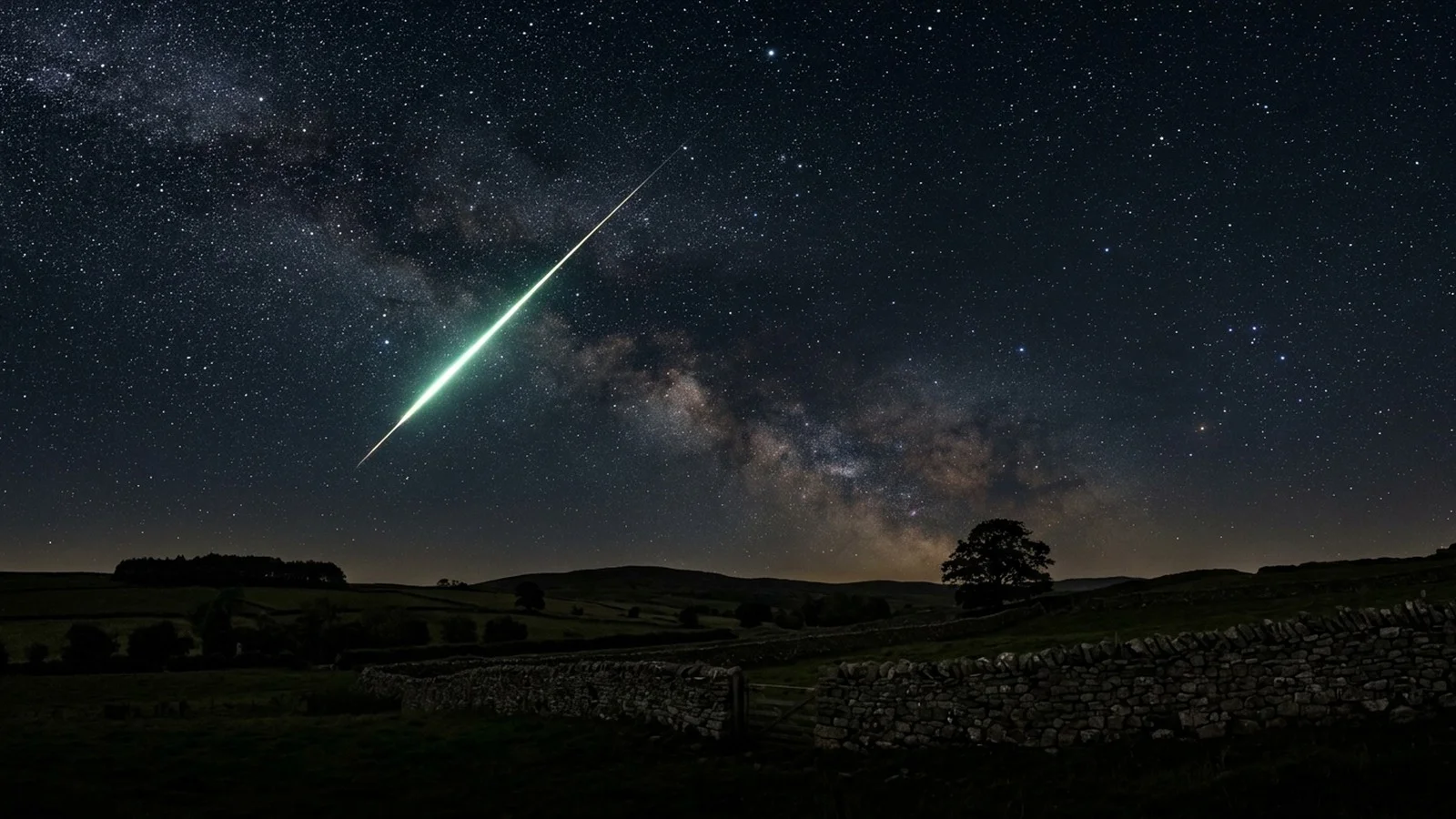
The Eta Aquariid meteor shower, debris from Halley's Comet, was active and building toward its peak around May 5–6. That week offered a chance of catching the first early meteors, particularly from May 1 onwards as rates began to climb.
The radiant (the point meteors appear to stream from) is in Aquarius, which rose in the east around 02:00–03:00 BST. This shower favours the Southern Hemisphere, but from the UK the expected rate was 5–10 meteors per hour in the predawn hours during the peak, fewer that week as the shower was still in the build-up phase.
The bad news: the Full Moon on May 1 meant the waning gibbous would compete with faint meteors during the best viewing window (02:00–dawn). The best bet that week was the predawn hours of May 2–3, when the Moon had shifted slightly and the shower was ramping up. The advice was to look away from both the Moon and the radiant: about 40–50° up in any clear dark patch of sky.
For a refresher on meteor shower viewing technique, see our Lyrid Meteor Shower Guide, the same principles apply.
Kit needed: Naked eye only: no optics needed for meteors.
Comet PanSTARRS Update
Comet C/2025 R3 (PanSTARRS) reached its closest approach to Earth on April 27 at a distance of 44 million miles. However, the comet was by then too close to the Sun in the sky to observe from the Northern Hemisphere: it was effectively lost in the solar glare after its perihelion passage on April 19.
If you caught it in the predawn sky earlier in April, congratulations: you saw a comet that won't return for another 170,000 years. For Southern Hemisphere observers, there might still be a brief evening-sky window in early May, but for UK stargazers, the PanSTARRS show was over.
For the full story on this remarkable visitor, see our Comet PanSTARRS Guide.
🔭 Will Tonight Be Worth It?
With the bright Moon washing out faint stars for much of that week, picking the right night mattered more than usual. Our free Tonight tool gives your local stargazing conditions a score from 1–10 based on your UK postcode: factoring in cloud cover, Moon brightness, light pollution, and transparency. You can also sign up for free email alerts so we'll message you on afternoons when conditions actually justify dragging the scope out.
Your Viewing Planner
Here is a night-by-night summary of the highlights:
Sunday April 27: Venus and Jupiter were both visible from 21:00 BST. Moon 95% illuminated, rising late evening. Comet PanSTARRS at closest approach but unobservable (in solar glare).
Monday April 28: Moon passed near Spica in Virgo. Venus near κ and υ Tauri.
Tuesday April 29: Moon–Spica closest approach (~1°). Best chance to spot Spica through the glare with binoculars.
Wednesday April 30: Venus at its most photogenic position between Pleiades and Aldebaran. Moon 99% illuminated.
Thursday May 1: Full Flower Moon (18:23 BST). Moon in Libra between Spica and Antares. Worst night for faint deep-sky objects.
Friday May 2: Waning gibbous rose later. First Eta Aquariid meteors worth watching in predawn hours (02:00–04:30 BST).
Saturday May 3: Moon approached Antares (south-southeast after midnight). Saturn visible predawn. Eta Aquariids continued building.
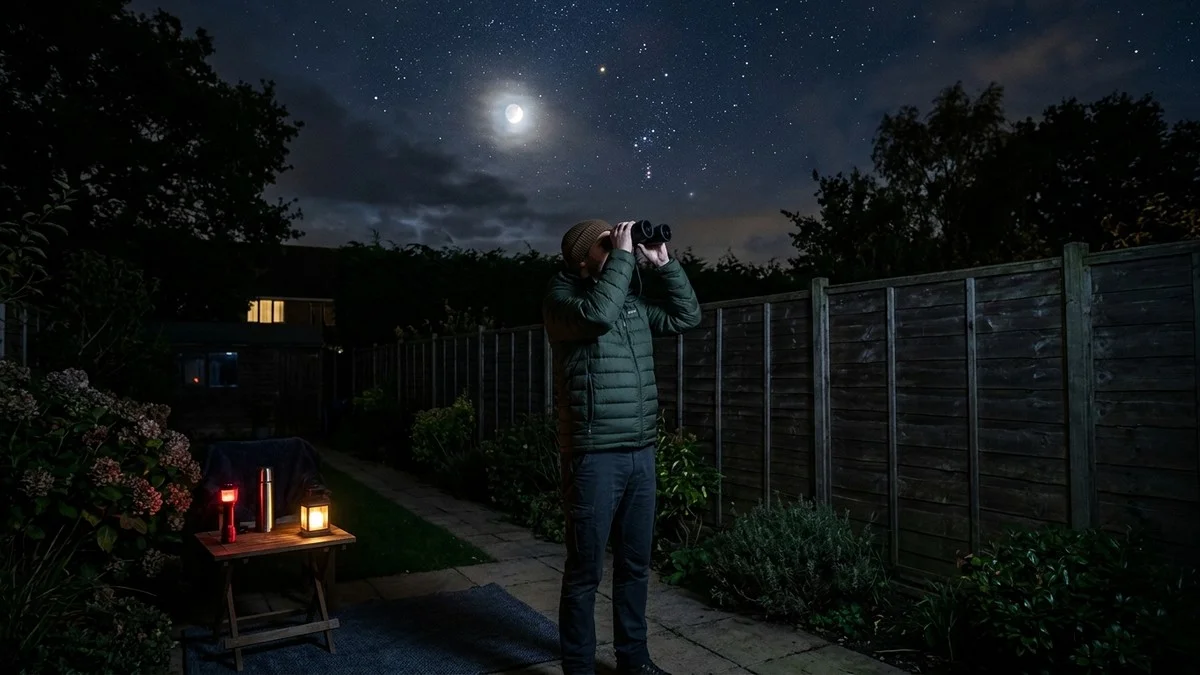
Quick tips for that week:
- Best planet nights: Any clear evening that week: Venus and Jupiter were unmissable from 21:00 BST.
- Best deep-sky night: April 27 (Moon rose late) or May 2–3 (Moon rose after midnight). The Full Moon on May 1 was the worst night for galaxies and nebulae.
- Sunrise/sunset (central England): Sun rose ~05:45 BST, set ~20:25 BST. Astronomical twilight ended around 22:45 BST.
- Dress warm: late April nights still drop to 4–7°C after midnight, even when the days feel spring-like.
Clear skies!
Frequently Asked Questions
Equipment guides
Related topics
Ian ClaytonAmateur astronomer and founder of WatchTheStars.co.uk, dedicated to helping others explore the wonders of our universe. Full profile →