Key Takeaways
- A second CME is inbound: the Met Office forecasts it to reach Earth late on Sunday 5 July or into Monday 6 July, with a possible arrival around 11:00 UTC on 5 July, though timing is low confidence
- Conditions are expected to be Unsettled to Active (Kp 3–4) through much of Sunday, then a likelihood of further G1–G2 (Minor to Moderate) storming and a chance of isolated G3 (Strong) intervals once the cloud arrives
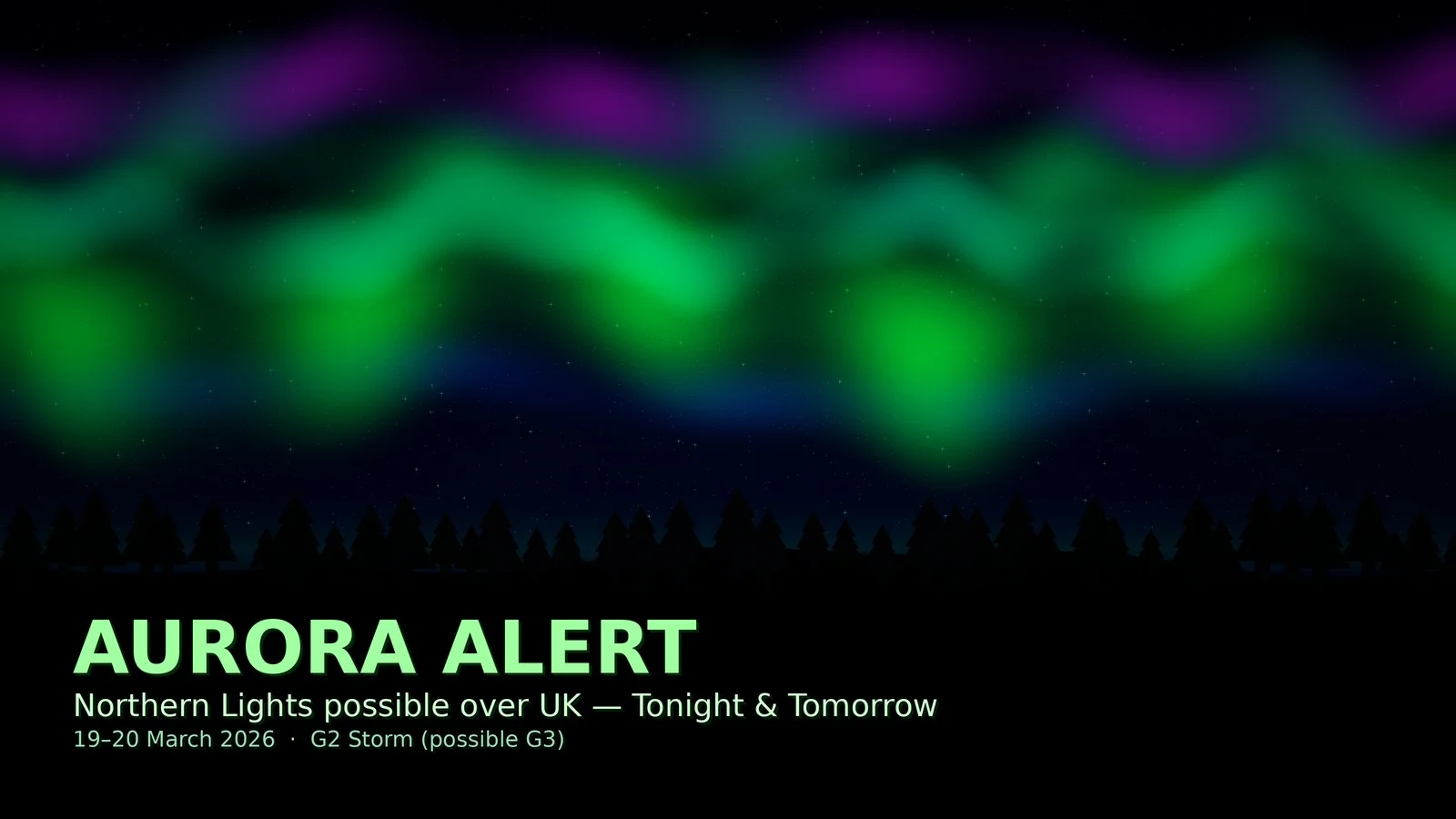
- The Met Office says aurora may be visible from Scotland, Northern Ireland and much of northern England during Sunday night's limited hours of darkness, before levels drop back afterwards
- A G3 burst, if it lands, could push a visible display further south than the weekend's G1–G2 managed — but it's not guaranteed, so watch the live alerts
- The biggest obstacle is still the calendar: early July means true astronomical darkness is gone in Scotland, leaving only a short, bright twilight window between roughly midnight and 2:00am BST
📑 Table of Contents
The weekend's not over yet. After the first cloud from the X1.1 solar flare of 30 June — the strongest of the summer so far — sparked G1–G2 (Minor to Moderate) geomagnetic storming over Friday and Saturday, a second coronal mass ejection is now inbound. The Met Office expects it to reach Earth late on Sunday 5 July 2026 or into Monday 6 July, with a possible arrival around midday UTC on Sunday, though the timing is low confidence. Conditions should stay Unsettled to Active through the day, then step up to a likelihood of further G1–G2 storming and a chance of isolated G3 (Strong) intervals once that cloud hits. That's enough to put aurora in play for Scotland, Northern Ireland and much of northern England during tonight's short window of darkness. The catch, as ever at this time of year, is the calendar. We're barely two weeks past the summer solstice, so the UK gets almost no proper darkness, and that short, bright window is the biggest limit on what anyone will actually see. But if you're anywhere in the northern half of the UK with clear skies tonight, it's worth setting an alarm and watching the northern horizon.
What Caused This Alert?
At 20:50 UTC on 30 June, sunspot region AR4479 produced an X1.1 solar flare — X-class is the top category, and this was the biggest flare the Sun has thrown at us all summer. It briefly knocked out high-frequency radio across parts of North America, but the part that matters for aurora watchers came next: the eruption launched a full-halo coronal mass ejection (CME). "Full halo" is the telltale sign that the cloud is coming straight at us — from Earth's viewpoint it expands in every direction around the Sun, like watching a ball thrown directly at your face.
And it was quick. Measurements put the cloud's speed at roughly 1,500 kilometres per second — over three million miles per hour — and it arrived on schedule, driving G1–G2 (Minor to Moderate) storm conditions across 3–4 July. Fast CMEs hit harder: they slam into Earth's magnetic field like a shove rather than a breeze, and that impact is what rattles the field and switches the aurora on. That first cloud has now cleared — but the Sun fired off a run of flares and CMEs at the turn of the month, and the next of those is inbound now, forecast to reach Earth late on Sunday 5 July or into Monday 6 July. So the story isn't over.
Whether we actually see aurora comes down to the usual wildcard: the Bz component of the solar wind's magnetic field. When Bz tips southward, it unlocks Earth's magnetic shield and lets the solar wind pour energy into our atmosphere — that's when the lights switch on. When it points north, even a strong wind stream produces little. Bz can't be predicted in advance, only watched in real time, which is why the alert services below matter so much.
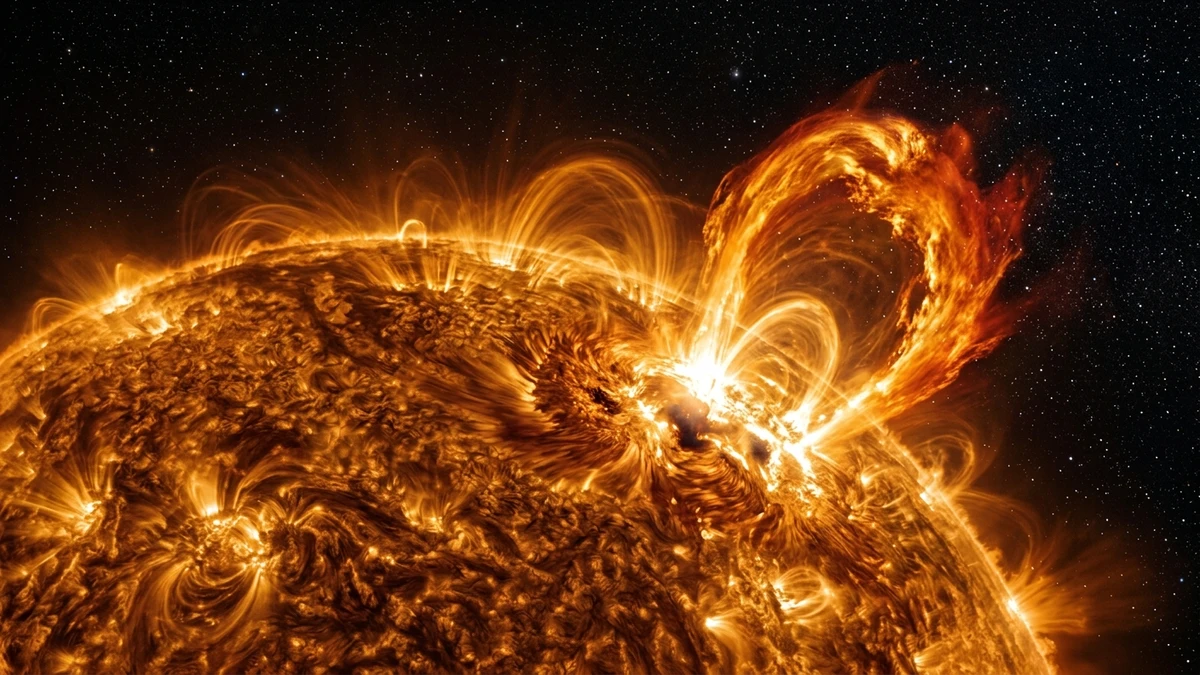
So where do things stand now? The first cloud has cleared and the focus shifts to the second CME, due late on Sunday 5 July or into Monday 6 July — the Met Office puts the possible arrival around 11:00 UTC on Sunday, though it warns the timing is low confidence. The forecast: Unsettled to Active (Kp 3–4) through much of Sunday, then a likelihood of further G1–G2 storming and a chance of isolated G3 (Strong) intervals once the cloud lands. And the Sun isn't finished: region AR4479 and its neighbours remain magnetically complex, with a chance of further X-class flares in the coming days. Tonight's story will come down to when exactly that cloud arrives and which way the all-important Bz tips when it hits.
When Could the Northern Lights Be Visible?
Tonight — Sunday 5 July into the early hours of Monday — is the one to watch. The second CME is due to arrive late Sunday or into Monday, and the Met Office says aurora may be visible from Scotland, Northern Ireland and much of northern England during Sunday night's limited hours of darkness, before levels drop back afterwards. If the storm times its arrival with our brief window of darkness and a G3 burst lands, it could be the best display of the run. Keep half an eye on the real-time alerts below and be ready to move if AuroraWatch UK flips amber.
The honest caveat — and the Met Office makes it too — is the season. We're just past the summer solstice, so the UK barely gets dark at all. In northern Scotland the sky never reaches true astronomical darkness; the best you get is a short, bright twilight around 00:00 to 02:00 BST. A G2–G3 storm is strong enough to fight through some of that brightness, but the strategy stays the same: be in position by midnight, watch the northern horizon, and let your phone camera do the heavy lifting — it will pick up colour your eyes can't.
Within that window, aurora activity comes in bursts called substorms that can flare up and die away within 20–30 minutes. If AuroraWatch UK goes amber or red during the night, that's your cue — the magnetometers are seeing real disturbance over the UK right now, not a forecast.
Where in the UK Can You See Them?
Aurora visibility depends on your latitude and the storm intensity. With G1–G2 likely tonight and a chance of an isolated G3 (Kp 5–7) burst, here's the realistic picture:
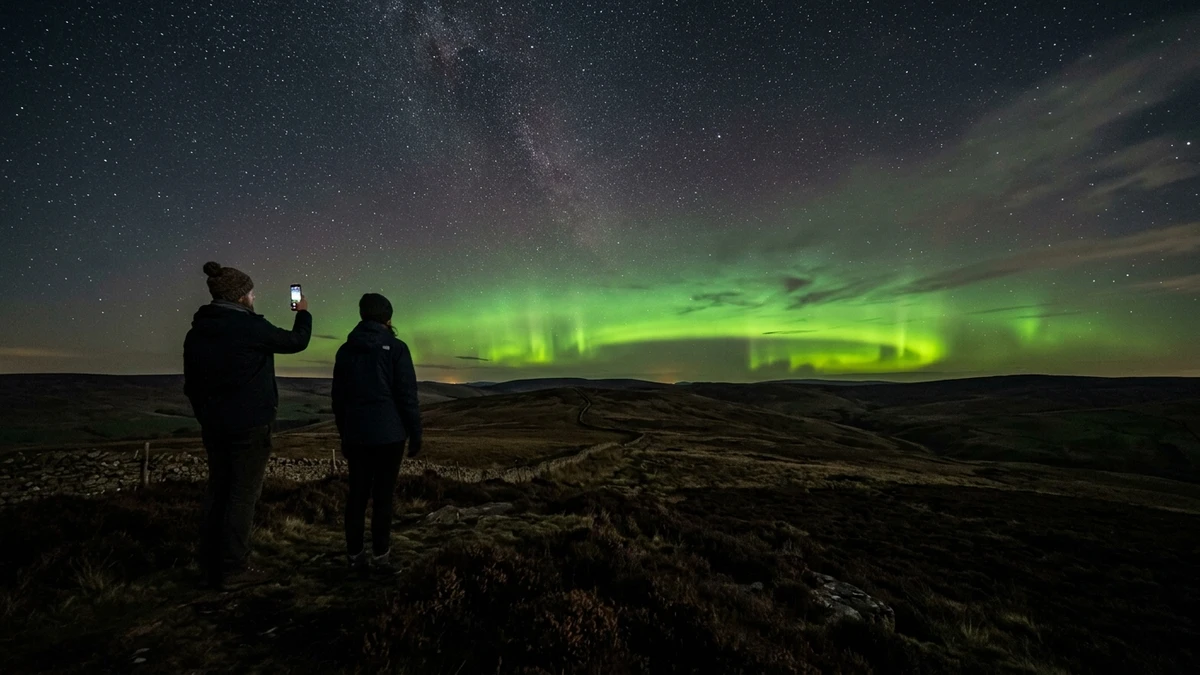
Scotland — Best chance tonight. All of Scotland is in play at G1–G2. Caithness, Orkney and Shetland have the strongest odds, with the Highlands and Cairngorms close behind — and if the second CME delivers an isolated G3 burst during the dark window, even the central belt gets a look-in, with a visible green arc possible low on the northern horizon from dark spots outside Edinburgh and Glasgow. Pillars and colour will come through clearly on camera even when the eye sees little. Find a north-facing viewpoint away from town lights and watch from midnight onwards.
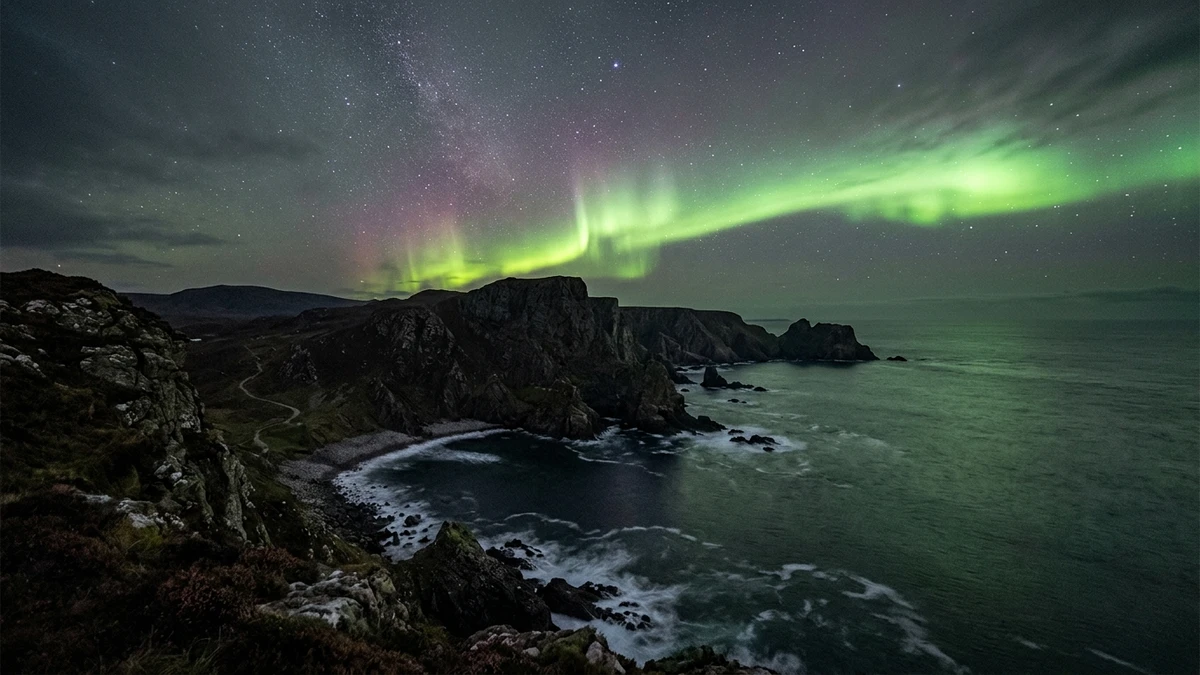
Northern England and Northern Ireland — In the frame tonight, with a naked-eye chance. The Met Office specifically names Northern Ireland and much of northern England for tonight. Northumberland, the Lake District, the Yorkshire coast and the north coast of Northern Ireland are all in camera range, and if a G3 interval lands during darkness, a faint glow could be visible to the eye from genuinely dark northern horizons. The bright midsummer twilight is the enemy here, so get somewhere properly dark and take long-exposure phone shots even if your eyes see nothing.
Wales, the Midlands, and southern England — Probably not, but keep a camera handy. Even with a G3 chance, an early-July twilight event is unlikely to reach these latitudes in any visible way — though a long-exposure camera pointed north from a dark coastal spot costs nothing to try if the storm overperforms. The good news: at Solar Maximum the next bigger event is never far away, and the nights start drawing in again from here. Bookmark this page; it's updated with every fresh alert.
How to See the Northern Lights Tonight
If you're anywhere in Scotland, northern England or Northern Ireland tonight, a few simple steps make all the difference for a G1–G2 (and possibly G3) event:
- Check AuroraWatch UK first. There's no point heading out if UK magnetometers are showing green. Wait for amber or red before making the effort. aurorawatch.lancs.ac.uk — free alerts by email.
- Wait for the darkest hours. Just past the solstice the sky never fully darkens in Scotland — the deepest twilight is around 00:00–02:00 BST. A bright sky will drown out a faint aurora, so timing matters. Your window is short, so be ready for it.
- Get away from light pollution. Even a G1–G2 aurora low on the horizon is easily lost to streetlights. Use lightpollutionmap.info to find a genuinely dark spot with a clear view north — at least a mile from town lights.
- Face north and use your phone camera. Modern smartphones in Night Mode or Pro mode see more aurora than the naked eye. Point the camera north and take a shot even if you cannot see anything — the camera often picks up colour on the horizon that's invisible to the eye.
- Don't wait for the perfect moment. Aurora activity comes in bursts (substorms) that can switch on and off within 20–30 minutes. Check repeatedly through the midnight-to-02:00 BST window — with the second CME due to arrive late Sunday into Monday, tonight is the peak chance of the run, so make every clear moment count.
Keep this checklist bookmarked beyond tonight, too — our full guide to seeing the northern lights from the UK covers the same steps in more depth for whenever the next alert goes out.
Widen Your View While You Wait for the Colours
Kit we've tested and reviewed in full
Aurora watching is mostly about patience and a dark northern horizon, but binoculars are handy for scanning wider stretches of sky and picking out faint pillars your eyes might miss.
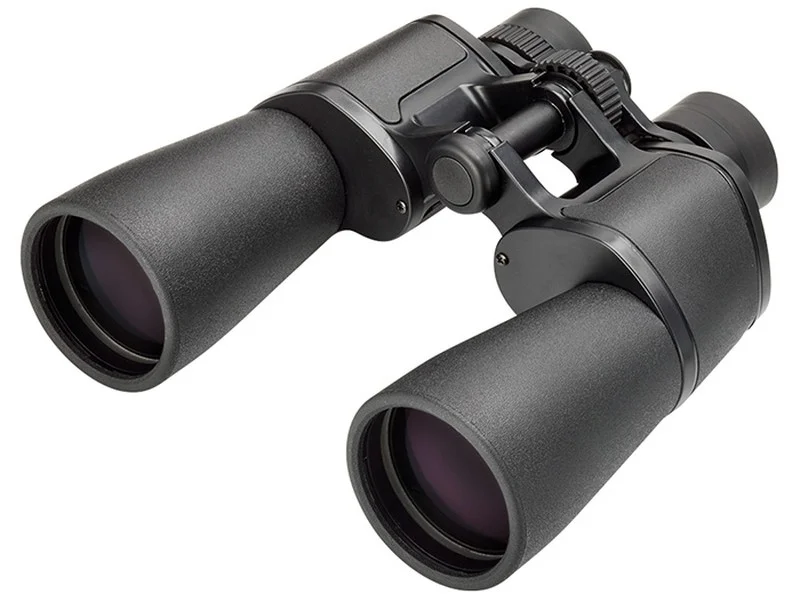
Light and quick to grab when AuroraWatch flips amber, with a wide field for scanning the northern horizon.
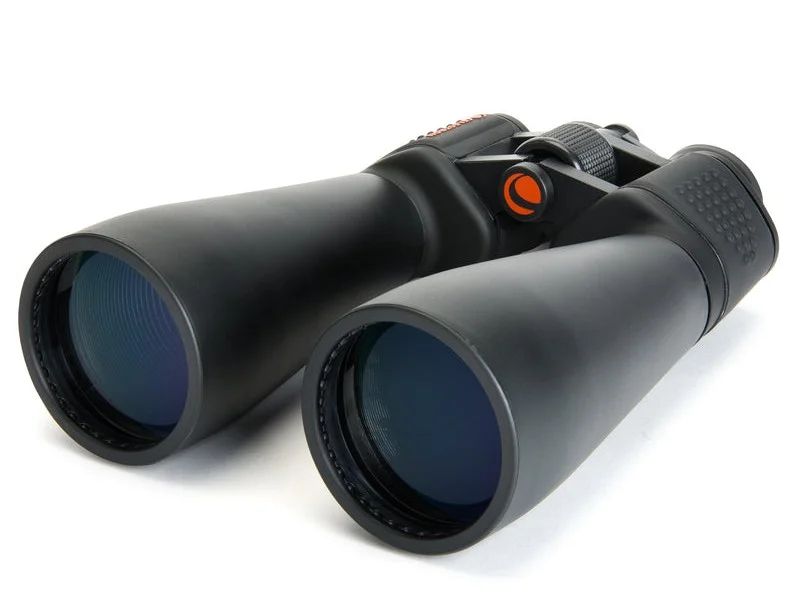
Extra brightness helps confirm a faint green glow on the horizon before it's obvious to the naked eye.
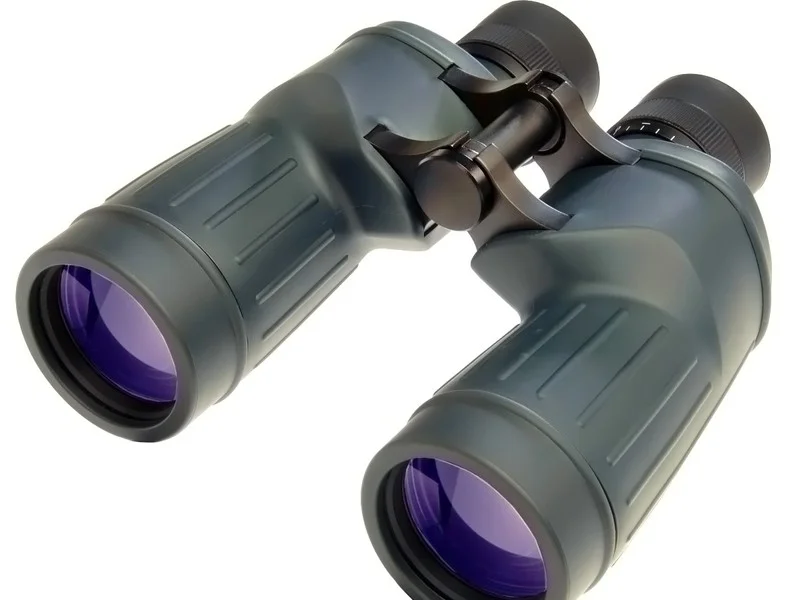
A solid pair to keep in the car for spontaneous aurora chases when the alerts go off at midnight.
Affiliate links: you pay the same price — we earn a small commission that helps keep WatchTheStars free.
Why 2026 Is One of the Best Years Ever for Aurora in the UK
This weekend's event is a perfect snapshot of life at Solar Maximum: a big flare erupts, a CME peels off the Sun, reaches Earth a few days later, and switches the aurora on over Scotland for a night or two. June served up a G3 storm on the 8th, a run of G1–G2 activity mid-month, and a double CME at month's end — and July has opened with the summer's first X-class flare delivering a G2 hit, with a second CME already inbound. We are at or very near the peak of Solar Cycle 25, and the Sun is producing aurora opportunities for the UK at a pace not seen in decades.
The Sun goes through an 11-year cycle of rising and falling magnetic activity. At Solar Maximum, sunspot numbers are highest, more powerful flares erupt, and coronal mass ejections are launched far more frequently. Coronal holes — like the one driving this week's event — add a steady drumbeat of fast solar wind between the big eruptions. It all translates directly into more geomagnetic storms reaching UK latitudes: events that a decade ago happened once or twice a year now occur every few weeks.
Over the past two years, the Northern Lights have been photographed from Cornwall, Kent, the Channel Islands, and central London during the most powerful G4 and G5 storms. A G1–G2 like this weekend's won't repeat that — but it's a solid mid-tier event, and with AR4479 still crackling with X-class potential and a second CME inbound, the next big one may already be brewing. A run of CMEs in a fortnight shows the Sun isn't done with us yet.
Solar Maximum activity is expected to tail off through 2027 as we head back toward Solar Minimum. The window for reliable, frequent aurora from UK latitudes is still open — but it won't stay open forever. Every clear night in northern Scotland this summer is a chance worth taking.
How to Stay Updated
The first CME has cleared, and a second is inbound now — forecast to reach Earth late on Sunday 5 July or into Monday 6 July, with a likelihood of G1–G2 storming and a chance of an isolated G3 burst. That makes tonight a live watch. The best places to track developments in real time:
- AuroraWatch UK (Lancaster University) — free email and app alerts. Set it now and you will get pinged the moment conditions are elevated enough to see aurora from your latitude.
- Met Office Space Weather — the official UK forecast service, updated several times daily during active events.
- SpaceWeatherLive — real-time Kp index, aurora oval maps, and solar activity tracker. Their app lets you set a Kp threshold notification.
- SpaceWeather.com — daily solar activity bulletins and ongoing aurora alerts.
Catch the glow this weekend? We'd love to see your shots — share them with @watchthestarsuk on Instagram. Clear skies! 🔭
📡 Live Updates: This post is updated whenever a new aurora event is forecast for the UK. Bookmark it and check back — we refresh it rather than writing a new article each time, so you always get the latest information in one place.