Key takeaways
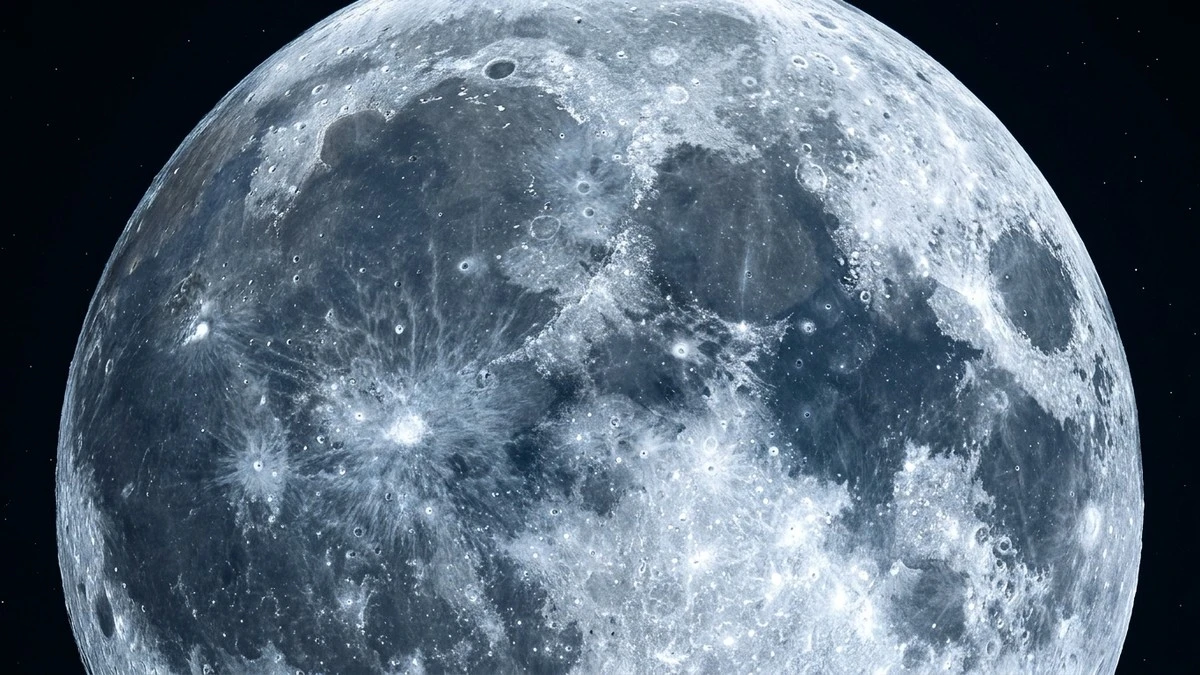
- The full moon on 31 May was a Blue Moon: the second full moon in May 2026
- It was also a Micromoon, sitting near its farthest point from Earth at around 406,000 km
- The moon sat near Antares, the bright red heart of Scorpius, low in the southern sky
- The place to look was southeast from around 10pm BST as the moon climbed above the horizon
- A micromoon appears roughly 14% smaller and 30% dimmer than a supermoon, but was still a beautiful sight
Jump to section 6 sections
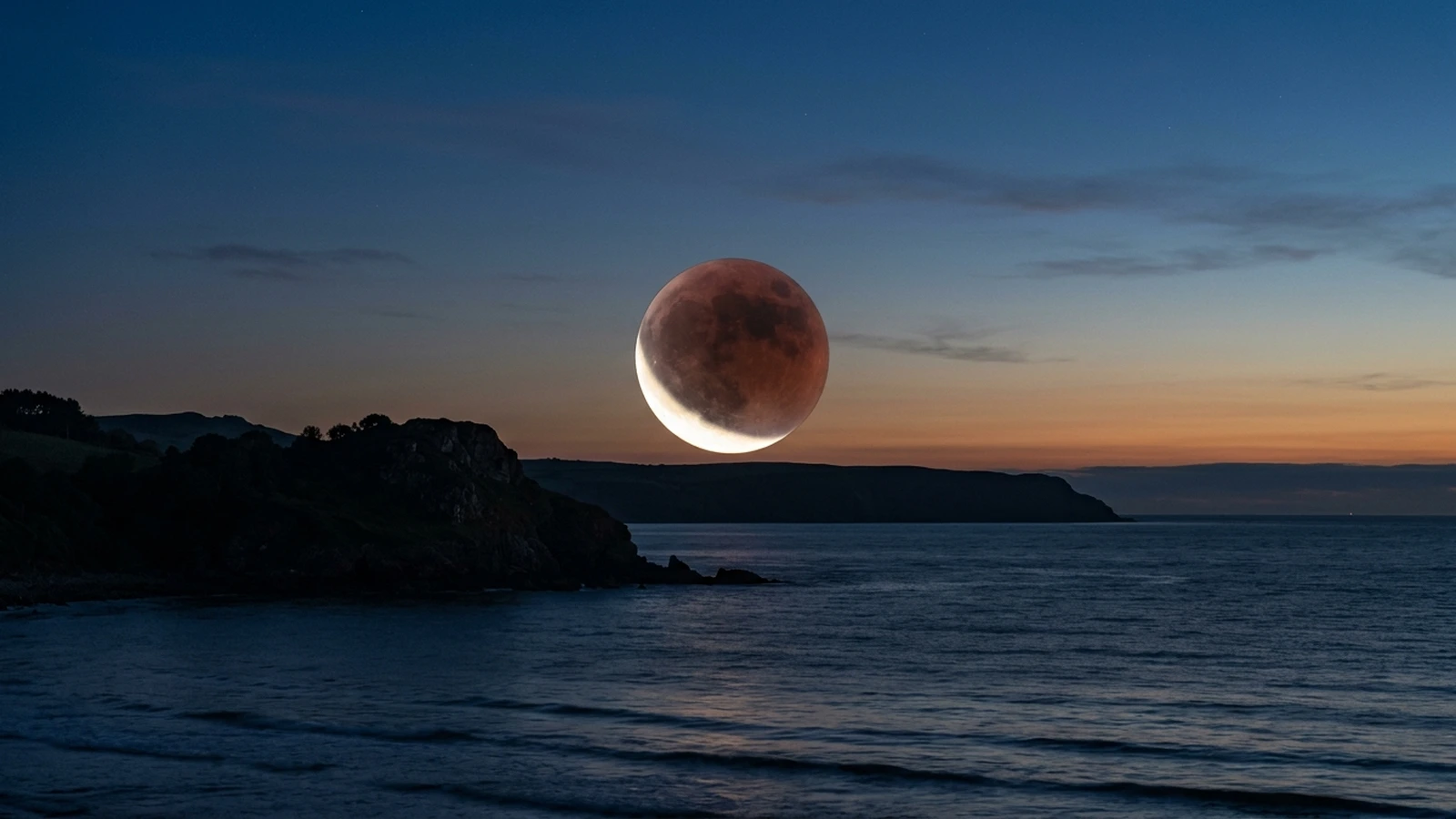
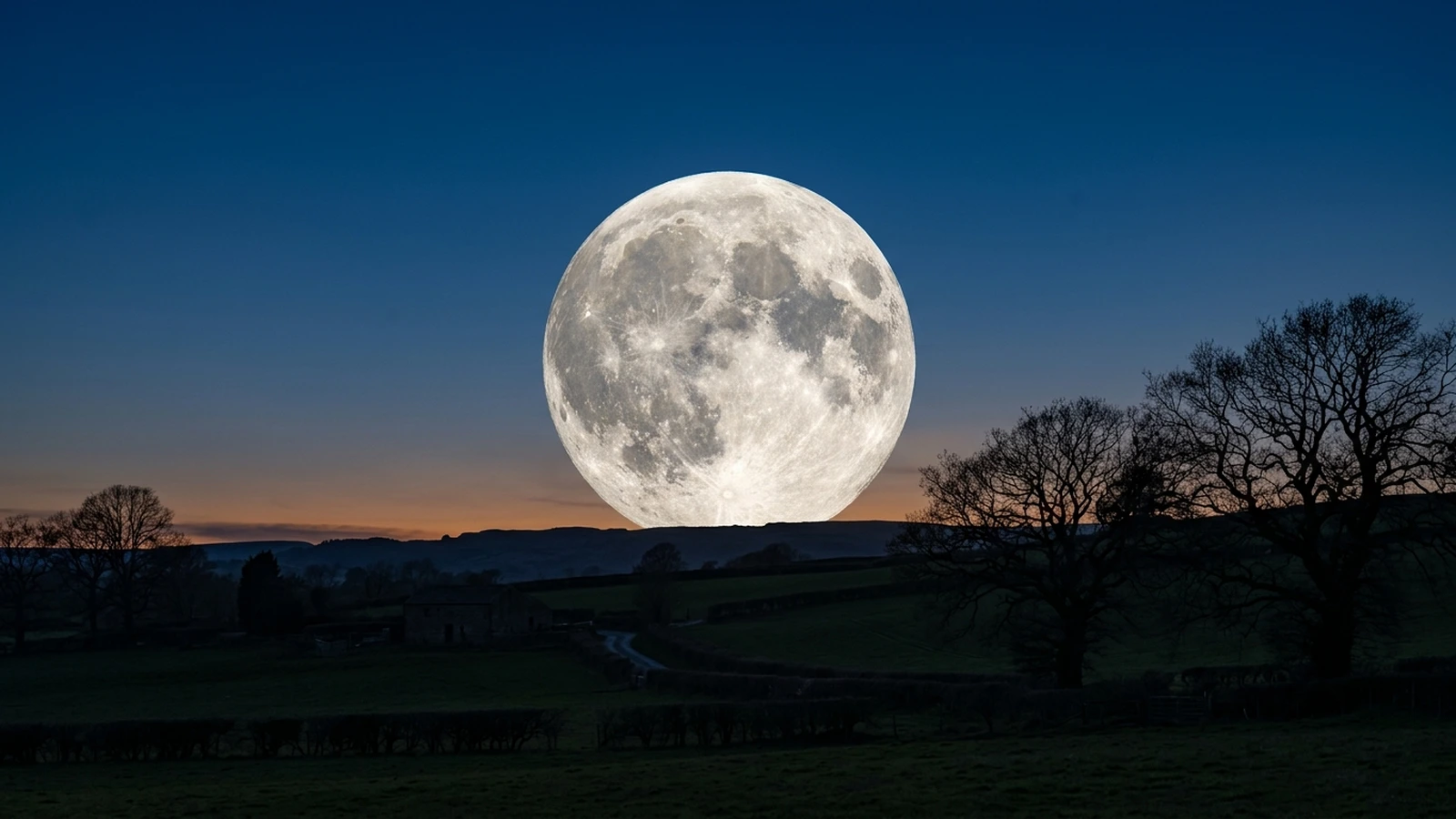
May 2026 ended with a lovely coincidence of celestial timing. On Sunday 31 May 2026, the full moon was a Blue Moon, the second full moon to fall within a single calendar month, and it also happened to be a Micromoon, sitting close to its farthest point from Earth. The combination is rarer than either event alone, and it came with a scenic bonus: the moon hung close to Antares, one of the most dramatically coloured stars in the night sky.
Here's everything that was worth knowing to make the most of it.
What Is a Blue Moon?
Despite the name, a Blue Moon has nothing to do with colour. It's simply the name astronomers and skywatchers use for the second full moon in a single calendar month: one of the handful of special cases among the traditional full moon names, and unlike the Wolf or Harvest Moon it can land in any month.
The moon takes about 29.5 days to complete a full cycle, which means most months, with their 30 or 31 days, contain just one full moon. But occasionally the timing lines up so that a full moon falls near the very start of a month, leaving enough time for a second one before the month ends. That second full moon is the Blue Moon.
May 2026 had its first full moon on 1st May, and the second fell on the 31st. It won't happen again in May until 2029.
The phrase "once in a blue moon" comes from this very rarity. It's not an every-year event, and when one falls on the final evening of a month it always feels like the sky is squeezing in one last spectacle before turning the page.
What Is a Micromoon?
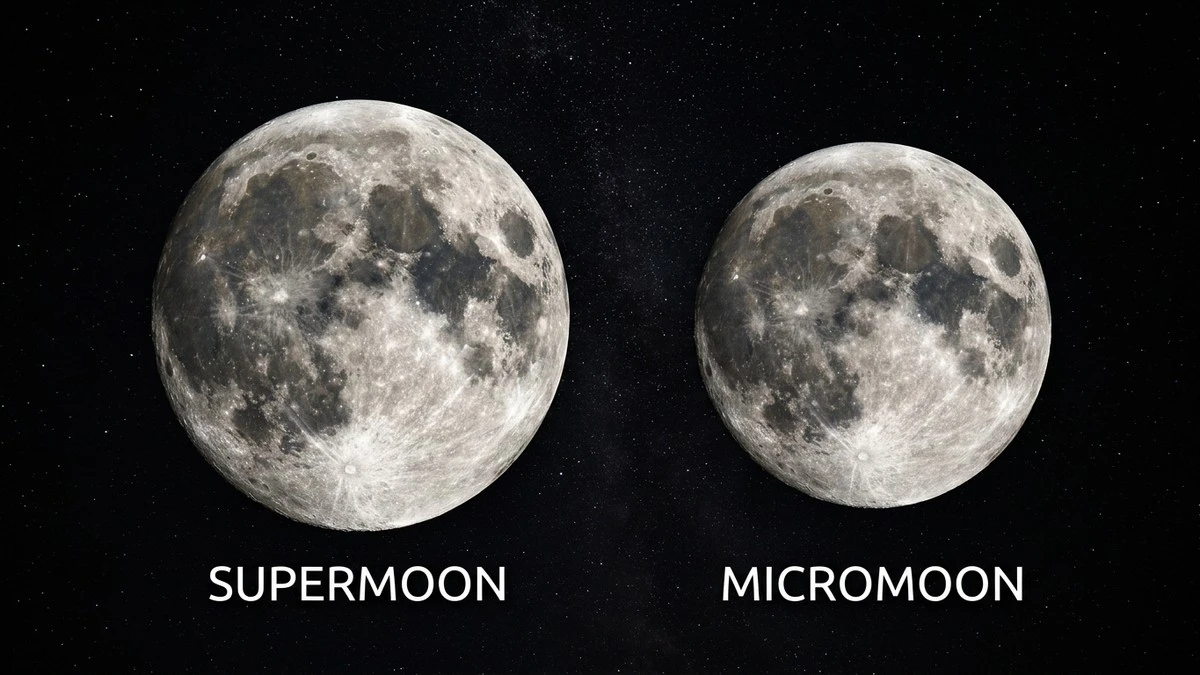
The moon's orbit around Earth isn't a perfect circle: it's slightly elliptical, which means the distance between the two bodies varies throughout the month. The closest point is called perigee (giving us the well-known Supermoon), and the farthest point is called apogee. A full moon occurring near apogee is a Micromoon.
On 31 May the moon sat at approximately 406,135 km from Earth, compared to its average distance of around 384,400 km. At its closest during a supermoon it can be as near as 356,000 km, so that night's moon was noticeably farther away than usual.
In practice this meant the moon appeared roughly 14% smaller in diameter and about 30% less bright than a supermoon. Most people can't detect the difference by eye alone, but put a supermoon and a micromoon side by side in a photograph and the gap is obvious.
What it does do is subtly change the mood. A micromoon rising through evening mist looks a little more remote, a little more mysterious: less of a dominating presence, more of a quiet companion. For photographers especially, that can be a gift.
Watching From the UK on 31 May
The moon officially reached peak fullness at 09:45 BST on the morning of 31 May, so by that night it was a touch past perfect, but to the naked eye it would have looked completely full. The human eye simply cannot tell the difference between a moon that is 100% illuminated and one that is 99.7%.
For UK skywatchers the key times were:
- Moonrise: Approximately 9:30–10:00pm BST depending on your location, rising low in the southeast
- Best viewing window: From around 11pm to 2am BST, when the moon was as high as it would get for the night
- Moonset: Around 5:30am BST on 1st June
A word of warning for those in northern England and Scotland: Scorpius, the constellation the moon was visiting that night, is a southerly constellation that barely clears the horizon from UK latitudes. From London the moon reached perhaps 15–18° above the horizon at its highest point. From Edinburgh that dropped to around 10–12°. That meant needing a clear view to the south, free of buildings and treelines.
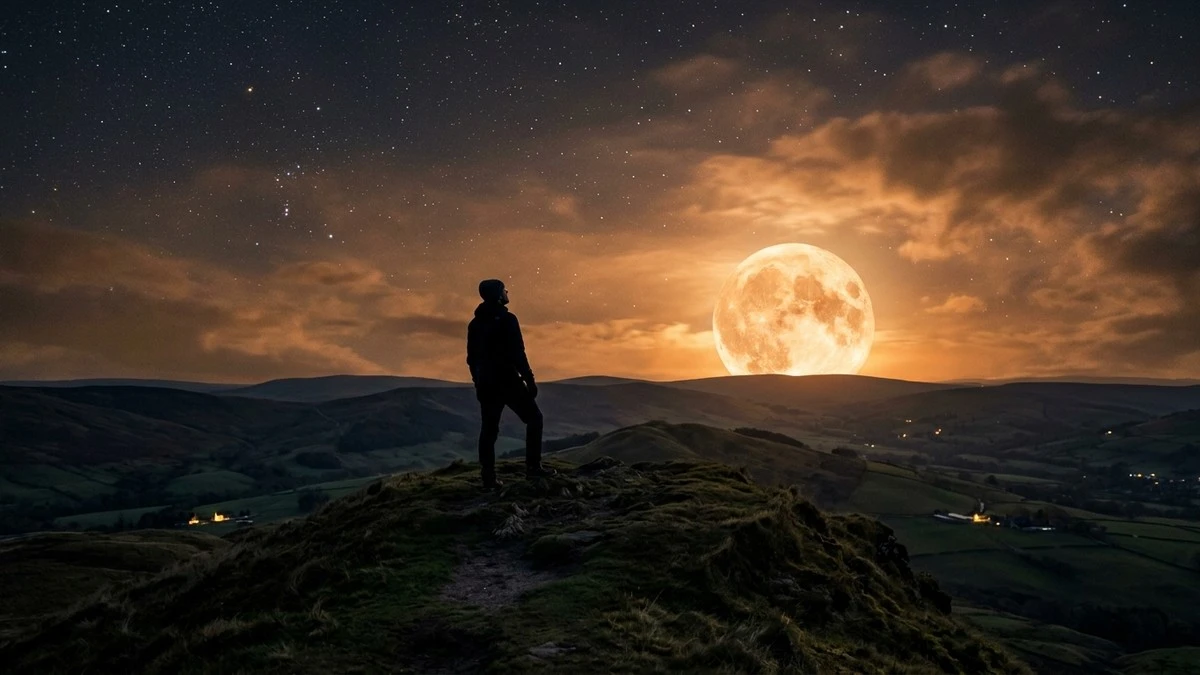
The upside? A moon skimming low along the horizon often looks spectacular. Low-angle moonrises produce the famous "moon illusion," where the brain interprets the moon as larger than it really is. Pair that with some atmospheric haze and you could end up with a luminous orange or gold disc, even on a micromoon night.
Get a proper look at the Moon and its red neighbour
Kit we've tested and reviewed in full
A micromoon might be a touch smaller than usual, but it's still the most detailed thing you can see in the night sky with a pair of binoculars, and on 31 May it had Antares glowing beside it for company. Here's what we'd reach for.
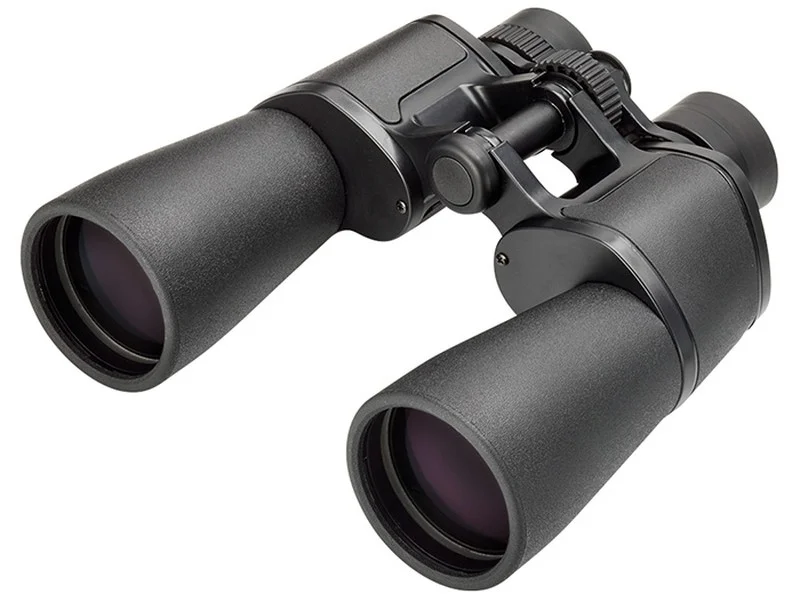
Perfect for picking out the Moon's maria and craters alongside Antares' deep orange glow, without any setup faff.
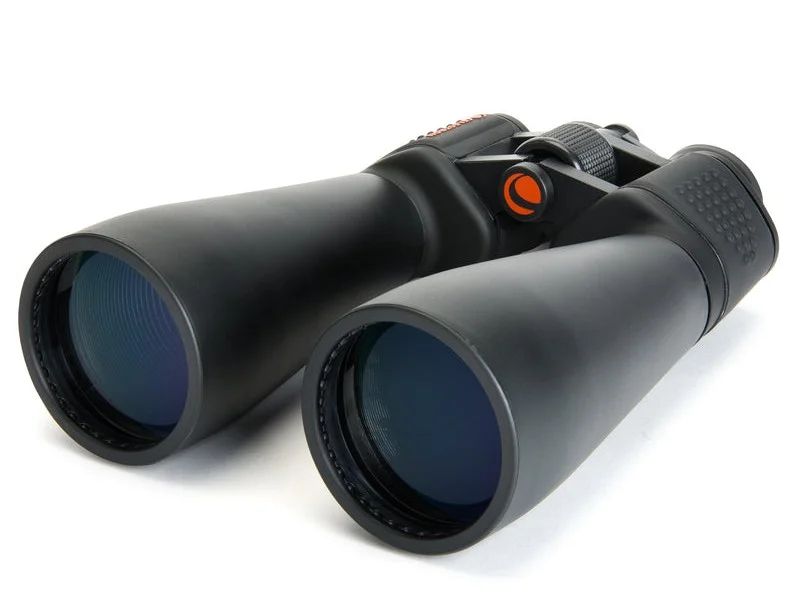
Useful if the Moon was riding low over a hazy southern horizon that night: the bigger lenses claw back some of that lost brightness from a micromoon.
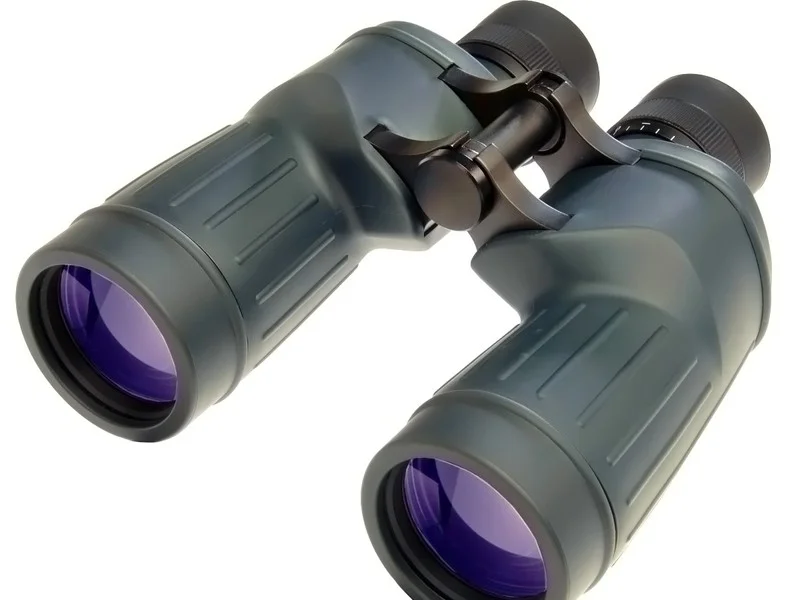
Crisper contrast makes the colour difference between the white Moon and reddish Antares even more striking side by side.
Affiliate links: you pay the same price, we earn a small commission that helps keep WatchTheStars free.
The Moon and Antares
One of the highlights of that night's moon was its neighbour. As the moon rose in the southeast, the bright reddish-orange star just a few degrees away was Antares, the brightest star in the constellation Scorpius and one of the most visually striking stars in the entire night sky.
Antares is a red supergiant, roughly 700 times the diameter of our own Sun and sitting about 550 light-years away. Its name derives from "Anti-Ares", the rival of Mars, because ancient astronomers noticed its distinctly reddish colour was so similar to the planet that they could be confused. That night, with the full moon blazing nearby, you could see exactly what they meant.
The pairing made for a beautiful sight and an interesting binoculars target. Even through modest binoculars the orange star would have competed with the moon's white brilliance: a reminder that not everything in the night sky runs to the same colour temperature.
Tips for Photographing It
A low, golden moon rising over a recognisable landscape is one of the most reliably rewarding shots in astrophotography, and the moon's low path on 31 May suited it well.
For smartphone users: The key was to lock your exposure. On most phones, tapping and holding on the moon in the viewfinder locks focus and exposure, then dragging the exposure slider down helps if the moon is blowing out to a featureless white blob. The moon is much brighter than it looks: your camera's auto exposure will almost always overexpose it.
For DSLR/mirrorless users: A rough starting point for a full moon was ISO 100, f/8, 1/250s, dialled in from there. For a moonrise over a landscape with both properly exposed, two exposures needed blending: one for the foreground, one for the moon.
Composition: The advice was to position yourself early: find a landmark, a church spire, a silhouetted tree, a hilltop, and work out where the moon would rise behind it using an app like PhotoPills or The Photographer's Ephemeris. The moon moves faster than you expect.
The moon illusion: The moon was best shot as it rose, when it was within 10–15° of the horizon. That's when the illusion of extra size is strongest, and when the orange-gold tones from atmospheric scattering are at their richest.
When Is the Next One?
The next Blue Moon, again defined as a second full moon in a single calendar month, falls on 31st January 2028. So there is a bit of a wait.
The next Micromoon (a full moon near apogee) falls on 25th October 2026, when the moon reaches its farthest point from Earth for the year. And the next time both events coincide in the same night? That's a rarer alignment, which made 31 May worth stepping outside for, clear skies or not.
If clouds blocked the view from the UK that night, NASA and several European space agencies typically offered live streams of notable full moons: the NASA YouTube channel or the Virtual Telescope Project were the places to check for a real-time feed.
Sources:
- What's Up: May 2026 Skywatching Tips · NASA Science
- Blue Moon May 2026 · Space & Telescope
- Visible planets and night sky guide for May and June · EarthSky
Frequently Asked Questions
Equipment guides
Related topics
Ian ClaytonAmateur astronomer and founder of WatchTheStars.co.uk, dedicated to helping others explore the wonders of our universe. Full profile →