Key takeaways
- Saturn returned to the pre-dawn sky, with the crescent Moon as a guide on May 13
- Venus and Jupiter dominated the evening, closing to about 25° apart by mid-week
- New Moon on May 16 meant the darkest skies of the month for deep-sky observing
- Venus passed between the horns of Taurus from May 11–15, a lovely naked-eye sight
- Galaxy season was at its peak, with the Whirlpool Galaxy and Virgo Cluster to hunt under dark skies
Jump to section 6 sections
After a week dominated by the Eta Aquariids and a bright gibbous Moon, conditions were shifting in our favour. The Moon was slimming down toward New phase on Saturday, Venus was blazing a trail through Taurus toward Jupiter, and, for anyone willing to set an alarm, Saturn was making its first appearance of 2026 in the pre-dawn sky. Here was everything worth looking up for from the UK that week.
The Headline: Saturn Returned
The ringed planet had been hiding behind the Sun since late February, but that week it finally edged above the eastern horizon before sunrise. On Sunday morning (May 10), Saturn sat barely 4–5° above the east horizon around 04:00 BST, so low that you needed a completely unobstructed view and a pair of binoculars to pick it out of the bright twilight.
The best morning to try was Wednesday May 13, when a slender 16%-lit crescent Moon hung about 6° to Saturn's upper right. The two fitted neatly into the same binocular field of view, and the Moon acted as a convenient pointer straight to the planet. The place to look was east from around 03:45 BST, about an hour before sunrise.
Saturn's rings weren't going to resolve at that altitude, as the planet was still being smeared by the thick atmosphere near the horizon. But just knowing you were watching the ringed world return was a satisfying moment, and it would climb higher each week from there. By late June, Saturn would be comfortably placed for telescopes. If you want to track it all year, our Saturn observing guide has the full timeline.
Evening Planets: Venus Chased Jupiter
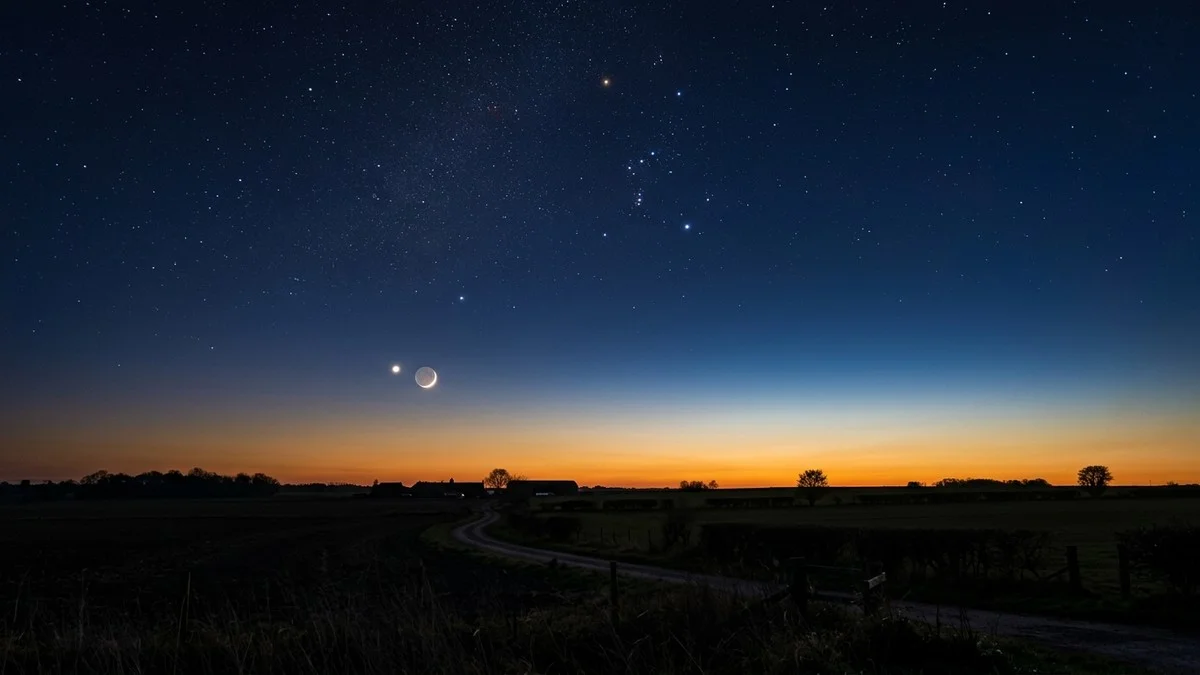
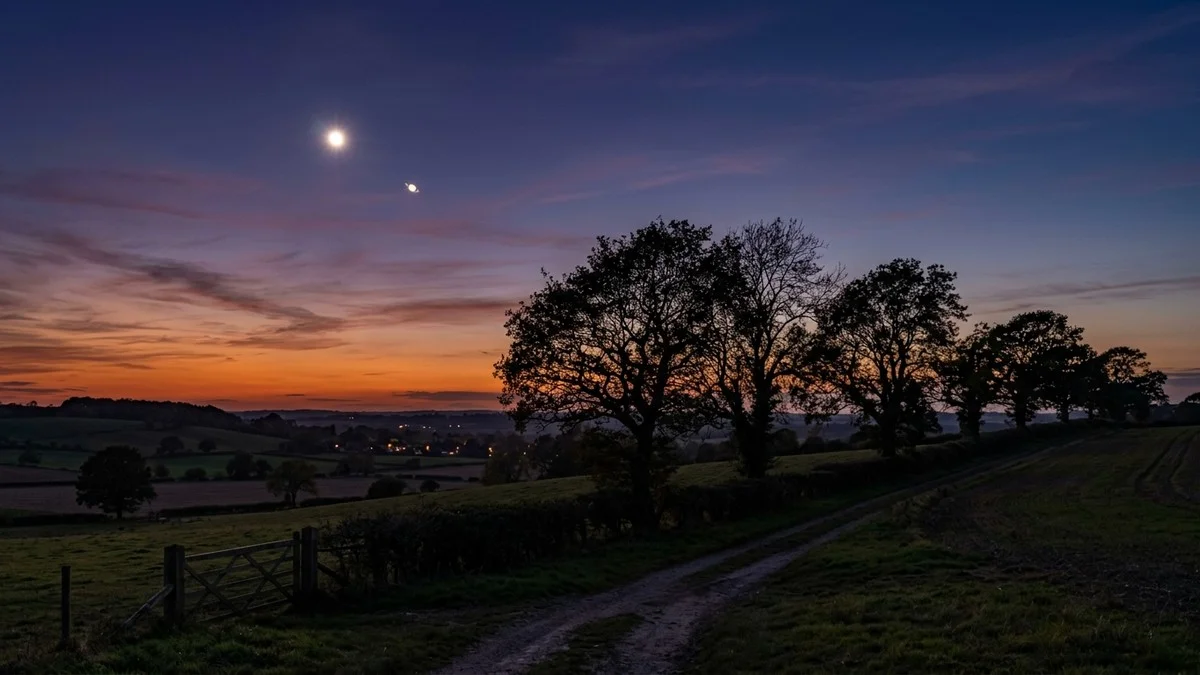
The real showpiece that week was in the west after sunset, where the two brightest planets in the solar system were putting on a slow-motion chase that built toward a spectacular conjunction on June 9.
Venus was unmissable, the first "star" you saw as twilight faded, blazing at magnitude –4.3 in the west-northwest. That week, Venus was threading its way between the horns of Taurus the Bull. From May 11–15, it slid past the stars Elnath and Zeta Tauri on either side. It was a lovely naked-eye sight, and a fine one in binoculars.
Jupiter sat about 25° to Venus's upper left in Gemini, shining at magnitude –1.9. It was still bright, but it was getting lower each evening and set about two hours after the Sun. The gap between the two planets was closing by roughly a degree per night, and by the end of May they would be less than 10° apart. The real payoff was due on June 9, when they would be just 1.6° apart, but even then, the sight of both planets burning in the same stretch of sky was worth stepping outside for.
Both planets were visible from about 30 minutes after sunset (around 21:00 BST) through to about 23:00 BST, when Jupiter dipped below the horizon. For more on this conjunction, see our full guide to the Venus-Jupiter meetup.
The Moon That Week
The Moon was your friend that week, or rather, its absence was. We started Sunday with a 45%-lit waning crescent that rose in the small hours, and by Friday it was a hair-thin sliver barely visible before dawn. New Moon arrived on Saturday May 16 at 21:01 BST, giving progressively darker skies all week.
Key Moon moments:
- Sunday May 10: Waning crescent (45%), rose around 02:00 BST in the southeast. Early risers could spot it easily.
- Tuesday May 12: Crescent (25%) with lovely earthshine on the dark portion, a good subject for any camera on a tripod.
- Wednesday May 13: Thin crescent (16%) near Saturn before dawn: the highlight of the morning sky that week.
- Friday–Saturday May 15–16: Moon was essentially invisible. Perfect conditions for deep-sky observing and astrophotography.
If you had never noticed earthshine, the ghostly glow on the Moon's unlit side, caused by sunlight bouncing off Earth, that week's crescent phases were ideal. It was most obvious on Tuesday and Wednesday mornings.
Get set up for galaxy season
Kit we've tested and reviewed in full
With the Moon out of the way that week, it was the perfect excuse to pick up a decent pair of binoculars. Venus, Saturn and the spring star fields all look better with glass in hand, and a good pair pays for itself on nights like these.
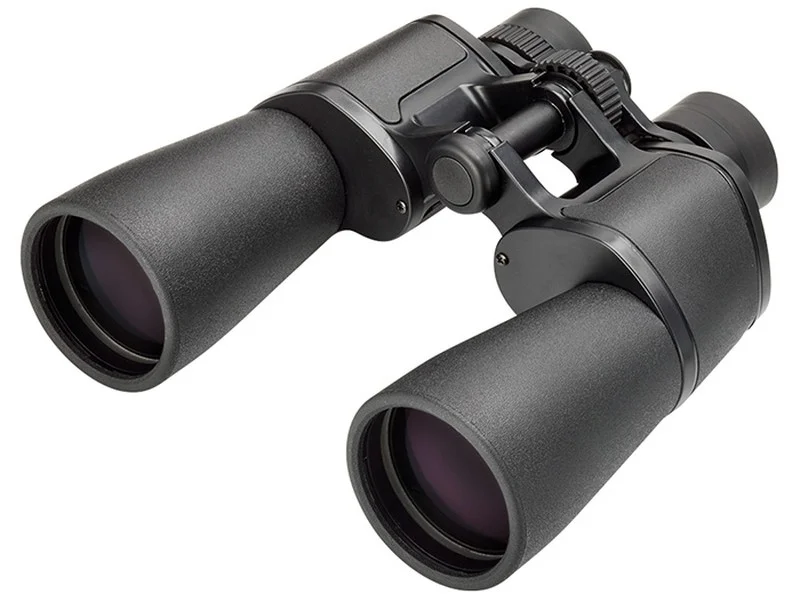
Light enough to hold steady while you tracked Venus sliding past Elnath, and sharp enough to start resolving M13 once it was higher in the sky.
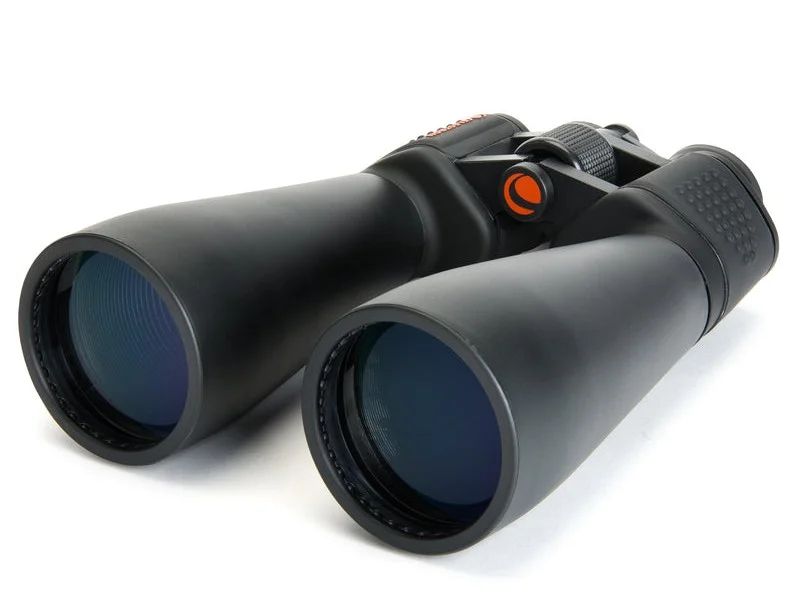
The extra aperture earns its keep on the darkest nights of the month, pulling in more of the Virgo Cluster and giving M51 a bit more shape than smaller glass can manage.
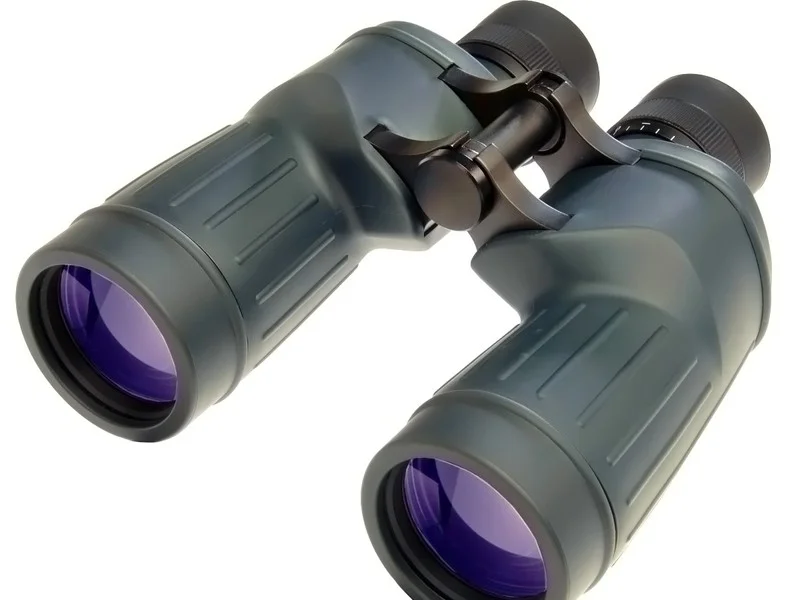
A step up in build quality if you're out most weeks, handy for catching that earthshine on the Tuesday and Wednesday mornings before Saturn climbed into view.
Affiliate links: you pay the same price, we earn a small commission that helps keep WatchTheStars free.
Deep Sky Under Dark Skies
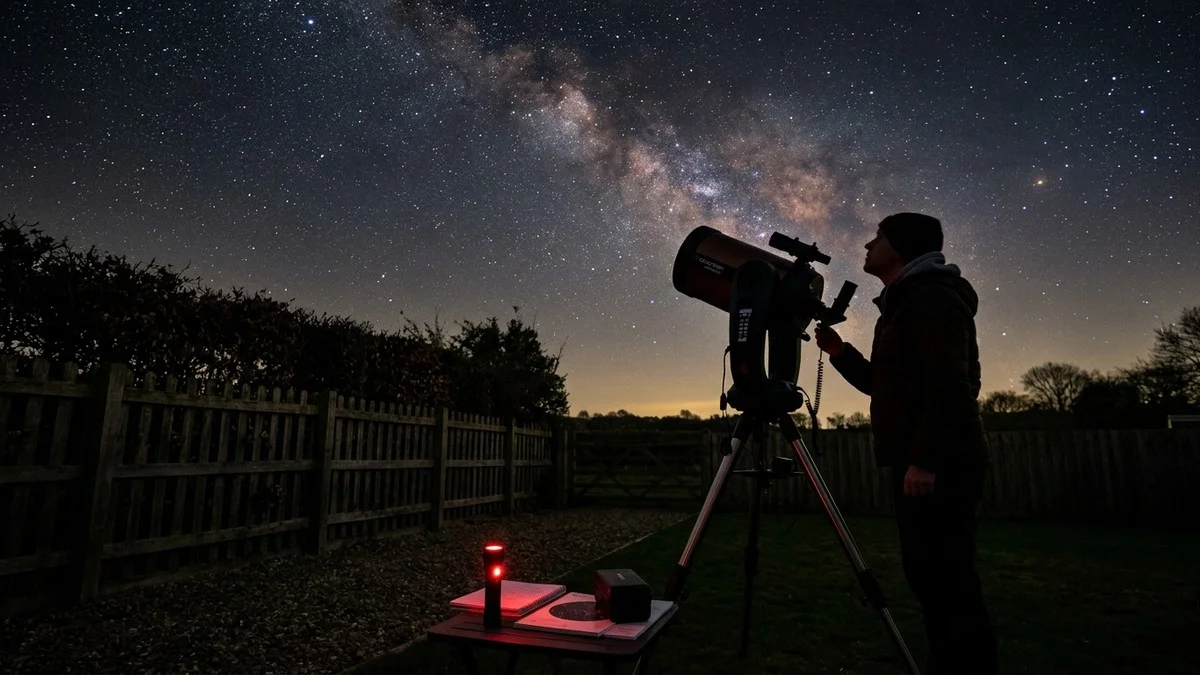
With the Moon out of the way from Thursday onwards, this was one of the best deep-sky windows of the month. May is the tail end of galaxy season in the UK, and some of the finest targets in the northern sky were perfectly placed.
Naked eye: The spring constellations were at their best after 22:00 BST. Leo was high in the southwest, with the distinctive sickle asterism easy to trace. Boötes and its bright orange star Arcturus sat almost overhead. The Summer Triangle (Vega, Deneb, Altair) was already rising in the east by midnight, a preview of the months ahead.
Binoculars: The suggestion was to sweep the area between Canes Venatici and Ursa Major for the globular cluster M3: a fuzzy ball of ancient stars that resolves beautifully in a small telescope. M13, the Great Globular in Hercules, was climbing the eastern sky and became a showpiece from midnight onwards.
Telescope: This was the last good chance to hunt galaxies before they slid into the west. The Whirlpool Galaxy (M51) in Canes Venatici was perfectly placed: a face-on spiral with a companion galaxy connected by a bridge of stars. M101 in Ursa Major is another face-on spiral, though it needs dark skies and patience to see well. And a scope pointed at the region between Virgo and Coma Berenices led you into the Virgo Cluster: dozens of galaxies in a single sweep, all between 50 and 60 million light-years away.
Get Alerts for Clear Nights
Quick-Glance Planner
Here is the night-by-night rundown. Sunset was around 20:45 BST, with full darkness not arriving until about 23:00 BST (the shortest nights of the year were approaching, so the aim was to make the most of what darkness there was).
Whatever you were planning to observe that week, whether it was a quick glance at Venus and Jupiter or a full evening of galaxy hunting, you can sign up for alerts above and we'll tell you which nights are worth it. Clear skies!
Frequently Asked Questions
Equipment guides
Related topics
Ian ClaytonAmateur astronomer and founder of WatchTheStars.co.uk, dedicated to helping others explore the wonders of our universe. Full profile →