Key takeaways
- The four Artemis II astronauts visited the Oval Office on 29 April, less than three weeks after splashing down from the first crewed lunar voyage in over 50 years
- NASA Administrator Jared Isaacman confirmed Artemis III for late 2027, an orbital test docking with SpaceX and Blue Origin lunar landers
- The first crewed Moon landing since 1972 is now targeted for 2028 via Artemis IV, with a second landing (Artemis V) planned the same year
- The Artemis III SLS core stage arrived at Kennedy Space Center on 28 April, the rocket is already being assembled
Jump to section 6 sections
Moon Astronauts in the Oval Office
Less than three weeks after splashing down in the Pacific Ocean, the four astronauts who flew around the Moon stood behind the Resolute Desk in the Oval Office on 29 April 2026.
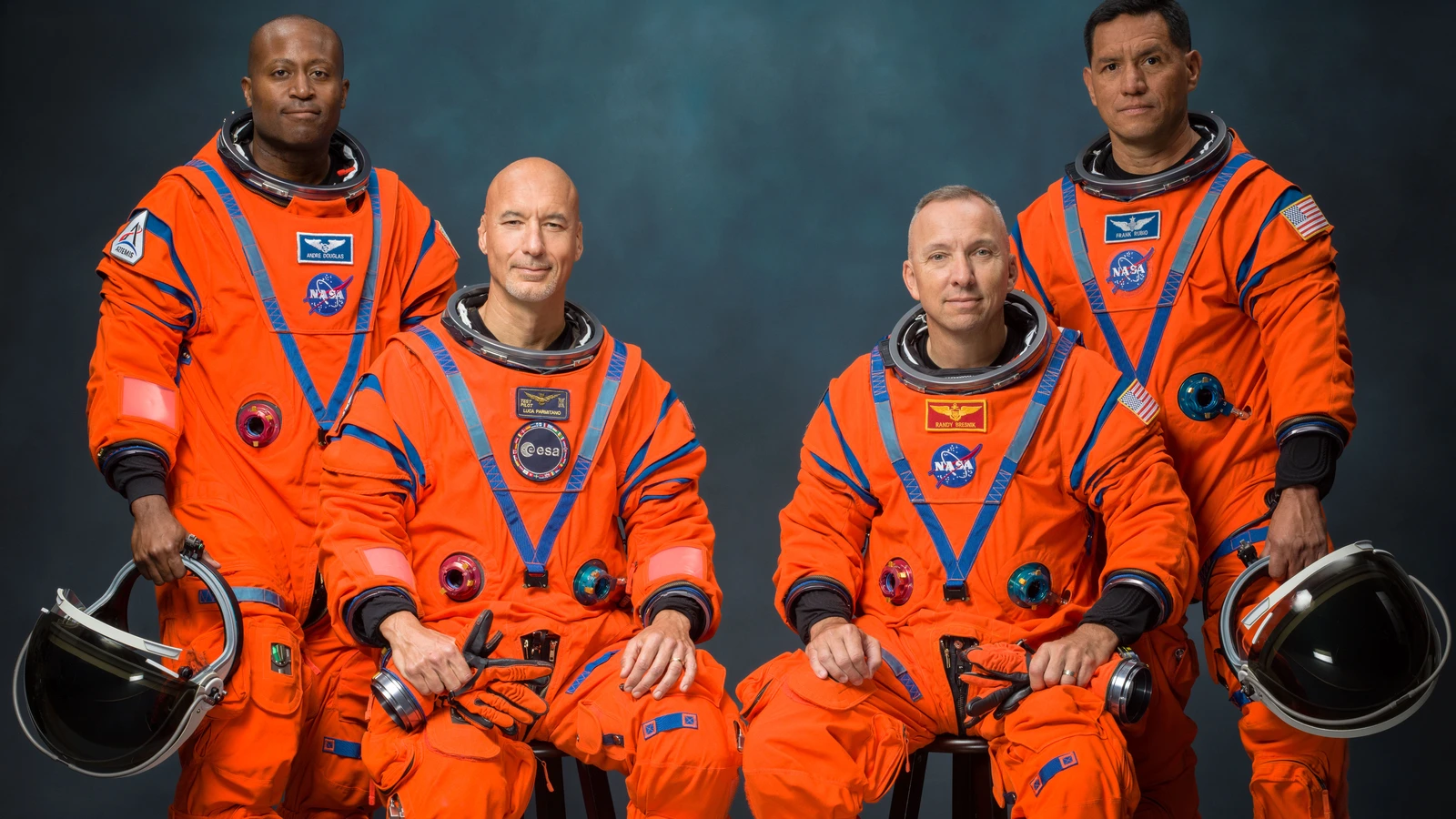
NASA Commander Reid Wiseman, Pilot Victor Glover, Mission Specialist Christina Koch and Canadian Space Agency astronaut Jeremy Hansen were welcomed by President Trump, who praised their "unbelievable courage" and called them "people that have captivated the attention of the whole world."
A gold model of the Moon, a gift from NASA Administrator Jared Isaacman, sat on the president's desk alongside a model of the Space Reactor-1 Freedom Rocket on loan from NASA. The symbolism was hard to miss: the Moon is back on the agenda, and it's staying there.
The astronauts themselves didn't speak during the 22-minute event, standing stolidly behind the president while he fielded questions on topics ranging from space policy to Iran. But their presence said enough. These are the first humans to travel to the Moon since Apollo 17 in December 1972, and they hold the record for the farthest distance any human has ever been from Earth: 252,756 miles.

A 10-Day Mission That Made History
The White House visit capped a whirlwind few weeks for the crew. Artemis II launched on 1 April 2026 from Kennedy Space Center's Pad 39B, and over the following 10 days the mission achieved everything it set out to do, and more.
The crew flew a free-return trajectory around the Moon, passing just 4,070 miles above the far side on Flight Day 6. They witnessed an Earthrise and an Earthset, experienced a 54-minute total solar eclipse from lunar orbit, the longest totality any human has ever seen, and broke Apollo 13's distance record that had stood since 1970.
On 10 April, the Orion capsule, named Integrity by the crew, re-entered Earth's atmosphere at 24,664 miles per hour, enduring temperatures of 2,800°C before splashing down off San Diego at 8:07 p.m. EDT under three 116-foot parachutes. All four crew members emerged healthy.
The mission wasn't flawless, NASA noted issues with the heat shield, a service module valve and a memorable toilet malfunction, but it achieved its primary objective: proving that Orion can safely carry humans to the Moon and back, clearing the path for what comes next.
Artemis III: Late 2027
What comes next is Artemis III, and during the White House visit, Isaacman confirmed it's targeting late 2027.
But Artemis III won't be a Moon landing, not any more. In February 2026, Isaacman announced a revised plan that prioritises testing over ambition. Instead of sending astronauts to the lunar surface, Artemis III will conduct rendezvous and docking tests in low Earth orbit with commercially developed lunar landers.

Both SpaceX (with Starship HLS) and Blue Origin (with Blue Moon) are building lunar landers for the programme. Artemis III will test docking Orion with at least one, and possibly both, of these vehicles, along with propulsion, life support, communications, and the new Axiom spacesuits (AxEMU) that astronauts will wear on the Moon.
It's a pragmatic decision. The landers are complex pieces of hardware that have never docked with Orion, and the spacesuits are still in development. Testing them in Earth orbit, where a problem means coming home rather than being stranded at the Moon, is the sensible approach, even if it means the headline "humans land on the Moon" has to wait another year.
2028 feels a long way off. Start watching the Moon now
Kit we've tested and reviewed in full
The south pole landing is years away, but you don't need to wait for Artemis IV to get a proper look at the Moon. A decent pair of binoculars shows the same rugged, shadowed terrain the crew will be aiming for, right from your own doorstep.

A great first pair for tracking the Moon's phases while the Artemis III rocket gets built and stacked over the next year.

Enough power to make out the shadowed craters near the lunar south pole where Artemis IV is headed.

A pair sturdy enough to still be in your kit bag when Artemis IV finally puts boots on the Moon in 2028.
Affiliate links: you pay the same price, we earn a small commission that helps keep WatchTheStars free.
Artemis IV: Boots on the Moon in 2028
The actual lunar landing, the moment we've been waiting for since 1972, is now targeted for 2028 via Artemis IV. If all goes to plan, two astronauts will descend to the lunar south pole, the region where ice has been confirmed in permanently shadowed craters and where Isaacman envisions the foundations of a permanent Moon base.
The south pole is not where Apollo went. The six Apollo landings were all near the lunar equator, in relatively flat terrain with constant sunlight. The south pole is different: rugged, shadowed, and scientifically rich. It's where the next chapter of lunar exploration will be written.
NASA is also tentatively planning Artemis V, a second landing mission, for later in the same year. If that holds, 2028 would see two crewed lunar surface missions, something that hasn't happened since 1972 when Apollo 16 and 17 flew within seven months of each other.
Isaacman has said that NASA is targeting a launch cadence of one SLS mission every 10 months, a significant increase over the pace of the programme so far. The goal is to make lunar missions routine rather than historic, a drumbeat rather than a one-off.
The Rocket Is Already Here
This isn't just talk. The Artemis III SLS core stage, the 212-foot-tall backbone of the rocket, arrived at Kennedy Space Center on 27 April after travelling 900 miles by barge from the Michoud Assembly Facility in New Orleans.
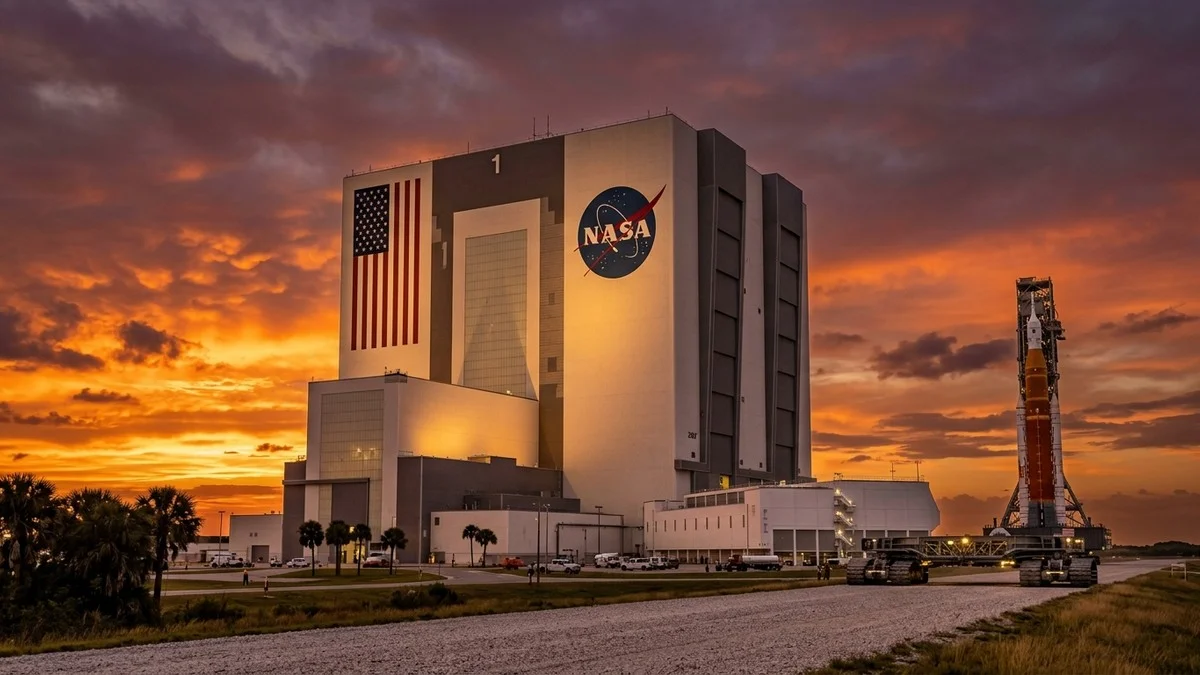
On 28 April, technicians moved the upper four-fifths of the core stage into the Vehicle Assembly Building, where it will be connected to the engine section and boat-tail that have been waiting since August 2025. Once stacked, the full SLS rocket will stand ready for its late 2027 launch.
The timing is notable: the Artemis III rocket hardware arrived at Kennedy the day before the Artemis II crew visited the White House. The programme isn't pausing for a victory lap. It's already building the next mission.
What Comes Next
The Artemis programme is now in a different phase. The question is no longer "can we get to the Moon?", Artemis II answered that definitively. The questions now are about landing, staying, and building.
Isaacman's vision extends well beyond individual missions. The cancelled Lunar Gateway has been replaced by Project Ignition, a $20-billion plan for a permanent crewed base at the lunar south pole by the end of the decade. The lander tests on Artemis III, the south pole landings on Artemis IV and V, and the accelerated launch cadence are all steps toward that goal.
During the Oval Office visit, Trump also briefly touched on the topic of UFO files, reaffirming that his administration has found "very interesting" documents and that releases will come "in the near future", though he offered no new specifics beyond what he said at the Turning Point USA event on 18 April.
For the four astronauts who stood silently behind the president, the White House visit was a moment of recognition for what they accomplished. But for NASA, it was already about what happens next. The Artemis III rocket is in the building. The landers are being built. The spacesuits are being tested. The south pole is waiting.
Fifty-four years after Apollo 17's Gene Cernan left the last bootprint on the Moon, the next one is closer than it's been in a generation.
We've put together a complete guide to the Artemis programme, hardware, commercial landers, Project Ignition, the Artemis Accords, and how the US stacks up against China's 2029–2030 crewed landing target.
Frequently Asked Questions
Equipment guides
Related topics

Ian ClaytonAmateur astronomer and founder of WatchTheStars.co.uk, dedicated to helping others explore the wonders of our universe. Full profile →