Key takeaways
- Comet C/2025 R3 (PanSTARRS) has crossed the naked-eye threshold at magnitude 5.1. Perihelion is 19 April, and forward scattering could make it dramatically brighter
- New Moon on 17 April means the darkest skies of the month from tonight through the weekend, perfect for comet hunting
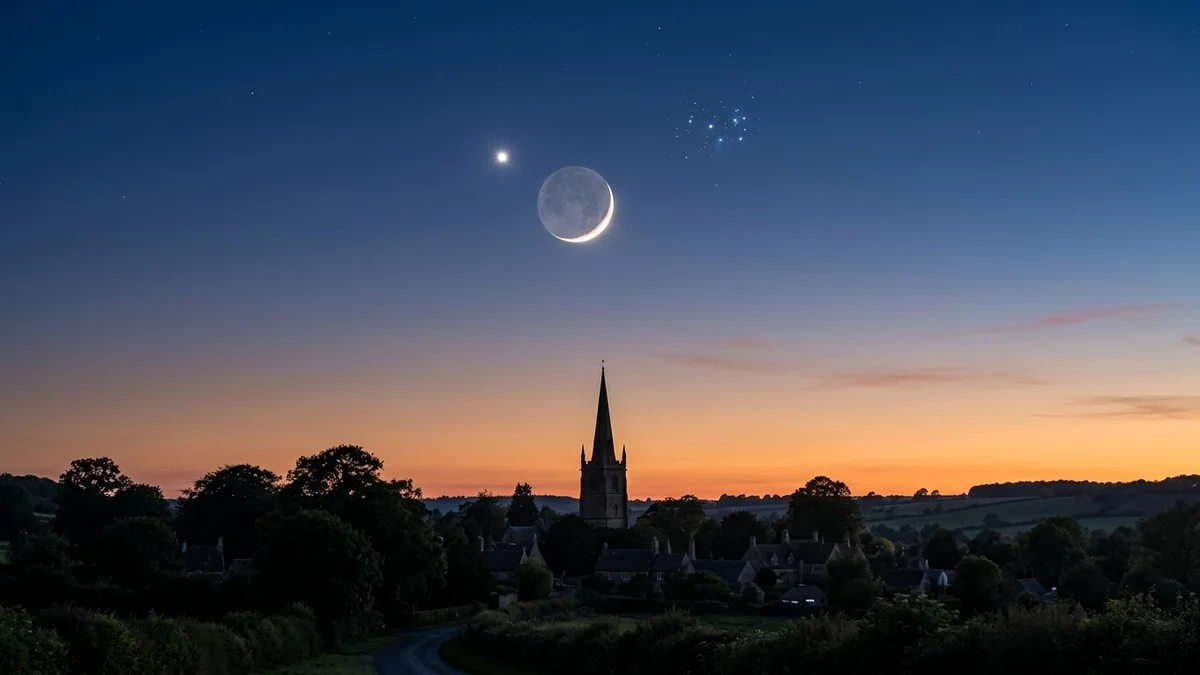
- 18–19 April: a razor-thin crescent Moon pairs with Venus and the Pleiades in the western evening sky, one of the best photo opportunities of the year
- The Lyrid meteor shower becomes active from tomorrow (15 April), peaking on the night of 22 April with up to 18 meteors per hour in dark skies
Jump to section 6 sections
The next seven days might be the best week for amateur astronomers in 2026 so far. A comet that hasn't visited the inner Solar System for 170,000 years has just crossed the naked-eye brightness threshold. The Moon is about to disappear, leaving the darkest skies of the month. Venus is about to stage one of the most photogenic conjunctions of the year. And the first major meteor shower since January is building toward its peak.
Here's everything you need to know, and exactly when to look.
The Comet: Now Naked-Eye
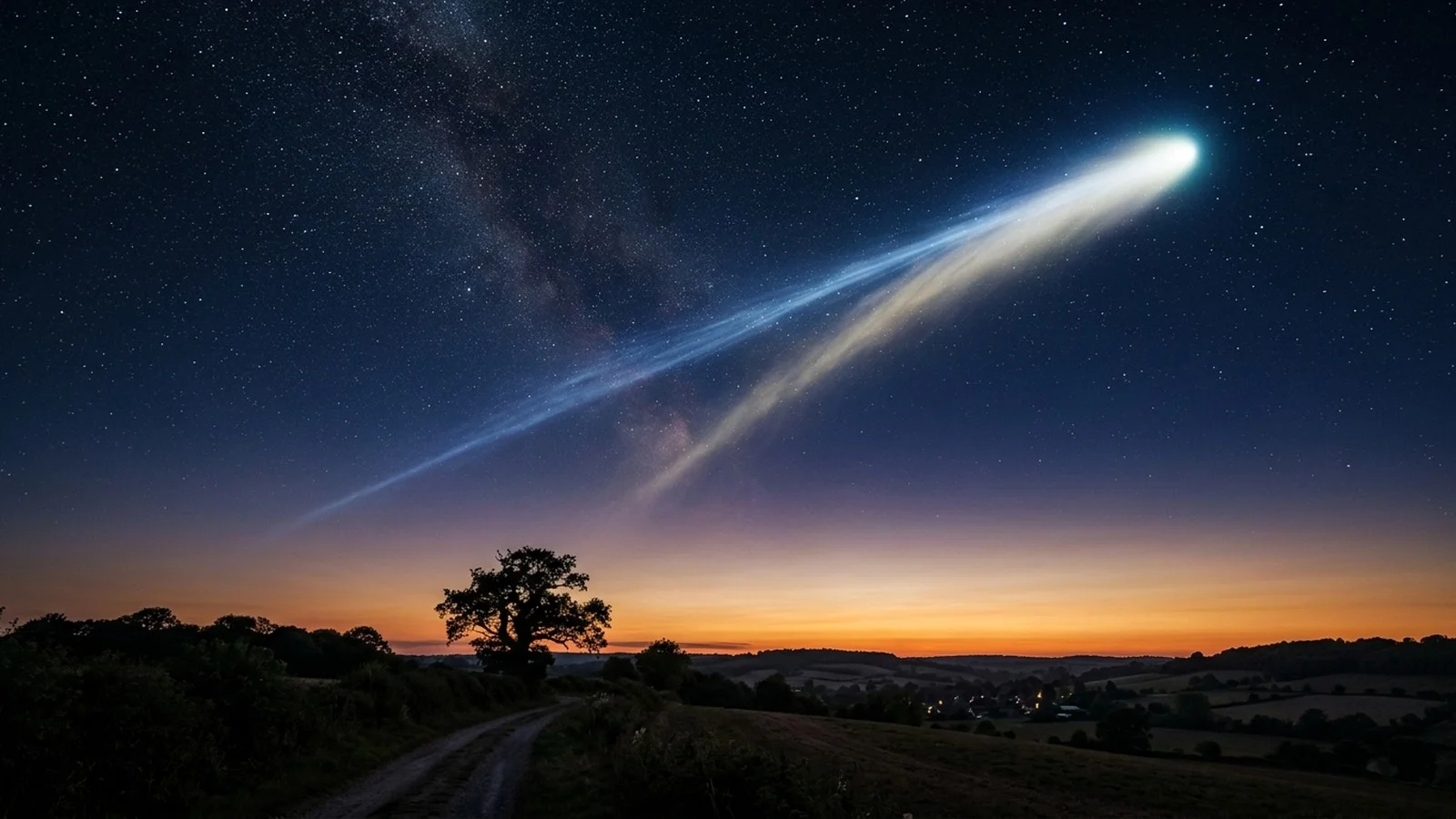
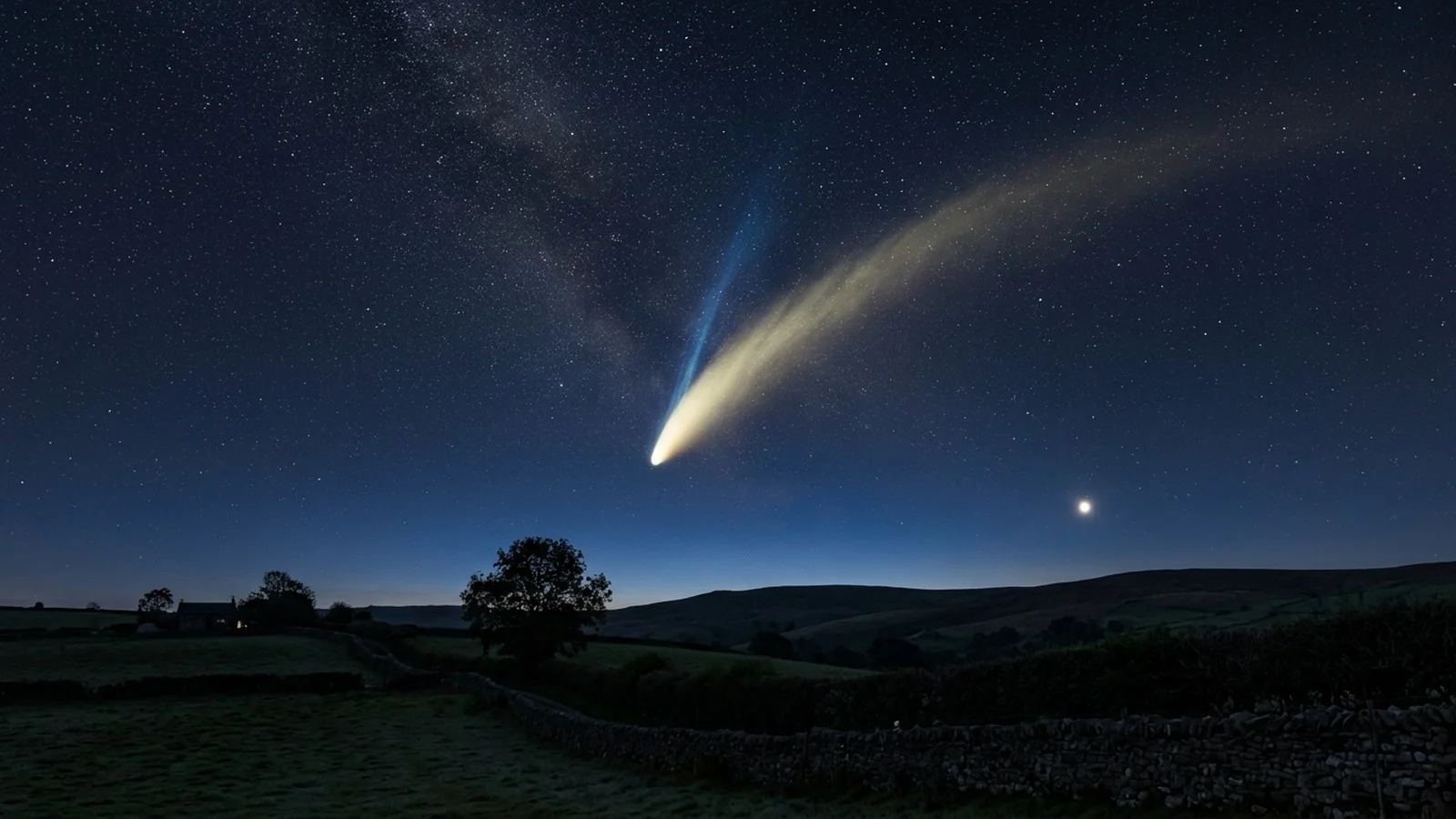
Comet C/2025 R3 (PanSTARRS) was spotted with the naked eye on 11 April at an estimated magnitude of 5.1. It was NASA's Astronomy Picture of the Day on 12 April. This is no longer a binocular-only object. Under dark skies, you can see it without any equipment at all.
And it's still getting brighter.
The comet reaches perihelion, its closest approach to the Sun, on 19 April, passing just 0.499 AU from the solar surface. Its closest approach to Earth follows on 25 April at 0.489 AU. Between now and then, the comet should brighten further. Conservative estimates put it at magnitude 4 by perihelion. More optimistic forecasts suggest magnitude 2.5 or even brighter.
The wild card is forward scattering. Around 20–25 April, the geometry between Earth, the Sun, and the comet creates near-perfect conditions for sunlight to scatter forward through the comet's dust tail toward us. This effect can boost apparent brightness by up to 100 times. If it kicks in strongly, PanSTARRS could briefly rival the brightest stars in the sky.
Where to look: Before dawn, low in the east, in the constellation Pisces near the Great Square of Pegasus. Start looking about 90 minutes before sunrise, around 04:30 BST from the UK. The comet is currently about 15° above the eastern horizon an hour before sunrise.
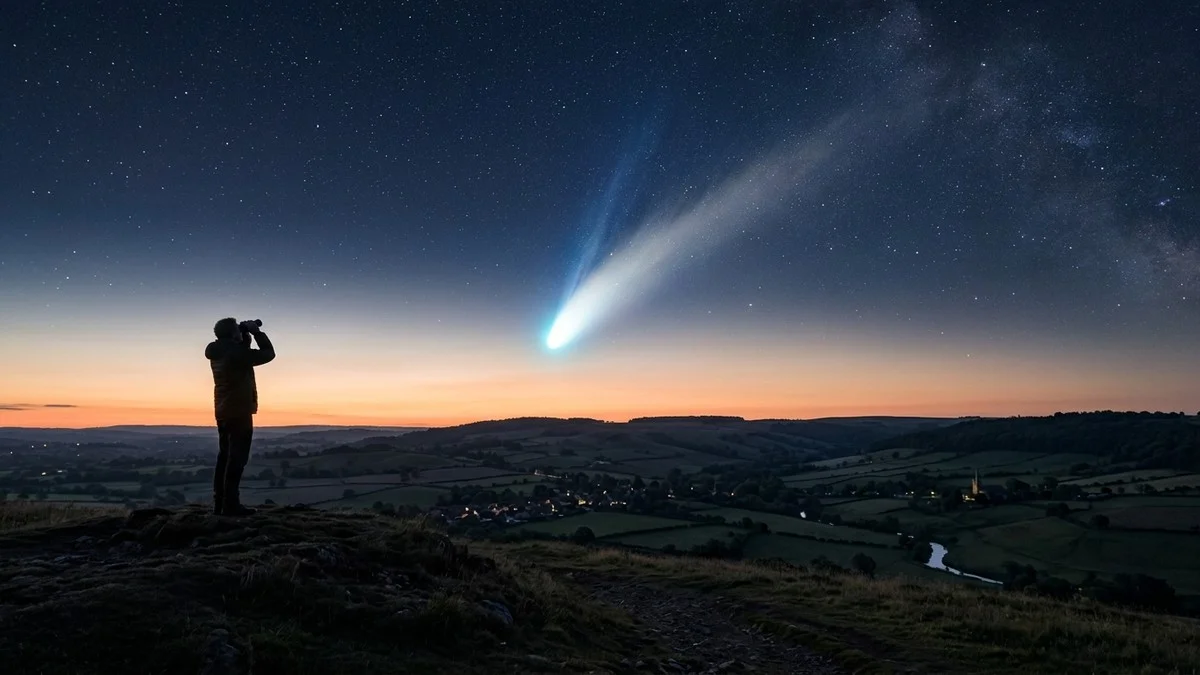
What you need: Your eyes. Binoculars will show the tail more clearly. A clear eastern horizon is essential. Any buildings or trees in that direction will block your view.
The catch: From about 18 April, the comet begins sinking into the Sun's glare as it approaches perihelion. The mornings of 14–17 April are your best predawn windows. After perihelion, PanSTARRS may transition to the evening sky, but that depends on how bright it gets and how quickly it emerges from the solar glare.
We have a full observing guide with finder charts and photography tips in our dedicated PanSTARRS article.
The Dark-Sky Window
New Moon falls on 17 April. That means from tonight (14 April) through to about 20 April, the Moon is either absent or a thin crescent that sets early, leaving genuinely dark skies for the entire night.
This matters for three reasons. First, fainter objects like the comet's tail, nebulae, and galaxies are vastly easier to see without moonlight washing them out. Second, the Lyrid meteor shower becomes active from tomorrow, and even a slim crescent can halve the number of shooting stars you spot. Third, this is the last really dark window before the Moon waxes back to First Quarter on 24 April.
If you've been meaning to take the telescope out, or try some astrophotography, or just find a dark spot and stare upward for half an hour. This is the week.
Friday's Showpiece: Moon, Venus & the Pleiades
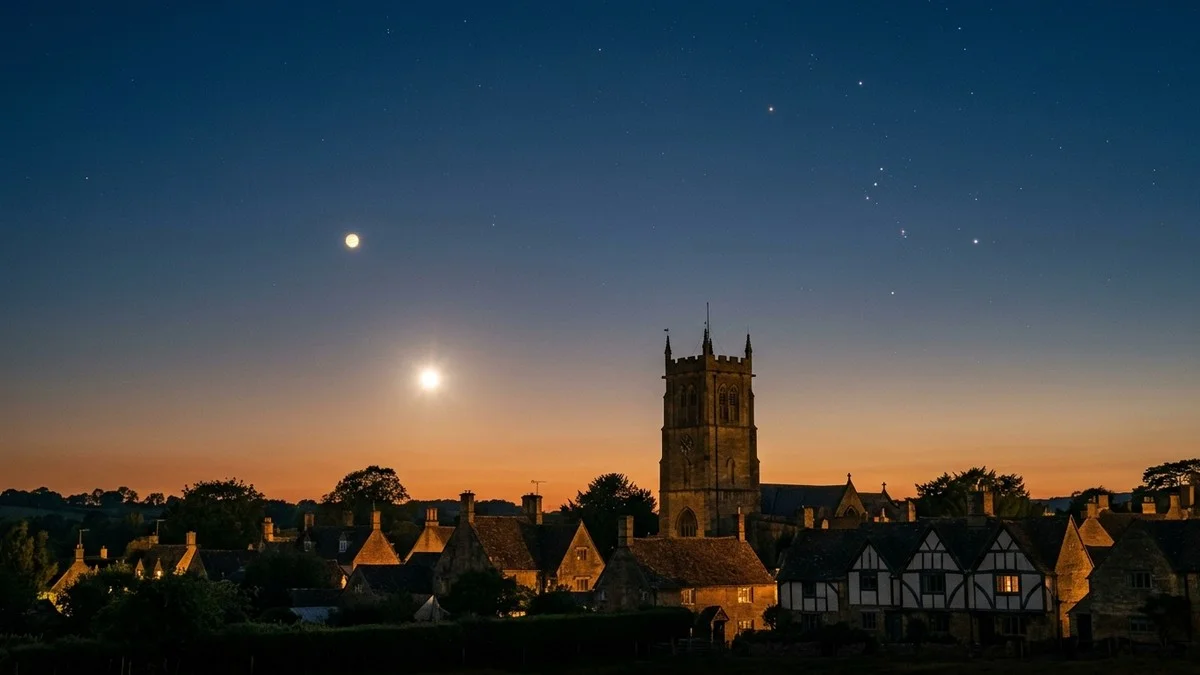
On the evenings of 18 and 19 April, look west after sunset for one of the most photogenic celestial line-ups of the year.
18 April: A razor-thin crescent Moon (just 4% illuminated) hangs about 5.6° from brilliant Venus, with the Pleiades star cluster (M45) sitting above both. Earthshine, the faint glow of sunlight reflected off Earth's oceans onto the Moon's dark side, should be clearly visible, giving the crescent a ghostly, three-dimensional look.
19 April: The crescent Moon (7% illuminated) has climbed to sit directly alongside the Pleiades, just 4.6° from the cluster. Venus blazes below. Through binoculars, the Moon and the Pleiades fit in the same field of view, a genuinely rare and beautiful sight.
This is a stunning smartphone photography opportunity. Even a phone camera in night mode can capture Venus, the crescent Moon, and the Pleiades together against a twilight sky. From a location with a clear western horizon, the scene will be visible from about 20:30 BST until the objects set around 22:30 BST.
Can't see the comet's detail with your eyes alone?
Kit we've tested and reviewed in full
PanSTARRS is naked-eye now, but you'll see far more of its tail with some help. And with Venus, the Pleiades and a crescent Moon all lining up this week, this is exactly the kit worth having ready.
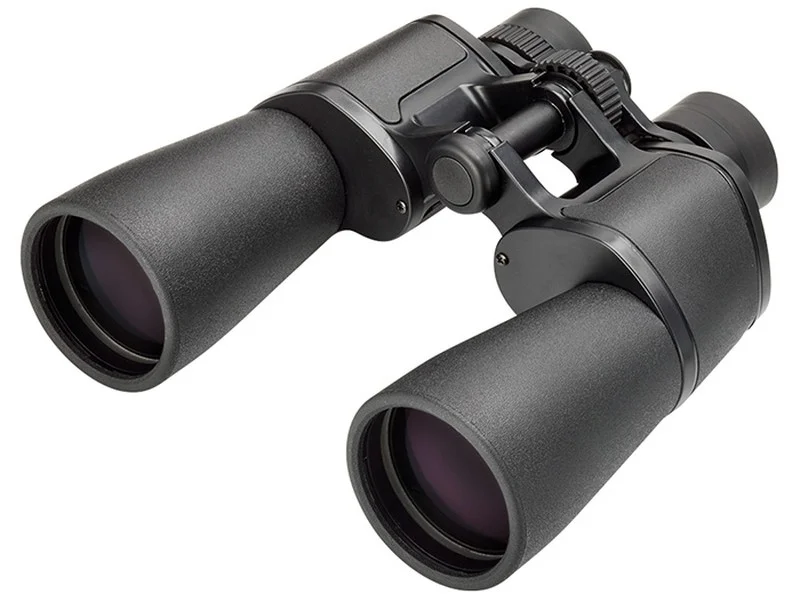
A solid, portable choice for the predawn comet hunt or for framing Friday's Moon-Venus-Pleiades line-up.
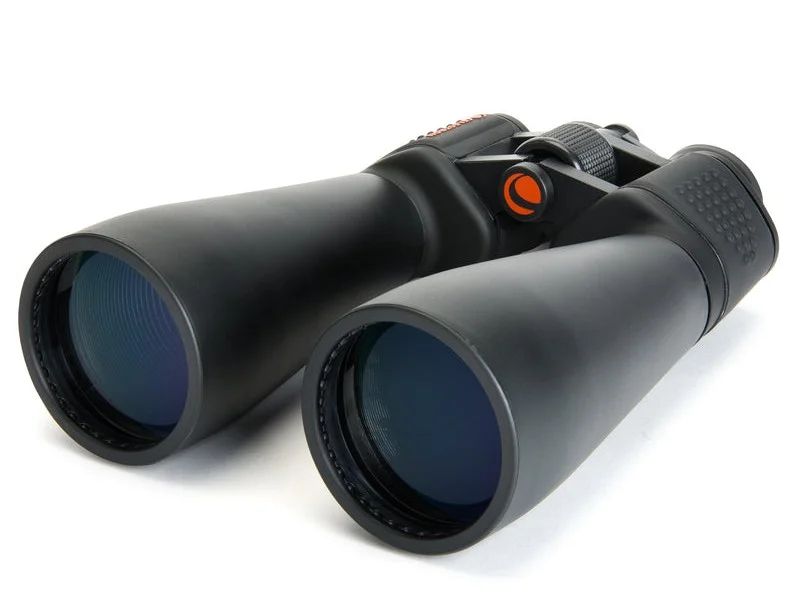
The extra aperture is genuinely useful for a faint comet low on the horizon, pulling in more of that dust tail than smaller glass can manage.
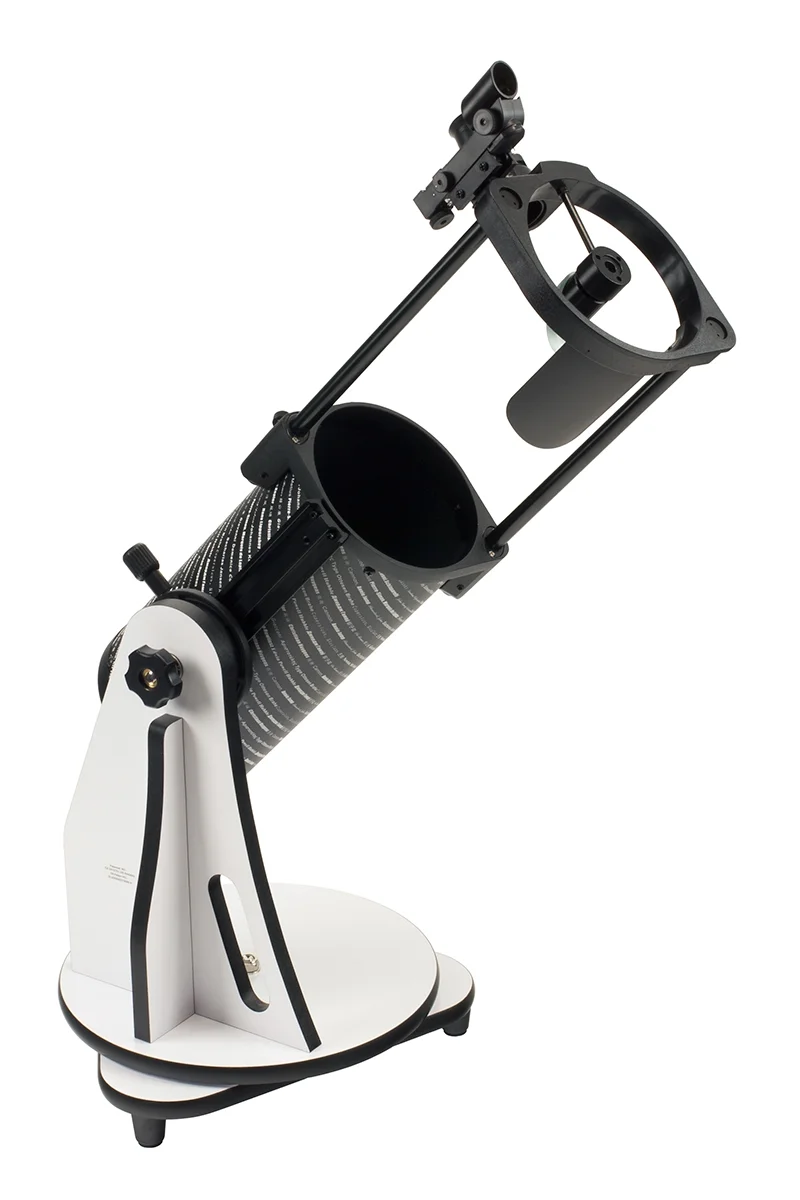
If this week has got you hooked, this compact tabletop scope will take you well beyond the comet and into proper deep-sky territory once the Lyrids have passed.
Affiliate links: you pay the same price, we earn a small commission that helps keep WatchTheStars free.
The Lyrid Meteor Shower
The Lyrid meteor shower becomes active from 15 April and runs through to 29 April, with its peak on the night of 22–23 April.
At peak, expect around 10–15 meteors per hour from a dark site, and possibly more. The Lyrids are known for occasional surges that can push rates up to 100 per hour, though no outburst is predicted for 2026. What the Lyrids lack in numbers, they make up for in quality: these are fast, bright meteors that frequently leave persistent glowing trains.
The timing is excellent this year. The waxing crescent Moon sets well before midnight on the peak night, leaving dark skies from about 00:30 BST through dawn. The radiant point, near the bright star Vega in Lyra, climbs high in the east after midnight, reaching nearly overhead by 04:00 BST.
Best time to watch: After midnight on the morning of 22 April, through to dawn.
What you need: Nothing but your eyes, a reclining chair or blanket, and a dark location away from streetlights. Face generally east/overhead. Give your eyes 20 minutes to adapt to the dark.
The Lyrids are also worth watching on the nights of 20–21 and 23–24 April, when rates will be lower but still noticeable.
Evening Planets: Venus and Jupiter
Both of the sky's two brightest planets are in the evening sky this week, making them effortless targets after dinner.
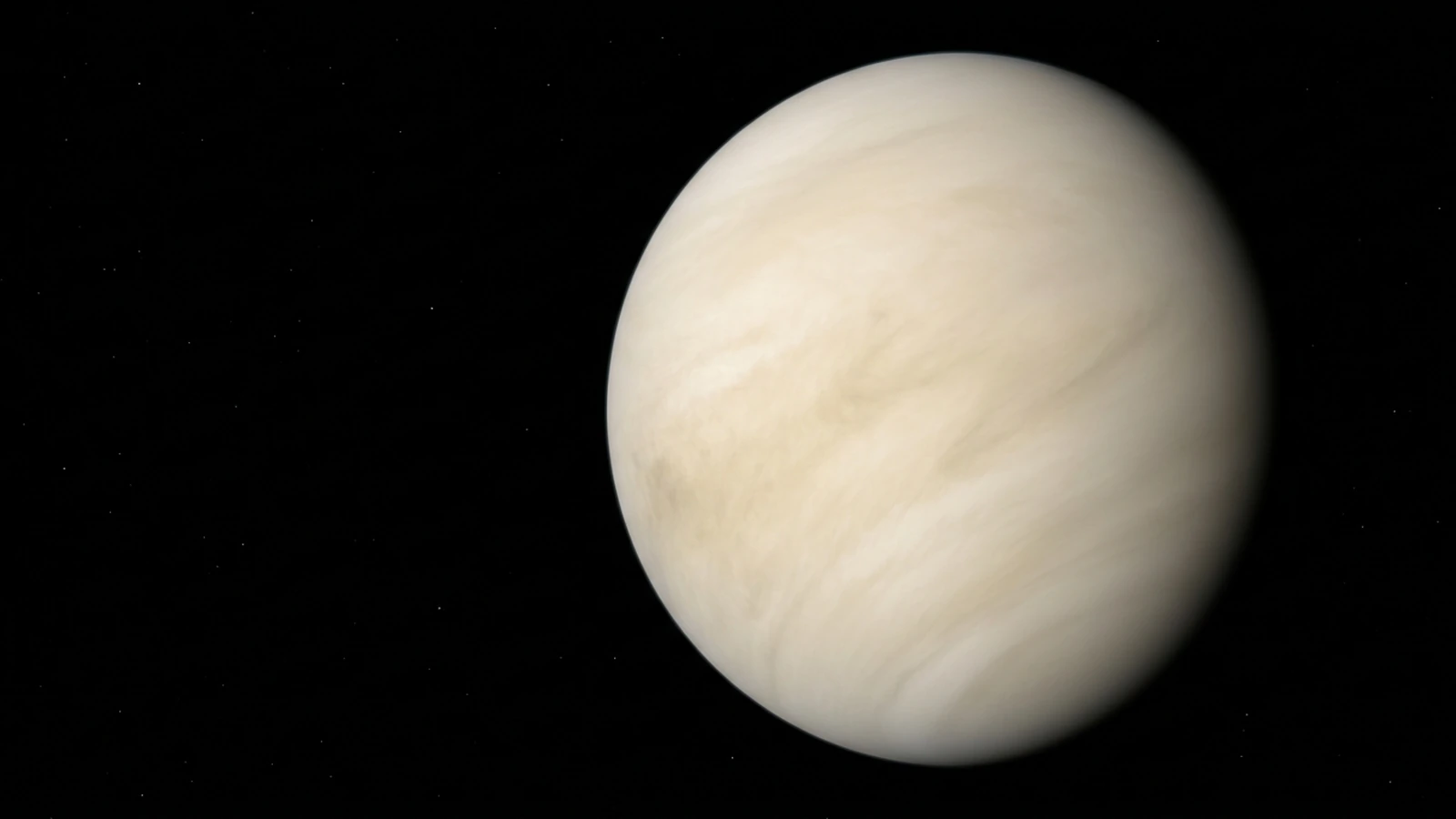
Venus is unmissable in the west-northwest after sunset, a blazing white beacon that appears about 30 minutes after the Sun goes down and hangs around for roughly two hours. It's getting higher each evening as it climbs away from the Sun, and by month's end it won't set until nearly 2 hours 45 minutes after sunset. You can't miss it. It's brighter than anything else in the sky except the Moon.
Jupiter (magnitude −2.1) sits higher in the west, in Gemini. It's the second-brightest "star" in the evening sky. Through a small telescope, you can see the cloud belts and up to four Galilean moons. Jupiter is slowly sinking toward the Sun and will be lost in the evening twilight by late May, so the next few weeks are your last good chance to observe it this apparition.
Your Week at a Glance
Here's the quick diary for the week ahead:
Tonight (14 April): Dark skies begin. Comet PanSTARRS predawn ~04:30 BST. Venus and Jupiter in the evening west.
15–17 April: Best predawn comet viewing (before it enters solar glare). Lyrid shower active from the 15th. New Moon on the 17th, darkest night of the month.
18 April: Crescent Moon + Venus + Pleiades in the evening west. Last good predawn comet morning before perihelion glare.
19 April: Comet PanSTARRS reaches perihelion. Moon alongside the Pleiades, binocular highlight.
20–22 April: Watch for the comet transitioning to the evening sky (uncertain: depends on brightness). Lyrids building toward peak. Moon between Venus and Jupiter on the 20th.
22–23 April: Lyrid meteor shower peak. Best after midnight, dark skies until Moon rises.
Clear skies, and set that alarm.
Frequently Asked Questions
Equipment guides
Related topics
Ian ClaytonAmateur astronomer and founder of WatchTheStars.co.uk, dedicated to helping others explore the wonders of our universe. Full profile →