Finding & Observing Aquarius
Jump to section 6 sections
How to Find Aquarius
Finding Steps
Seasonal Visibility
| Month | Direction | Altitude at 10 PM | Observability |
|---|---|---|---|
| July | Southeast, rising | ~10–15° | Early evening, very low |
| August | Southeast, ~25° | ~25° | Higher, better visibility |
| September | Due south | ~30–35° | BEST MONTH: good height, good darkness |
| October | Southwest, fading | ~25° | Still visible but setting earlier |
| November | Low southwest | ~10° | Disappearing, very low |
Key Stars of Aquarius
Mythology & History
Deep-Sky Objects
Beginner Observing Guide
Observing Kit
Recommended equipment for observing Aquarius
Kit we've tested and reviewed in full
Aquarius is low in the autumn sky from the UK but worth seeking out: M2 is one of the finest globular clusters in the northern sky, and the Saturn Nebula is one of the most detailed planetary nebulae accessible in a small telescope. The Helix Nebula needs dark skies and wide fields.
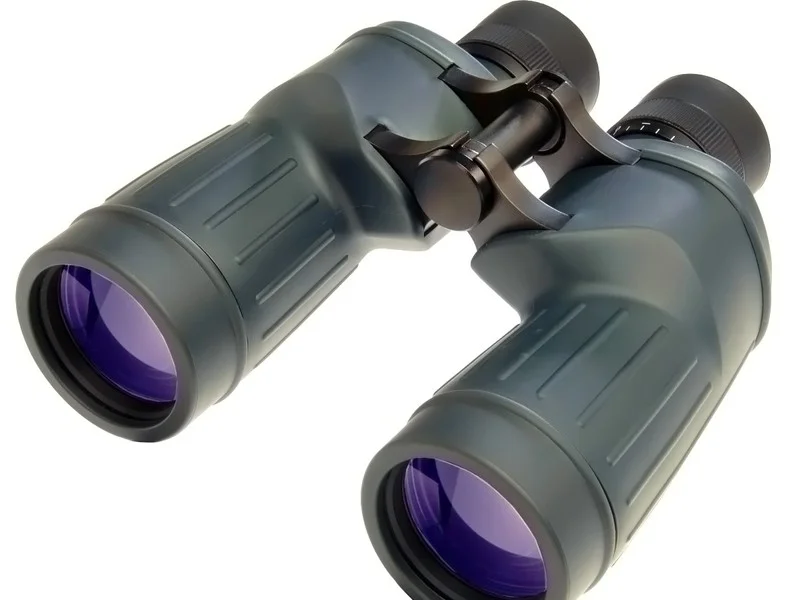
M2 appears as a compact fuzzy ball in binoculars: brighter at the centre with a sharp edge, clearly not a star. The Water Jar asterism is a neat four-star pattern easy to spot with binoculars. The Helix Nebula is large but has very low surface brightness: binoculars with a UHC filter on a very dark night can show a large ghostly ring if you look carefully.
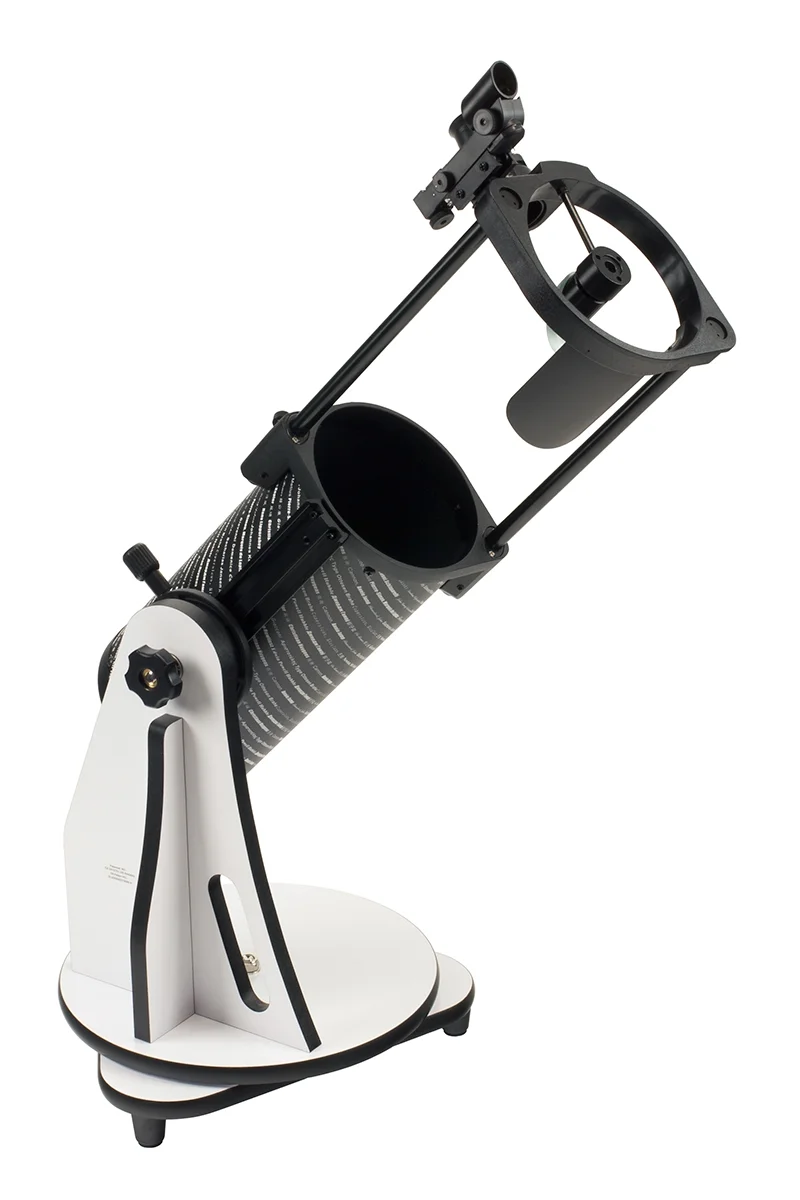
The Saturn Nebula (NGC 7009) is a highlight: at 150× it shows the elongated shape that gives it its name, with the faint protrusions (the "rings") visible on a good night. M2 begins to resolve into a mass of stars at the edges at 150×, one of the most satisfying globulars in the autumn sky. The Helix Nebula (NGC 7293) shows as a large low-contrast ring with averted vision.
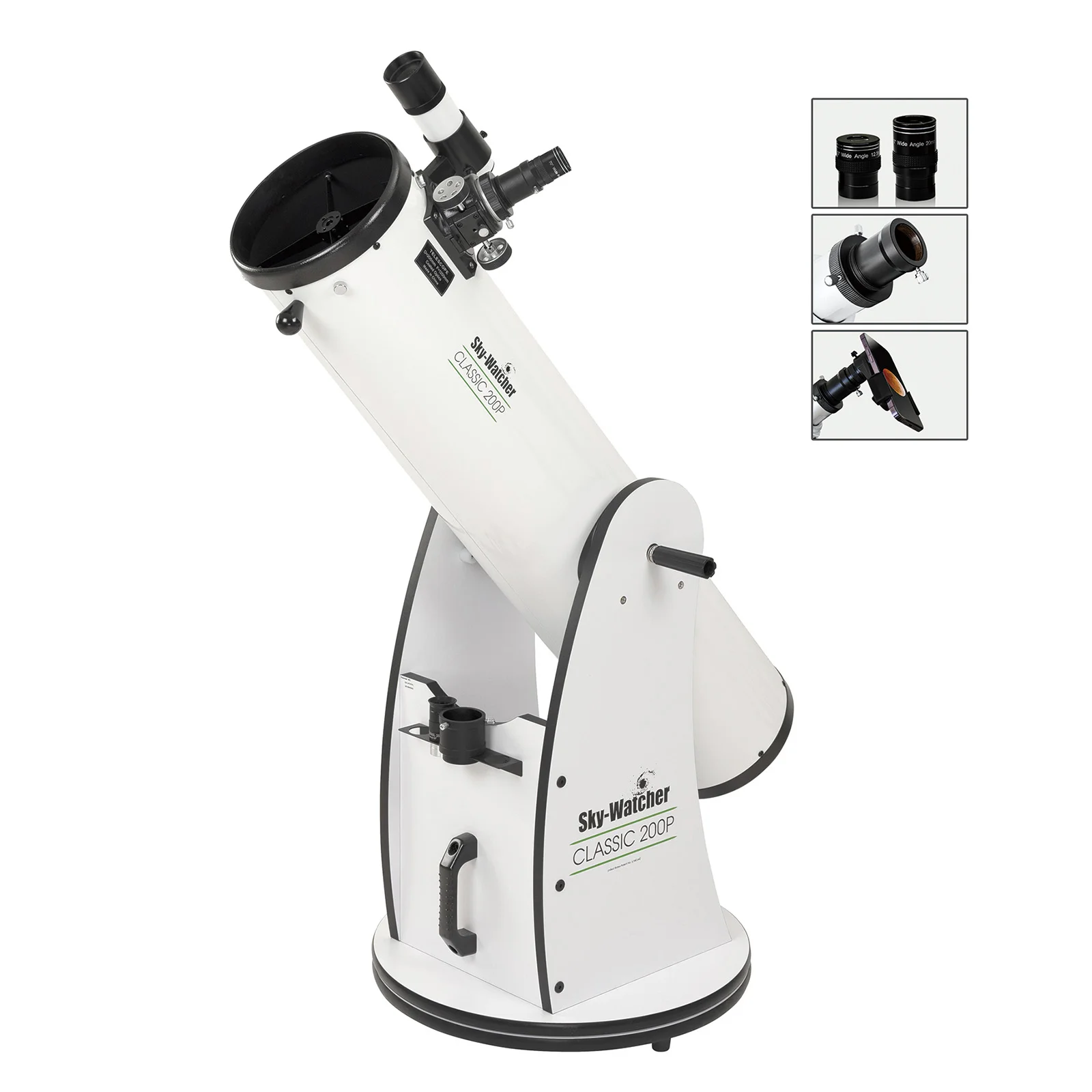
M2 resolves fully: hundreds of individual stars packed into a sphere 175 light-years across. The Helix Nebula's dark central hole becomes clear at low power with a UHC or OIII filter. NGC 7009's "Saturn ring" extensions are unmistakable at 200×. The planetary nebula NGC 7293 is arguably the most rewarding planetary for a 200mm scope when conditions are right.
Affiliate links: you pay the same price, we earn a small commission that helps keep WatchTheStars free.
Need help choosing? See our binoculars and telescope guides.