Finding & Observing Pisces
Jump to section 6 sections
How to Find Pisces
Finding Steps
Seasonal Visibility
| Month | Direction | Altitude at 10 PM | Observability |
|---|---|---|---|
| August | East-southeast, very late | ~5° | Very low, late night only |
| September | East, rising at midnight | ~15° | Becoming visible mid-evening |
| October | East-southeast, 50°+ altitude | ~50° | BEST MONTH: excellent height and darkness |
| November | Due south, still high | ~45° | Still very good, starting to set |
| December | Southwest, fading | ~25° | Setting earlier each night |
Key Stars of Pisces
Mythology & History
Deep-Sky Objects
Beginner Observing Guide
Observing Kit
Recommended equipment for observing Pisces
Kit we've reviewed in full
Pisces rewards patience. Its stars are faint but the Circlet asterism is a satisfying finder target, and TX Piscium is one of the reddest stars you can observe with a small telescope, a carbon star so red it looks almost unreal. Sweep slowly and the area yields background galaxies too.
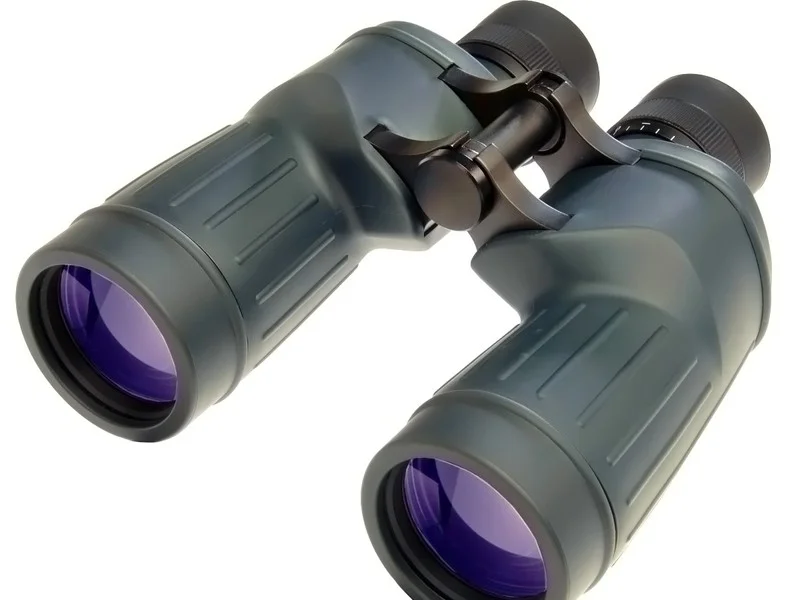
The Circlet, the small ring of stars marking the western fish's head, is a pleasing binocular pattern. TX Piscium's deep orange-red colour is noticeable even in binoculars against the blue-white background stars. Alpha Piscium is a slightly closer double that just splits in good binoculars. A useful constellation for navigating the Pegasus Square region.
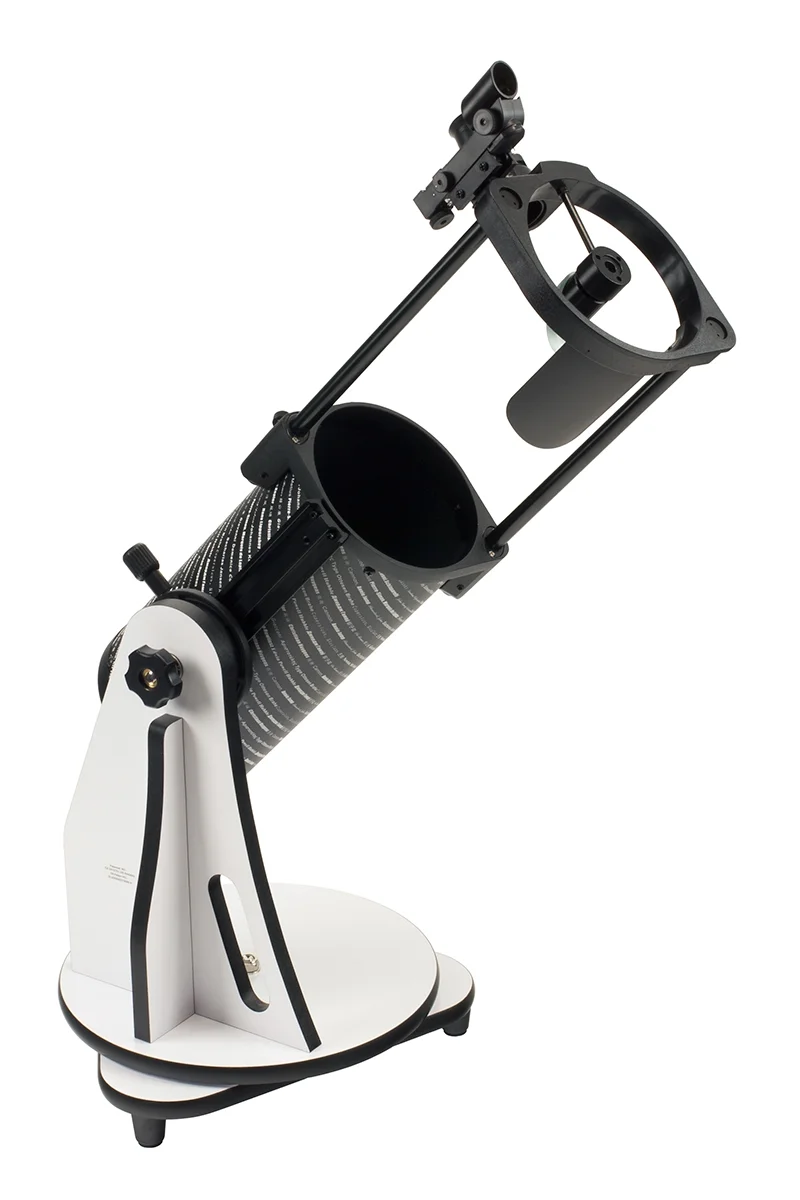
TX Piscium at 50× is a deep red-orange carbon star, one of the coolest and reddest you can find. The colour intensifies at higher magnification. Alpha Piscium (Alrescha) is a tight but satisfying double at 150×. NGC 488, a beautiful face-on spiral galaxy, shows as a round glow with a brighter core, a rewarding find in a faint constellation.
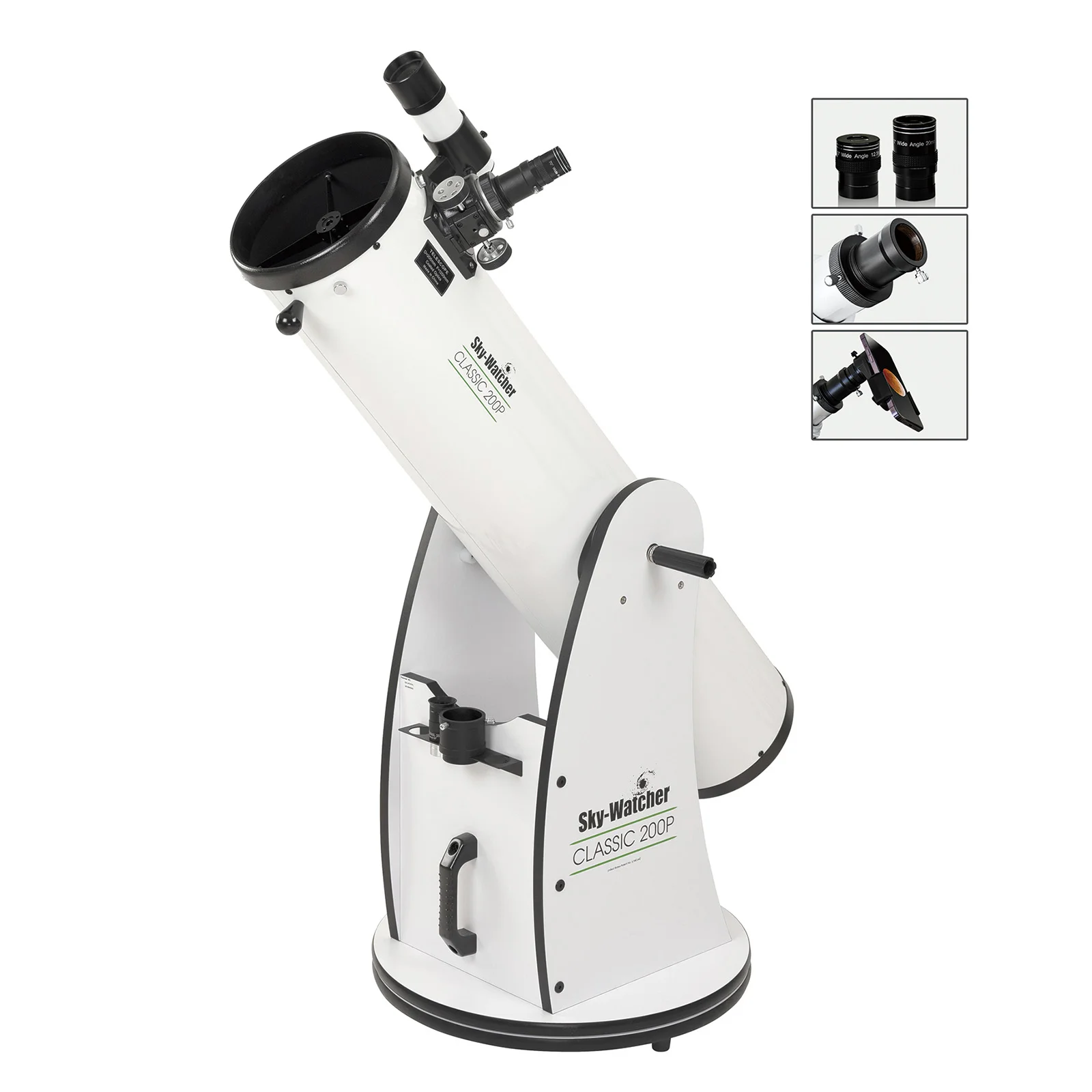
NGC 488's spiral structure becomes more apparent at 150× with averted vision. NGC 524, a lenticular galaxy, shows as a smooth elliptical glow. The M74 group in nearby Pisces (though M74 is on the border with Aries) rewards 200mm on a dark night with its low surface-brightness arms. This area benefits from the longest possible dark adaptation and the steadiest seeing.
Affiliate links: you pay the same price, we earn a small commission that helps keep WatchTheStars free.
Need help choosing? See our binoculars and telescope guides.