Key takeaways
- Trump publicly confirmed the Pentagon's UAP file review has produced 'many very interesting documents'
- First public releases are promised 'very, very soon', though no specific date or content has been confirmed
- Rep. Anna Paulina Luna is now threatening subpoena authority after the Pentagon missed its April 14 deadline for 46 classified videos
- This is the most explicit on-the-record presidential statement yet that the review has yielded significant findings
Jump to section 5 sections
What Trump Said: The Exact Words
On the evening of Friday, 18 April 2026, speaking at a Turning Point USA event in Phoenix, Arizona, President Trump made the most explicit public statement yet about the status of the US government's internal UFO file review.
"As you remember, I recently directed the Secretary of War, the Secretary of Defense, to begin releasing government files relating to UFOs and unexplained aerial phenomena," Trump told the crowd. "This process is well underway, and we found many very interesting documents, I must say, and the first releases will begin very, very soon."
He did not specify what the documents contain, which agencies they originate from, or what "very, very soon" means in practice. The Pentagon did not respond to media requests for comment on timing or content. But the significance of a sitting president stating, publicly, on record, at a large event, that classified UAP-related files have been reviewed and found interesting is hard to overstate.
How We Got Here: The February Order
This announcement is the latest step in a process Trump set in motion in February 2026, when he formally directed the Department of Defense to review and begin declassifying government files related to UFOs and extraterrestrial activity. The order was sweeping in scope: asking multiple federal agencies, not just the DoD, to pull together documents relating to UAP encounters going back decades.
That February directive came on the back of years of congressional pressure and a string of high-profile whistleblower testimonies, including those heard by the House Oversight Committee in 2023, which put the question of non-human intelligence firmly in mainstream political discourse. Trump himself had long been publicly curious about the subject, and his second administration made formal disclosure part of its stated agenda from early on.
The review process reportedly involves teams inside the DoD working through files that have never been subject to declassification review: some of them potentially dating back to the mid-20th century.
While we wait for the files, look up yourself
Kit we've tested and reviewed in full
Document releases move at government pace. Your own sky watching doesn't have to. A good pair of binoculars means you can start checking out unusual lights tonight rather than waiting on Washington.
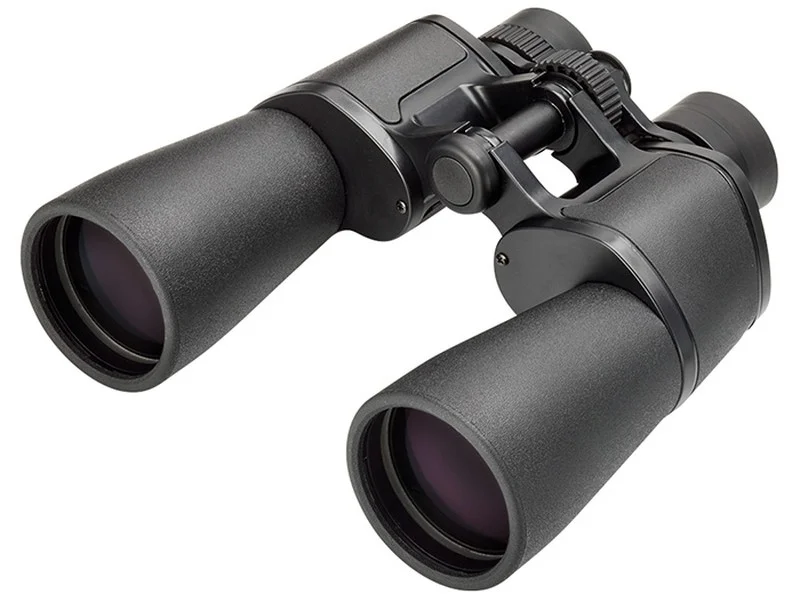
A solid, affordable pair that's easy to keep in the car or by the door for whenever something odd catches your eye.
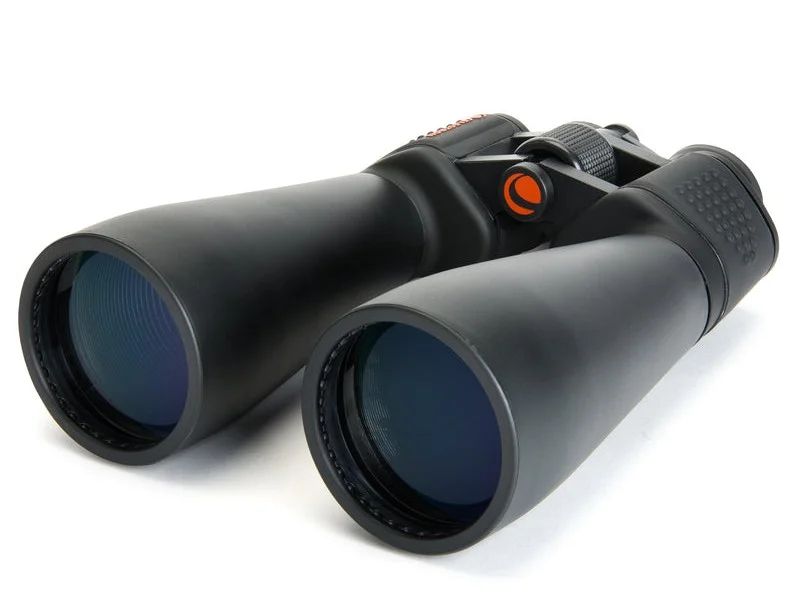
Bigger lenses pull in more light after dusk, which is exactly when most reported sightings happen and when detail matters most for ruling out planes and satellites.
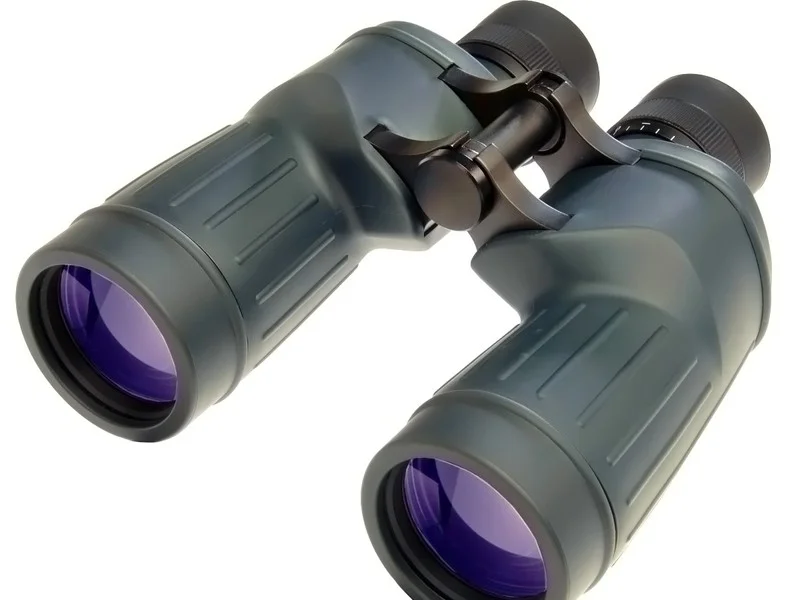
If you're serious about documenting what you see, the clearer glass here makes a real difference when you're trying to describe shape and movement accurately.
Affiliate links: you pay the same price, we earn a small commission that helps keep WatchTheStars free.
Congress Is Losing Patience
Trump's announcement didn't happen in a vacuum. It came just four days after a hard deadline set by Congress passed with no action from the Pentagon.
Rep. Anna Paulina Luna (R-FL), who chairs the House Oversight Task Force on the Declassification of Federal Secrets, had written to Defence Secretary Pete Hegseth in March demanding that 46 specific classified UAP videos be handed over by April 14. That deadline came and went without delivery, and without a formal response until congressional staff chased it up.
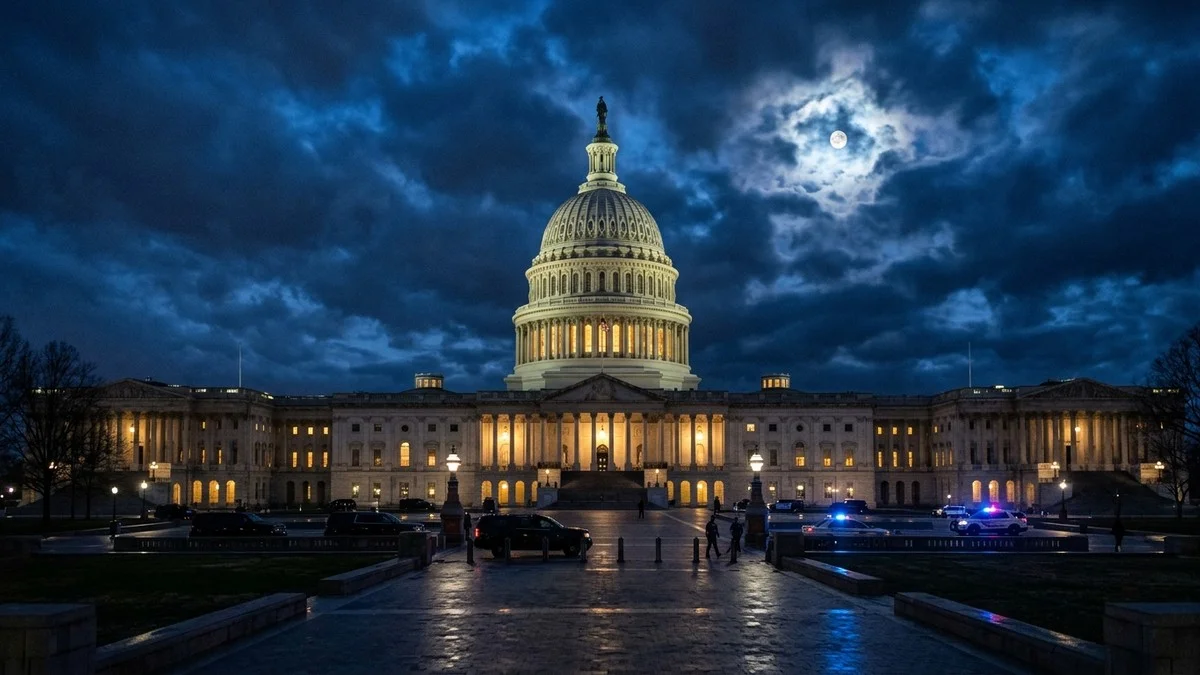
Luna said publicly that she is now considering using subpoena authority to compel delivery of the videos. Meanwhile, Rep. Tim Burchett (R-TN) has introduced a bill to permanently abolish AARO, the All-domain Anomaly Resolution Office, and block any successor body from being created, arguing the office has become a vehicle for suppression rather than disclosure.
The 46 videos Luna requested include footage of some of the most significant UAP encounters in recent years: the Lake Huron F-16 shootdown of an octagonal object in February 2023, a spherical object diving near a US submarine in March 2022, and the Afghanistan sphere footage that leaked via journalists George Knapp and Jeremy Corbell.
What Could 'Very Interesting Documents' Actually Mean?
It's worth being clear about what Trump's statement does and doesn't tell us.
What it tells us: a review has happened, it has produced documents that Trump personally considers significant, and a release is being planned. That is more than any previous president has said in a public setting.
What it doesn't tell us: whether "very interesting" means evidence of non-human intelligence, documentation of crashed craft, proof of a decades-long cover-up, or something more prosaic: perhaps a thorough accounting of classified sensor data and inter-agency UAP reporting that has simply never been consolidated or made public before.
Previous partial disclosures, the FLIR1, Gimbal, and GoFast videos; the UAP Task Force reports; the AARO historical record documents, have consistently frustrated researchers who expected something more definitive. Each release has been real, significant, and yet incomplete in ways that raised more questions than it answered.
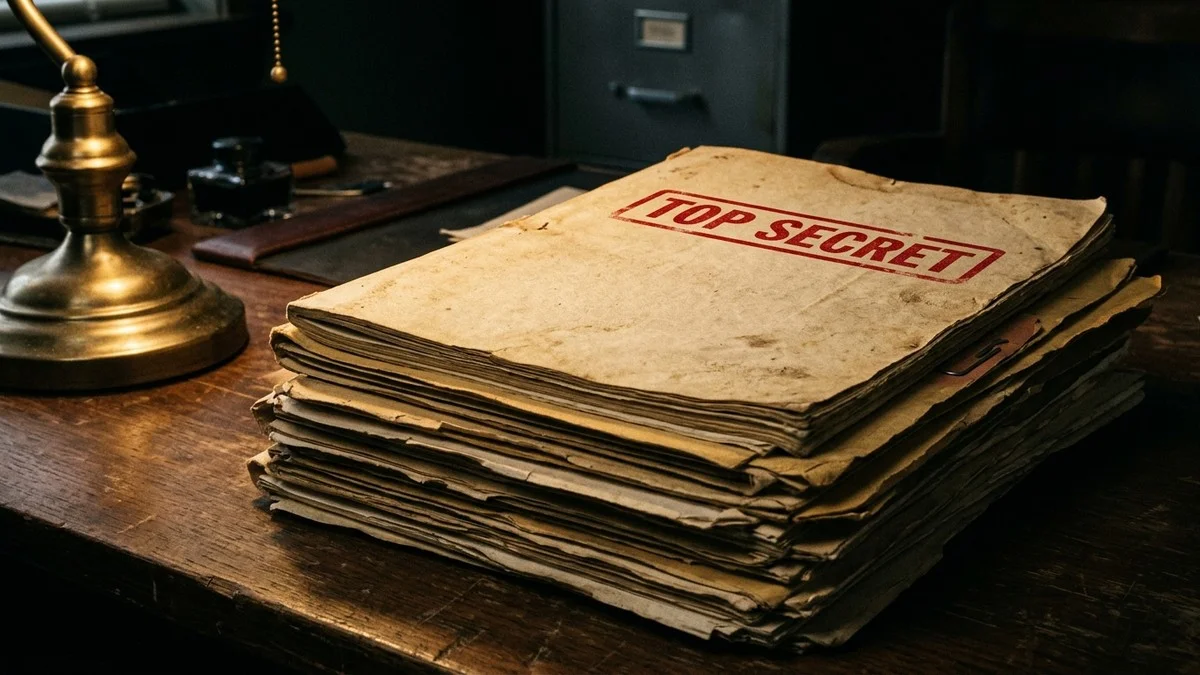
The pattern of "soon" also has a complicated history. Trump used similar language about UAP disclosure in his first term; the JFK files promised "soon" repeatedly took years. That said, the structural difference this time is that Congress is now directly demanding specific, itemised materials and is willing to use compulsory legal tools to get them. That changes the dynamics compared to executive discretion alone.
What Happens Next
The most likely near-term outcomes, in rough order of probability:
A phased document release begins within weeks: probably starting with lower-classification materials, sensor reports, and inter-agency memos, rather than anything that would amount to definitive proof of one kind or another. Trump will frame each release as historic. Some will be genuinely significant. The core questions will remain unanswered.
Congressional subpoena proceedings against the Pentagon begin if the 46 videos are not delivered within the next few weeks. This would be a genuinely unprecedented step: an active legal confrontation between the legislative and executive branches over classified UAP materials.
AARO's future becomes clearer. Burchett's abolition bill remains a live threat, and how the White House responds to it will signal how seriously they're taking the disclosure agenda versus using it as political theatre.
For anyone who has been watching this story carefully, and there are more of us than the mainstream media has historically assumed, the coming weeks may be the most consequential period in the history of official UAP transparency. Watch this space.
Frequently Asked Questions
Equipment guides
Related topics

Ian ClaytonAmateur astronomer and founder of WatchTheStars.co.uk, dedicated to helping others explore the wonders of our universe. Full profile →