Key takeaways
- Lyrid meteor shower peaked the night of April 22–23: up to 18 meteors per hour forecast, with dark skies after 02:00 BST
- Monday April 20: crescent Moon floated between Venus and Jupiter in a stunning evening trio
- April 22–23: Venus sat just 1–0.8° from Uranus: both planets in the same binoculars view
- Jupiter at mag −2.1 in Gemini remained the brightest evening showpiece all week
- Comet PanSTARRS C/2025 R3 was fading from Northern Hemisphere view, sitting low in the west
Jump to section 7 sections
This was a genuinely excellent week to be outside with your eyes on the sky. The Lyrid meteor shower, the oldest recorded in human history, peaked with near-perfect dark-sky conditions. A dazzling crescent Moon hung between Venus and Jupiter on Monday night. And Venus was so close to Uranus mid-week that both planets fitted in the same binoculars view along with the Pleiades. For anyone going outside only twice that week, the picks were Monday evening and the early hours of Wednesday morning.
The Lyrids: Two Nights of Shooting Stars
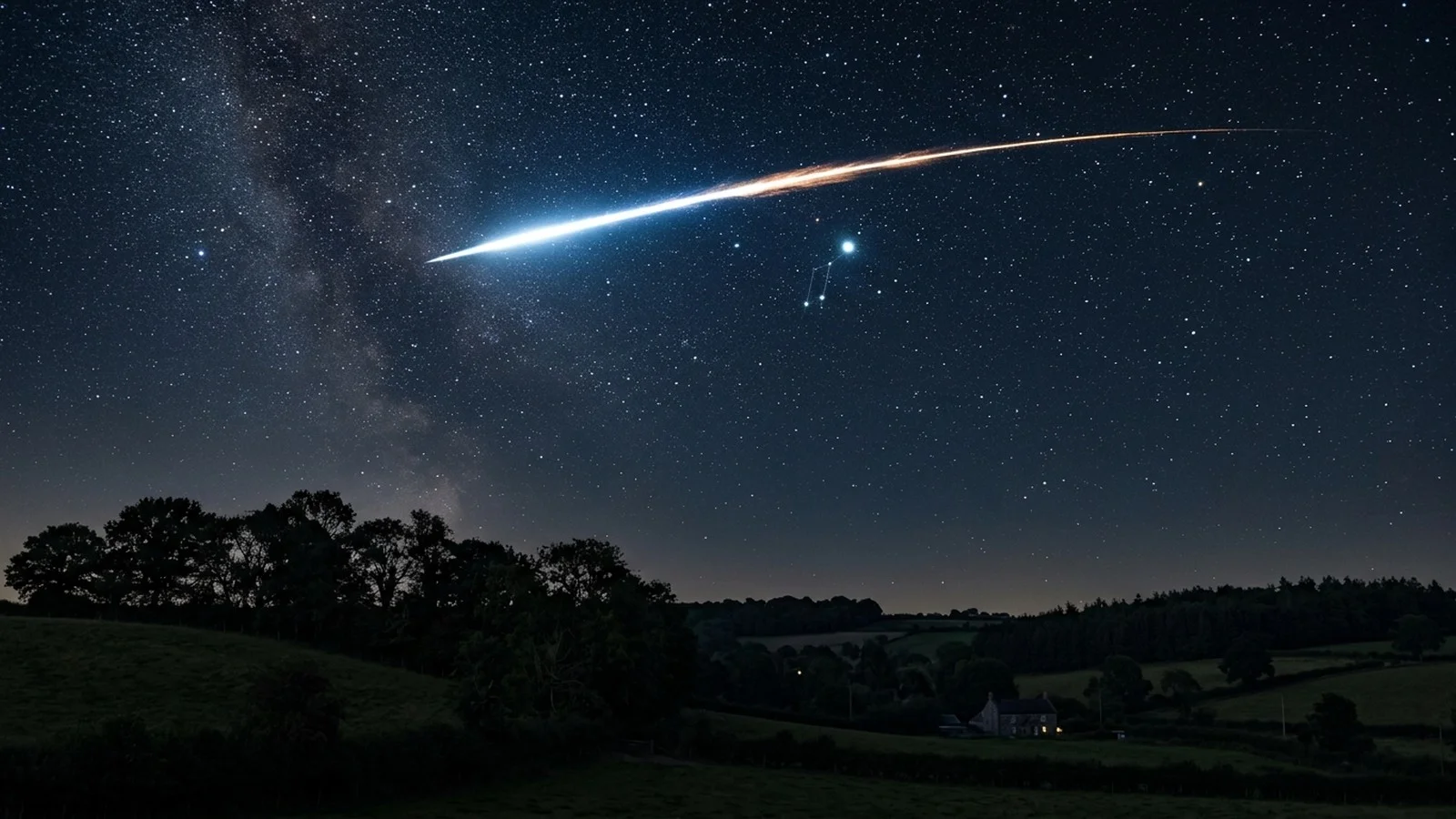
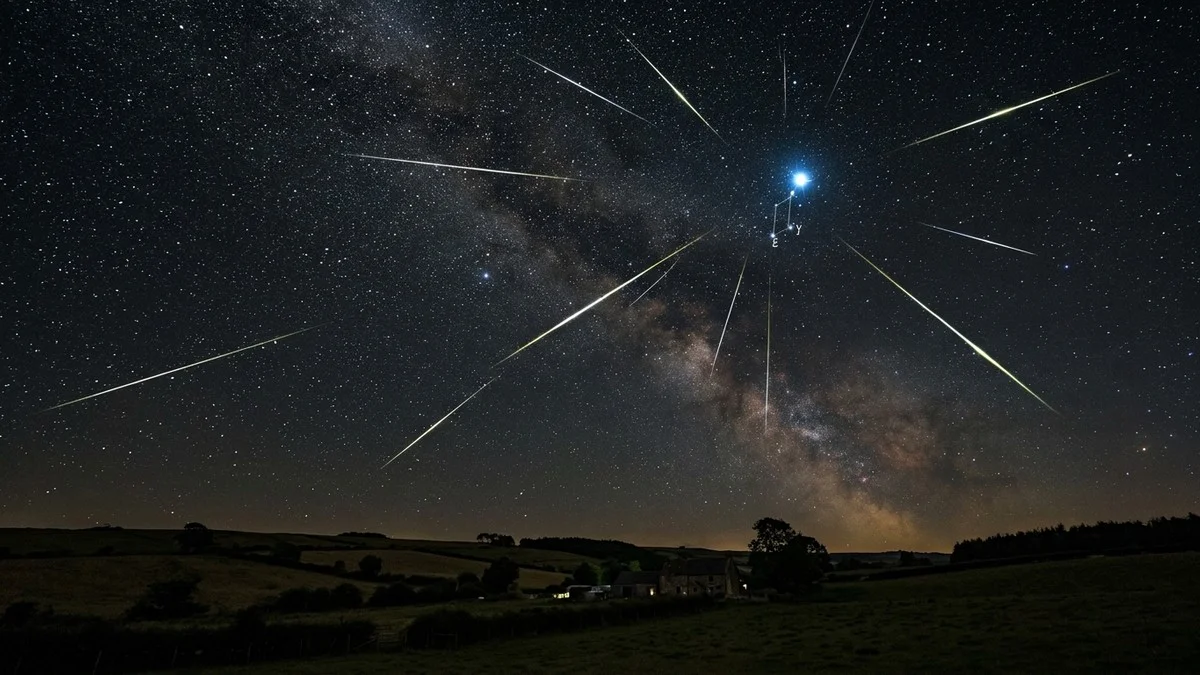
The Lyrid meteor shower peaked around 20:00 BST on Wednesday 22 April, though in practice the best viewing came in the hours before dawn. The recommended window was 02:00–05:00 BST on the morning of Thursday 23 April: that was when the radiant in Lyra climbed high enough in the northeast to throw meteors across a large stretch of sky, and it was also well after the Moon had set.
That year's conditions were excellent. The Moon was a waxing crescent (about 35% illuminated) and set around 01:30 BST on the peak night, leaving nearly four hours of genuinely dark sky before astronomical twilight began at around 03:30. Under a clear, dark sky away from town, the expected rate was 15–18 meteors per hour.
The night of Tuesday 21/Wednesday 22 was expected to be almost as good, and worth trying too if the weather cooperated on the peak night.
Where to look: You didn't need to stare at the radiant. The meteors appear to shoot outward from the star Vega in Lyra (high in the northeast from about 01:30 BST onwards), but they streak across the whole sky. The advice was to lie on your back, face up, and take in as wide a field as possible, giving yourself 20 minutes for your eyes to adjust and leaving the phone face-down.
What to bring: a reclining chair or sleeping mat, several layers (April nights are still cold, 3–7°C is typical), a flask, and a red torch if needed.
The Lyrids are famous for occasional outburst years when the rate can spike to 100+ meteors per hour. We couldn't know in advance when those would happen, so there was always a chance of a surprise.
Monday Night: Moon Floated Between Venus and Jupiter
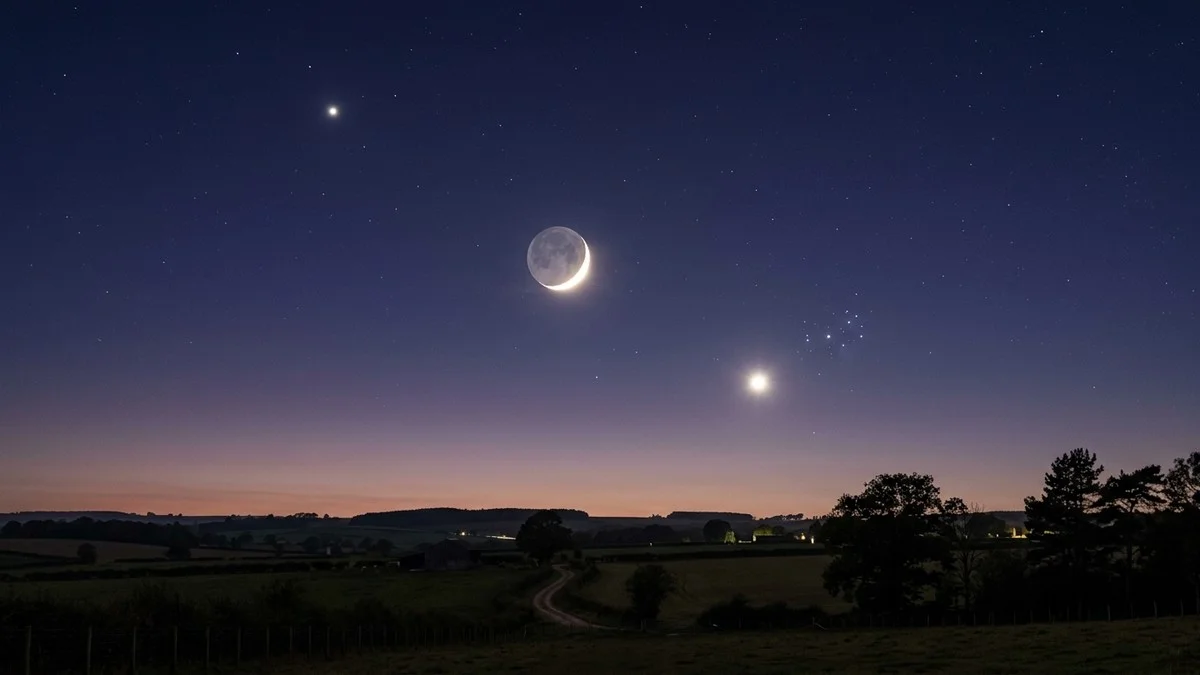
From about 21:00 BST on Monday 20 April, the place to look was west, where three bright objects were arranged in a loose triangle: brilliant Venus low in the west-northwest (shining at magnitude −3.9), the slender crescent Moon (17% illuminated, with earthshine softly lighting the dark portion) roughly in the middle, and Jupiter (magnitude −2.1) higher up toward the west-southwest in Gemini.
It was a beautiful naked-eye scene, and even better through binoculars. Binoculars trained on Venus would also catch the Pleiades star cluster just above and to the right. The crescent Moon was set to show stunning earthshine: that ghostly blue-grey glow of sunlight reflected off our planet's oceans and clouds illuminating the lunar night side. For a photograph, the suggestion was to mount your camera or phone on a tripod and use a 4–8 second exposure to capture all three objects plus earthshine in one frame.
Venus was about 5.4° from the brightest Pleiades star (Alcyone) at that point, slowly climbing higher in the evening sky as the weeks went on. Jupiter, meanwhile, was almost due south of Castor in Gemini.
This triple arrangement was temporary, one to enjoy while it lasted.
Venus Met Uranus (and the Pleiades Too)
On the evenings of April 22–23, Venus passed unusually close to Uranus: separated by just 1.4° on the 22nd and around 0.8° on the 23rd, reaching their closest alignment (same right ascension) on the morning of April 24. That was tight enough that both planets fitted inside the same binoculars view, with the Pleiades thrown in for free.
Here was how to spot Uranus for possibly the first time:
- Wait until about 75–90 minutes after sunset (roughly 21:45–22:00 BST) to let the sky darken
- Find brilliant Venus: it was impossible to miss, the brightest thing in the western sky
- Point binoculars at Venus and look just slightly to its south-east for a faint, flat, blue-grey "star" shining at magnitude 5.8: that was Uranus
- At the same time, the Pleiades sat above and to the right
Venus was only about 10° above the horizon an hour after sunset by mid-week, so a clear, flat western horizon was essential. Binoculars with 7× or 10× magnification would do the job easily.
Uranus is never an easy naked-eye planet, but next to Venus there was no better signpost for it in the sky. For anyone who had never consciously observed Uranus before, this was the moment.
Kit for That Week's Sky
Kit we've tested and reviewed in full
Between the Lyrids, the Venus–Uranus conjunction and Jupiter's moons, this was a proper binoculars week. Here's what we'd take outside.
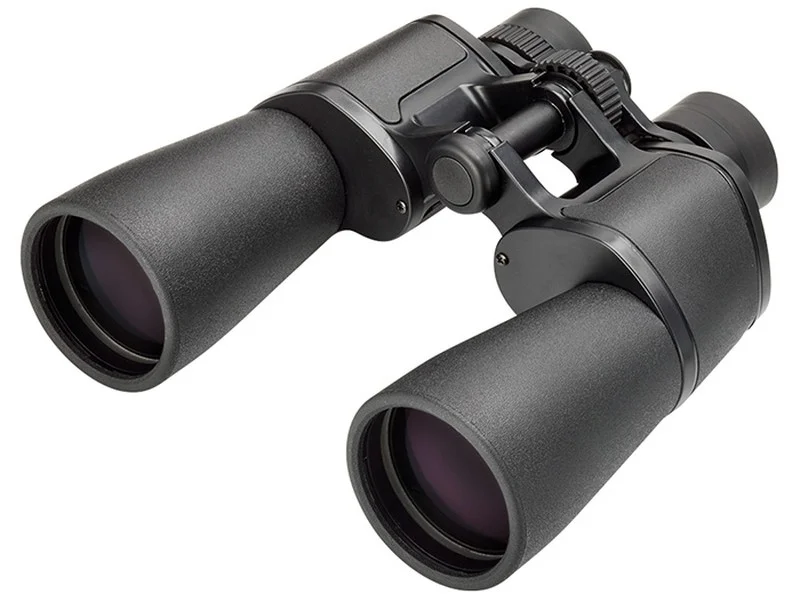
Perfect for tracking down faint Uranus next to Venus, and for scanning wide for Lyrid meteors on peak night.
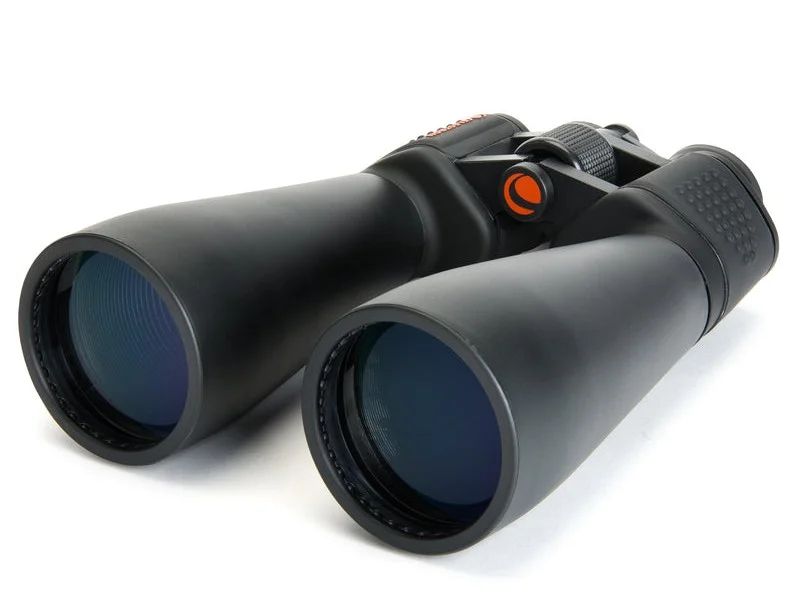
The extra aperture makes catching Jupiter's four Galilean moons, and Uranus's faint blue-grey disc, noticeably easier.
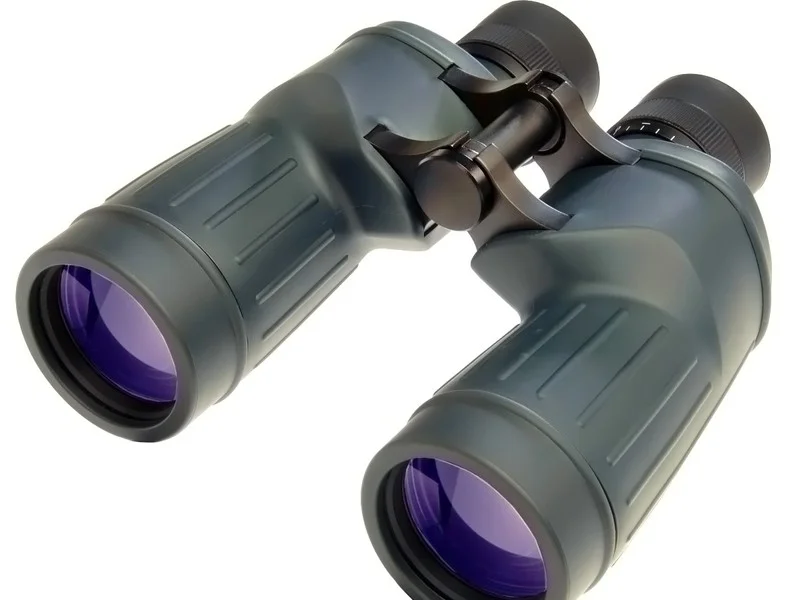
If you're planning on being a regular under the stars in spring, these hold up well night after night.
Affiliate links: you pay the same price, we earn a small commission that helps keep WatchTheStars free.
Jupiter: The Evening King in Gemini
Jupiter remained the undisputed highlight of the evening sky for the rest of April and into May. Shining at magnitude −2.1, it sat in Gemini between the twin stars Castor and Pollux, and it was still high enough in the southwest at dusk to get some telescope time on it before it set (around 03:00 BST from the UK).
Even a small telescope would show two or three dark equatorial cloud belts and the Great Red Spot if it was on the facing hemisphere at the time. More impressively, the four Galilean moons (Io, Europa, Ganymede, and Callisto) changed their positions noticeably from night to night: on Sunday 20 April between 20:11 and 00:41 BST, Callisto's shadow transited Jupiter's disc, a phenomenon you could follow in real time through a 4-inch scope or larger.
The First Quarter Moon fell on April 24 at about 04:30 BST, so from Monday through Thursday the Moon was a thin crescent that set well before midnight, leaving the sky dark for planet observing.
Comet PanSTARRS: One Last Chance
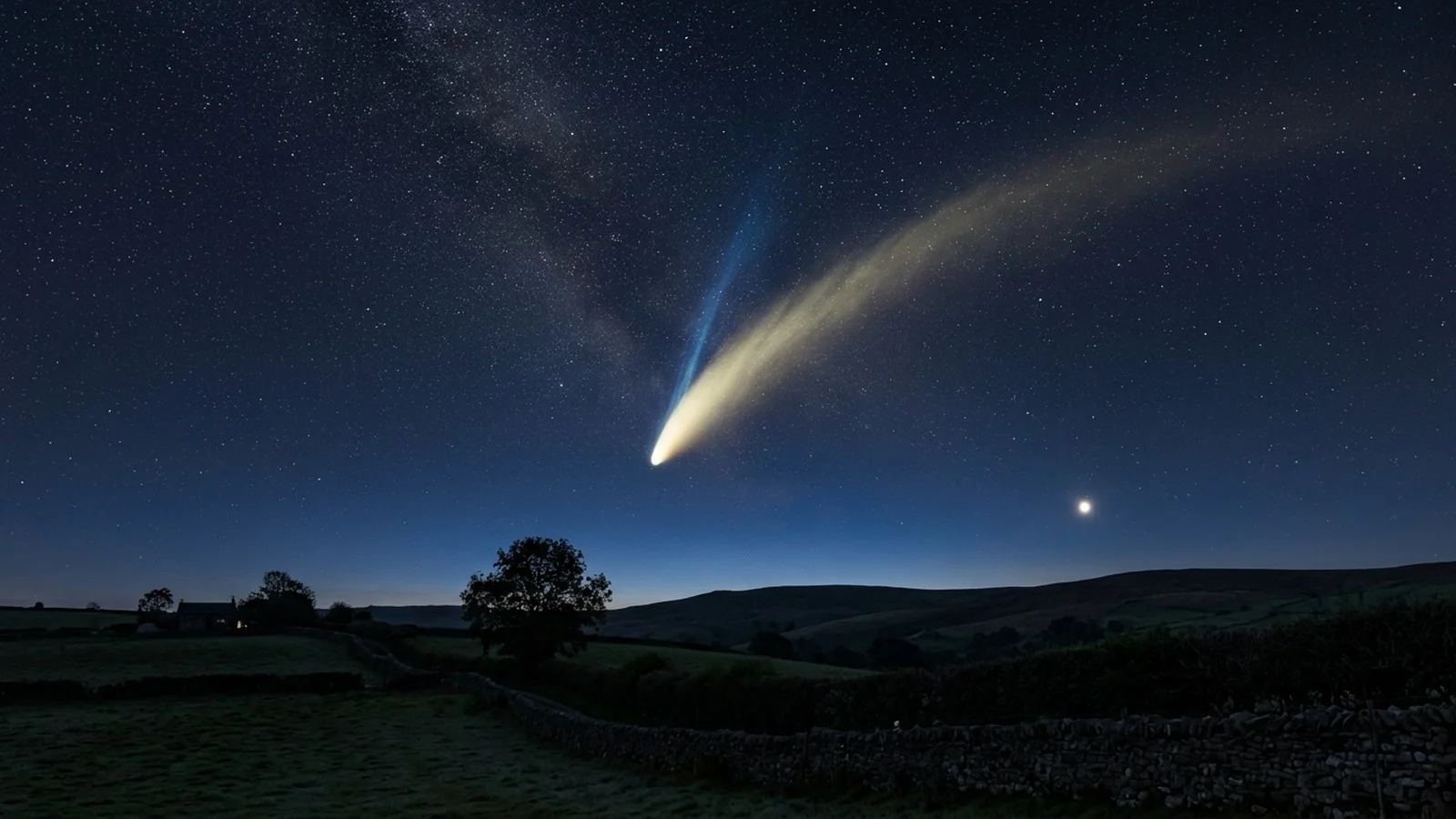
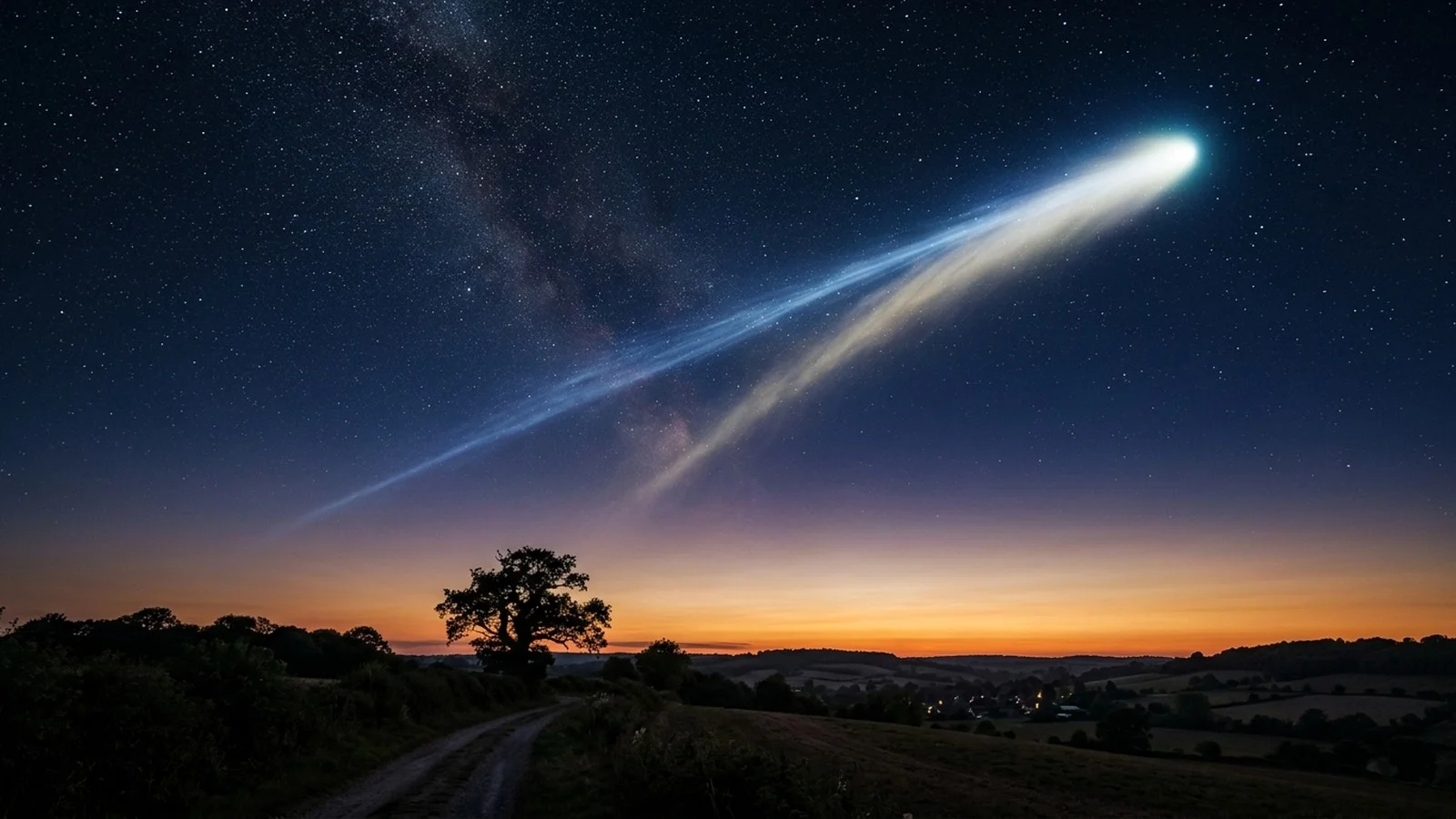
Comet C/2025 R3 (PanSTARRS) reached perihelion on April 19 at 0.499 AU from the Sun, and while it was heading away again, the geometry for UK observers was getting tricky fast. The comet was sliding closer to the solar glare as seen from the Northern Hemisphere, sitting only about 15–20° from the Sun and very low in the western twilight sky.
That said, it had still been reaching naked-eye brightness around magnitude 5 in the days leading up to perihelion, and there was a chance it remained just visible in binoculars low in the west-northwest during the 30–40 minutes after sunset over the following evenings. The spot to check was below and to the right of Venus, very low toward the horizon: a clear, flat view to the west and reasonably transparent air were needed.
The window from the UK was closing quickly for anyone who hadn't caught it yet. Southern Hemisphere observers were due the best of it from late April into May. We have a full observing guide here if you want the full story on this comet.
🔭 Will Tonight Be Worth It?
Spring weather is notoriously unpredictable: clear one night, clouded out the next. Our free Tonight stargazing tool gives your local UK conditions a score from 1–10 based on your postcode: factoring in cloud cover, Moon phase, light pollution, and atmospheric transparency. That way you know before dragging the scope out whether it's worth the effort.
You can also sign up for free email alerts: we'll drop you a note on afternoons when tonight's score hits 7 or above, so you never miss a clear night without realising it.
Quick Tips for the Week
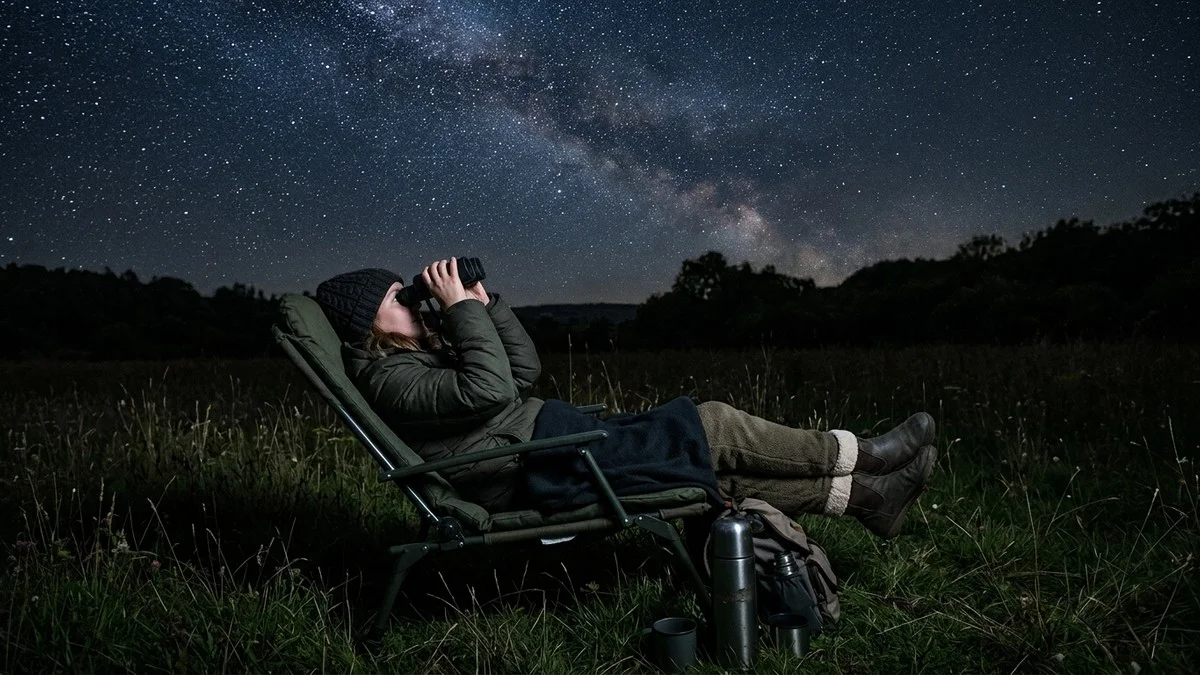
Here is a quick rundown of the plan for each night that week:
Sunday 19 / Monday 20: The plan was to get out early evening (21:00–22:00 BST) for the Moon–Venus–Jupiter triangle, photograph all three with earthshine on the Moon, and also attempt Comet PanSTARRS very low in the western twilight.
Tuesday 21 / Wednesday 22: First Lyrid watch. The Moon was about 25–30% illuminated and set around 01:30 BST, so the best window was 02:00–03:30 BST. The early evening also offered a look for Venus near Uranus and the Pleiades.
Wednesday 22 / Thursday 23: Peak Lyrid night. The suggested alarm time was 02:00 BST. This was the night to make the effort. First Quarter Moon was on the 24th so conditions were still good. The evening also featured the Moon close to Jupiter in Gemini.
Thursday 23 / Friday 24: Venus at closest to Uranus. One more binoculars look in early evening for anyone who hadn't caught the conjunction yet.
All week: Jupiter in Gemini was well-placed for telescopes from dusk until after midnight. Saturn, for anyone who wanted to attempt it, rose in the pre-dawn east from around 03:30–04:00 BST and was worth a look if you were already up for the Lyrids.
Clear skies and an eye on the forecast were what that week called for. For more detail on the Lyrids, see our full guide: Lyrid Meteor Shower: The Complete UK Viewing Guide.
Frequently Asked Questions
Equipment guides
Related topics
Ian ClaytonAmateur astronomer and founder of WatchTheStars.co.uk, dedicated to helping others explore the wonders of our universe. Full profile →