Key takeaways
- Blue Origin successfully reused a New Glenn booster for the first time on 19 April 2026, then an upper-stage engine failed and placed the payload in a useless orbit.
- AST SpaceMobile's BlueBird 7 satellite, with a 2,400 sq ft antenna array, will burn up in the atmosphere. The company expects to recover costs through insurance.
- The FAA has grounded New Glenn pending an investigation into the BE-3U upper-stage engine thrust deficiency.
- The failure is a serious setback for Blue Origin's plan to launch 45+ AST SpaceMobile satellites by the end of 2026 and threatens confidence in the rocket at a critical moment.
Jump to section 6 sections
On 19 April 2026, Blue Origin did something extraordinary and something disastrous in the same flight.
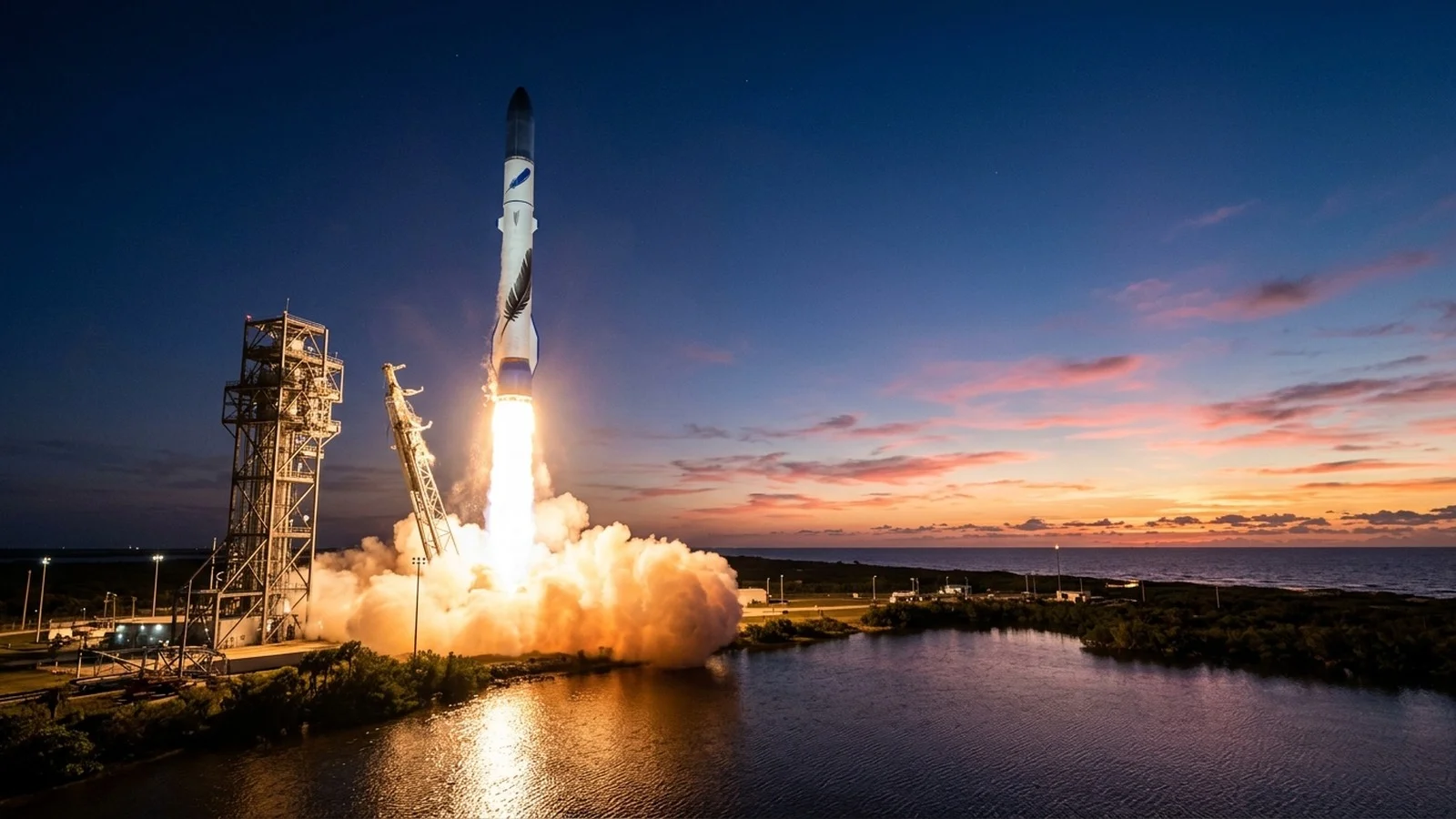
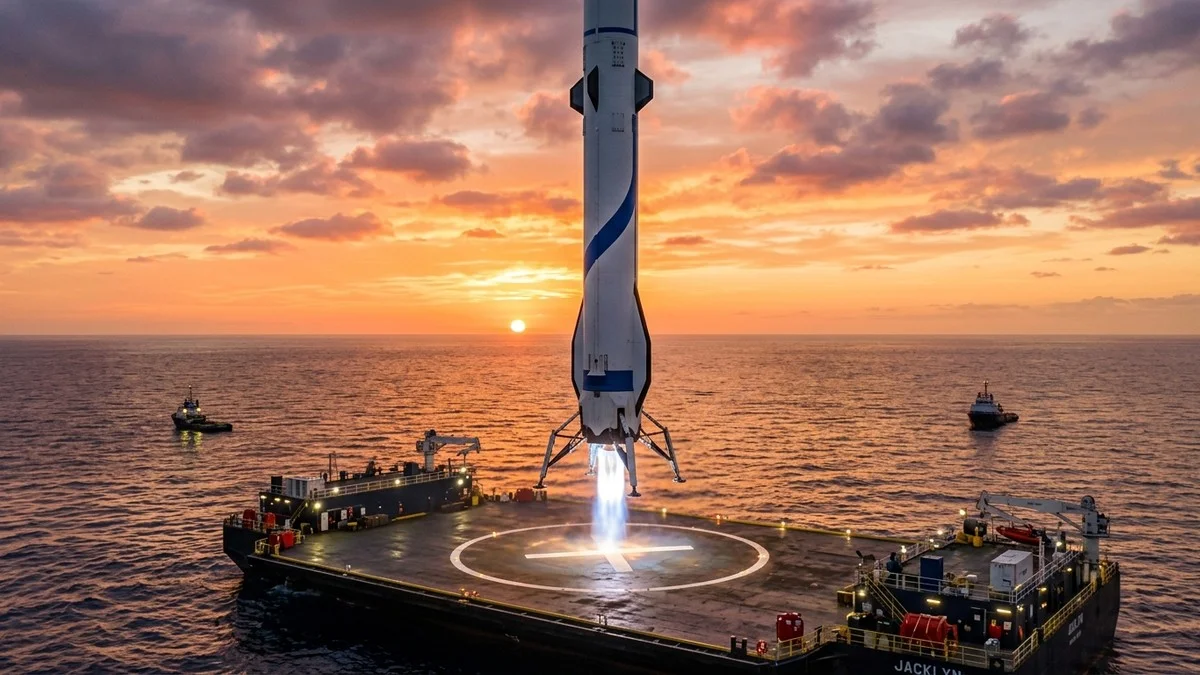
The extraordinary part: for the first time, the company reused a New Glenn first-stage booster. The booster named Never Tell Me the Odds, the same hardware that launched NASA's EscaPADE Mars probes in November 2025, lifted off from Cape Canaveral, did its job, and landed itself on a droneship in the Atlantic for the second time. It was textbook. Beautiful. A genuine milestone.
Then the upper stage failed.
One of its two BE-3U engines didn't produce enough thrust during a critical second burn. AST SpaceMobile's BlueBird 7 satellite, a $100 million-class broadband satellite with one of the largest commercial antenna arrays ever built, ended up in an orbit too low to function. It will re-enter the atmosphere and burn up. A total loss.
The FAA has grounded New Glenn until an investigation is complete.
What Happened
New Glenn's third mission, NG-3, lifted off from Launch Complex 36 at Cape Canaveral Space Force Station at 7:25 a.m. EDT on Sunday, 19 April 2026. The first few minutes went exactly as they should. The seven BE-4 engines on the first stage burned for roughly three and a half minutes, the stage separated, and the booster executed its now-familiar return manoeuvre: flipping around, firing its engines to slow down, and landing on the droneship Jacklyn roughly ten minutes after liftoff.
This was history. The first time Blue Origin had ever reflown an orbital-class booster. Only the second company in history to do so. The booster worked perfectly.
Meanwhile, the upper stage, the expendable second stage powered by two BE-3U liquid hydrogen engines, continued toward orbit. Its first burn appeared nominal. But roughly 75 minutes after launch, during the second burn needed to circularise the orbit at 460 kilometres, something went wrong. About two hours after liftoff, Blue Origin announced that BlueBird 7 had been placed in an "off-nominal orbit."
The satellite separated. It powered on. Its solar arrays deployed. But the orbit was far too low to sustain operations, and there was nothing anyone could do about it.
A Booster That Works and a Stage That Doesn't
There's a cruel irony in this mission. The part of the rocket that everyone was worried about, the recycled first stage, flying for only the second time, worked flawlessly. The part nobody was talking about, the expendable upper stage, which had performed without issue on both NG-1 and NG-2, is the part that failed.
Blue Origin had deliberately taken a cautious approach with the reused booster. All seven BE-4 first-stage engines were replaced with new units rather than reflying the originals. CEO Dave Limp called it a learning flight: validating the booster structure before committing to reflying engines on future missions. That caution paid off. The booster was never the problem.
The problem was upstairs.
What Went Wrong With the Upper Stage
Blue Origin's initial assessment, shared by Dave Limp on social media the following day, pointed to one of the two BE-3U upper-stage engines. "Early data suggest that on our second GS2 burn, one of the BE-3U engines didn't produce sufficient thrust to reach our target orbit," he wrote.
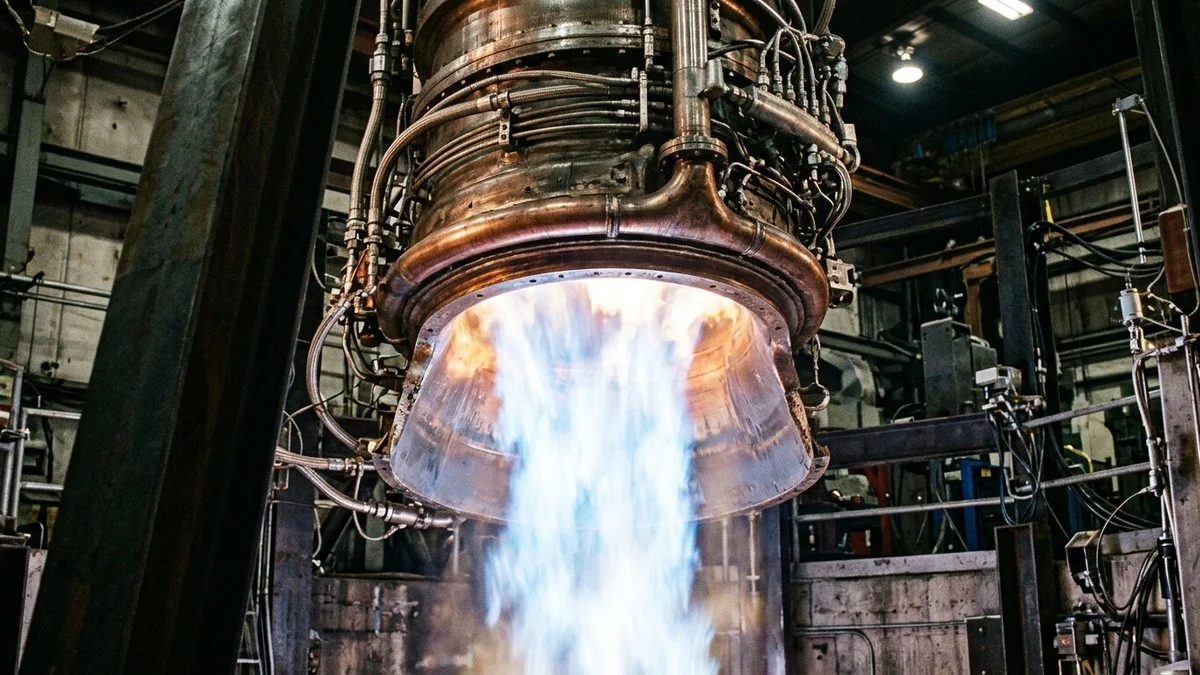
The BE-3U is a liquid hydrogen engine: a modified version of the BE-3 that powers Blue Origin's sub-orbital New Shepard vehicle. It's a proven design in many respects, but hydrogen engines are notoriously demanding. Liquid hydrogen must be stored at −253°C, is prone to leaks at the molecular level, and the restart sequence between burns requires precise thermal management of turbopumps and injectors that have been sitting in the vacuum of space.
The exact root cause hasn't been announced yet. Blue Origin is conducting a full investigation under FAA oversight. Possible culprits include a turbopump issue during the engine restart, a fuel feed problem, or a combustion instability that reduced thrust below the threshold needed for orbital insertion. Whatever the cause, one engine underperforming during the second burn was enough to leave the satellite stranded.
Track Launches Yourself Without a $100 Million Satellite
Kit we've reviewed in full
You don't need Cape Canaveral access to watch rockets and their payloads pass overhead. A solid pair of binoculars will pick up bright satellite passes and the ISS with ease.
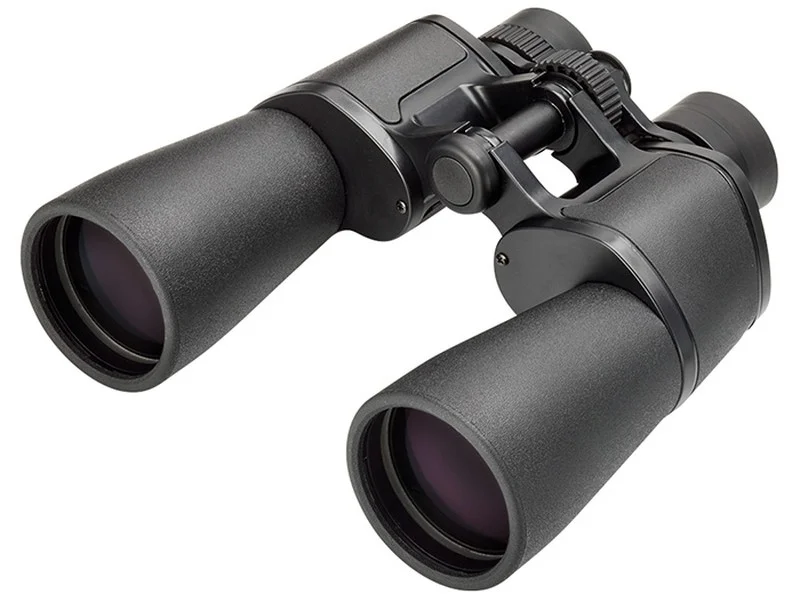
Grab-and-go binoculars for catching the next launch pass or satellite flyover, no bigger a commitment than checking a launch tracker app.
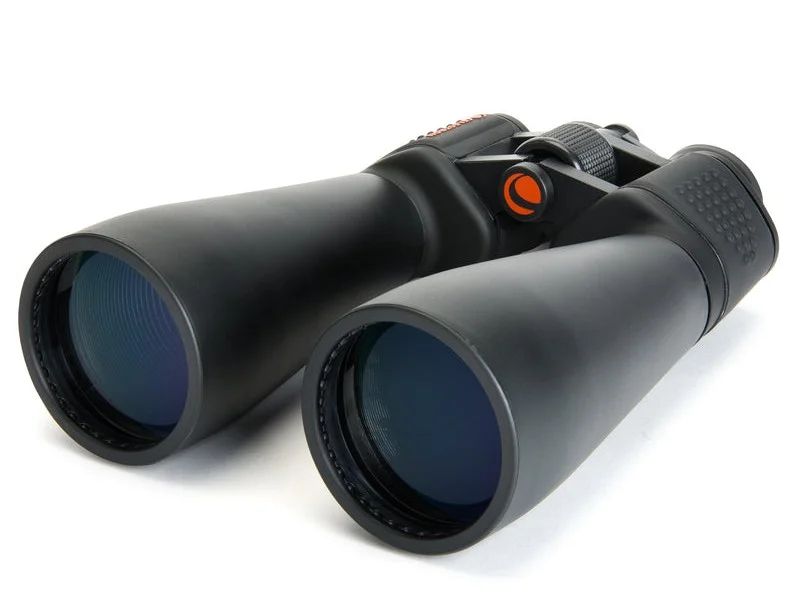
Bigger objective lenses mean you can pick out fainter satellites than the ones BlueBird 7 would have joined, useful if you want to follow AST SpaceMobile's constellation as it grows.
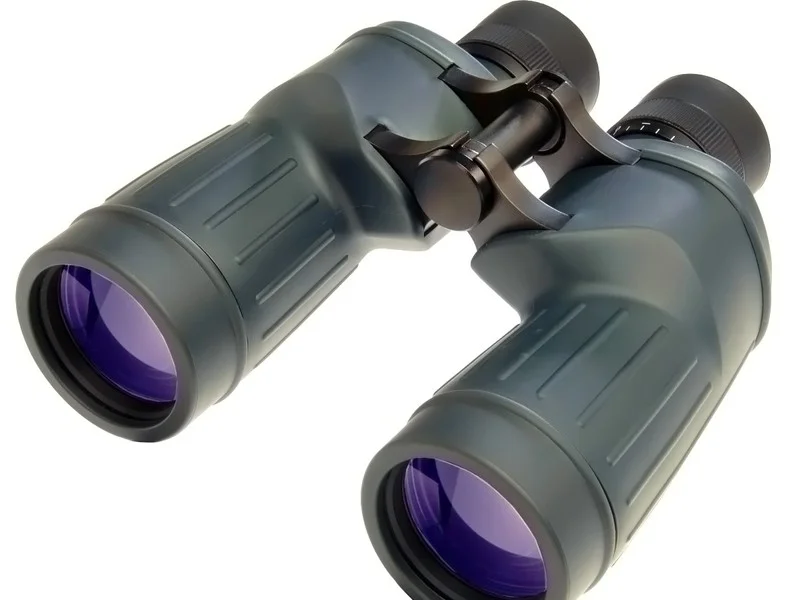
A dependable pair for general sky-watching between launches, whether Blue Origin's next flight goes smoothly or not.
Affiliate links: you pay the same price, we earn a small commission that helps keep WatchTheStars free.
BlueBird 7 Is a Total Loss
BlueBird 7 was not a small satellite. It was a Block 2 model in AST SpaceMobile's constellation, carrying a 2,400-square-foot phased array antenna, one of the largest commercial communications arrays ever deployed in low Earth orbit. It was designed to deliver 4G and 5G broadband directly to unmodified smartphones at peak speeds of 120 Mbps. The antenna array was 3.5 times larger than those on the earlier BlueBird 1–5 satellites.
The satellite did separate from the upper stage, powered on, and deployed its solar arrays. But the orbit it found itself in was too low to sustain operations. AST SpaceMobile confirmed the satellite would need to be de-orbited, and it will burn up harmlessly in the atmosphere.
The financial impact is cushioned somewhat: AST SpaceMobile expects to recover the cost of BlueBird 7 through its insurance policy. The company also reaffirmed its target of approximately 45 satellites in orbit by the end of 2026. But losing a Block 2 satellite, which had been encapsulated and ready to fly since February, is a significant delay in a programme that is racing to demonstrate commercial service to investors and mobile network partners.
The FAA Investigation
The Federal Aviation Administration moved quickly. On 20 April, the FAA announced it was requiring Blue Origin to conduct a formal mishap investigation before New Glenn can fly again. The FAA will oversee every step of the process, review all data, and must approve Blue Origin's final report, including any corrective actions, before granting a return-to-flight licence.
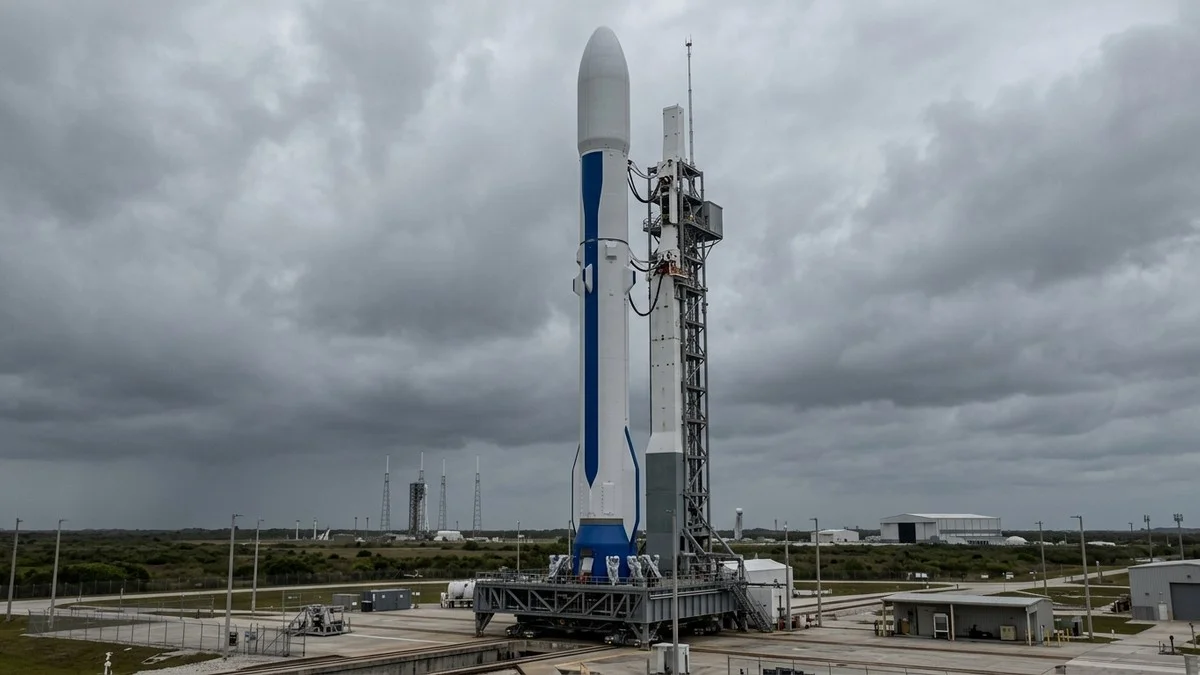
This is standard procedure after any launch anomaly that results in payload loss, but the timing is brutal for Blue Origin. The company was building momentum: three launches in 15 months, a successful booster reuse, NASA contracts, Department of Defense missions in the pipeline. The grounding breaks that rhythm and raises the exact question Blue Origin needs the market to stop asking: is New Glenn reliable enough for high-value commercial payloads?
What This Means for Blue Origin
It's worth putting this in context. SpaceX lost payloads early in Falcon 9's life too, including a Dragon cargo mission to the ISS in 2015 (CRS-7, upper-stage strut failure) and an AMOS-6 satellite on the pad in 2016. Both were devastating at the time. Both were followed by root-cause investigations, fixes, and a return to flight that ultimately built the track record Falcon 9 has today. Rocket development is hard. Failures happen. What matters is what you learn.
But the comparison only goes so far. SpaceX had years of runway and a customer base patient enough to wait. Blue Origin is trying to build commercial credibility in a market that SpaceX already dominates, while simultaneously winning government contracts and justifying Jeff Bezos's decades of investment. A third-flight failure, especially one on the expendable stage rather than the reusable hardware, is the kind of problem that makes insurance underwriters nervous and gives competitors an opening.
The booster reuse milestone is real and should not be dismissed. Blue Origin proved that a New Glenn first stage can fly to orbit and back, get refurbished, fly again, and land again. That's a genuine engineering achievement. But rockets are systems, and a system is only as good as its weakest link. On 19 April, the weakest link was a hydrogen engine on the second stage, and a $100 million satellite paid the price.
Blue Origin will fix this. They'll find the root cause, implement corrective actions, get their FAA licence back, and fly again. The question is how long it takes, and whether the commercial launch market, which is not short of alternatives, is willing to wait.
Frequently Asked Questions
Equipment guides
Related topics

Ian ClaytonAmateur astronomer and founder of WatchTheStars.co.uk, dedicated to helping others explore the wonders of our universe. Full profile →