Key takeaways
- Curiosity's SAM instrument used a wet chemistry technique called TMAH for the first time on another world, and found 21 organic molecules in ancient Martian rock
- Seven of those molecules have never been detected on Mars before, including a nitrogen-bearing compound similar to DNA and RNA precursors
- The rocks are 3.5 billion years old and come from a region of Gale Crater that was once covered by lakes and streams
- Scientists cannot yet say whether the molecules are biological or geological in origin, but either way, ancient Mars had the chemistry to support life
Jump to section 5 sections
There's a robot on Mars that just ran a chemistry experiment no one has ever attempted on another world. And the results are remarkable.
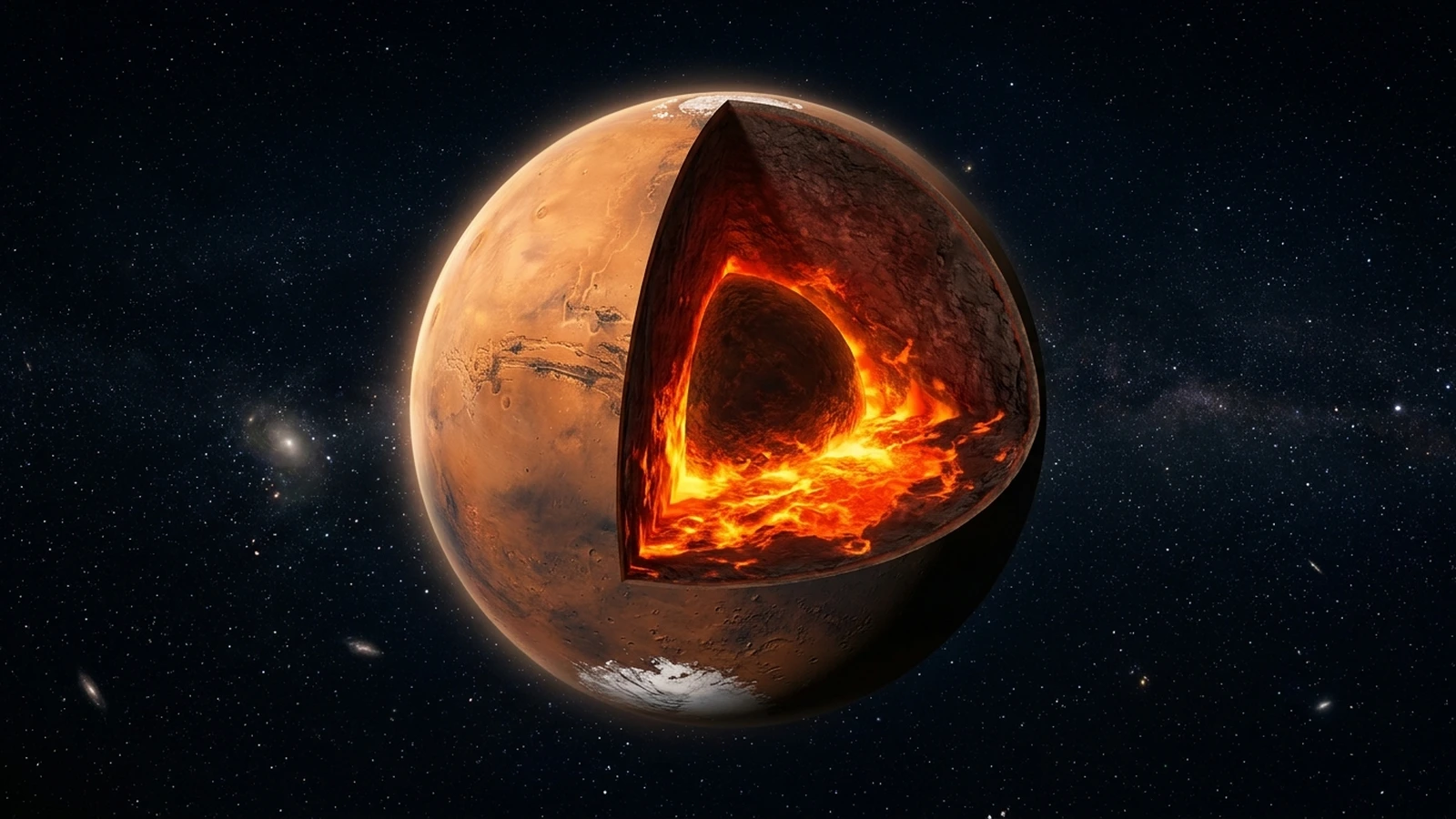
NASA's Curiosity rover has identified 21 organic molecules in a sample of 3.5-billion-year-old rock from Gale Crater, seven of which have never been detected on Mars before. Among them is a nitrogen-bearing compound with a structure similar to DNA and RNA precursors, and benzothiophene, a carbon-and-sulphur molecule found in ancient meteorites that may have helped seed the chemistry of life across the early solar system.
The findings, published this week in Nature Communications, represent the most diverse collection of organic molecules ever found on the Red Planet.
What Curiosity Found
The discovery came from a rock sample nicknamed "Mary Anning 3", drilled by Curiosity in October 2020 from a clay-enriched outcrop in the Knockfarrill Hill section of Glen Torridon, a region on the lower slopes of Mount Sharp that was once covered by lakes and streams.
Clay minerals are exceptionally good at preserving organic compounds. Billions of years ago, this part of Gale Crater would have looked very different: shallow lakes, flowing water, the kind of environment where, on Earth, life thrives. The organic molecules locked inside these ancient clays have survived more than three billion years of Martian radiation, and they're now telling us what that environment's chemistry looked like.
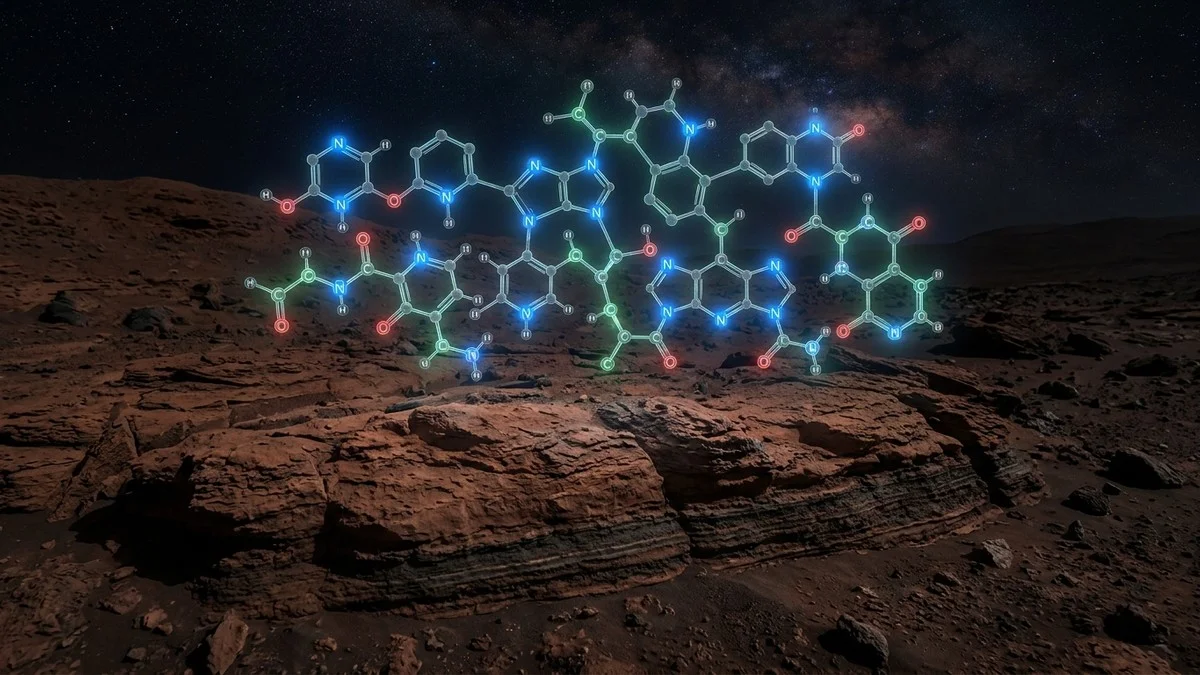
The 21 molecules identified include long-chain hydrocarbons (decane, undecane, dodecane) that had been seen before, alongside the seven newcomers. The standout finds are a nitrogen heterocycle, a ring-shaped molecule containing both carbon and nitrogen atoms, and benzothiophene, which contains carbon and sulphur.

A Chemistry Experiment Never Tried Beyond Earth
Previous organic detections on Mars used a technique called pyrolysis: essentially heating rock samples until they release gases, then analysing what comes off. The problem is that extreme heat can destroy or alter delicate organic molecules before you ever get a chance to identify them.
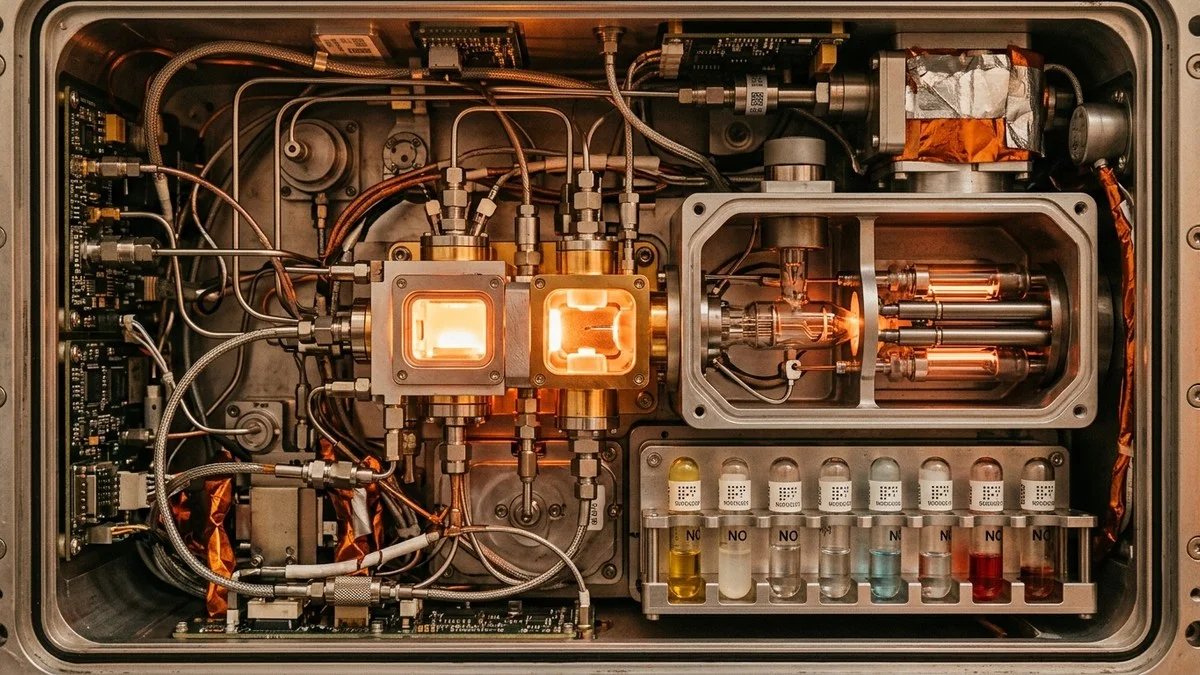
This time, Curiosity's Sample Analysis at Mars (SAM) instrument tried something different. It used a chemical called tetramethylammonium hydroxide (TMAH), a wet chemistry reagent that gently breaks apart larger organic molecules into smaller, identifiable fragments without incinerating them.
It's a technique routinely used in Earth-based laboratories. But SAM only carried two capsules of TMAH for the entire mission. The team had two shots to get it right on another planet, and they'd been waiting years for exactly the right rock to use one on.
"This experiment's never been run before on another world," said Amy Williams, astrobiologist at the University of Florida and lead author of the study. "Our team worked extensively to interpret and confirm the molecules detected in this first-of-its-kind experiment."
To make sure they were reading the results correctly, the team also tested TMAH on the Murchison meteorite, a 4-billion-year-old space rock that fell in Australia in 1969 and is known to contain complex organic compounds. The lab results confirmed that TMAH breaks down the same kinds of large molecules into the same smaller fragments that Curiosity detected on Mars.
No rover, no rock samples, but Mars is still up there tonight
Kit we've tested and reviewed in full
Curiosity's chemistry lab is 140 million miles away, so none of us are drilling into Gale Crater ourselves. What you can do from a UK back garden is find the Red Planet itself and get a feel for the world these molecules came from. Here's what's worth having ready.
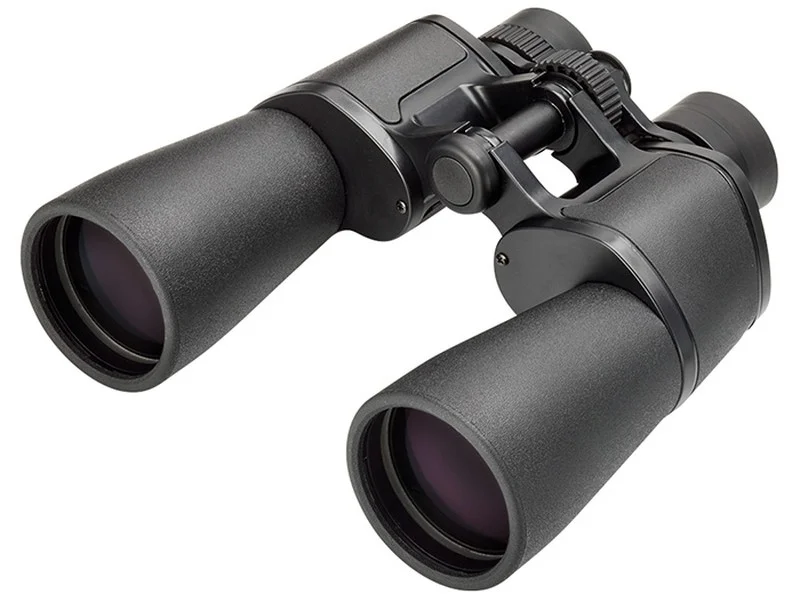
Good enough to pick out Mars' distinct orange-red glow against the background stars and track it moving night to night, a cheap way to feel connected to the planet that just made headlines.
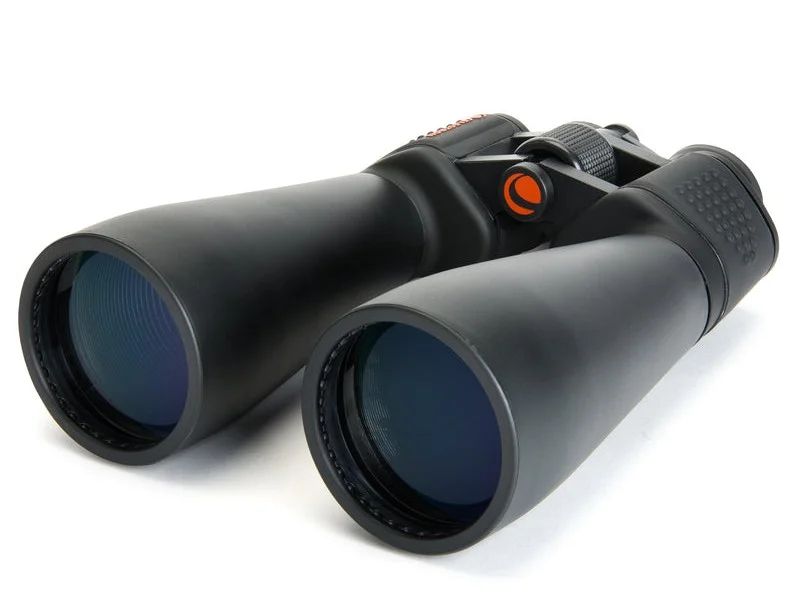
Handy for keeping tabs on Mars through the year and for scanning nearby star clusters while you wait for the next big astrobiology headline, no organic molecules visible, but a much better view of the planet's colour.
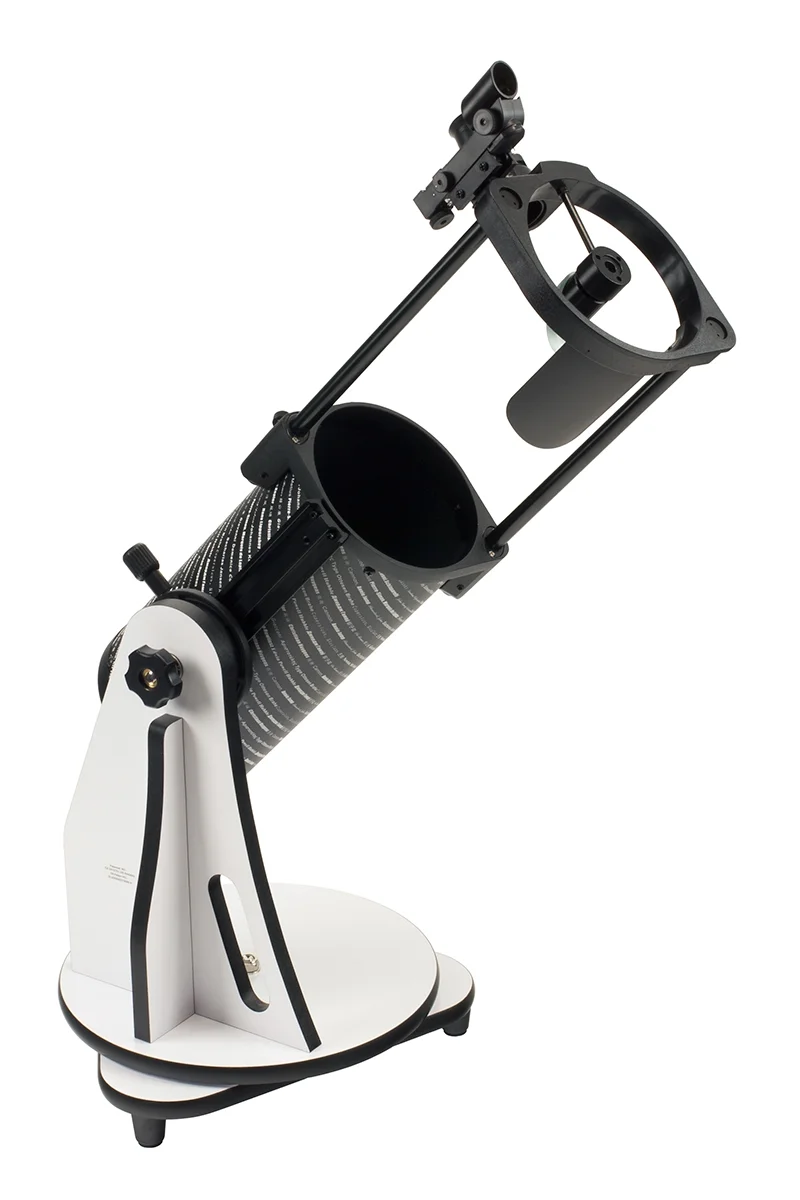
This is the smallest scope that starts to show Mars as a disc rather than a dot, with polar ice caps visible near opposition. It won't reveal Gale Crater, but it turns Mars from a red dot into a genuine world.
Affiliate links: you pay the same price, we earn a small commission that helps keep WatchTheStars free.
Why These Molecules Matter
Not all organic molecules are created equal when you're looking for signs of habitability.
The nitrogen heterocycle is the headline finding. On Earth, nitrogen-containing ring structures are the backbone of nucleotides, the building blocks of DNA and RNA. Finding a molecule with a similar structure in 3.5-billion-year-old Martian rock doesn't mean there was life on Mars. But it does mean the raw ingredients were there.
"These structures can be chemical precursors to more complex nitrogen-bearing molecules," Williams explained.
Benzothiophene is significant for a different reason. It's a molecule that turns up repeatedly in carbonaceous meteorites, the ancient space rocks that bombarded both Earth and Mars during the Late Heavy Bombardment around 4 billion years ago. Some scientists believe these meteorites delivered the organic building blocks that eventually led to life on Earth.
"The same stuff that rained down on Mars from meteorites is what rained down on Earth," said Williams, "and it probably provided the building blocks for life as we know it on our planet."
The fact that these molecules have survived more than three billion years of harsh Martian surface conditions, ultraviolet radiation, oxidising chemistry, cosmic rays, is itself remarkable. It proves that macromolecular carbon can be preserved over geological timescales on Mars. That's crucial information for designing future missions that will look for biosignatures.
Life, or Just Geology?
Here's the honest caveat: scientists have no way of knowing whether these organic molecules were created by biological or geological processes. Both paths are possible.
Organic molecules don't require life to exist. They can form through volcanic activity, water-rock interactions, meteorite delivery, and other purely chemical processes. The word "organic" in chemistry simply means carbon-containing. It doesn't imply a living origin.
What the discovery does confirm is that ancient Mars possessed the right chemistry, the right environment, and the right preservation conditions to have supported life if it ever arose. As Ashwin Vasavada, Curiosity's project scientist at NASA's Jet Propulsion Laboratory, put it: "This collection of organic molecules once again increases the prospect that Mars offered a home for life in the ancient past."
That's a carefully worded statement, and it's as far as the science currently allows anyone to go.
What Comes Next
Curiosity still has one unused TMAH capsule aboard. The team is now deciding which future rock sample deserves the mission's final shot at this experiment.
But the real follow-up is already being built. ESA's Rosalind Franklin rover, which NASA formally approved for launch support just last week, will carry a next-generation instrument called the Mars Organic Molecular Analyser (MOMA), incorporating mass spectrometer components developed at NASA Goddard and its own TMAH wet chemistry capability. Crucially, Rosalind Franklin can drill down to two metres below the surface, where organic molecules would be far better shielded from radiation than anything Curiosity can reach.
Rosalind Franklin is targeting Oxia Planum, a site chosen specifically for its ancient clay deposits, the same type of rock that just yielded these results in Gale Crater. If TMAH revealed this much from a surface sample battered by billions of years of radiation, what might it find two metres underground?
And there's a third mission in the pipeline: NASA's Dragonfly rotorcraft, heading to Saturn's moon Titan in 2028, will carry its own mass spectrometer with TMAH capability. The technique that just made history on Mars will soon be deployed on a moon with an atmosphere thicker than Earth's and lakes of liquid methane.
"We cannot yet say that Mars ever harboured life," Williams said, "but our findings further support the evidence that Mars was a habitable world."
Thirteen years into its mission, 21 new molecules in a scoop of ancient clay, and one chemistry experiment that had never been tried on another planet. Curiosity is still earning its name.
The study "Diverse organic molecules on Mars revealed by the first SAM TMAH experiment" was published in Nature Communications on 22 April 2026. DOI: 10.1038/s41467-026-70656-0
Frequently Asked Questions
Equipment guides
Related topics

Ian ClaytonAmateur astronomer and founder of WatchTheStars.co.uk, dedicated to helping others explore the wonders of our universe. Full profile →