Key takeaways
- Asteroid 2026 JH2 passed Earth at just 90,000 km on 18 May 2026: about a quarter of the Moon's distance
- There was absolutely zero risk of impact; NASA confirmed a completely safe flyby
- It was only discovered on 10 May 2026: just eight days before its closest approach
- European stargazers were ideally placed; a 6-inch or larger telescope was expected to show it as a moving dot
- A free live stream from the Virtual Telescope Project was due to start at 20:45 BST on 18 May 2026
Jump to section 7 sections
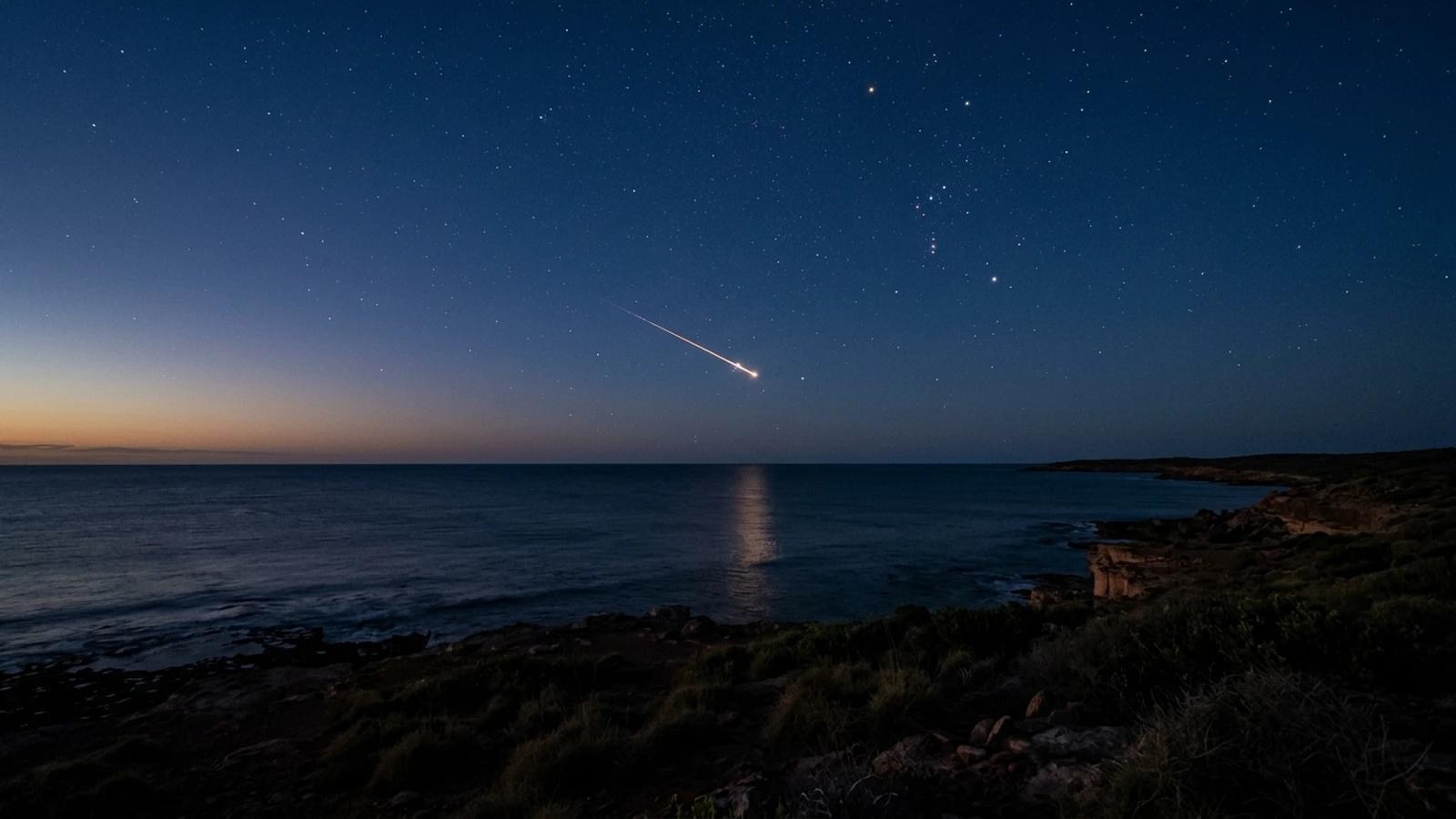
A space rock the size of a basketball court skimmed past our planet closer than most communications satellites orbit. On Monday 18 May 2026, asteroid 2026 JH2 made one of the closest asteroid flybys in recent memory, passing Earth at just 90,000 km. For context, the Moon sits around 384,000 km away. This rock came in at barely a quarter of that distance.
The good news: there was absolutely no risk of impact. The better news: UK and European stargazers were ideally placed to watch it live.
What Is Asteroid 2026 JH2?
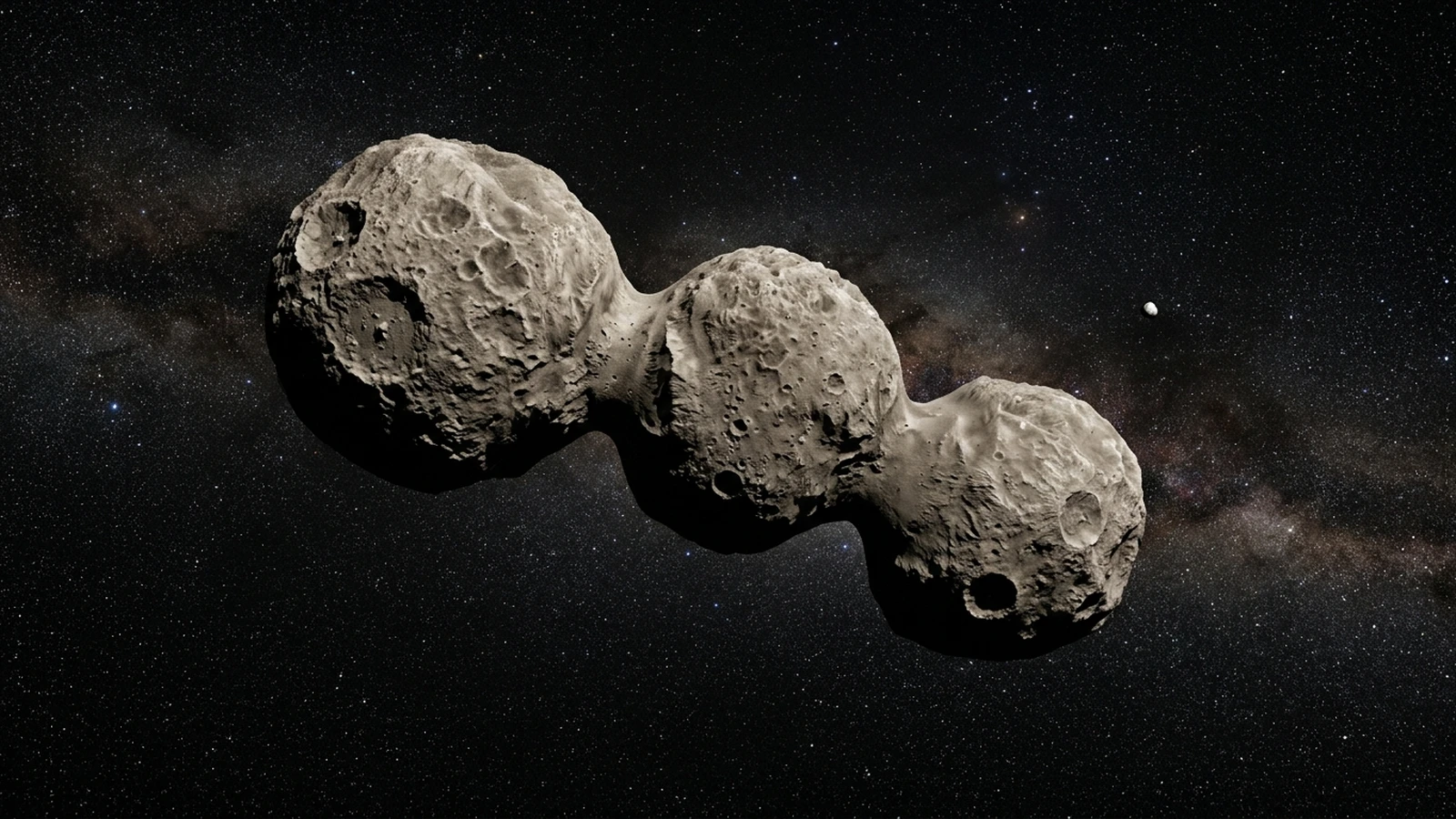
2026 JH2 is a small near-Earth asteroid in the Apollo family: a group of space rocks whose orbits cross Earth's path around the Sun. It measures somewhere between 15 and 35 metres across, roughly the length of a basketball court or the body of a blue whale, depending on how reflective its surface turns out to be.
It was discovered on 10 May 2026 by the Mount Lemmon Survey, a telescope array based in Tucson, Arizona, that scans the sky for potentially hazardous objects. That means astronomers had just eight days' warning before its closest approach, which sounds alarming until you understand that small asteroids like this are routinely detected late, because they are simply too faint and too distant to spot any earlier.
On its wider journey through the solar system, 2026 JH2 follows a highly elliptical orbit that takes it as far out as Jupiter, completing one loop around the Sun roughly every 3.7 years.
Just How Close Did It Get?
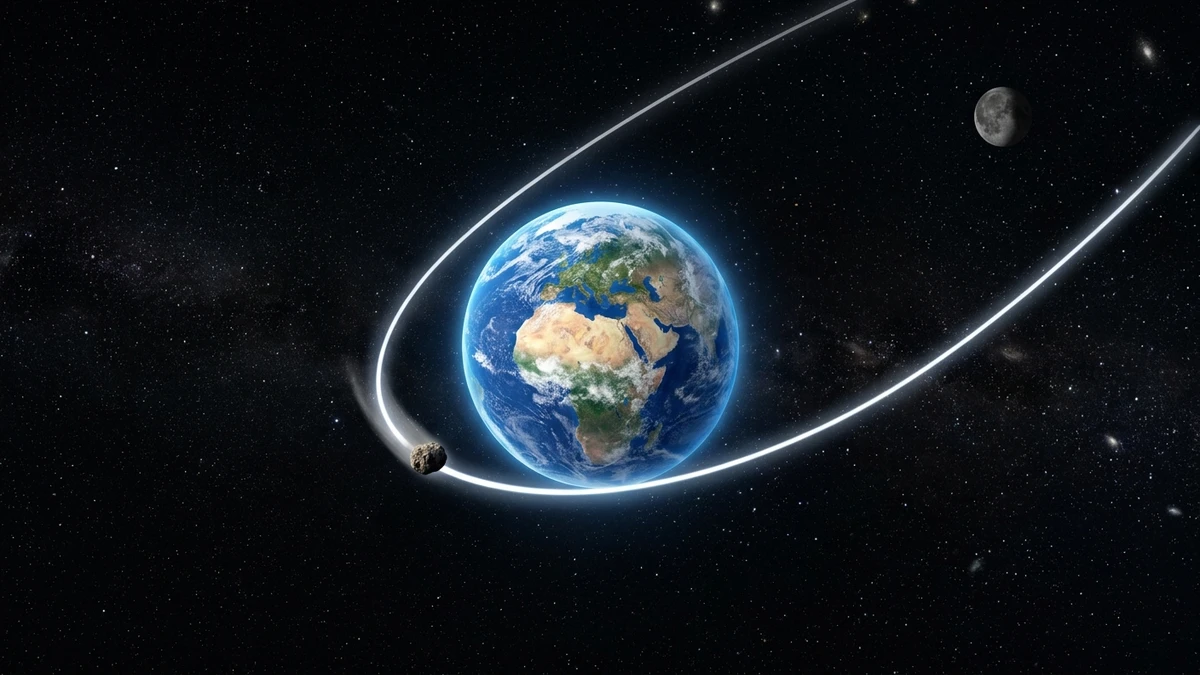
Closest approach was at 21:23 UTC (22:23 BST) on Monday 18 May 2026, when 2026 JH2 passed at approximately 90,000 km from Earth's surface.
To put that into perspective:
- The Moon is 384,000 km away: 2026 JH2 passed at less than a quarter of that distance
- The International Space Station orbits at around 400 km: comfortably far inside this asteroid's path
- Many geostationary satellites sit at 35,786 km: still comfortably inside the asteroid's closest point
In astronomical terms, that was a whisker. The asteroid passed Earth at just 0.00060 astronomical units (AU): an AU being the distance from Earth to the Sun. It was one of the closest confirmed asteroid flybys in recent years.
Was There Any Risk of Impact?
No. None whatsoever.
NASA and the European Space Agency's planetary defence teams had tracked 2026 JH2 extensively since its discovery and calculated its trajectory with great precision. The asteroid passed Earth comfortably: the orbital uncertainty in its closest approach distance was just ±186 km, which was negligible at these scales.
Even if our calculations were somehow completely wrong (they weren't), an asteroid of this size, 15 to 35 metres, would cause significant local damage if it struck land but would not threaten civilisation. For comparison, the Chelyabinsk meteor that exploded over Russia in 2013 was around 20 metres in diameter and released the energy of roughly 30 Hiroshima bombs. Dramatic, yes. Planet-ending, no.
Anyone watching the flyby could do so with complete peace of mind.
A 25-metre asteroid at magnitude 11.5 needed real aperture
Kit we've reviewed in full
2026 JH2 was too faint for binoculars on 18 May: you genuinely needed a telescope with decent light-gathering power to catch it as a moving dot against Ursa Major and Leo. Here's the gear that gave you a real shot, plus binoculars worth owning for everything else in this guide.
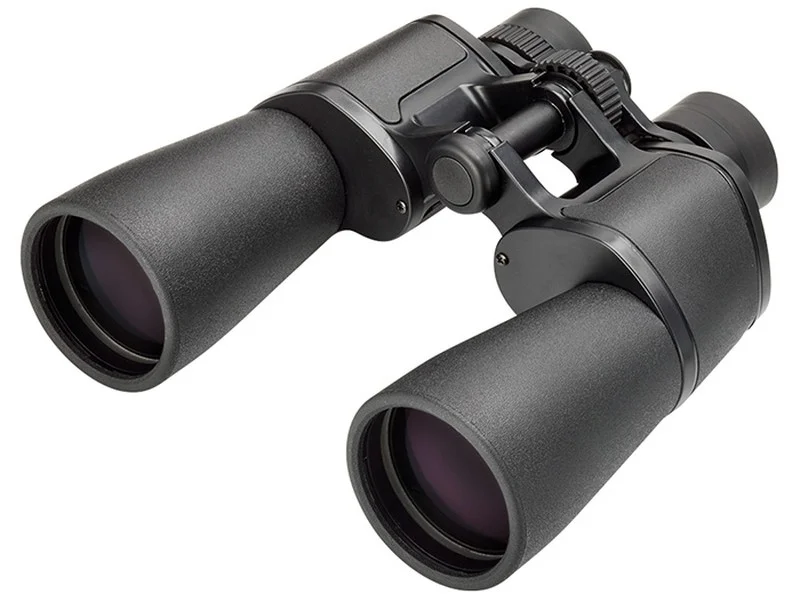
Wouldn't show you the asteroid, but perfect for the crescent Moon and Venus pairing low in the west while you waited for closest approach, and for framing Saturn's rise later in the evening.
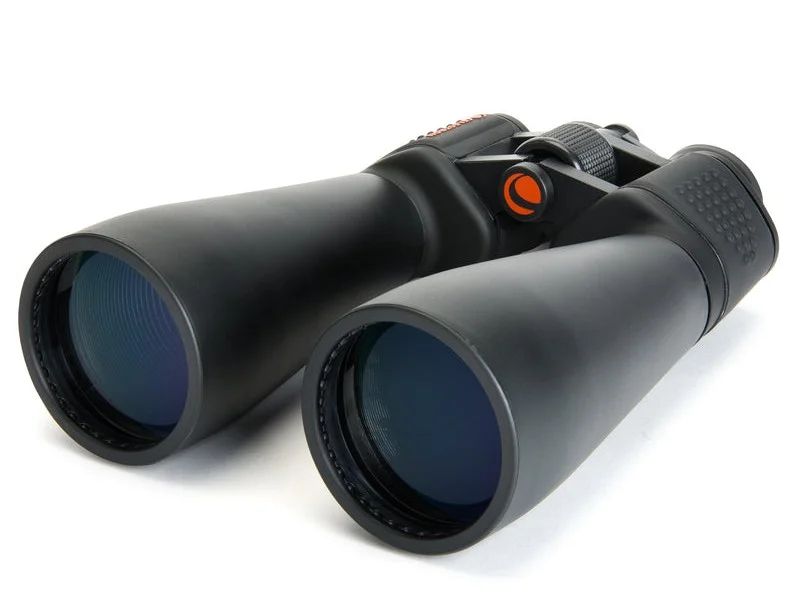
Still not quite enough to pull in a magnitude 11.5 asteroid, but these get you close on fainter targets generally and were brilliant for scanning Saturn's rise and Jupiter in the May morning sky.
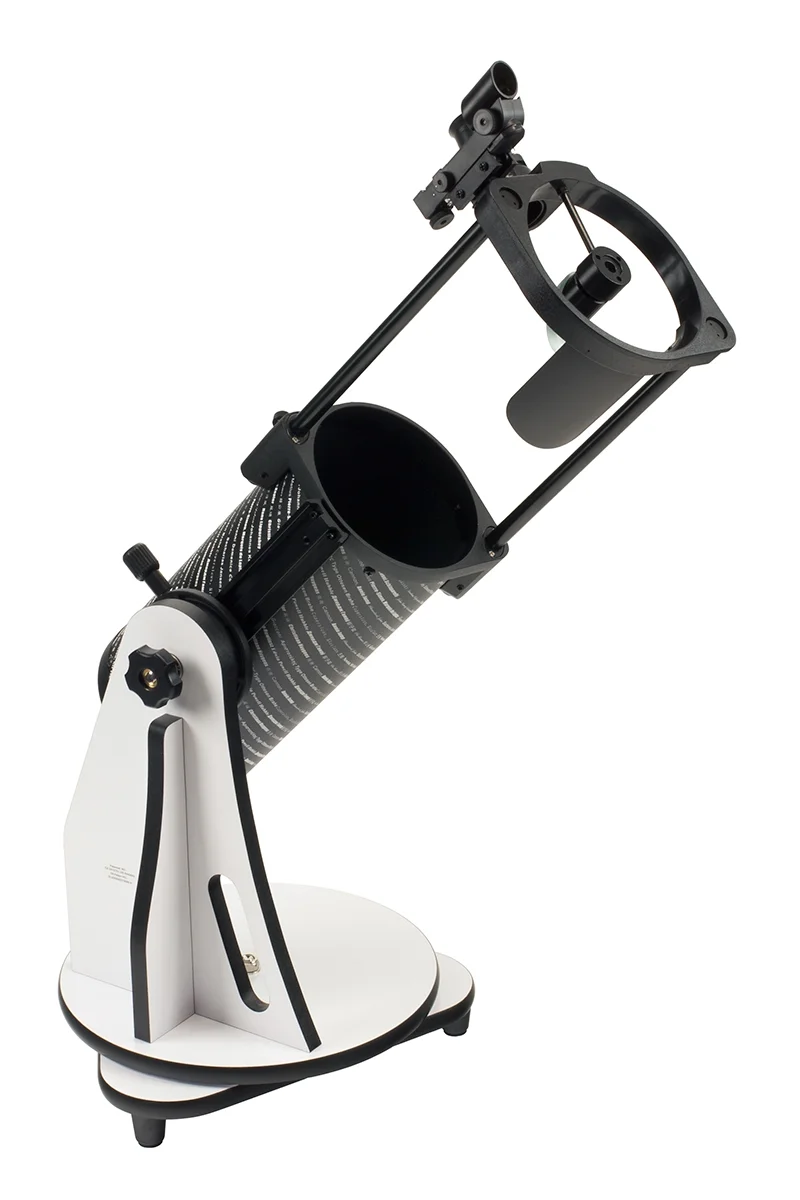
A 130mm mirror got you into the right ballpark for spotting 2026 JH2 as a faint moving point under a dark sky, and it doubles as a proper first telescope for Saturn's rings now the flyby is over.
Affiliate links: you pay the same price, we earn a small commission that helps keep WatchTheStars free.
How UK Stargazers Could Watch on 18 May
UK stargazers were very well placed for this one. European observers were in the optimal window to catch 2026 JH2 at or near its brightest.
What you needed: A telescope with at least a 6-inch (150mm) aperture, ideally 8-inch or larger. The asteroid was expected to reach around magnitude 11.5 at closest approach: that was too faint for the naked eye (which typically maxes out around magnitude 6), but well within range of a decent backyard telescope under dark or semi-dark skies.
Where to look: During its approach the asteroid was in the direction of Ursa Major (the Plough/Big Dipper) and Leo in the southern sky after sunset. It was expected to appear as a faint point of light moving visibly against the background stars over the course of several minutes: that movement was the giveaway.
UK times on 18 May:
- 19:45 BST: Virtual Telescope Project live stream was due to begin
- 22:23 BST: Closest approach to Earth
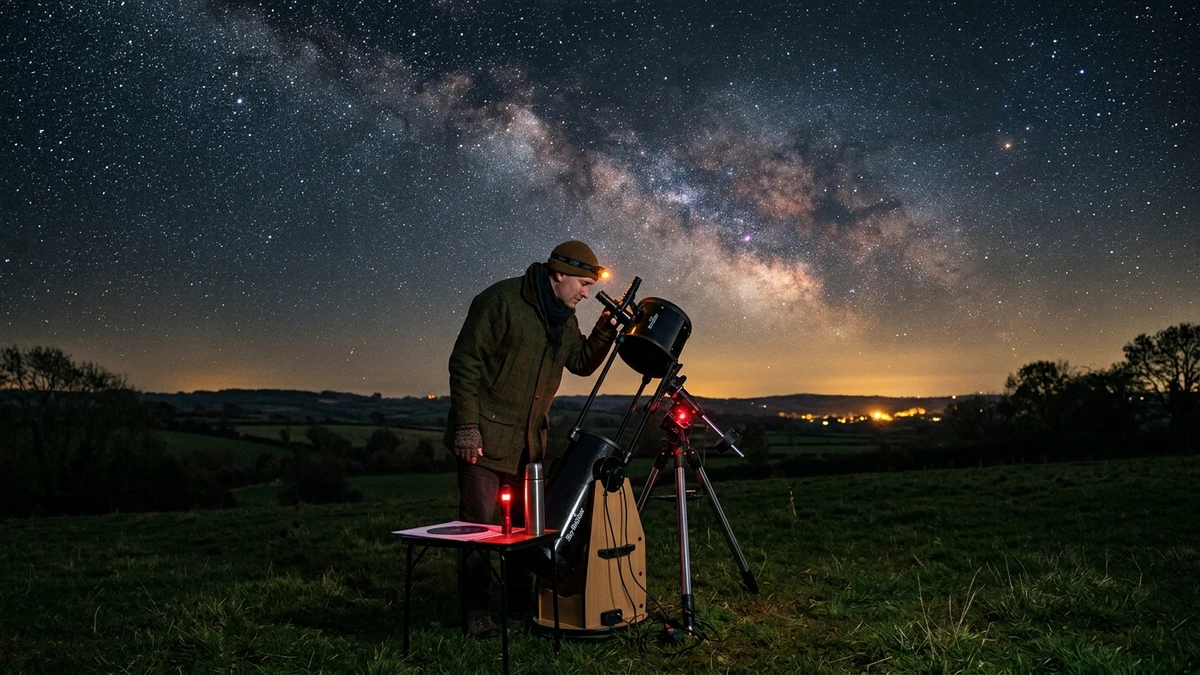
For the best chance of seeing it, the advice was to get a telescope set up well before 21:00 BST, give your eyes 20 minutes to dark-adapt, use a star chart or planetarium app (Sky Safari, Stellarium) to locate the right patch of sky, then watch for the moving dot. With a motorised mount, the telescope could be pointed at the asteroid's predicted coordinates and left to track it.
The Free Live Stream
Didn't have a telescope? No problem. The Virtual Telescope Project, a network of remotely operated robotic telescopes based in Italy, was set to broadcast the flyby live and completely free.
The stream was scheduled to start at 19:45 UTC (20:45 BST) on 18 May 2026, timed to catch the asteroid just before its closest approach when it was expected to be near peak brightness. Viewers were expected to see the asteroid as a sharp point of light drifting across the field of view while the background stars trailed into streaks: a striking visual reminder that this rock really was moving at extraordinary speed relative to us.
The stream was listed at virtualtelescope.eu.
Bonus: More to See on the Evening of 18 May
Anyone heading outside with binoculars or a telescope for the asteroid had more to see that evening:
Venus and the crescent Moon made a lovely pairing low in the west just after sunset. The slim crescent Moon acted as a pointer toward brilliant Venus shining below it: they fit comfortably in the same binocular field of view.
Saturn was also climbing well that month, rising a couple of hours after dark and showing its famous rings beautifully in even a modest telescope. Jupiter was visible in the morning sky for early risers.
Why Close Flybys Like This Matter
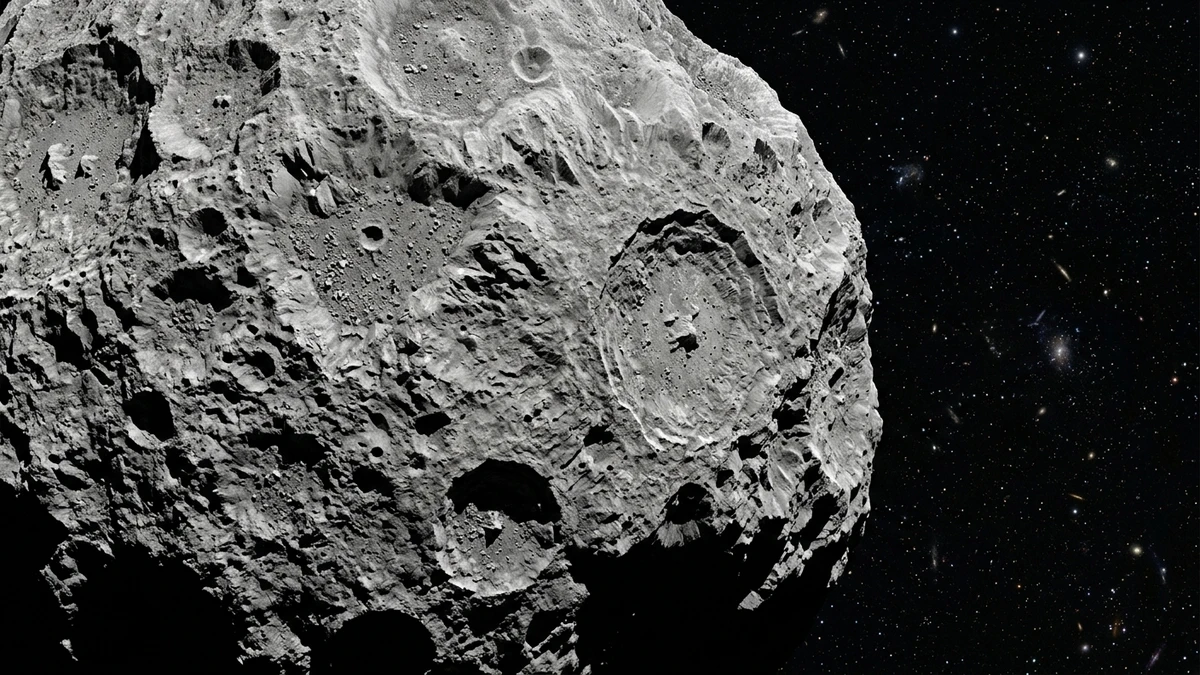
Beyond the spectacle, events like the 18 May flyby are genuinely important for planetary science and planetary defence.
When an asteroid makes a very close pass, radar observatories such as NASA's Goldstone Solar System Radar and the Arecibo-successor systems can bounce radio waves off it to get precise size, shape, and rotation measurements that are impossible from optical telescopes alone. That data feeds directly into our models of near-Earth object populations: helping scientists understand how many similar objects are out there and what threat they might pose over longer timescales.
Discoveries like 2026 JH2 also serve as a useful reminder of why sky surveys like Mount Lemmon, Pan-STARRS, and the forthcoming Vera Rubin Observatory matter. We found this rock with eight days to spare. For a 15-metre asteroid, that's fine, but for something larger, we'd want much more warning. Continued investment in detection systems is the first line of planetary defence.
On 18 May 2026, a piece of the solar system whipped past Earth at 90,000 km. Clear skies!
Sources:
- BBC Sky at Night Magazine · Asteroid 2026 JH2
- Live Science · Newly discovered asteroid 2026 JH2
- Virtual Telescope Project · Online Observation Event
- IFLScience · 2026 JH2 close encounter details
- Space.com · How to watch the flyby live
- ABC News · NASA tracking 2026 JH2
- TheSkyLive · 2026 JH2 orbital data
Frequently Asked Questions
Equipment guides
Related topics
Ian ClaytonAmateur astronomer and founder of WatchTheStars.co.uk, dedicated to helping others explore the wonders of our universe. Full profile →