Key takeaways
- The US PURSUE portal has released 160+ declassified UAP files, with more coming in June
- Japan is already analysing the files for sightings near Japanese territory, the UK should too
- Britain has its own rich UAP history: Rendlesham Forest, RAF Cosford, Project Condign, the Calvine photo
- The MoD closed its UFO desk in 2009, but the question of what it left behind remains open
- UK researchers are calling for a formal review of the PURSUE files for British incidents
Jump to section 7 sections
What PURSUE Is, and Why It Matters
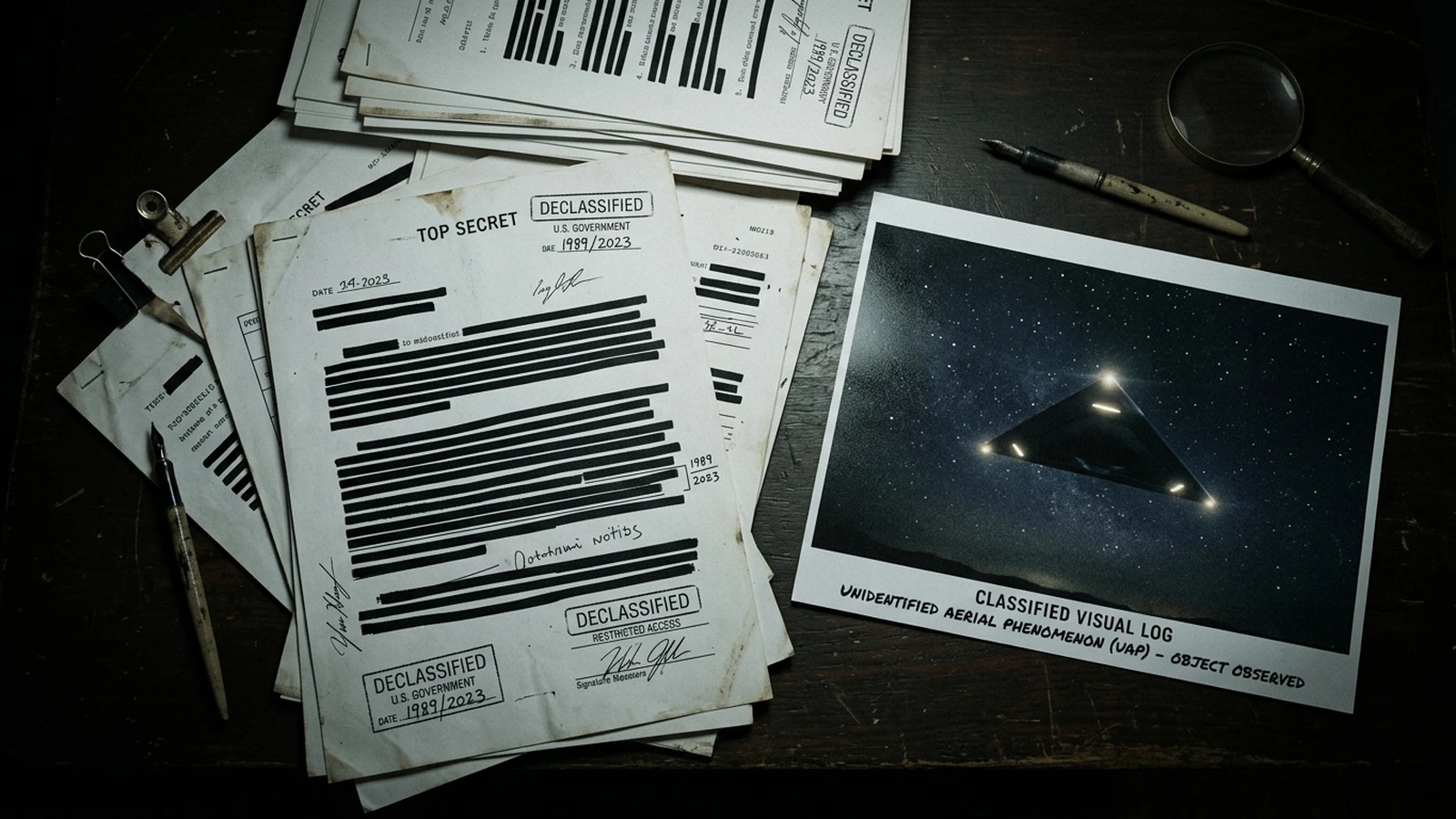
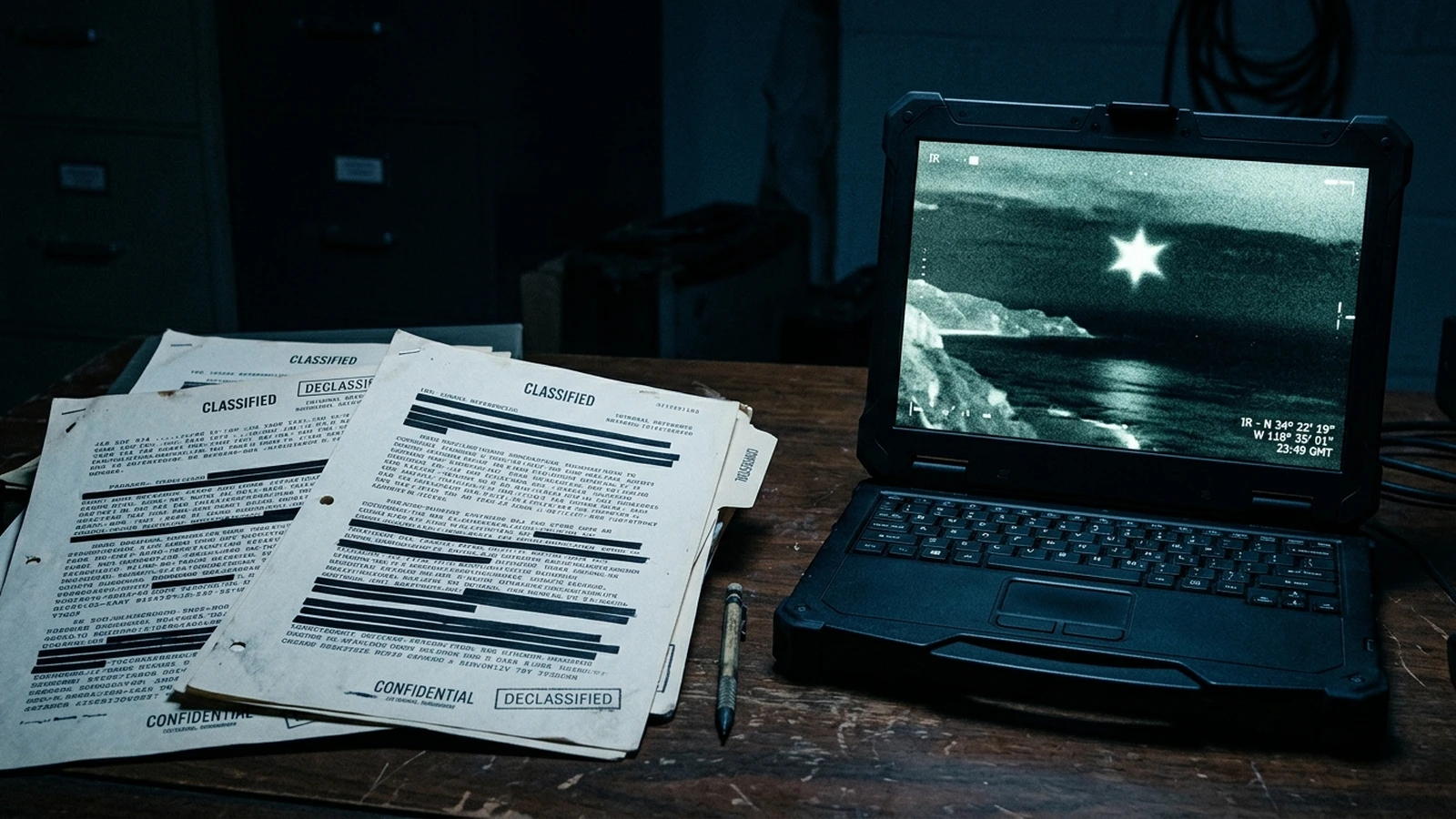
On 8 May 2026, the US government published more than 160 declassified files about unidentified anomalous phenomena on a dedicated Department of War website, war.gov/UFO. The portal is called PURSUE (Presidential Unsealing and Reporting System for UAP Encounters), and it represents the first tranche of what is intended to be an ongoing, rolling declassification of government UAP records.
The files span from the 1940s to recent years. They include military reports, witness accounts, photographs, video footage, and astronaut transcripts. The reaction was enormous: the site logged approximately 340 million hits in its first 12 hours.
A second tranche is expected in June 2026. More will follow after that.
We've covered what's actually inside the PURSUE files in detail. This piece is about something slightly different: what this moment means specifically for the United Kingdom, a country with its own long, strange, and largely unresolved UAP history that rarely gets the international attention it deserves.
Britain Has Its Own UAP Story
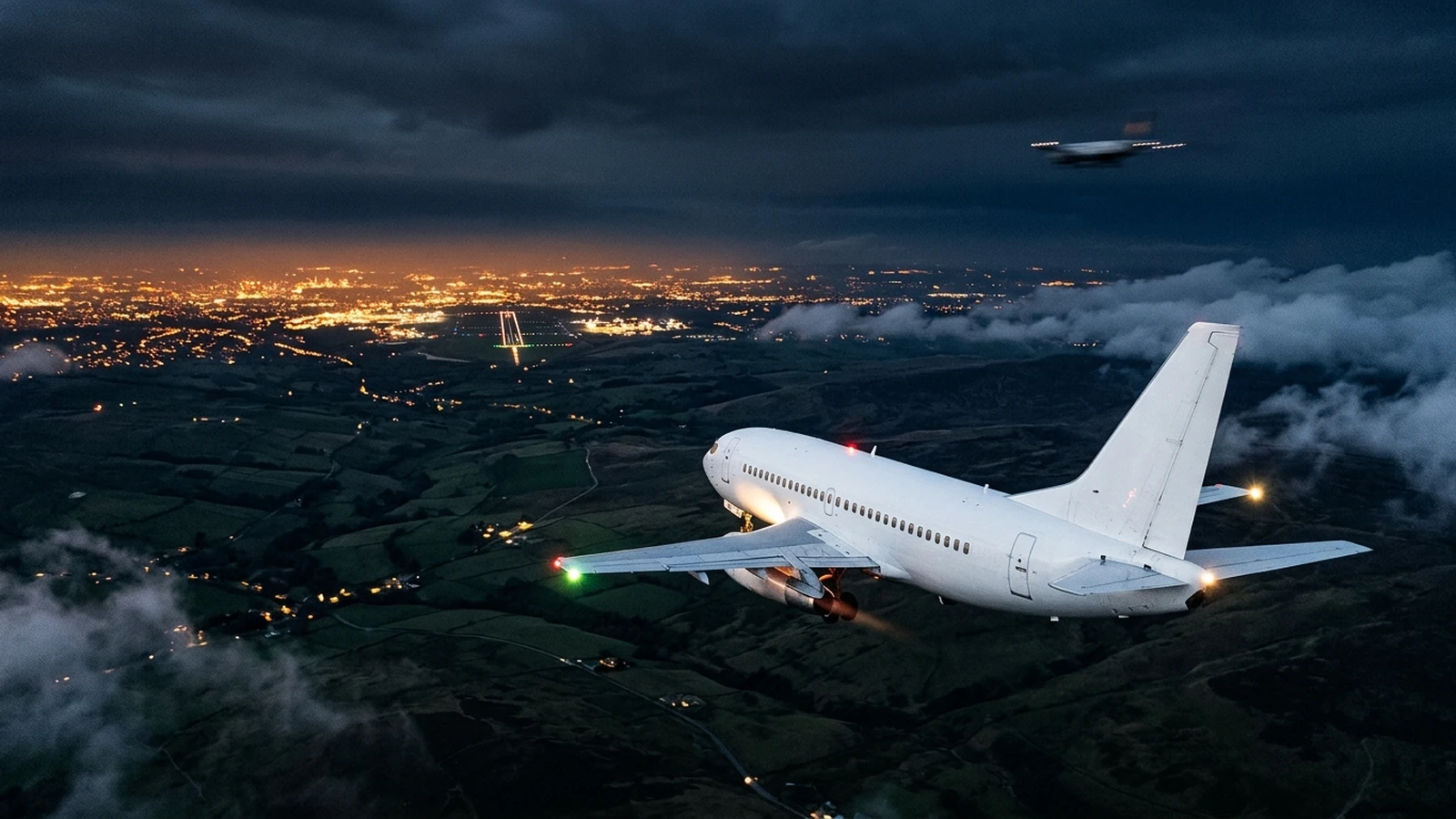
The United Kingdom has a deeper UAP history than most British people realise. For decades, the Ministry of Defence ran a dedicated UFO desk, formally known as Secretariat (Air Staff) 2a, that logged thousands of sightings from military personnel, commercial pilots, police officers, and members of the public. The desk existed from 1950 until 2009, when it was quietly closed.
Britain's most significant cases include:
Rendlesham Forest, December 1980. Over three consecutive nights, USAF personnel stationed at RAF Woodbridge in Suffolk encountered unidentified lights in the adjacent forest. Deputy base commander Lieutenant Colonel Charles Halt documented the incident in an official memo to the MoD, describing a craft he saw with his own eyes. The memo was declassified in 1983. Halt has spoken publicly about the incident for decades and maintains he witnessed something non-human. Rendlesham is often called "Britain's Roswell."
RAF Cosford and RAF Shawbury, March 1993. In a single night, dozens of military and police witnesses across the West Midlands and Shropshire reported a large, silent, low-flying triangular object. A patrol officer at RAF Shawbury described the object directing a beam of light at the ground while moving at speed. The MoD investigated and, unusually, concluded the incident was unexplained.
The Calvine Incident, 1990. Two hikers near Calvine in Perthshire photographed what appeared to be a large diamond-shaped craft being shadowed by a military jet. The MoD classified the photographs for 50 years. They were finally made public in 2022, and the original high-quality prints remain missing. The MoD has never explained what was photographed.
Project Condign. Between 1996 and 2000, the MoD conducted a classified study into UAP, eventually published in 2006 under a Freedom of Information request. It concluded that UAP were real physical phenomena, not misidentifications, but hypothesised they were natural plasma formations rather than craft. Many researchers found the plasma hypothesis unconvincing given the full scope of reported behaviours.
These are not fringe cases. They involve credible military and government witnesses, official documentation, and in some cases physical evidence. They have never been satisfactorily explained.
The Japan Precedent
When the PURSUE files dropped, Japan did something the UK has not yet done: it immediately began reviewing the documents for UAP incidents recorded near Japanese territory.
This is a smart and entirely legitimate response. The US military has operated extensively in and around Japan for decades. Incidents recorded by USAF or Navy personnel in the Pacific region may directly involve Japanese airspace. Japan's government has a practical intelligence interest in knowing what the Americans saw, and what they didn't disclose at the time.
Britain is in an analogous position. USAF bases have operated on British soil for decades: Lakenheath, Mildenhall, Fairford, Brize Norton, and others. The Rendlesham Forest incident itself took place on a USAF base in England. American military personnel stationed in the UK have been witnesses to, and in some cases participants in, incidents that the MoD has records of, and that may now appear in the PURSUE files.
The question British researchers are asking is simple: are there PURSUE files that document incidents on or near UK soil that the British government was never told about?
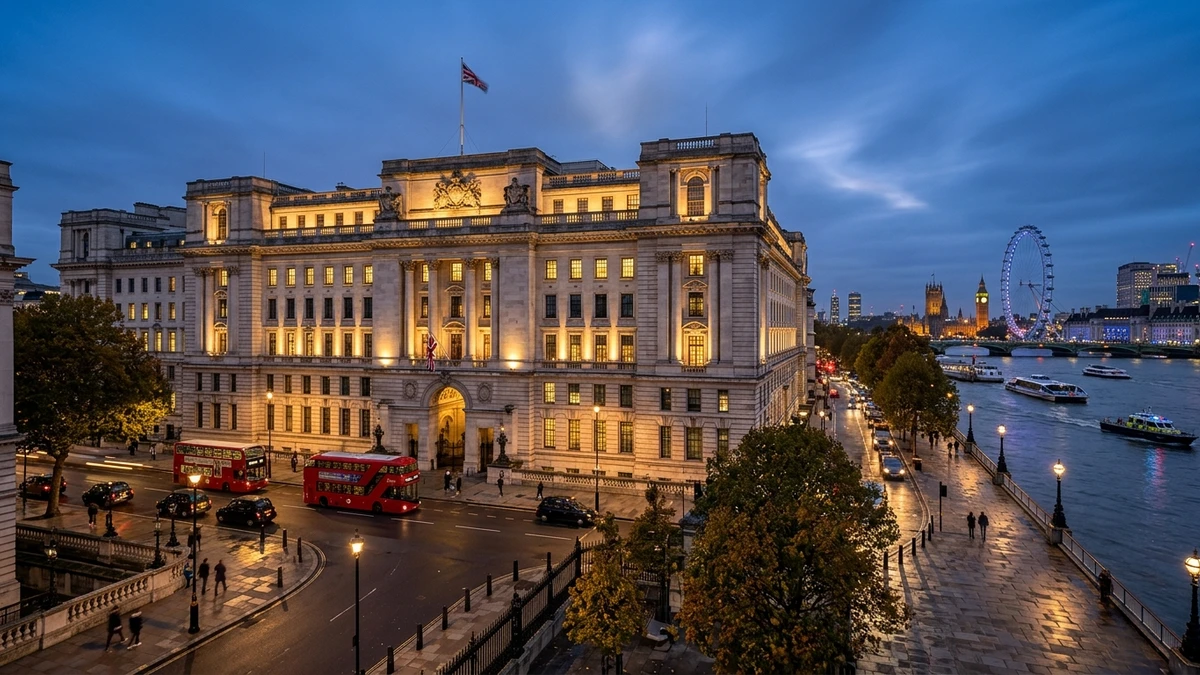
Rendlesham started with someone looking up
Kit we've reviewed in full
Whatever the PURSUE files eventually reveal about British soil, most UAP reports still begin with an ordinary person spotting something unusual overhead. A decent pair of binoculars is the simplest tool for working out what you're actually looking at.
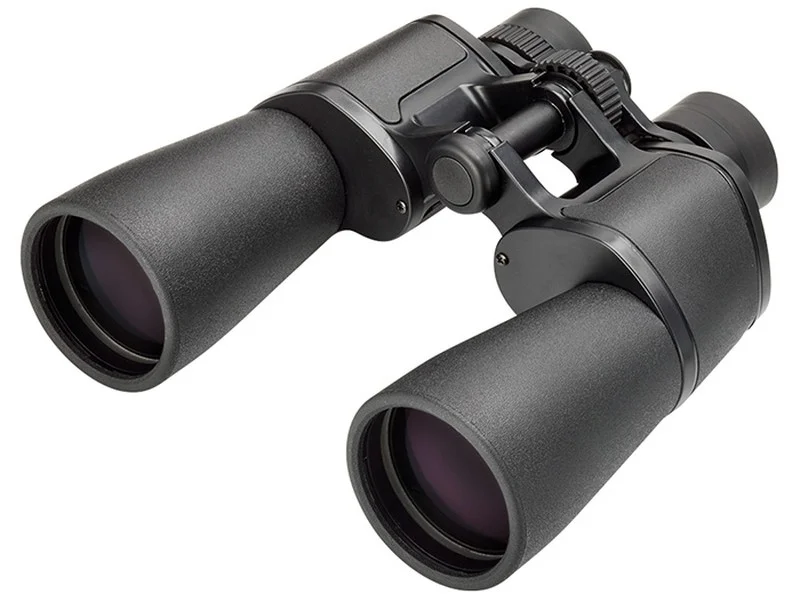
Good enough resolution to identify a distant aircraft's navigation lights or a drone before you jump to conclusions.
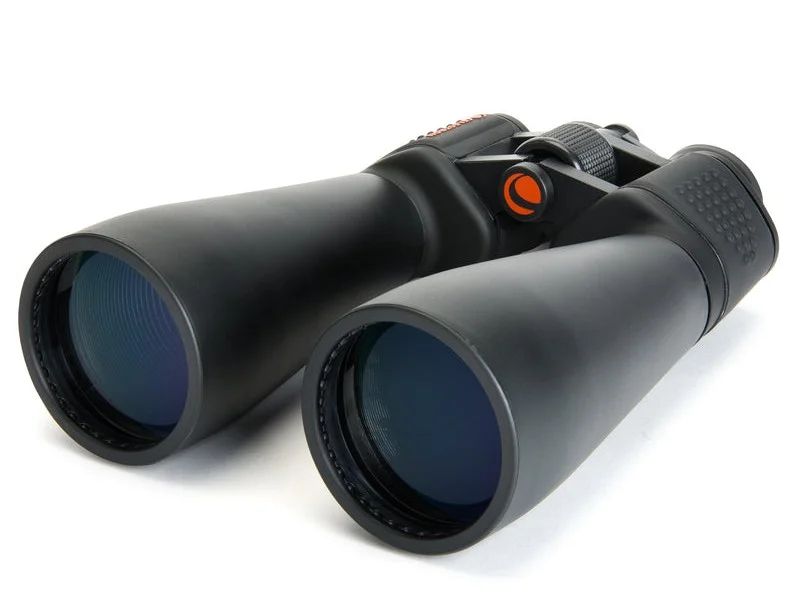
Handy for anyone keeping their own watch over the Suffolk coast or wherever they happen to be based, the extra magnification helps at real distance.
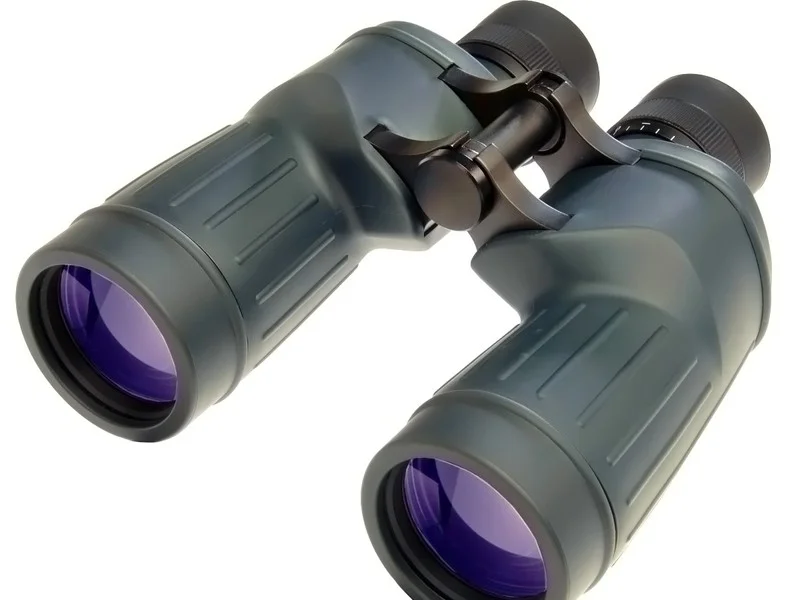
Sharp, well-corrected optics make a genuine difference when you're trying to judge shape and movement rather than just a point of light.
Affiliate links: you pay the same price, we earn a small commission that helps keep WatchTheStars free.
What's in the Files That Could Relate to the UK?
The initial PURSUE tranche covers a wide range of incidents and dates. Without a full searchable index, and with more than 100 of the 160+ files containing redactions, it's not yet possible to state definitively which files involve UK-adjacent incidents.
What we do know is that the files include material from USAF personnel operating globally, incidents recorded by Navy pilots over international waters (including the North Atlantic and North Sea), and some material from as far back as the mid-1940s: the early Cold War era when the US and UK were operating joint intelligence programmes.
Nick Pope, who ran the MoD's UFO research desk in the 1990s and is now the UK's most prominent UAP commentator, has noted that the PURSUE files contain material that his desk was never shown: including radar data and pilot testimonies from incidents he was aware of but couldn't access the full records for at the time.
"There are things in these files that I tried to get my hands on twenty years ago," Pope told a researcher this week. "The question is whether there's more still to come."
What Happened to Britain's Own UFO Records?
Between 2008 and 2013, the MoD transferred thousands of pages of UFO-related files to the National Archives, where they were made publicly available. These covered sightings reported between the 1950s and 2009.
However, the National Archives releases were selective. Not all MoD UAP-related records were transferred. Records relating to certain classified programmes, including aspects of Project Condign and materials connected to joint US-UK operations, remain either classified or withheld under national security exemptions.
The MoD's official position since closing its UFO desk is that UAP pose no defence or national security risk and therefore don't merit ongoing investigation. Critics, including former MoD staff, have called this position untenable given the global trajectory of the disclosure debate.
The UAP Transparency Act currently progressing through the US Congress includes provisions that could compel the release of records related to incidents involving allied nations. Whether the UK government engages with that process proactively, or waits to be embarrassed by what surfaces, remains to be seen.
What UK Researchers Are Saying
The UK UAP research community's reaction to PURSUE has been a mixture of cautious welcome and frustration. Welcome, because the sheer volume of officially acknowledged material represents a turning point. Frustration, because the UK government has shown no sign of following suit.
Several UK researchers have pointed to a specific asymmetry: the US is releasing files on incidents that took place in or near UK airspace, involving witnesses and radar operators on British soil, without any formal notification to or consultation with the UK government. Britain is learning about incidents on its own territory from a foreign country's disclosure programme.
There is no British equivalent of PURSUE in the pipeline. There is no British equivalent of the All-Domain Anomaly Resolution Office. The MoD's stated position, that UAP are not a defence concern, puts it at odds not just with the US government, but with France (which has had an active UAP investigation body, GEIPAN, since 1977), and Japan, which is now formally reviewing the American files.
"We're the only major NATO power that has actively shut down its UAP research capability," one British researcher told us. "That's not a neutral position. That's a choice."
What Happens Next, and What You Can Do
The second PURSUE tranche is expected in June 2026. Researchers are combing the existing files for references to UK territory, UK bases, and the specific incidents, Rendlesham, Cosford, Calvine, that British investigators have pursued for decades.
If you're based in the UK and want to follow this closely, the best approach is to read the PURSUE files directly at war.gov/UFO and cross-reference with the National Archives UK UFO collection, which is searchable online.
Freedom of Information requests remain available in the UK. Targeted FOI requests to the MoD asking about specific incidents referenced in the PURSUE files, particularly those involving USAF personnel on British soil, may produce new material that the National Archives releases did not include.
The broader point is this: the PURSUE release is not just an American story. It is a global audit of decades of unexplained encounters, and Britain is directly in scope. The UK government's silence on this is, itself, a kind of answer.
Sources:
- The Pentagon Just Released Its UFO Files. Here's What's Inside · Time
- 'Data alone is not disclosure': UAP research community reacts to Trump's first PURSUE file drop · DefenseScoop
- Tokyo analyzing Pentagon UFO file trove with sightings near Japan · The Japan Times
- Presidential Unsealing and Reporting System for UAP Encounters · US Department of War
- Pentagon releases declassified UFO files including videos and photos · NBC News
Frequently Asked Questions
Equipment guides
Related topics
Ian ClaytonAmateur astronomer and founder of WatchTheStars.co.uk, dedicated to helping others explore the wonders of our universe. Full profile →