Stargazing Tips
Fifteen things that genuinely make a difference: most of them free, all of them tested under British skies
Most stargazing advice obsesses over equipment. The truth is that the biggest improvements cost nothing: where you stand, when you look, and how you use your eyes. These fifteen tips are the ones that actually change what you see from the UK: starting with the one almost everyone gets wrong. If you're brand new to all this, our beginners guide walks through the first steps; this page is the technique list you'll keep coming back to.
Use your eyes properly (tips 1–4)
1. Give your eyes 20 minutes in the dark. Dark adaptation is the single biggest upgrade in all of stargazing. After 20 minutes away from bright light, your eyes become hundreds of times more sensitive: faint stars simply appear where there was nothing. The catch: one glance at a phone screen resets the whole process.
2. Use a red light. Red light barely affects night vision, which is why every astronomer carries a red torch. A cheap one costs a few pounds, or set your phone to a red screen filter (iOS: Settings → Accessibility → Display → Colour Filters) if you must use it.
3. Learn averted vision. The centre of your eye is built for daylight detail; the edges are built for dim light. To see a faint object, look slightly to the side of it: it will brighten noticeably. Stare straight at it and it vanishes again. This one trick turns "I can't see it" into "there it is" for clusters, nebulae and the Andromeda Galaxy.
4. Sit back, don't crane. A deckchair or camping mat changes everything. Craning your neck for ten minutes is miserable; lying back comfortably for an hour is how you actually spot meteors and satellites. Comfort is an observing instrument.
Pick your night (tips 5–8)
5. Plan around the Moon, not just the weather. A bright Moon washes out the Milky Way and every faint object in the sky. Check the phase before you plan a session: the week around new Moon is prime time for dark-sky targets, while the week around full Moon is for planets and the Moon itself.
6. Check tonight's conditions in five seconds. Our stargazing tonight tool scores your local sky out of 10: cloud, Moon, light pollution and transparency in one number. It will save you a lot of doomed drives to dark places under cloudy skies.
7. Wait for the cold front. The crispest, most transparent UK skies come in the day or two after a cold front passes: the air is clean and dry. Hazy, muggy nights can lose you a magnitude of faint stars even when it's technically "clear".
8. Stay out past midnight for meteors. After midnight you're on the side of Earth facing into our direction of travel, so meteors are faster, brighter and more frequent. Peak dates for every shower are in our meteor showers calendar.
Beat the light pollution (tips 9–11)
9. Any distance from lights helps. You don't need a national park. Even moving from a streetlit front garden to a dark back garden, or driving ten minutes out of town, multiplies what you can see. The difference between a town sky and a properly dark one is roughly two thousand visible stars.
10. For the full experience, visit a dark sky site. Britain has some of the best protected night skies in Europe. Our guide to UK dark sky parks and reserves covers where to go and what to expect: seeing the Milky Way arch overhead for the first time is worth the drive.
11. Block what you can't escape. If a neighbour's security light or a streetlamp is in view, position yourself so a hedge, shed or wall blocks it. Shielding your eyes from one direct light source can matter more than your overall location.
Equipment, in the right order (tips 12–13)
12. Binoculars before telescope, always. A pair of 10×50s shows you the Moon's craters, Jupiter's four big moons, the Pleiades and the Andromeda Galaxy, for under £90, with no setup, and they're useful for everything else in life too. Our binoculars guide has the specific picks.
13. Dress for two seasons colder. Standing still outdoors at night is far colder than walking. Even summer sessions in the UK want a jumper; anything else wants more layers than feels reasonable, plus a hat and a hot drink. In winter, this is the difference between an hour of observing and ten shivering minutes.
Know your seasons (tips 14–15)
14. Every season has its own sky. Winter brings the year's brightest stars (Orion, Sirius, the Pleiades) and the longest nights (our winter guide covers the season in depth). Spring is galaxy season, with Leo and Virgo riding high. Summer nights are short but bring the Milky Way's glowing core, noctilucent clouds and the Perseids. Autumn means the Andromeda Galaxy, the Square of Pegasus and the return of proper darkness.
15. Look for something specific. "Going out to look at stars" fizzles out in ten minutes. "Finding the Coathanger cluster with binoculars" keeps you out for an hour. Pick one target per session from our weekly sky guide and let the rest of the sky surprise you on the way. Or borrow someone else's targets: a local astronomy club session puts you next to people who already know exactly where to look.
Three things that make every tip on this page easier
Kit we've tested and reviewed in full
None of the tips above need equipment. These three make them work better, and together cost less than a takeaway for two. See our equipment reviews for more.
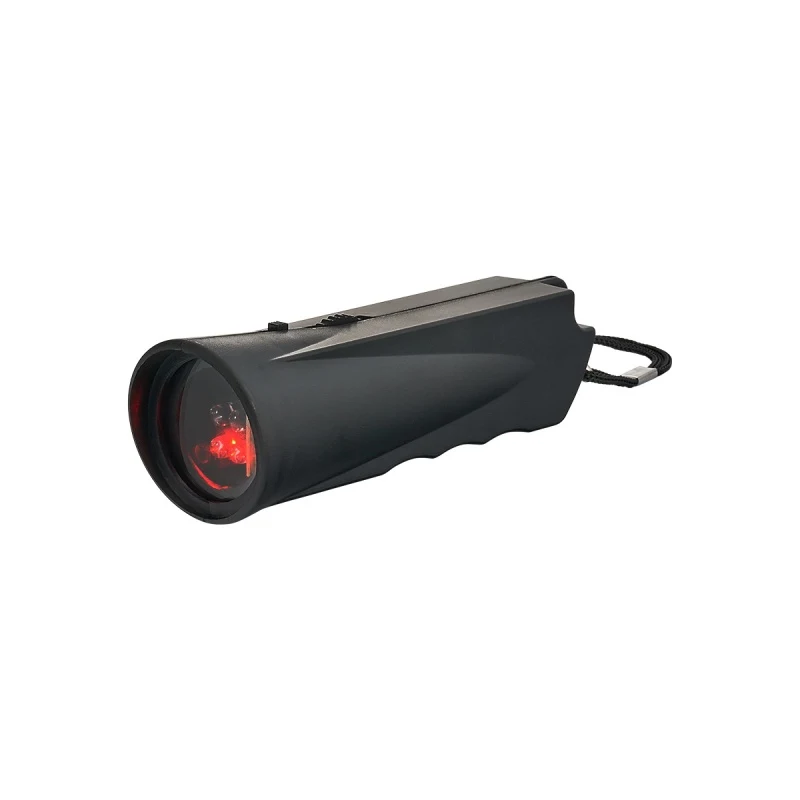
Astro Essentials Red Light Torch
Dark adaptation is the single biggest upgrade in stargazing, and a red torch is how you keep it. Cheap and worth it.
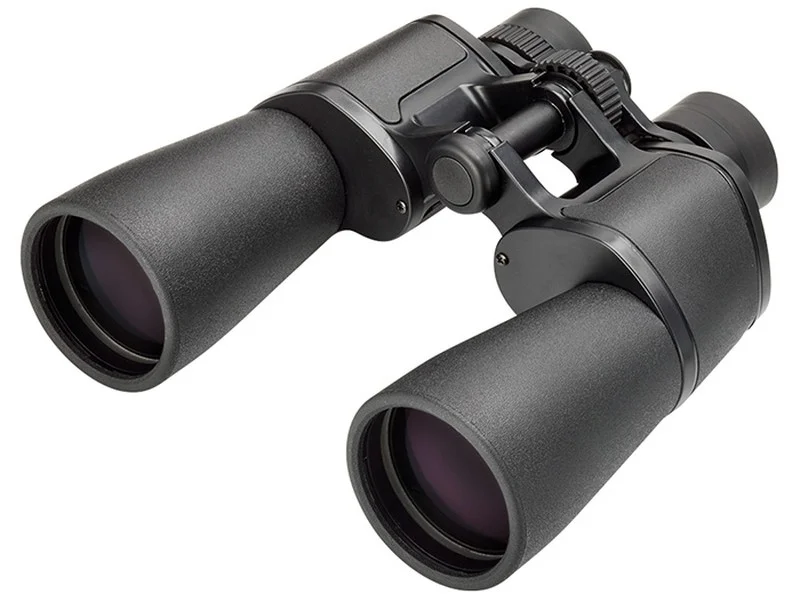
Binoculars before a telescope, every time. A 10×50 is the pair we point most UK beginners to first.
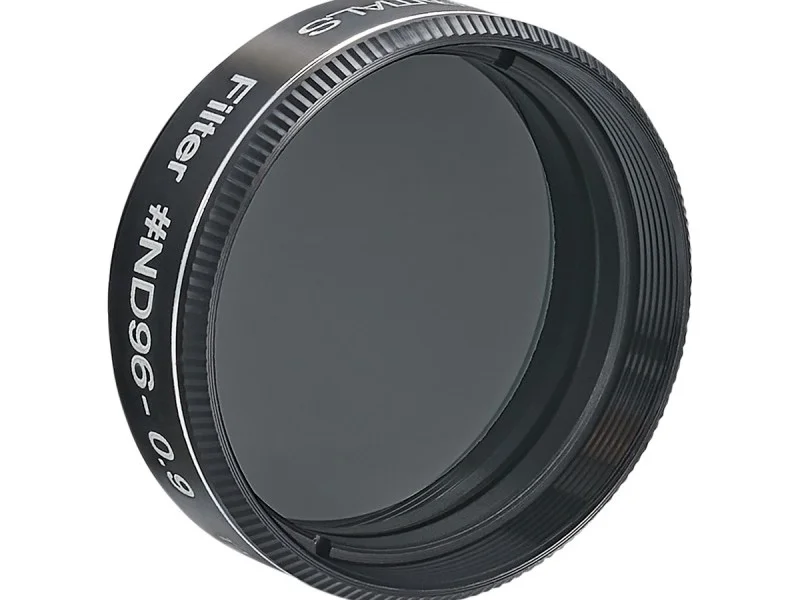
Astro Essentials ND96 Moon Filter
A bright Moon dazzles in any eyepiece. A moon filter drops the glare and pulls out crater detail for the price of a paperback.
Browse all our equipment reviews
Honest, research-based recommendations for every budget.
Browse all →Affiliate links: you pay the same price, we earn a small commission that helps keep WatchTheStars free.