Meteor Showers UK: 2026–2027 Calendar
Every major shower visible from the UK: peak dates, rates, and how to actually see them
When is the next meteor shower?
The next meteor shower visible from the UK is the Draconids, peaking on the evening of 8 October 2026: a minor shower of slow meteors, best between about 8.15pm and 11pm BST under a moonless sky. Then come the Orionids on 21–22 October 2026: up to 20 fast meteors an hour from Halley's Comet, best between about 3am and 5.30am BST once the Moon has set. The one to plan for is the Geminids on 13–14 December 2026: the strongest shower of the year, up to 120 meteors an hour, with almost no Moon. Sunday night, good rates from 9pm.
What to take out on a meteor shower night
Kit we've tested and reviewed in full
You don't need optics to see meteors, and a telescope will only make you miss them. But every meteor watch has quiet spells, and a small pair of binoculars turns the waiting into the second half of the show. See our binocular reviews for more.
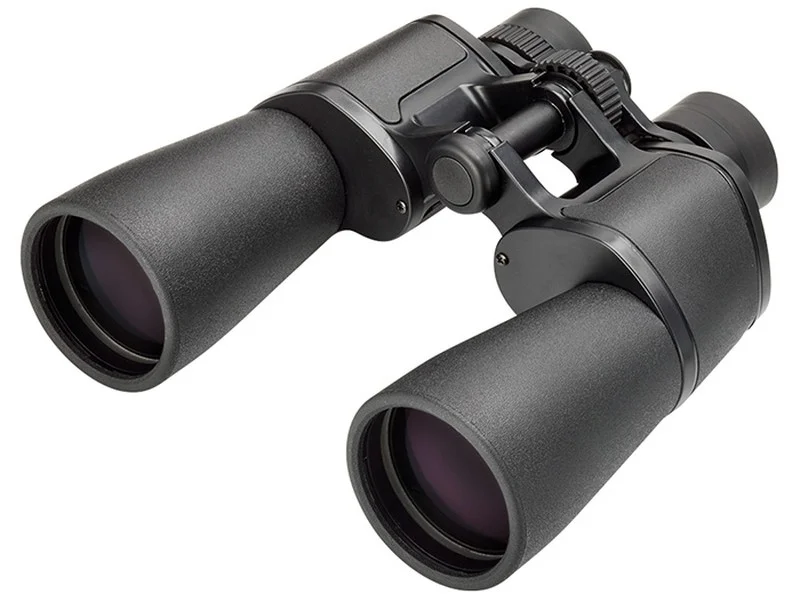
Light enough to hand-hold for hours and wide enough to sweep the Milky Way, star clusters and the Moon between meteors. The pair we point most UK beginners to first.
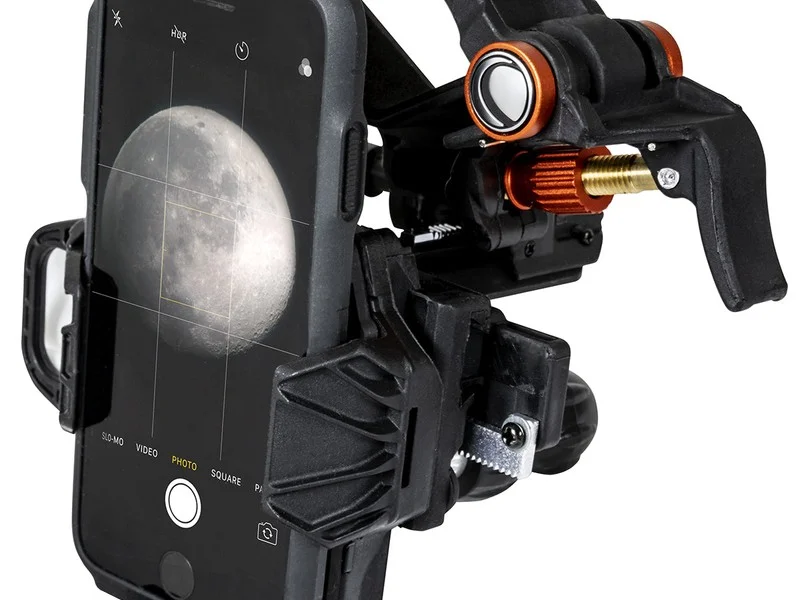
Celestron NexYZ Smartphone Adapter
Clamp your phone to any tripod, set night mode or a 15-second exposure, and a bright meteor draws a clean line across the stars. Doubles as a phone-to-eyepiece adapter for everything else.
Browse all our equipment reviews
Honest, research-based recommendations for every budget.
Browse all →Affiliate links: you pay the same price, we earn a small commission that helps keep WatchTheStars free.
Meteor shower calendar 2026 and 2027
Here's the full meteor shower schedule for 2026 and 2027: every major shower (the "shooting stars" everyone means) visible from the UK, with its peak date, rate and parent comet. Peak dates only shift by a day or so from one year to the next, so you can plan months ahead. The rates shown are the ZHR, the theoretical maximum under perfect skies; from a typical UK dark site expect to see a third to a half of that, and less from a back garden in town.
| Shower | Peak | Max rate (ZHR) | Parent body | From the UK |
|---|---|---|---|---|
| Draconids | 8–9 Oct 2026 | 5–10 | Comet 21P/Giacobini-Zinner | Minor, but an evening shower with no Moon |
| Orionids | 21–22 Oct 2026 | ~20 | Halley's Comet | Good: after midnight |
| Taurids | Early Nov 2026 | 5–10 | Comet 2P/Encke | Low rates, big fireballs |
| Leonids | 17–18 Nov 2026 | 10–15 | Comet 55P/Tempel–Tuttle | Good: very fast meteors |
| Geminids | 13–14 Dec 2026 | 120+ | Asteroid 3200 Phaethon | Excellent: strongest of the year |
| Ursids | 22–23 Dec 2026 | ~10 | Comet 8P/Tuttle | Modest: circumpolar radiant |
| Quadrantids | 3–4 Jan 2027 | 40–100 | Asteroid 2003 EH1 | Strong but narrow peak |
| Lyrids | 22–23 Apr 2027 | 10–20 | Comet C/1861 G1 Thatcher | Poor: near-full Moon, keep it behind you |
| Eta Aquariids | 5–6 May 2027 | ~50 | Halley's Comet | Tricky: pre-dawn, low radiant |
| Perseids | 12–13 Aug 2027 | 50–100 | Comet 109P/Swift–Tuttle | Good: Moon sets about 1am |
What causes a meteor shower?
Every comet that swings past the Sun sheds a trail of dust and grit along its orbit. When Earth ploughs through one of those trails, which happens at the same points in our orbit every year, the grains slam into the upper atmosphere at anywhere from 30 to 70 kilometres per second and vaporise in a streak of light. That's a meteor. No rock reaches the ground; most of these grains are smaller than a grain of rice.
The meteors in a shower all appear to fan out from one point in the sky, called the radiant, and showers are named after the constellation it sits in: Perseids from Perseus, Geminids from Gemini, Lyrids from Lyra. You don't need to find the radiant to watch a shower, but the higher it climbs, the more meteors you'll see. That's why almost every shower is better after midnight.
Two of the year's showers come from the same famous parent: the Eta Aquariids in May and the Orionids in October are both debris from Halley's Comet, and you can watch pieces of it burn up twice a year, even though the comet itself won't return until 2061.
The big three: Perseids, Geminids and Quadrantids
The Perseids (12–13 August) are the people's favourite for a reason: high rates, fast bright meteors with persistent trains, frequent fireballs, and the only major shower that peaks in T-shirt weather. The 2026 peak fell on a new Moon, the darkest possible sky, and delivered. In 2027 a waxing gibbous Moon sets around 1am, so the early hours of 13 August are the time to be out. From a dark sky site in the moon-free hours, 40 to 60 an hour is realistic.
The Geminids (13–14 December) are the strongest shower of the year, with peak rates above 120 per hour under ideal conditions. They're unusual in two ways: the parent isn't a comet but the asteroid 3200 Phaethon, and the meteors are slower and often coloured: yellows, greens, occasionally blue. The radiant rises early, so you don't have to wait until the small hours; good activity starts from around 9pm.
The Quadrantids (3–4 January) could be the best shower of the year, if their peak weren't so brutally short. Maximum activity lasts only around six hours, so the UK only gets a great show when that window lines up with our night-time. When it does, rates can rival the Geminids. Worth setting an alarm for; check the weekly sky guide near the date for that year's timing.
How to watch a meteor shower (the honest version)
Leave the telescope at home. Meteors streak across tens of degrees of sky in under a second. Any optical aid just narrows your view and guarantees you'll miss them. This is one of the few areas of astronomy where your eyes beat any equipment ever made, which makes it a great place to start if you're new to stargazing for beginners.
What actually matters: get away from streetlights, moving from a town garden to a properly dark site can easily triple the number you'll see. Let your eyes adapt for a full 20 minutes without looking at your phone, and use averted vision to catch the fainter streaks, and our general stargazing tips cover both in more detail. Lie back on a deckchair or camping mat so you can take in as much sky as possible, and dress like it's two seasons colder than it is. Then be patient: meteors come in bursts and lulls, not on a schedule. Give it an hour, not ten minutes.
And before you drive anywhere, check conditions. Our stargazing tonight tool scores your local sky out of 10 based on cloud, Moon phase and light pollution, and our page on whether it's a full moon tonight tells you fast if moonlight will wash out the fainter meteors: together they'll tell you in five seconds whether tonight's meteor shower is worth the effort.