Key takeaways
- The Perseid meteor shower peaks overnight on 12–13 August 2026, with the maximum predicted for around 3am BST
- The peak falls on a new Moon, so skies stay properly dark all night, the best Perseid conditions in a decade
- Under a dark UK sky expect 50–100 meteors an hour at the peak, including bright fireballs
- The same new Moon causes the 12 August solar eclipse, so eclipse day ends with the best meteor night of the year
- No equipment needed: just a dark spot, a reclining chair and 20 minutes for your eyes to adapt
Jump to section 9 sections
- When Is the Perseid Meteor Shower in 2026?
- Why 2026 Is the Best Perseid Year in a Decade
- How to See the Perseids From the UK
- Where to Look: Finding the Radiant in Perseus
- What Causes the Perseids? Comet Swift–Tuttle
- Eclipse Day, Meteor Night: 12 August's Double Bill
- How to Photograph the Perseids
- Perseid Meteor Shower 2027: Dates and Moon
- Key Dates at a Glance
Planning further ahead? Peak dates and viewing advice for every annual shower are in our meteor showers guide.
Updated 2 September 2026: the 2026 peak has been and gone (and delivered, under that new Moon). The guide below stands for any year, and the 2027 dates and Moon are at the end. For what's coming next, see the Orionids in October and the Geminids in December.
When Is the Perseid Meteor Shower in 2026?
The Perseid meteor shower peaks overnight on 12–13 August 2026, with the maximum predicted for around 3am BST on the morning of the 13th. The shower is active from 17 July to 24 August, so meteors are already flying now, but the nights of 11–12 and 12–13 August are when the sky really gets busy.
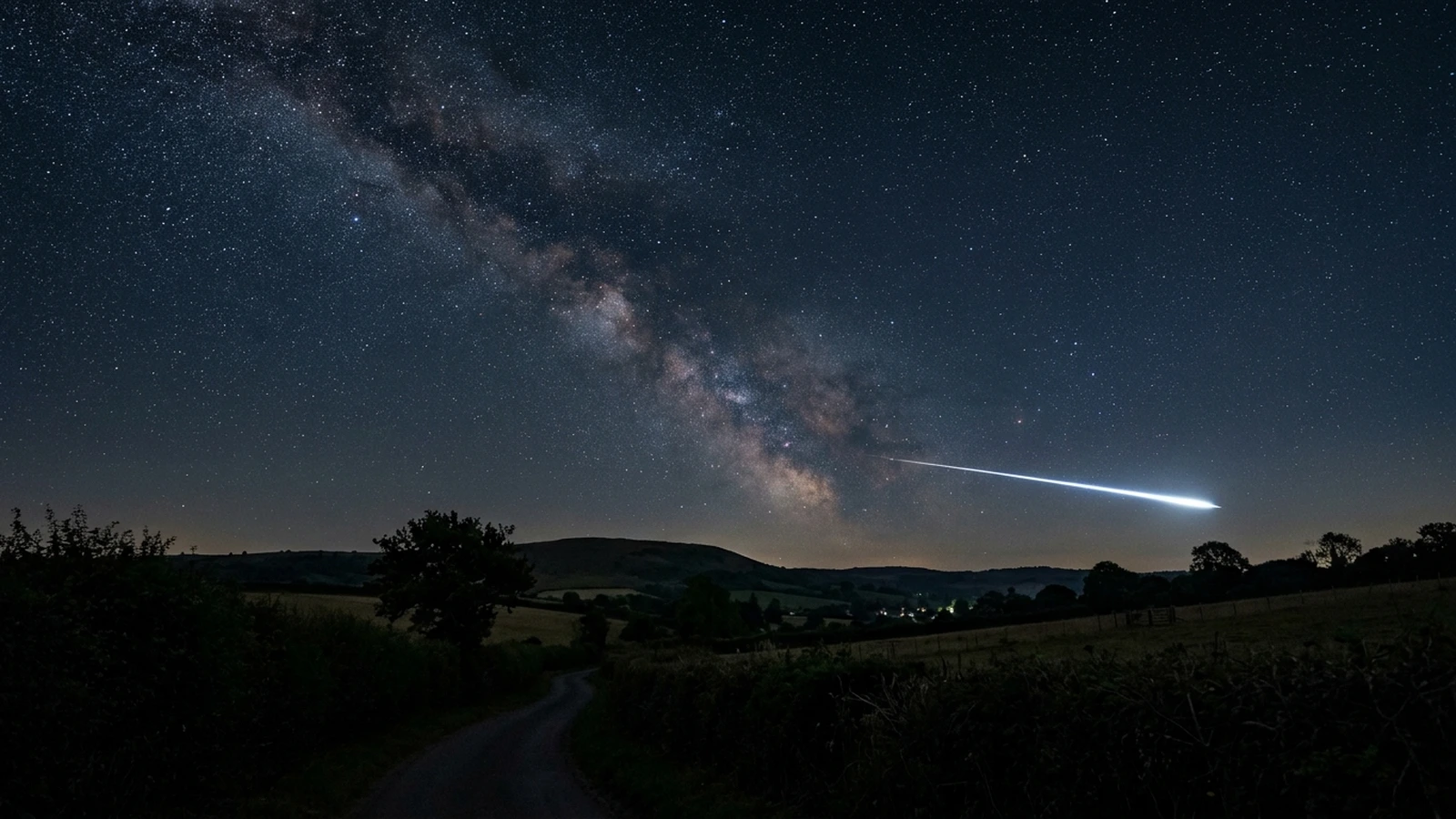
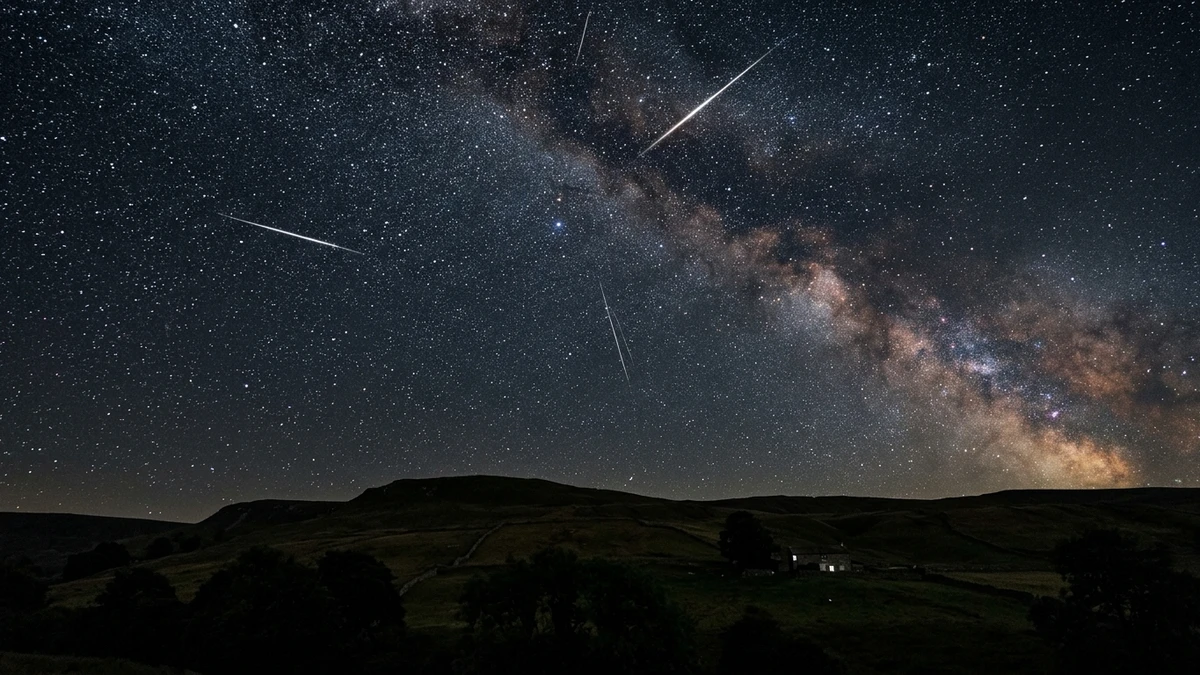
The Perseids are the most watched meteor shower of the year in the UK, and for good reason. The nights are warm and the rates are high, and Perseids themselves are fast, bright meteors with a healthy share of fireballs that can light up the ground for a split second. Under a perfect dark sky the shower can produce up to 100 meteors an hour at its peak. From a good UK dark site, expect something like one a minute in the early hours of the 13th.
That would make any August worth marking in the diary. What makes 2026 special is the Moon. Or rather, the complete lack of one.
Why 2026 Is the Best Perseid Year in a Decade
Moonlight is the great spoiler of meteor showers. A bright Moon washes out the fainter meteors and can cut the visible rate in half or worse, and in most years the Perseids take at least some moonlight on the chin. The Delta Aquariids lost their peak to a full Moon only a fortnight ago.
In 2026 the Perseid peak lands on a new Moon. The Moon sets with the Sun on 12 August and doesn't interfere at all. From dusk until dawn the sky stays as dark as your observing site allows, on the very night the shower maxes out. That combination comes around roughly once a decade, and it's why astronomers have been circling this date all year.
One honest caveat. Some meteor modellers expect Perseid rates in 2026 to run slightly below average, with a stronger display forecast for 2027 when Earth meets a denser part of the debris stream. Even if that proves right, a moonless Perseid peak beats a moonlit one every time, because dark skies let you see the faint majority of meteors that moonlight normally steals. In other years, check is it a full moon tonight before you commit to a late one: moonlight is the single biggest factor in how many meteors you'll actually see.
How to See the Perseids From the UK
You don't need a telescope. You don't even need binoculars, though they earn their place in the quiet spells (more on that below). Meteor watching is about seeing as much sky as possible at once, and your own eyes do that better than any instrument.
Here's what actually matters:
Get somewhere dark. This is the year it pays off. With no Moon, the sky at a UK dark sky site like Galloway, Exmoor, the Brecon Beacons or Northumberland will be as good as it ever gets in August. If you can't travel, a park or garden shielded from streetlights still works, because the Perseids are bright.
Stay up late. Rates build through the night as the radiant climbs. From 11pm you'll see a decent show, and the couple of hours either side of 3am on the 13th should be the best of it. If a 3am finish isn't realistic, even 11pm to half past midnight on a dark night will show you plenty.
Give your eyes 20 minutes. Dark adaptation is the single biggest difference between people who see meteors and people who don't. No phone screens. If you need light, use a dim red one. Our stargazing tips guide covers this and a few other habits worth building.
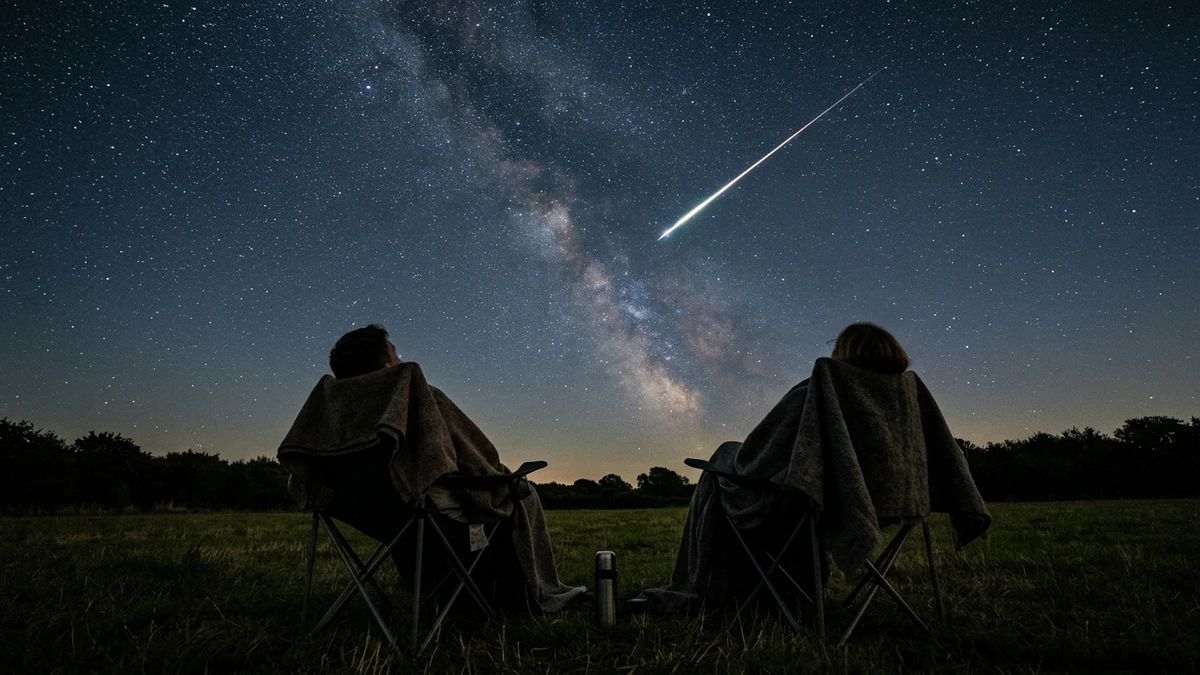
Get comfortable. A reclining chair or a blanket, warm layers even in August, and a flask. Plan to stay out at least an hour, because meteors come in bursts with lulls in between.
Where to Look: Finding the Radiant in Perseus
Perseid meteors all trace back to a point in the constellation Perseus, called the radiant. Finding it is easy: look north-east and find the unmistakable W shape of Cassiopeia. Perseus sits just below it, and the radiant sits between the two. Early in the evening it hangs low in the north-east, then climbs through the night until it's high overhead by dawn. That climb is why the rates keep improving into the small hours.
Don't stare at the radiant itself, though. Meteors near it are coming almost straight at you, so they look short and stubby. The longest, most dramatic streaks appear about 45 degrees away. Face north-east to east, look about halfway up the sky, and let your peripheral vision do the work. A relaxed, wide gaze catches far more than a fixed one.
While you're waiting, you're staring at one of the best patches of sky the UK gets. The Double Cluster glitters between Perseus and Cassiopeia, the Andromeda Galaxy sits a short hop away, and the summer Milky Way runs right through the middle of it all. That's the case for having a pair of binoculars on the groundsheet.
What to take out on Perseid night
Kit we've tested and reviewed in full
Meteors are a naked-eye event, so keep the optics down while you're watching for streaks. But there are quiet spells in every meteor watch, and the Perseid radiant sits in one of the richest binocular regions of the sky: the right pair turns the waiting into the second half of the show.
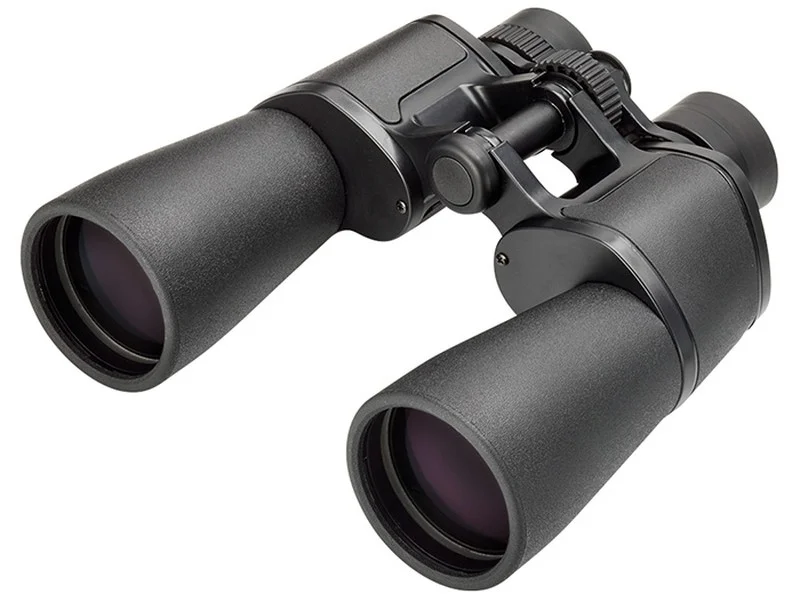
Between meteors, sweep up to the Double Cluster between Perseus and Cassiopeia, then across to the Andromeda Galaxy. Both are easy in a 10×50 from a dark site, and this is the pair we point most UK beginners to first.
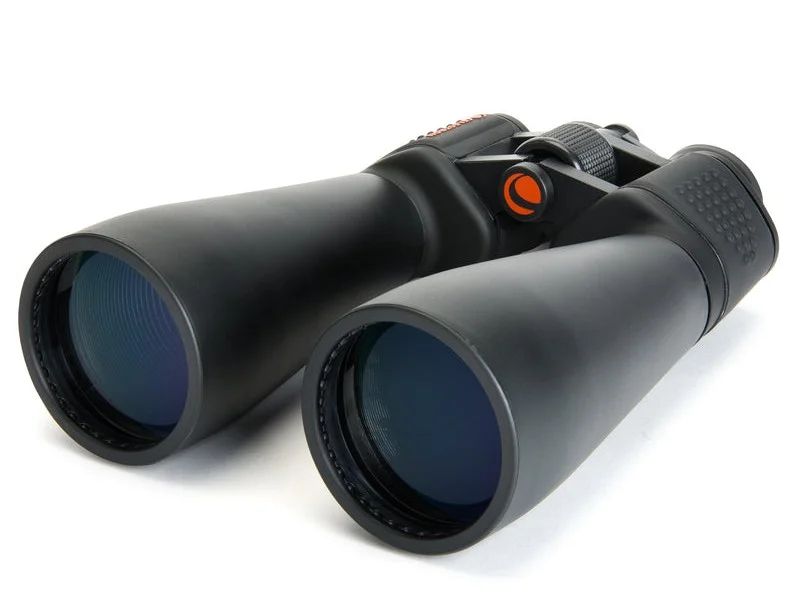
Extra aperture pulls in Saturn rising in the east and shows the Double Cluster as two proper swarms of stars. Bring a tripod at this power.
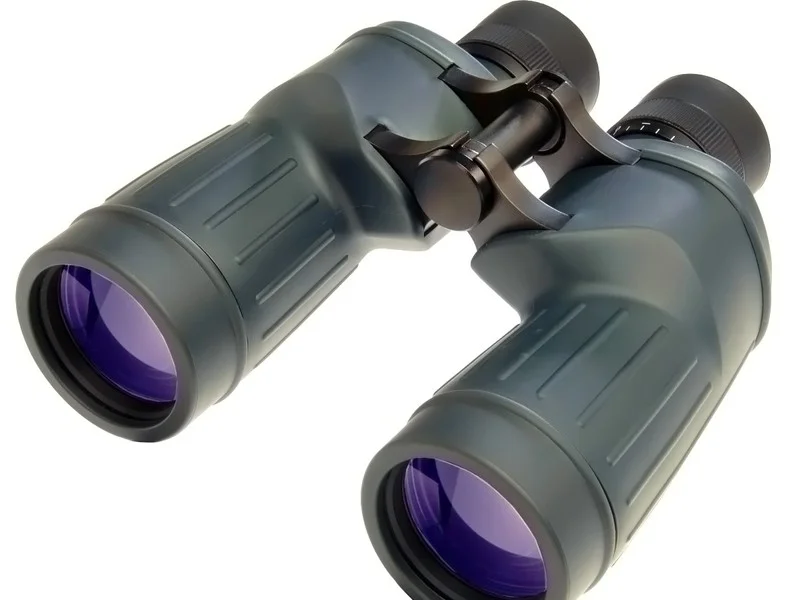
Cleaner, higher-contrast views than the entry pair, so the Milky Way through Cassiopeia really shows its grain. A do-everything pair if you only buy once.
Affiliate links: you pay the same price, we earn a small commission that helps keep WatchTheStars free.
What Causes the Perseids? Comet Swift–Tuttle
Every Perseid you see is a piece of Comet 109P/Swift–Tuttle, a mountain of ice and rock about 26 kilometres across that loops around the Sun once every 133 years. Each pass leaves a trail of dust and grit along its orbit, and every August the Earth ploughs straight through it. Those grains, most no bigger than a grain of sand, hit our atmosphere at 59 kilometres per second and burn up in a flash of light.
That speed is why Perseids look the way they do. They're among the fastest meteors of any major shower, producing clean, quick streaks that often leave a glowing train hanging in the sky for a second or two after the meteor itself has gone. The bigger pieces produce fireballs bright enough to cast shadows.
Swift–Tuttle itself is worth a moment's pause. Its nucleus is roughly twice the size of the asteroid that ended the dinosaurs, which makes it the largest object that regularly crosses Earth's orbit. There's no danger on any orbit astronomers have calculated, but it lends the shower a certain weight. The comet last swung past in 1992 and returns in 2126.
Eclipse Day, Meteor Night: 12 August's Double Bill
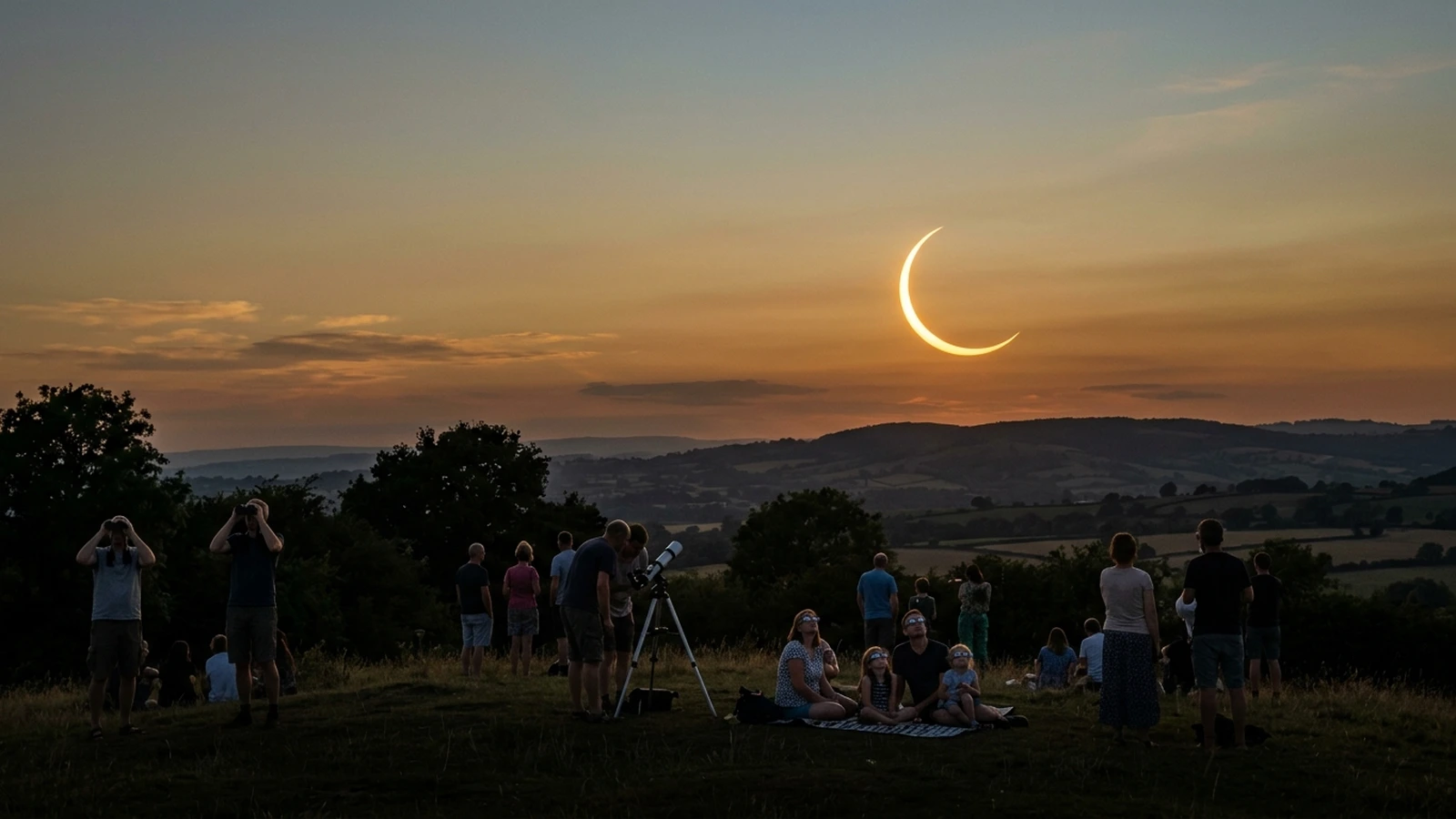
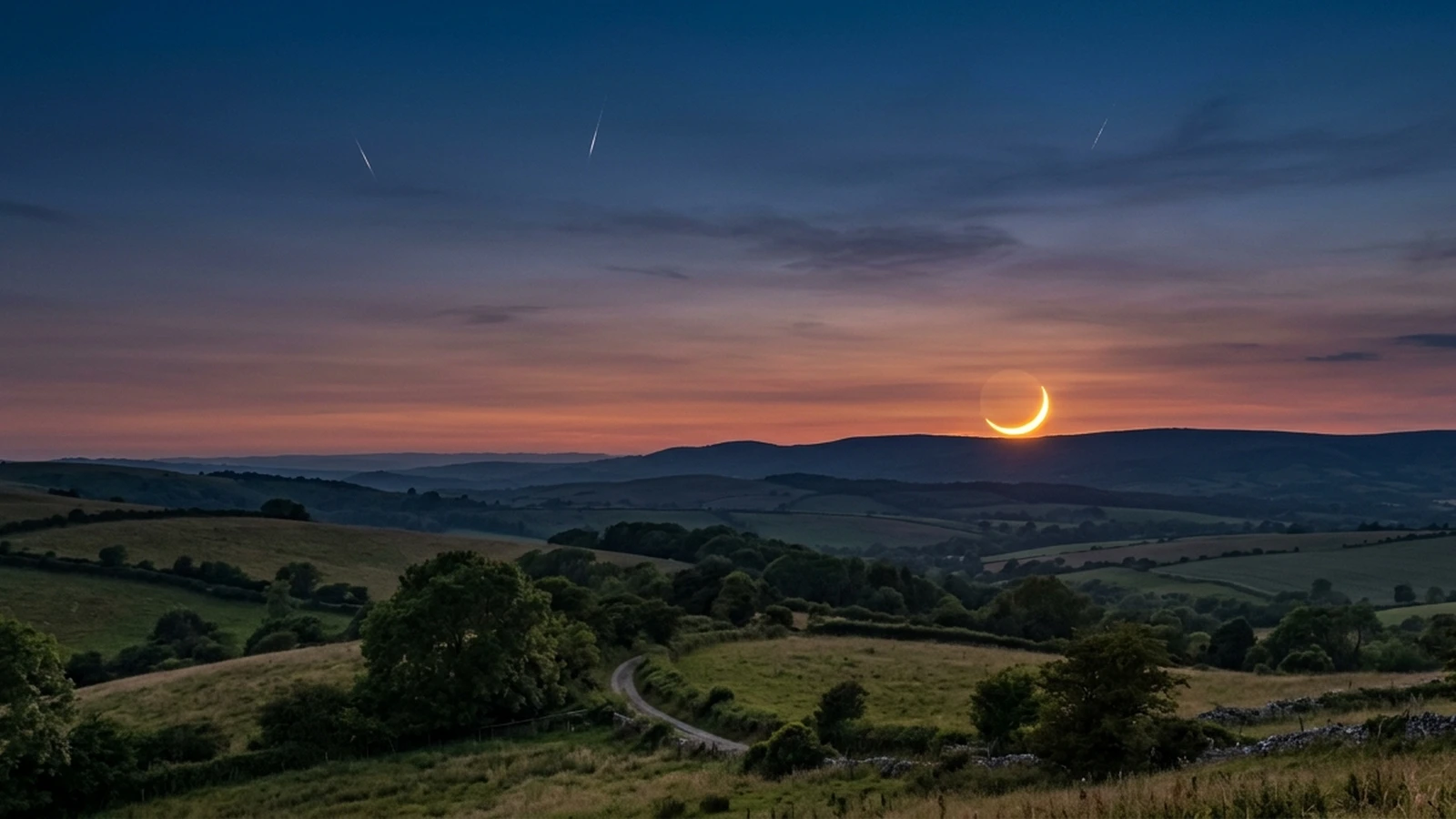
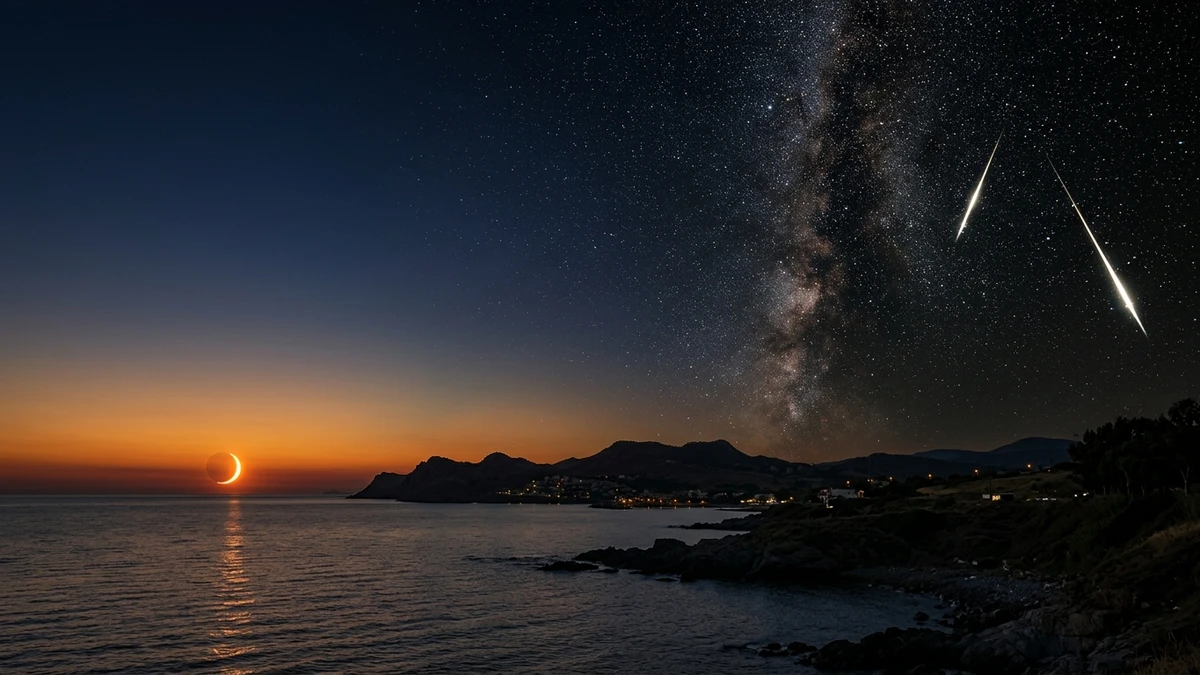
Here's the part that makes 12 August 2026 one of the great skywatching dates of the decade. The new Moon that keeps the Perseid peak dark is the same new Moon that passes in front of the Sun that evening, producing a total solar eclipse over Iceland and Spain, and a deep partial eclipse across the UK.
So the day runs like this. In the early evening of 12 August, the Sun is eclipsed, around 90% covered from much of the UK, low in the west before sunset. A few hours after the eclipse ends, the sky darkens fully, and the best meteor night of the year begins. Two of astronomy's finest events, hours apart, driven by the same Moon.
If you're travelling somewhere with a clear western horizon for the eclipse, it's worth planning to simply stay put after dark. Wherever you've gone for a good eclipse view is probably darker than home, and the Perseids will reward you for it.
How to Photograph the Perseids
The Perseids are the most photogenic shower of the year, and the moonless 2026 peak makes this the year to try.
Smartphone: A recent phone with a night mode will catch the brighter Perseids. Prop it against something solid or use a small tripod, aim north-east, and shoot repeated 10 to 30 second exposures. Expect to take dozens of frames per meteor caught. It's a numbers game, so start the phone shooting and then just watch the sky.
DSLR or mirrorless: A wide lens (14–24mm) at f/2.8 or faster, ISO 1600–3200, exposures of 15 to 25 seconds, and an intervalometer so the camera shoots continuously all night. Point it about 45 degrees from the radiant, put the Milky Way in frame, and review the haul in the morning. With no Moon to fight, you can push the ISO harder than usual and pull in the fainter trails.
Whatever you shoot with, focus is the thing that ruins most meteor photos. Set focus manually on a bright star before you start, then leave it alone.
Perseid Meteor Shower 2027: Dates and Moon
The Perseids peak on the night of Thursday 12 to Friday 13 August 2027, with the shower active from about 17 July to 24 August. The Moon is the difference from 2026: in 2027 it's a waxing gibbous, about 80 to 85% lit, that sets around 1am. So the best window is the early hours of the 13th, after moonset and before dawn, when the radiant in Perseus is also at its highest. Rates should still be good, and some models predict 2027 could run above average as Earth meets a denser strand of Swift–Tuttle's debris. Peak predictions firm up in the spring; our meteor shower calendar carries the latest.
Key Dates at a Glance
| Date | Event | Notes |
|---|---|---|
| 17 July | Shower becomes active | Early Perseids possible on dark nights |
| 1–8 August | Rates building | Waning Moon leaves dark pre-dawn skies |
| 11–12 August | First of the two big nights | Near-peak rates, no Moon |
| 12 August (evening) | Solar eclipse | Deep partial from the UK, low in the west |
| 12–13 August | Peak night: maximum ~3am BST | New Moon, fully dark skies all night |
| 14–17 August | Rates fading | Still worth a look on clear nights |
| 24 August | Shower ends | Activity fades to background |
The Perseids deliver most years. In 2026 the sky is handing them their best possible stage: a warm August night, a peak timed for the small hours UK time, and not a scrap of moonlight. If you watch one meteor shower this year, or take one person outside to see their first shooting star, make it the night of 12–13 August. Check the full meteor shower calendar for everything else the year has to offer, or see our astronomy events calendar for every other date worth knowing about in 2026 and 2027.
Sources:
- Perseid meteor shower 2026: When and where to see it in the UK · Royal Observatory Greenwich
- Perseid meteor shower to reach its peak on 12 August · Royal Astronomical Society
- Perseid meteor shower 2026: All you need to know · EarthSky
- Perseid meteor shower 2026 · BBC Sky at Night Magazine
Frequently Asked Questions
Equipment guides
Related topics
Ian ClaytonAmateur astronomer and founder of WatchTheStars.co.uk, dedicated to helping others explore the wonders of our universe. Full profile →