How to See the Northern Lights in the UK
When to look, where to stand, and the free alerts that do the hard work for you
Yes, you can see the Northern Lights from the UK, and more often than most people think. We're just past solar maximum, the peak of the Sun's 11-year activity cycle reached in late 2024, and the years either side of the peak (the strongest storms often arrive on the way down) have made this the best window for UK aurora sightings in roughly twenty years. Scotland gets displays several times a year. On the strongest nights, the glow has reached Cornwall.
This guide walks through the Kp index and what it means for your part of the country, the free alert services worth signing up for, when the season runs, and where to stand for the best view. It also explains something that catches almost everyone out the first time: why your phone often picks up more than your eyes do.
What Kp Index Do You Need to See the Aurora in the UK?
The Kp index is a simple 0–9 scale that measures how disturbed Earth's magnetic field is. The higher the number, the further south the aurora oval expands, and the better your chances of catching it, wherever you are in the UK.
Roughly speaking: Scotland can catch a display from Kp 4–5. Northern England and Northern Ireland need Kp 5–6. Southern England and Wales generally need Kp 7 or higher, which only happens a handful of times a year, usually during a strong geomagnetic storm. Kp 5 counts as a minor storm, Kp 7 a strong one, and Kp 9 is an extreme event: the kind that makes national news and gets the lights reported as far south as the Channel Islands.
Kp Level and Where It's Typically Visible in the UK
| Kp Index | Storm Level | Typically Visible From |
|---|---|---|
| Kp 3–4 | Quiet to unsettled | Northern Scotland, Shetland, Orkney |
| Kp 5 | Minor storm | All of Scotland, Northern Ireland |
| Kp 6 | Moderate storm | Northern England, North Wales, Isle of Man |
| Kp 7 | Strong storm | Midlands, East Anglia, South Wales |
| Kp 8–9 | Severe to extreme storm | Southern England, Cornwall, Kent |
Rough guide only. Actual visibility depends on cloud, local light pollution, and how dark your northern horizon is.
When Can You See the Northern Lights in the UK?
The aurora season in the UK runs from September to March: you simply need proper darkness for it, and UK summer nights never get dark enough. Around the summer solstice the sky barely dims north of the Midlands, so June and July are out entirely regardless of solar activity.
Within that season, displays aren't spread evenly. September/October and February/March, the weeks either side of the equinoxes, are statistically the strongest months for geomagnetic activity. This is down to how Earth's magnetic field lines up with the Sun's at those times of year, which makes it easier for solar wind to connect with our magnetosphere and trigger a storm.
Within a season, you also need a clear night and, ideally, a Moon that's out of the way. A bright Moon won't stop a strong aurora but it will wash out a faint one. Check our Tonight tool for cloud cover before you commit to a long drive.
How Do You Get an Aurora Forecast for the UK?
Start with our northern lights tonight page for the current alert in plain English, then our own live UK aurora forecast, which pulls the NOAA Kp forecast, the real-time solar wind and the AuroraWatch UK alert level onto one page and turns them into a verdict for each part of Britain. Then these three free alert services do the watching for you. Sign up once and you'll never have to guess again.
Run by Lancaster University from a real magnetometer network. Sends an amber alert when aurora is possible and a red alert when it's likely. The single best UK-specific tool: sign up and let it do the watching for you.
Purpose-built aurora forecasting app with push notifications, a live Kp readout, and solar wind data. Good as a second opinion alongside AuroraWatch UK, and handy if you're travelling further north to chase a display.
The UK's official space weather forecast, published a few days ahead alongside geomagnetic storm warnings. Useful for planning further out, though the short-notice picture from AuroraWatch UK is more reliable on the night itself.
Where Is the Best Place to See the Northern Lights in the UK?
Anywhere with a genuinely dark, unobstructed view to the north is the one non-negotiable. The aurora builds low on the horizon before, if it's strong enough, climbing overhead, so a town glowing orange to your north will drown out anything but the brightest display.
Coastal and hilltop spots work best because they give you a flat, uninterrupted horizon with nothing nearby to light-pollute it. Northumberland's coast, the Yorkshire coast, Scotland's Highlands and Islands, and the Isle of Man are all reliable during moderate storms. If you're inland, a hilltop car park or an open field facing north, well away from streetlights, does the job just as well.
Our UK dark sky sites guide lists specific locations with low light pollution and good open horizons. Most of them work brilliantly for aurora watching, not just deep-sky targets.
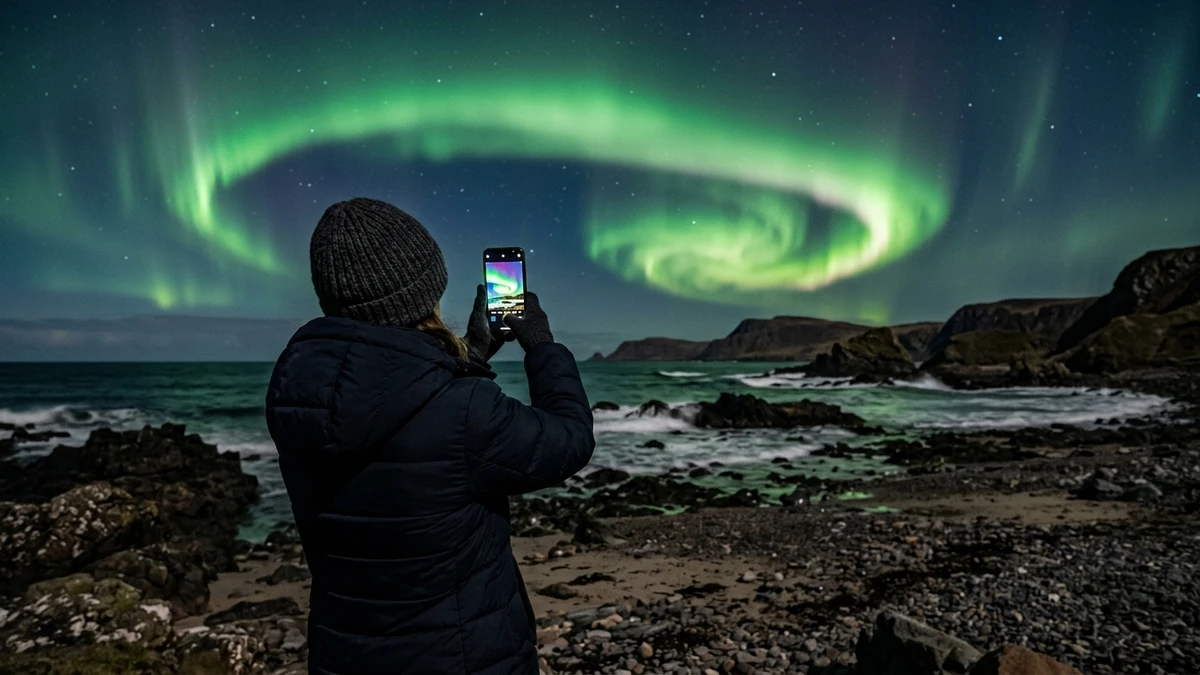
Why Does the Aurora Look Better in Photos Than to the Naked Eye?
Your eyes rely on rod cells to see in the dark, and rod cells are poor at registering colour. A camera doesn't have that problem. It can hold its shutter open for several seconds, gathering far more light than your eye ever could in a single glance, which is what reveals the vivid greens, pinks, and purples you see in other people's photos.
The fix is simple: when an alert fires, point your phone north on night mode with a 3–10 second exposure and take a test shot, even if the sky looks unremarkable to your eyes. It's often the quickest way to confirm the aurora is actually there before you commit to standing outside for an hour. Our phone astrophotography guide covers the settings in more depth.
What Does the Aurora Actually Look Like to the Naked Eye?
Manage your expectations here, because most UK displays are subtle. Typically you'll see a pale grey-green or faint pink glow low on the northern horizon, sometimes with a gentle pulsing or shifting quality as if a light is being turned up and down slowly. It's easy to mistake for cloud or distant town lights the first time you see it.
In a genuinely strong display, the kind that makes the news, you'll see distinct pillars or curtains of light rising and moving, with colour clearly visible without a camera. Those nights are rarer, but they do happen, and during solar maximum they've been happening more often than at any point in the last twenty years.
Kit for the nights you're waiting on an alert
Kit we've reviewed in full
Binoculars won't make the aurora brighter, but they turn a long, cold wait under a dark sky into its own reward, and a smart telescope keeps you occupied on the nights the lights don't show.
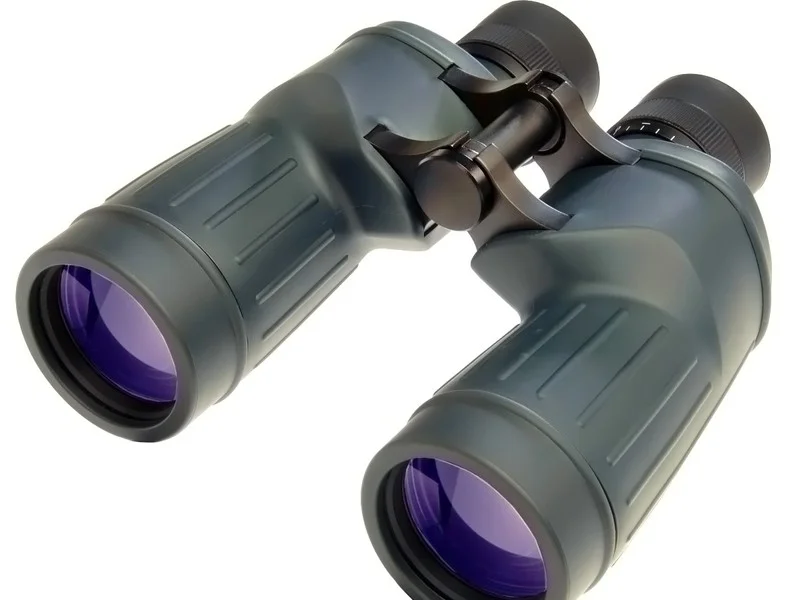
While you wait for an amber alert, 10×50s turn the waiting sky into the main event: the Pleiades, the Andromeda Galaxy, and Jupiter's moons are all up on a good aurora-watching night.
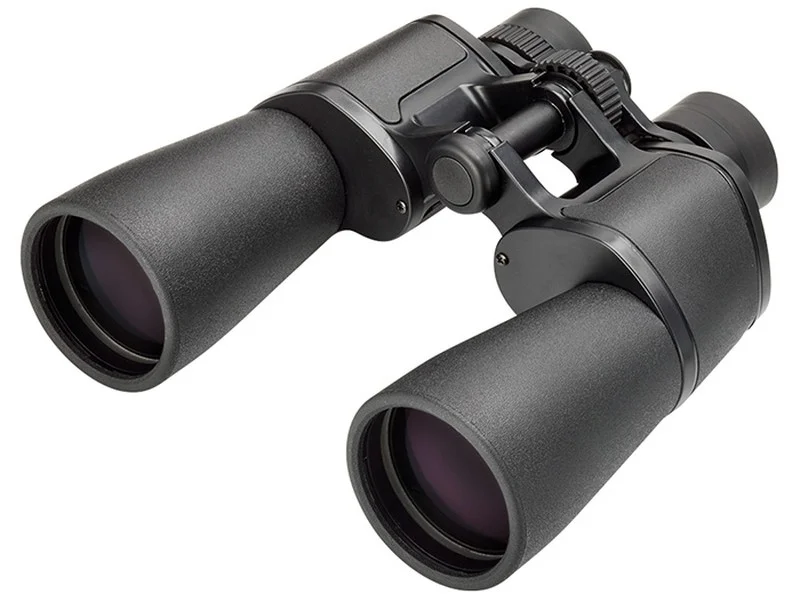
A solid, no-fuss pair for under £100. Waterproof and light enough to keep round your neck for hours on a cold coastal watch without your arms giving up.
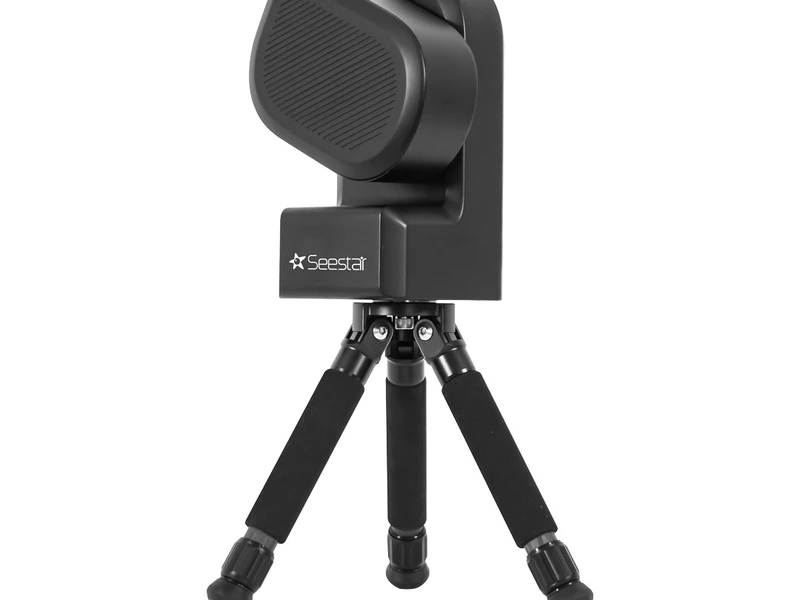
Points and tracks itself, so you can leave it quietly imaging a nebula or cluster while you keep your own eyes on the northern horizon for the first hint of colour.
Browse all our binocular reviews
Honest, research-based recommendations for every budget.
Browse all →Affiliate links: you pay the same price, we earn a small commission that helps keep WatchTheStars free.
What to Do When an Aurora Alert Fires Tonight
An amber or red alert has landed. Here's the sequence that gets you the best chance of seeing something.
- Check the Kp forecast against your location. Use the table above: if you're in the Midlands and the forecast tops out at Kp 5, it's worth a look but temper expectations.
- Check cloud cover. Clear skies matter more than a high Kp reading. Use our Tonight tool or Clear Outside to see how the next few hours look.
- Get away from town glow to the north. Even a short drive to a hilltop or coastline with a dark northern horizon makes a huge difference.
- Let your eyes adjust. Give it 15–20 minutes without looking at a bright screen so you're not missing a faint glow.
- Take a test photo north. Phone on night mode, 3–10 second exposure. If there's a hint of green or pink in the shot that you can't see with your eyes, the aurora is there: it just needs the storm to build.
- Stay out longer than feels reasonable. Displays often build in pulses over an hour or more rather than arriving all at once. Give it time before you give up.
- Keep checking north. Strength can change quickly as the solar wind conditions shift, so a quiet sky can flare up within twenty minutes.
Frequently Asked Questions
Can you actually see the Northern Lights in the UK?
Yes. Scotland sees the aurora several times a year, and during a strong solar storm it has reached as far south as Cornwall and Kent. It's more common than most people realise: you just need a dark northern horizon, a clear night, and to know when to look.
What Kp index do you need to see the aurora in the UK?
Scotland can catch a display from around Kp 4–5. Northern England and Northern Ireland usually need Kp 5–6. Southern England and Wales generally need Kp 7 or higher, which only happens a handful of times a year during a strong geomagnetic storm.
What is the best time of year to see the Northern Lights in the UK?
You need proper darkness, so the season runs from September to March. Displays cluster around the equinoxes: September/October and February/March are statistically the strongest months, thanks to how Earth's magnetic field lines up with the solar wind at those times of year.
How do you get an aurora alert for the UK?
AuroraWatch UK, run by Lancaster University, is the free go-to: sign up for email or app alerts and you'll get an amber warning (aurora possible) or red warning (aurora likely) when geomagnetic activity picks up. The Glendale App and the Met Office space weather forecast are also worth checking for a second opinion.
Why does my phone show the aurora better than my eyes?
Your eyes struggle with faint colour in the dark because the light-sensitive rod cells that work at night don't register colour well. A phone camera on night mode uses a 3–10 second exposure, which gathers far more light than your eye can in an instant and reveals the reds and greens clearly. This is why a display that looks like a grey smudge to the naked eye can show up vividly in a photo.
What does the aurora actually look like from the UK?
Most UK displays appear as a pale grey-green or faint pink glow low on the northern horizon, sometimes with a soft pulsing or shifting quality. In a strong display you'll see distinct pillars or curtains of light moving and colour visible to the naked eye. Don't expect the vivid, saturated colours you see in other people's photos every time: that's usually the camera doing extra work.
Where is the best place to see the Northern Lights in the UK?
Anywhere with a clear, unobstructed view north and minimal light pollution. Scotland's Highlands and Islands, Northumberland, and the Yorkshire coast are reliable during moderate storms. Coastal spots work well because the sea gives you a flat, dark horizon. Our UK dark sky sites guide lists specific locations with good northern views.
Is now a good time to see the aurora because of solar maximum?
Yes. The Sun reached solar maximum in late 2024 and activity is only now beginning to ease, so as of autumn 2026 we are still in the busy years either side of the peak of the roughly 11-year cycle. Geomagnetic storms have been more frequent and stronger as a result, and the strongest storms often come in the two or three years after the peak. This remains the best stretch for UK aurora sightings in roughly two decades.