How to Spot the ISS Tonight
No telescope needed, just know when to look, and the space station does the rest
Here's how to spot the ISS tonight: look for a very bright, steady light sliding across the sky, easily outshining every star though not quite matching Venus at its brightest. The International Space Station takes about 4-6 minutes to cross from one horizon to the other, moving too smoothly to be a plane and too bright to be an ordinary satellite. You don't need a telescope, binoculars, at all: you just need to know when to look, and a couple of free alert tools will tell you exactly that.
This guide covers how to read a pass prediction so you actually know when to go outside, why the ISS is visible at all, and how to be certain what you're watching really is the space station and not a plane on approach. If you want the short version: check an app, go out two minutes early, face the direction it gives you, and look up.
What Does the ISS Look Like from Earth?
The ISS looks like a single, very bright point of light: no flashing, no colour changes, just a steady white-gold glow moving in a dead-straight line across the sky. On a good pass it can reach magnitude -3 or brighter, easily outshining any star, though it doesn't quite match Venus at its best.
A full pass takes about 4-6 minutes from the moment it clears the horizon to the moment it disappears. It doesn't set like a star does: instead it simply fades out mid-sky, sometimes quite suddenly, as the station passes into Earth's shadow and stops catching sunlight. That fade-out, rather than a slow dip to the horizon, is one of the clearest signs you're watching the ISS and not a plane.
Why Can You See the ISS from the Ground?
You can see the ISS because sunlight reflects off its solar panels and hull, not because the station glows on its own: the same way you'd spot a plane's fuselage catching the evening sun. The ISS is roughly the size of a football pitch, orbiting about 400km above the Earth at around 28,000 km/h, fast enough to circle the planet once every 90 minutes, about 16 times a day.
That's also why visible passes only happen in a narrow window: roughly the couple of hours after sunset or before sunrise. At those times the Sun has dropped below your local horizon and your sky has gone dark, but the ISS is still high enough up that it's catching direct sunlight. In the middle of the night the station passes into Earth's shadow and goes dark itself; in the middle of the day the sky is too bright to see it even though it's still up there, reflecting sunlight the whole time.
Not sure if tonight's sky is clear enough?
Our Tonight tool gives you a live stargazing score, cloud cover, and what's visible from your location.
Check Tonight's Conditions →How Do You Know When the ISS Will Fly Over Tonight?
The quickest way is our own ISS passes tonight tool: type in your postcode and it lists the next seven days of visible passes with the minute, direction and height, worked out from the station's live orbit. Beyond that, three free tools do the same job. NASA's Spot the Station is the official source: its website lists upcoming passes for your location and offers free email and text alerts so you never have to check manually. Heavens-Above goes further, with detailed pass predictions and a printable sky chart showing the exact path across the stars. ISS Detector is a solid phone app if you'd rather have push notifications a few minutes before each pass.
Every pass listing uses the same handful of details, and once you know what they mean, planning a viewing takes about ten seconds.
| Listing element | What it means | Example |
|---|---|---|
| Time | When the pass starts, in your local time | 21:47 |
| Direction | The compass point where it first appears | WSW |
| Max height | How high it climbs above the horizon, in degrees. 30°+ is a good pass | 42° |
| Magnitude | Brightness: the more negative the number, the brighter it is | -3.2 |
| Duration | How long the whole pass lasts, start to fade-out | 5 min |
A good rule of thumb: anything with a max height above 30° and a magnitude around -3 or better is worth going outside for. A pass that only reaches 10-15° is more likely to be hidden behind rooftops or trees.
Your ISS-Spotting Checklist for Tonight
- Check the app for a pass above roughly 30°. Higher passes are brighter, last longer, and are far less likely to be blocked by buildings or trees.
- Go outside two minutes early. Passes wait for no one, and it takes a moment for your eyes to settle and find the right patch of sky.
- Face the direction given. The listing tells you exactly which compass point to watch: usually somewhere in the west, since the ISS travels west to east.
- Look for a steady, bright light moving in silence. No blinking, no sound, just a smooth crossing of the sky.
- Follow it until it fades. It won't set or fly off the edge: it simply dims out mid-sky as it enters Earth's shadow. That's the pass ending normally, not the ISS vanishing.
How Can You Tell the ISS Apart from a Plane or Satellite?
The clearest giveaway is the lack of blinking lights: the ISS holds one steady point of light, while a plane's navigation lights flash. A few other tells make it obvious once you know them:
- No blinking or coloured lights. Planes carry red and green navigation lights and a white strobe that flashes. The ISS shows none of that, just one steady point of light.
- No sound. At 400km up there's nothing to hear. A low-flying plane you can hear the engines of is not the ISS.
- Constant speed and brightness. The ISS moves smoothly in a straight line without speeding up, slowing down, or flickering.
- It fades rather than flies off. A plane heads toward the horizon and disappears from view. The ISS dims out mid-sky as it enters Earth's shadow, a different ending altogether.
Against other satellites, the ISS is simply in a league of its own for brightness: most satellites are far too faint to notice without binoculars, while the ISS is obvious to the naked eye from a town or city garden. The one thing that can catch people out is a Starlink train: a line of dozens of satellites launched together, moving in tight formation and looking like a string of dots rather than one single light. Once you've seen one, you won't mistake it for the ISS again.
Can You Photograph the ISS?
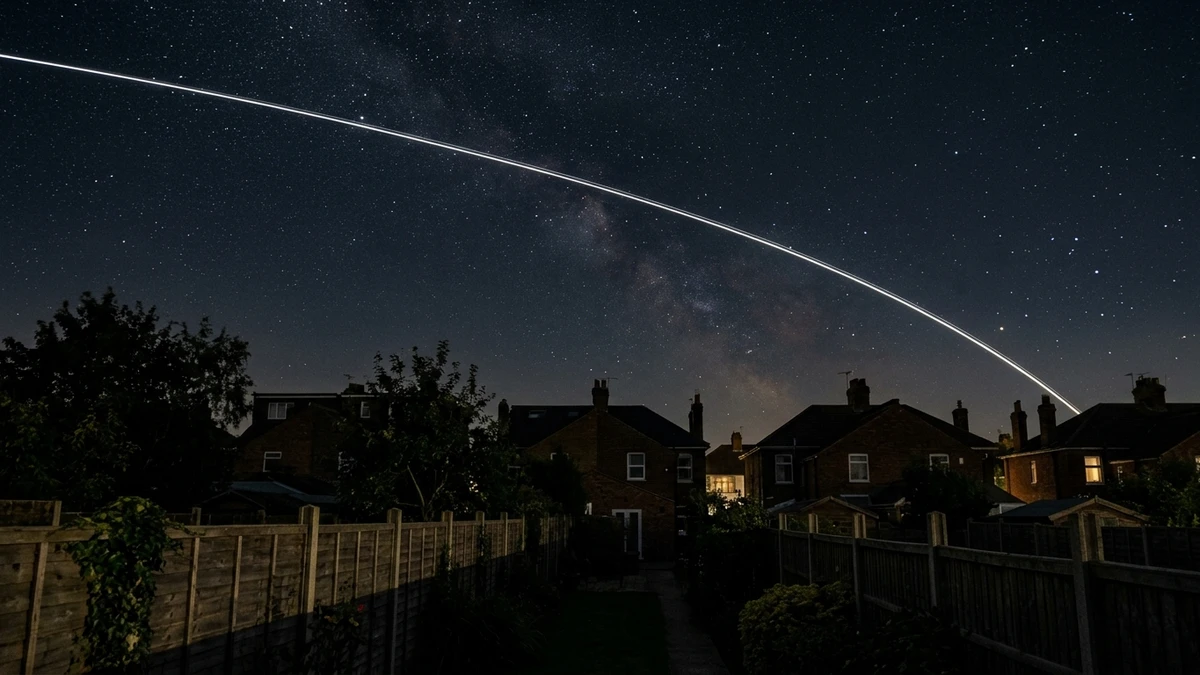
Yes, and it's a satisfying photo to get, even with just a phone. Because the ISS moves at a constant speed across the frame, a long exposure turns the entire pass into a single bright streak rather than a dot: start the exposure just before the pass begins and let it run for the length of the pass, or a good chunk of it. Our phone astrophotography guide covers the night mode and manual settings that make this possible with nothing more than the phone in your pocket.
If you want a dedicated tool for it, NightCap on iOS has a built-in ISS mode designed specifically for tracking and capturing passes, which takes some of the guesswork out of timing the shutter.
Can You See the ISS Through Binoculars or a Telescope?
Binoculars won't show you any structure: the ISS is still just a point of light, even magnified. What they can reveal is colour: a golden tint from sunlight reflecting off the solar panels, which is easy to miss with the naked eye but noticeable through a decent pair.
A telescope is honestly the wrong tool for casual ISS watching. The station crosses the sky in minutes, far too fast to find and track by hand at any useful magnification, by the time you'd got it centred, the pass would be over. Dedicated ISS astrophotographers use motorised mounts and tracking software built specifically for the job. For an ordinary evening, your eyes are the best instrument you have.
Kit for everything else while you wait
Kit we've reviewed in full
You don't need any equipment to see the ISS itself, but the couple of minutes before and after a pass are prime naked-eye and binocular time. A decent pair of binoculars turns the wait into its own small stargazing session.
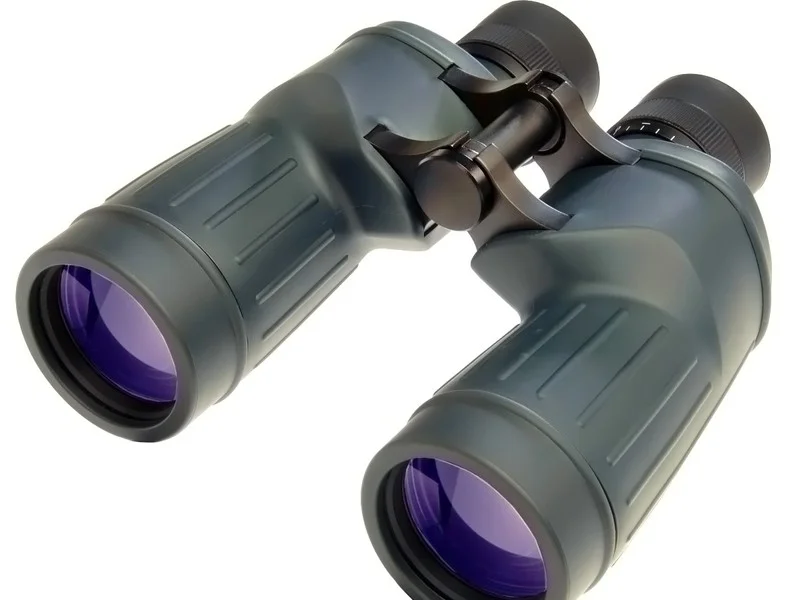
10x50s are the standard stargazing pair, steady enough to hold by hand and bright enough for the Moon, star clusters, and Jupiter's moons while you're outside waiting for the ISS to appear.
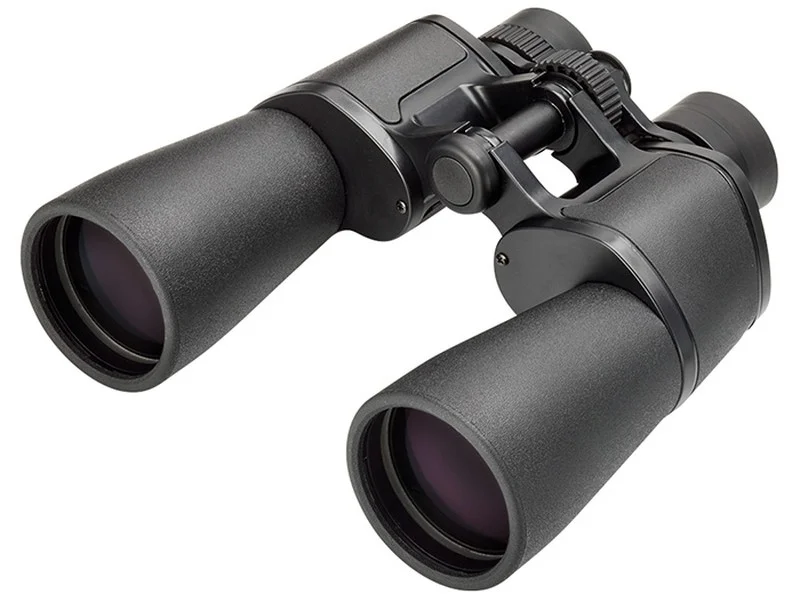
A capable, lightweight pair for well under the price of a night out. Good enough to keep by the back door for whenever an alert app pings you.
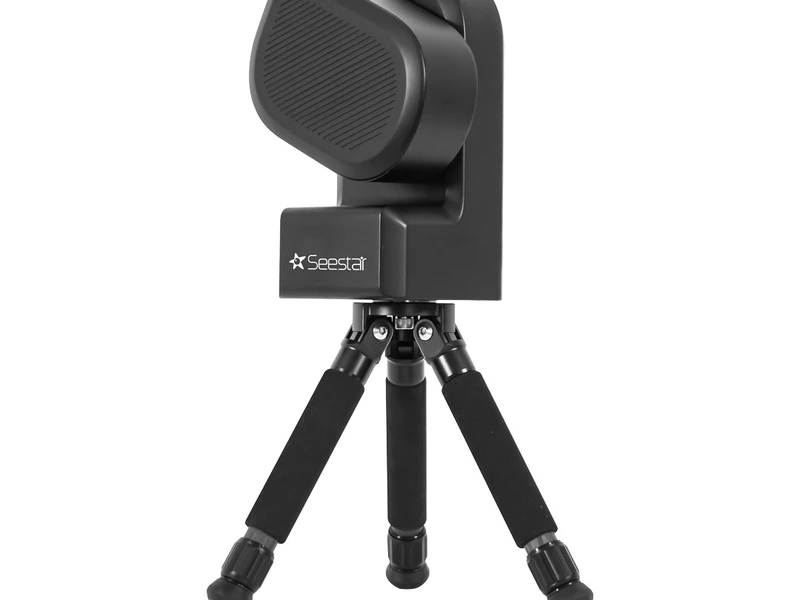
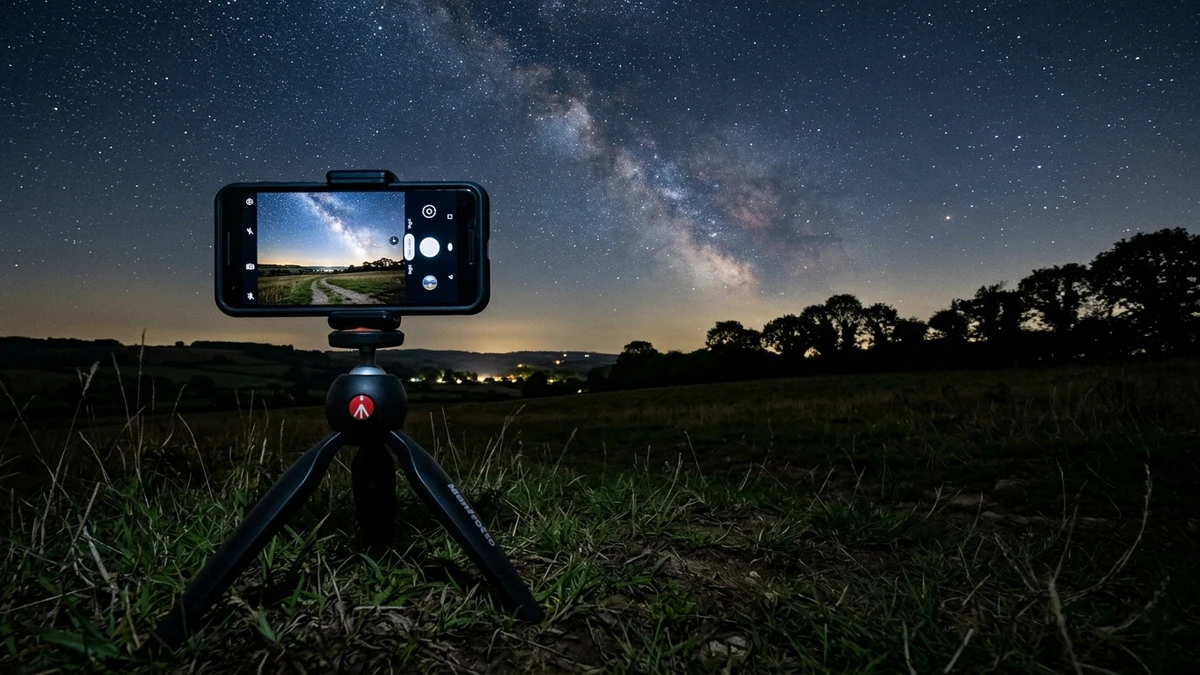
Set it up before a pass and it'll happily image the Moon or a nebula on its own while you stand outside watching the ISS cross overhead.
Affiliate links: you pay the same price, we earn a small commission that helps keep WatchTheStars free.
Frequently Asked Questions
How do I spot the ISS tonight?
Check a pass-prediction app or website for tonight's flyovers above your location, pick one that climbs above about 30 degrees, and go outside two minutes before the listed start time. Face the direction given, look up, and watch for a steady, bright light moving smoothly across the sky. No equipment is needed, just the right timing.
What does the ISS look like from Earth?
The International Space Station looks like a very bright, steady light gliding smoothly across the sky, easily brighter than any star though not quite as bright as Venus at its best. It shows no blinking lights, makes no sound, and takes about 4-6 minutes to cross from one side of the sky to the other before fading out rather than setting.
How do I know when the ISS will fly over?
Use NASA's Spot the Station website, which offers free email and text alerts for your location, or Heavens-Above for more detailed predictions with sky charts. Both list the time, direction, maximum height, and brightness of every visible pass for the next couple of weeks. The ISS Detector app does the same job from your phone.
How can I tell the ISS from a plane?
The ISS has no blinking red or green navigation lights, makes no engine sound, and moves at a constant speed and brightness in a dead-straight line. A plane blinks, often has visible strobes, and you can sometimes hear it. The clearest giveaway is the ending: a plane flies off toward the horizon, while the ISS simply fades out mid-sky as it passes into Earth's shadow.
Can I see the ISS from the UK?
Yes, and often. The UK's latitude gives good visibility of the ISS's orbit, with several visible passes most weeks, sometimes several in a single night during the best periods. Passes only happen in the couple of hours after sunset or before sunrise, when the station is still catching sunlight high above but your sky has gone dark.
Do I need a telescope to see the ISS?
No. The ISS is easily bright enough to see with the naked eye, which is actually the best way to watch it: it moves too fast for a telescope to track by hand. Binoculars won't reveal any structure either, though you can sometimes catch its golden colour, reflected light off the solar panels.
How long does an ISS pass last?
A typical visible pass lasts somewhere between 1 and 6 minutes, depending on how high above the horizon it climbs. A low pass that barely clears rooftops might only be visible for a minute or two, while a high pass that arcs almost overhead can be visible for the full 5-6 minutes before it fades from view.
Can I photograph the ISS with my phone?
Yes. Set your phone to night mode or a manual long exposure, mount it on a tripod, and start the exposure just before the pass begins. Because the ISS moves steadily across the frame, a long exposure turns the whole pass into a single bright streak rather than a dot. NightCap on iOS even has a dedicated ISS mode built for this.