The Varginha Incident
Brazil's Roswell and the Files That Took 30 Years to Surface
On a Saturday afternoon in January 1996, three young women cut across a vacant lot in Varginha, a coffee town of about 120,000 people in the Brazilian state of Minas Gerais. One of them looked left and screamed. Crouched by the wall, about seven metres away, was something none of them could explain: brown oily skin, long arms, a large head with three ridges, and big red eyes.
Within months, Varginha had become the most famous UFO case in South America. Researchers claimed the army had captured not one creature but two, that one had died in a hospital, and that a military convoy had moved the body away at four in the morning. The army said none of it happened.
For thirty years that was roughly where things stood: witnesses on one side, official denial on the other. What's changed is the paperwork. The army's complete investigation file, all 357 pages of it, now sits online at Brazil's Superior Military Court, and the Brazilian National Archives has released its Air Force UFO records, including a report of an object over Varginha 25 years before anyone had heard of the case. For the first time, you can read what the Brazilian state actually wrote down.
What Happened in Varginha on 20 January 1996
The day didn't start with the girls. In the early hours of 20 January, a farming couple, Oralina and Eurico Rodrigues, were woken by their cattle panicking in a pasture on the road between Varginha and Três Corações. They told the magazine ISTO É they looked out and saw a grey object the size of a minibus, shaped like a submarine, drifting slowly over the field about five metres up. No lights, no sound, trailing whitish smoke.
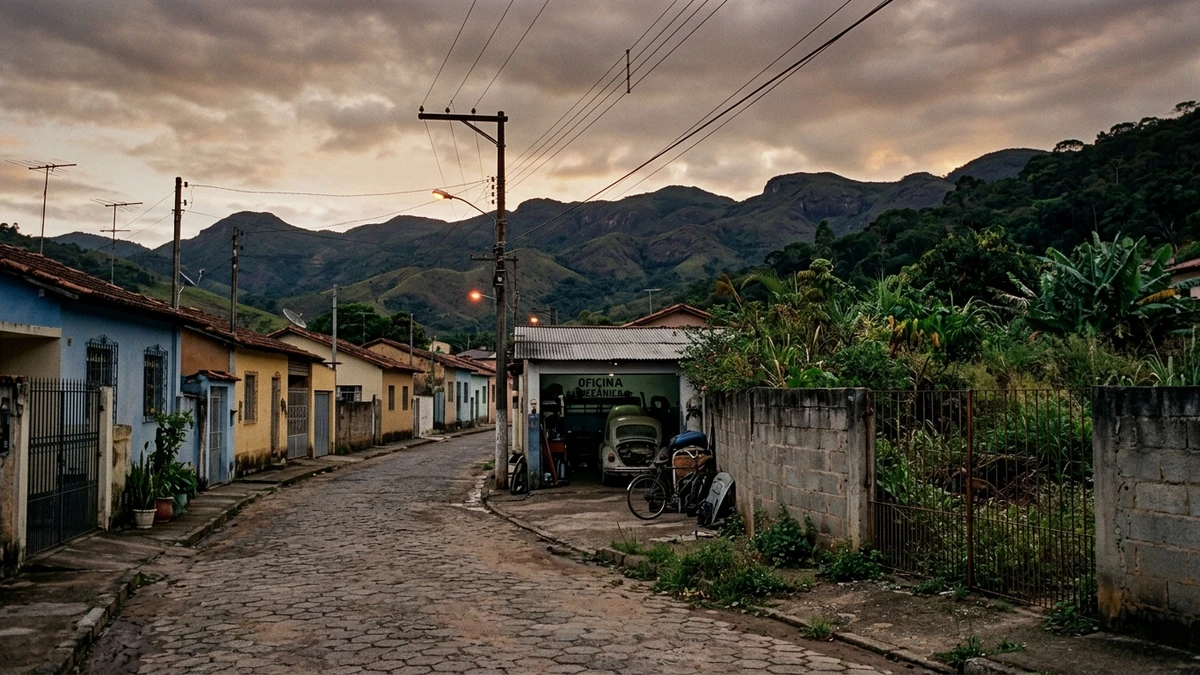
At around 3:30 that afternoon, Liliane Fátima Silva, her sister Valquíria and their friend Kátia Andrade Xavier were walking through a vacant lot in Jardim Andere, a district two kilometres from the city centre. Liliane saw it first and screamed. The creature was crouched near the wall dividing the lot from a mechanic's workshop, arms down between its legs.
"It wasn't an animal and it wasn't a person. It was a horrible thing. I saw the eyes first, enormous and red."
· Kátia Andrade Xavier and Liliane Fátima Silva, speaking to ISTO É magazine, May 1996The girls ran home. Forty minutes later, Liliane and Valquíria's mother, Luiza Helena Silva, walked back to the lot to see what had frightened them. She found nothing. The girls' description never wavered, though, not that week, not when Harvard psychiatrist John Mack flew down to interview them that year, and not in the decades since.
The Capture Claims
What turned a strange sighting into "Brazil's Roswell" was what local researchers said happened around it. Ubirajara Franco Rodrigues, a Varginha lawyer and long-time UFO researcher, began investigating the next day, later joined by Vitório Pacaccini from Belo Horizonte. By May 1996 they claimed to have interviewed 14 witnesses, four of them military.
Their reconstruction went like this. At around 10:30 on the morning of the 20th, five hours before the girls' sighting, four members of the Varginha fire brigade captured a creature near a wooded area three blocks from the lot, boxed it up under a white cloth, and handed it over to soldiers, who drove it to the Sergeants' School (EsSA) in Três Corações, 25 kilometres away. A second creature was reportedly seen at the Hospital Regional the following day, transferred at night to the better-equipped Hospital Humanitas, and died there. Pacaccini said a 42-minute taped statement from a soldier at EsSA described a pre-dawn convoy on 23 January carrying the body to Campinas, and both researchers named the officer they said commanded the operation: Lieutenant-Colonel Olímpio Wanderley Santos.
The army's response at the time was blunt. The commander of EsSA, General Sérgio Pedro Coelho Lima, called the researchers' claims "so absurd they become ridiculous". An army spokesman joked that his only concern was with "national and foreign aliens, but terrestrial ones". The named lieutenant-colonel said he first heard of his starring role through phone calls and assumed it was a prank.
Two odd details made the denials sit less comfortably. ISTO É reported in May 1996 that Luiza Helena Silva said four men in suits had come to the family home and offered cash for her daughters to publicly retract their story; they never identified themselves and never came back. And the administrator of both hospitals confirmed there really had been unusual activity at each one that week, but said one was an exhumed body brought in for an X-ray, and the other was equipment arriving for the city's first heart transplant.
The Death of Marco Eli Chereze
Marco Eli Chereze was a 23-year-old military policeman in Varginha. According to the capture account, he was one of the men who handled a creature with his bare hands. In the weeks after the incident he fell ill, was operated on for a cyst in his armpit, and died on 15 February 1996 from a generalised infection.
The official explanation, given later by a former commander of his battalion, was a hospital infection following the surgery. That does happen, and nothing in his medical record has ever been shown to be unexplainable. But his family said they were never given a proper account of why a healthy 23-year-old died within a month of a routine procedure, and his death has stayed at the centre of the case ever since. It is the one detail that even sceptical accounts of Varginha tend to handle carefully.
How the Varginha Case Unfolded
An object over Varginha: 25 years early
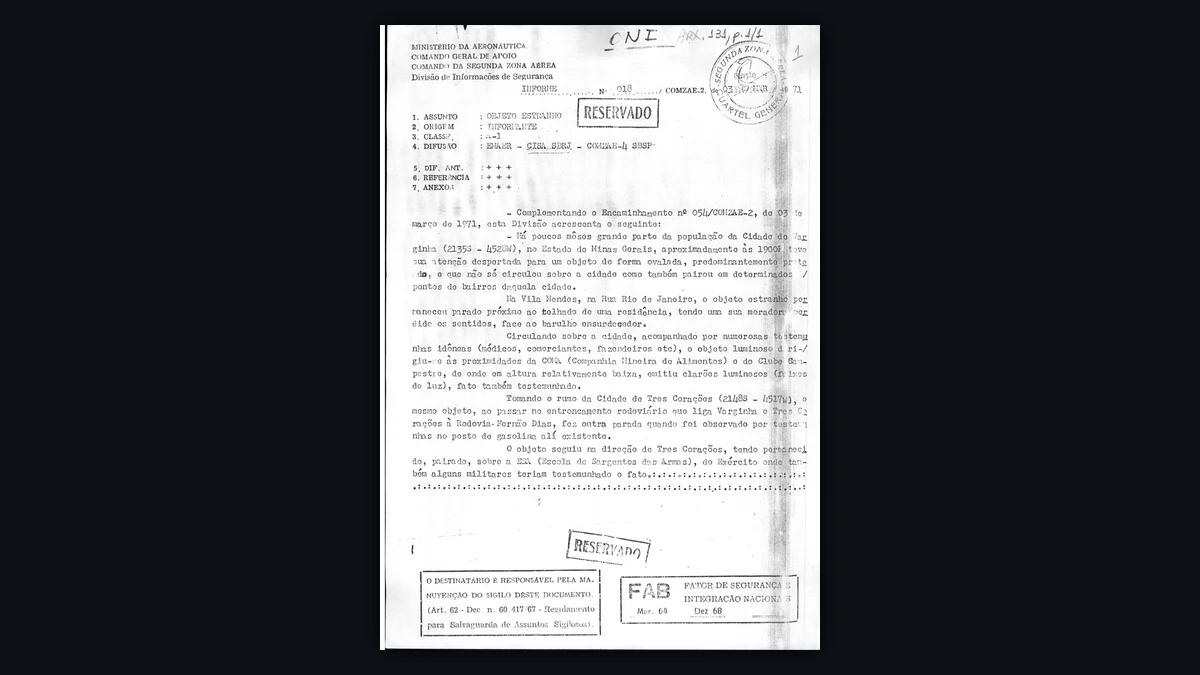
A Brazilian Air Force intelligence report describes an oval, silvery object seen by much of the population of Varginha at about 7pm, circling the city before heading towards Três Corações, where, the report says, it was last seen hovering over the army's Sergeants' School, witnessed by soldiers. The report sat in military files until the National Archives released it decades later.
A crash, according to one witness
Carlos de Sousa, a local pilot and teacher, later claimed he saw a damaged craft trailing smoke come down near Varginha a week before the main events. His account first surfaced through researchers and was retold publicly at the 2026 Washington press conference.
The farm sighting
Oralina and Eurico Rodrigues report a submarine-shaped object drifting low over their pasture on the Varginha–Três Corações road, cattle panicking beneath it.
The alleged capture
According to researchers Rodrigues and Pacaccini, fire brigade members capture a creature near a wooded area and hand it to the army, which takes it to the Sergeants' School in Três Corações. No physical evidence of this has ever surfaced.
The girls see the creature
Liliane, Valquíria and Kátia encounter a creature crouched by a wall in Jardim Andere and run. Their description (oily brown skin, three head ridges, red eyes) becomes the defining image of the case.
Chereze dies
Military policeman Marco Eli Chereze, said by researchers to have handled a creature bare-handed, dies of a generalised infection at 23, weeks after the incident.
The story goes national
ISTO É and Globo's Fantástico cover the case. Sixty researchers descend on the city. The mayor talks openly about the publicity windfall, and a bribery attempt on the girls' family is reported.
The army opens IPM 18/97
After the book Incidente em Varginha names serving officers, the army opens a formal Military Police Inquiry at EsSA, not into the creature, but into the claims involving its men.
Inquiry closed: no creature, no operation
IPM 18/97 concludes the girls most likely saw a local man known as Mudinho and that troop movements were routine. The file is archived at the Superior Military Court that August.
Moment of Contact
James Fox's documentary brings the case to an international audience and puts the original witnesses, now adults, back on camera.
The 30th anniversary press conference
Fox hosts Brazilian witnesses at the National Press Club in Washington, D.C., thirty years to the day after the sighting, after six other witnesses are denied US visas. By now the IPM file and National Archives UFO records are fully public.
The Army's Answer: A Man Called Mudinho
The army's investigation settled on a simple explanation. Luís Antônio de Paula, a local man known in Varginha as "Mudinho", lived rough in the area and had both mental and physical disabilities. He was often seen crouching close to the ground. The inquiry concluded that the girls, already frightened, had seen Mudinho, probably dirty from heavy rain, huddled against the wall, and their minds filled in the rest.
It's not an absurd theory, and cases like this do sometimes resolve into exactly this kind of mistaken identity. But it has problems that have never gone away. The witnesses were shown photographs of Mudinho and rejected the identification flatly. They knew him, as most of the neighbourhood did, and they have spent thirty years saying that what they saw was not a man. And there's a smaller, stranger problem: the explanation leans on Mudinho being soaked and muddy from the rain, while ISTO É's contemporary report, published four months after the event, described the sighting as happening on a sunny Saturday afternoon.
"Não era bicho nem gente, era uma coisa horrível. (It wasn't an animal and it wasn't a person. It was a horrible thing.)"
· Kátia Andrade Xavier, ISTO É, May 1996, a description she has never withdrawnIPM 18/97: What the Military Police Inquiry Actually Says
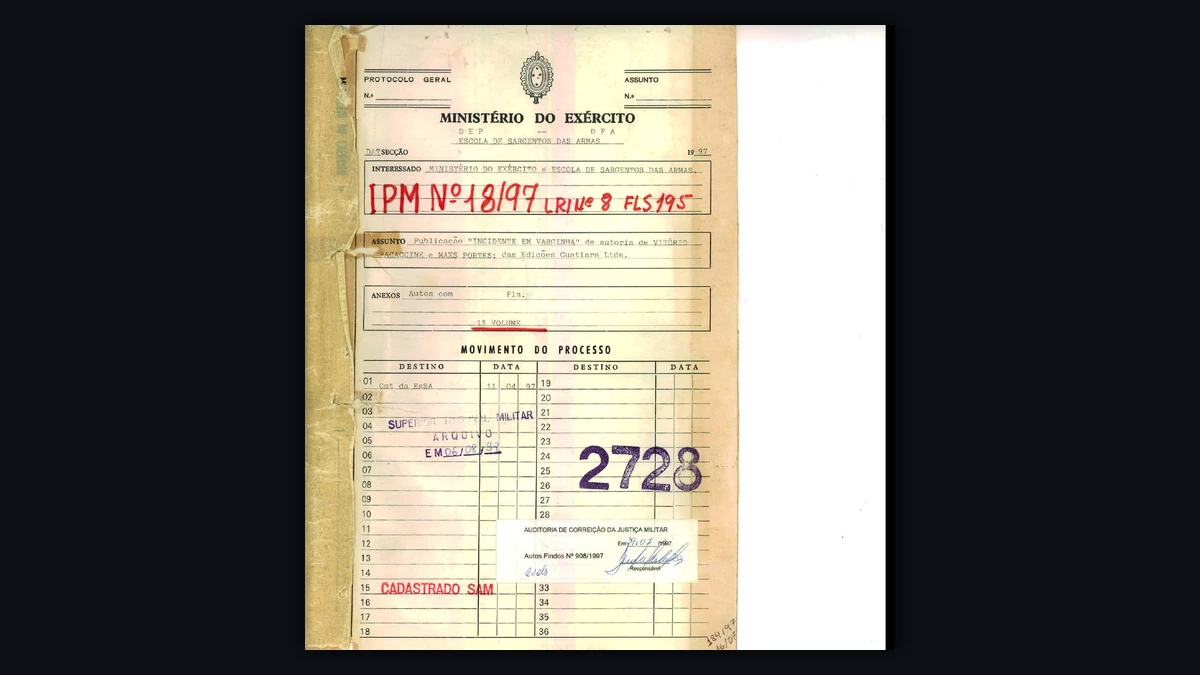
The most important document in the Varginha case is the one almost nobody had read until recently. In August 1996, the book Incidente em Varginha, by Pacaccini and Maxs Portes, named serving soldiers as participants in the alleged capture. For the army this was no longer a UFO story. It was an accusation against its own officers. In early 1997 it opened Military Police Inquiry number 18 at the Sergeants' School in Três Corações.
The inquiry ran from February to June 1997 and produced 357 pages across two volumes. It took statements from the named officers, including Lieutenant-Colonel Olímpio Wanderley Santos, and from the researchers themselves. Its conclusion: there was no creature, no capture and no operation, and the military vehicles seen in Varginha that weekend were on routine business. The case was archived at the Superior Military Court in August 1997 as closed records number 908/1997.
For decades the file was something you had to request. Now it isn't. The Superior Military Court has digitised both volumes and published them in its ARQUIMEDES archive, where anyone can download the complete scanned originals. Whatever you make of its conclusions, that matters: Varginha is one of the few cases anywhere in the world where the state's full internal investigation (witness statements, conclusions, signatures) is sitting on a public server.
The Declassified Varginha Files
The IPM isn't the only paperwork. Brazil's National Archives holds an entire fund of Air Force UFO records: 743 dossiers spanning 1952 to 2016, transferred from the Air Force's documentation centre after a campaign by Brazilian researchers. Buried in it are at least two items that bear directly on Varginha.
The first is a 1971 Air Force intelligence report (Informe 018/COMZAE-2, stamped RESERVADO) describing an oval, predominantly silver object seen by much of Varginha's population at around 7pm one evening. According to the report, it paused over a house in the Vila Mendes district, circled the city in front of what the Air Force called credible witnesses including doctors and business owners, gave off flashes of light at low altitude, and then headed for Três Corações, where it was last seen hovering over the army's Sergeants' School, the same EsSA the 1996 creature was allegedly taken to, with soldiers reportedly among the witnesses. Nobody suggests the two events are connected. But it means UFO reports tying Varginha to the EsSA were in Brazilian military files a full 25 years before the famous incident.
The second is a dossier of 1996 press coverage the Air Force kept on the case itself, including the ISTO É investigation quoted throughout this page, which preserved the witnesses' earliest recorded descriptions, the army's contemporaneous denials, and the bribery claim, all written down within four months of the event. As primary sources go, a military-archived copy of what everyone said at the time is hard to beat.
Moment of Contact and the 30th Anniversary
The case found its second life in 2022, when American filmmaker James Fox released Moment of Contact, a documentary built on the Varginha witnesses, including the women from the original sighting and new figures like Carlos de Sousa, who claims he saw a damaged craft come down near the city a week before the main events. A follow-up, Moment of Contact: New Revelations of Alien Encounters, arrived in December 2025.
Then came the anniversary. On 20 January 2026, thirty years to the day after the girls ran from the lot in Jardim Andere, Fox hosted a press conference at the National Press Club in Washington, D.C. Among the Brazilian witnesses was Dr. Ítalo Venturelli, a Varginha physician who described four minutes he says he spent beside a captured being in a hospital in 1996, a being that, in his account, communicated with him without speaking. Six other witnesses never made it: their US visa applications were denied despite months of effort, and Fox travelled to Brazil to record their statements on video instead.
Days earlier, on 15 January, Fox and three of the witnesses had given the same accounts in a closed-door meeting with members of the US Congress. None of this constitutes evidence in itself: testimony is testimony, whether it's given in a vacant lot in 1996 or a press club in 2026. But it's a measure of how stubbornly this case refuses to close.
The Evidence
Confirmed
The army formally investigated, and the file is publicIPM 18/97 exists, runs to 357 pages in two volumes, and is digitised in full at Brazil's Superior Military Court. Whatever else is disputed, the state's own investigation record is now checkable by anyone.
Confirmed
A 1971 military report of an object over VarginhaAn Air Force intelligence report in the National Archives describes an oval object over Varginha 25 years before the incident: proof the city appears in Brazilian military UFO files long before 1996.
Confirmed
Consistent witness testimony for 30 yearsThe three original witnesses gave their description within days, repeated it to ISTO É within four months, to John Mack within a year, and to film cameras decades later. They have always rejected the Mudinho identification.
Documented at the time
The bribery claimISTO É reported in May 1996 that unidentified men offered the girls' family cash to retract. It was never substantiated beyond the family's account, but it was reported contemporaneously, not invented years later.
Contested
The death of Marco Eli CherezeA 23-year-old policeman linked to the alleged capture died of a generalised infection weeks after the incident. Officially a post-surgical hospital infection. His family says they never got a full explanation. No evidence links the death to anything anomalous.
Unsubstantiated
The capture and the bodiesNo physical evidence of a craft or creature has ever been produced. The capture account rests on researcher interviews, anonymous military sources and later witness testimony. The army's inquiry concluded it never happened.
The Bottom Line
Strip away thirty years of retellings and Varginha comes down to a small number of solid facts. Three young women saw something in broad daylight that terrified them, described it identically, and never changed their story. A young policeman connected to the wider claims died weeks later, at 23, with an explanation his family never accepted. The army denied everything, then a year on investigated its own men, and wrote its conclusions down. And a city that supposedly had no UFO history turns out to have been in Air Force files since 1971.
The official explanation, a frightened misidentification of a disabled local man, might even be right. It would not be the first time a strange afternoon hardened into a legend. But it asks you to accept that three witnesses who knew Mudinho failed to recognise him from seven metres in daylight, on an afternoon a contemporary report describes as sunny rather than rainy, and that all of the surrounding noise (the convoy claims, the taped soldier, the men in suits, Chereze) is coincidence and invention layered on top.
What makes Varginha worth your attention now isn't the legend. It's that this is one of the rare cases where you no longer have to take anyone's word for what the government did. The inquiry is online. The archive files are online. You can read them yourself, and decide whether 357 pages closes the case, or just documents how it was closed.
See more than Varginha's witnesses did
Kit we've tested and reviewed in full
Most Varginha accounts come from brief sightings in poor light. Binoculars are the simplest way to get a proper look if something unusual crosses your own sky.
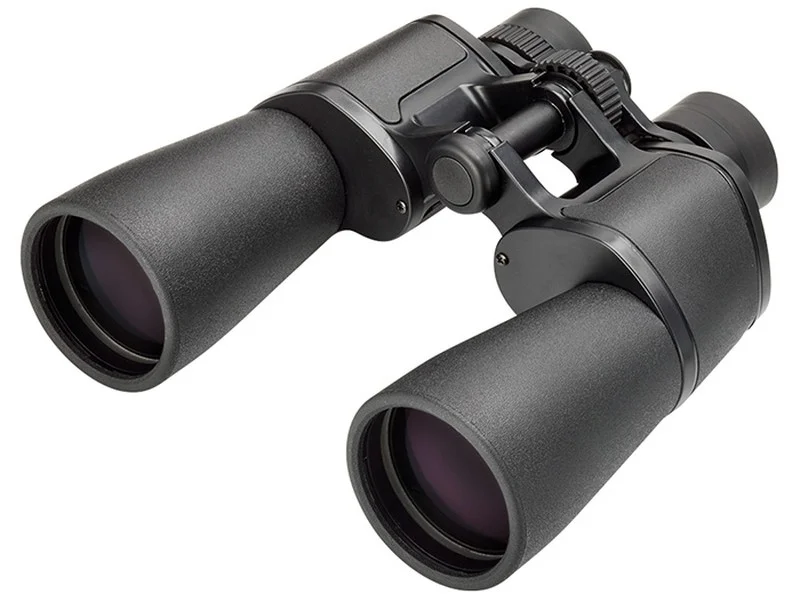
Bright and quick to aim: enough to pick out shape and colour on something oval and silvery crossing the sky.
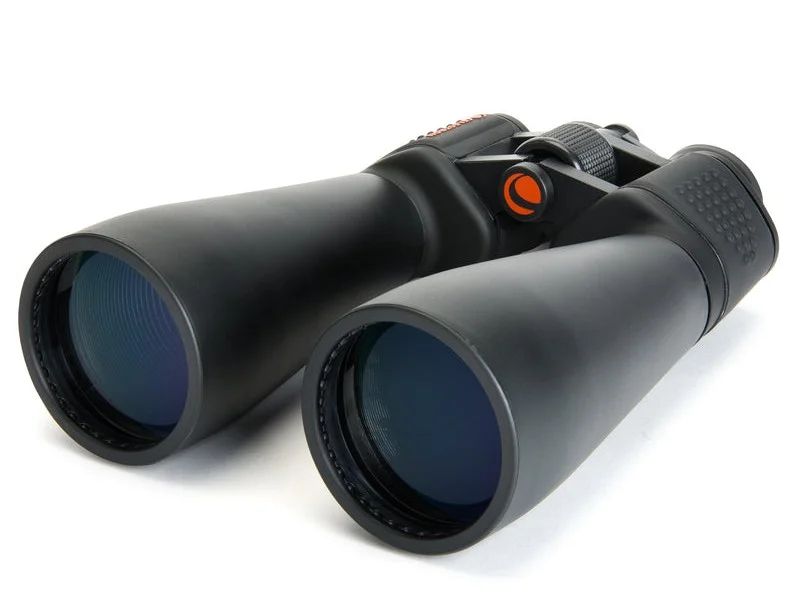
Extra aperture for anything holding station further off: real detail rather than a vague impression at dusk.
Affiliate links: you pay the same price, we earn a small commission that helps keep WatchTheStars free.
Download the Original Documents
We host copies of the key Varginha records here so you can read them for yourself. All are scans of the originals, in Portuguese. The two IPM volumes are compressed for the web. The full-resolution originals are on the Superior Military Court's archive, linked below.
IPM 18/97: Volume 1
208 pages · 19 MB PDF
The first volume of the army's inquiry: the opening order, witness statements from the named officers, and the investigation record.
Download PDFIPM 18/97: Volume 2
157 pages · 13 MB PDF
The second volume: further statements, annexes and the inquiry's conclusions, archived at the Superior Military Court in August 1997.
Download PDFThe 1971 Air Force Report
1 page · 1 MB PDF
Informe 018/COMZAE-2: the RESERVADO intelligence report describing an oval object over Varginha in 1971, last seen hovering over the EsSA.
Download PDFThe 1996 Press Dossier
4 pages · 2 MB PDF
The Air Force's archived file of 1996 press coverage, including the ISTO É investigation with the witnesses' earliest recorded descriptions.
Download PDFOfficial Archives
The original full-resolution files are held by Brazil's Superior Military Court and National Archives, free to access.
IPM 18/97: The Complete Army Inquiry
Superior Military Court (STM) · ARQUIMEDES
Both volumes of the Military Police Inquiry into the Varginha claims: 357 pages of witness statements, correspondence and conclusions, scanned from the originals.
View the Inquiry ↗The OVNI Fund: Brazilian National Archives
Arquivo Nacional · SIAN · BR DFANBSB ARX
The Air Force's released UFO records: 743 dossiers from 1952 to 2016, including the 1971 Varginha report and the 1996 press dossier. Searchable after free registration.
Search the Archive ↗Related Cases
Varginha is often called Brazil's Roswell, and the parallel runs deeper than the nickname: an initial sensation, an official explanation that witnesses reject, and files that surfaced decades later. It's also not Brazil's only case with public military files: twenty years earlier, the Air Force ran a full field operation on the Amazon estuary. For a case built on testimony rather than military paperwork, the Ariel School incident in Zimbabwe rests on the accounts of dozens of schoolchildren instead.
More UAP cases
- The Ariel School Incident16 September 1994 · Ariel School, Ruwa, Zimbabwe · Status: Unexplained · Disputed
- The STS-80 IncidentNOVEMBER–DECEMBER 1996 · LOW-EARTH ORBIT · PHOTOS RELEASED 10 JULY 2026
- The Rendlesham Forest IncidentDecember 1980 · RAF Woodbridge, Suffolk, England
- The Phoenix LightsNevada · Arizona · Sonora, Mexico · ~8:15 PM and ~10:00 PM MST
- The 1978 Amazon Pilot Encounters6 & 28 November 1978 · Amazon airspace, Brazil · Status: In the Official Records
- USS Nimitz UAP Incident: The Tic-Tac EncounterPacific Ocean · 14 November 2004 · ~100 miles SW of San Diego