Astronomy Clubs Near You: UK & Ireland Map and Directory
A map and directory of every astronomy society in the UK and Ireland, what to expect when you turn up, and how to join
There are 288 astronomy clubs and societies across the UK and Ireland, all of them on the map below, which means most people live within half an hour of one and almost nobody knows it. Joining a club is the fastest way to learn the sky: you get access to other people's telescopes before you buy your own, someone to stand next to when the night sky makes no sense yet, and monthly talks from people who do this for a living. This guide covers how to find an astronomy club near you, what meetings are actually like, and a society close to my own heart.
Astronomy Clubs Near Me: UK and Ireland Map and Directory
An astronomy club is a local society that meets once a month for a talk and runs observing nights on clear evenings; most charge £10 to £30 a year and let you come along once or twice for free before joining. Every one we know of in the UK, Ireland, the Channel Islands and the Isle of Man is below: 288 clubs on one map. Type your postcode or Eircode to see the nearest, or scroll down for the full list by county. Each entry links straight to the club's own website, which is where you'll find meeting nights and contact details.
Directory last checked 4 September 2026, against the Federation of Astronomical Societies and Irish Federation of Astronomical Societies member lists. Run a club that's missing or moved? Tell me and I'll fix it.
Pins mark the usual meeting venue where we have one; some are placed on the town rather than the hall. Distances are straight-line. Always check the club's own website for the next meeting before travelling.
Astronomy Societies by County
Jump to a region:
Astronomy Clubs in London
Astronomy Clubs in London
-
Holly Lodge Community Centre, 30 Makepeace Avenue, Highgate, London
-
122A Main Road, Biggin Hill, Westerham, London, London
-
Royal Russell School, Croydon, London, CR9 5BX
-
National Maritime Museum & ROG, Greenwich, London, SE109NF
-
Free Church Hall, Northway, Hampstead Garden Suburb, London, NW11 6P
-
Hampstead Observatory, Hampstead Reservoir, Upper Terrace, London, NW3
-
St. Francis of Assisi Church Hall, Greencourt Road, Petts Wood, London, BR5 1QW
-
South London, London
-
St. Johns Ambulance Hall, North Harrow, London
Astronomy Clubs in the South East
Astronomy Clubs in Berkshire
-
Bracknell, Berkshire
-
Marten Building off Common Lane, Eton College, Slough/Eton, Berkshire
-
Church Hall, St James-the-Less, Stubbings, Maidenhead, Berkshire, SL6 6QW
-
Mencap Centre, Enbourne Gate, Off Enbourne Road, Newbury, Berkshire, RG14 6AT
-
St Peter's Church Hall, Earley, Reading, Berkshire, RG6 1EY
Astronomy Clubs in Buckinghamshire
-
Stone Jubilee Pavilion, Oxford Rd, Stone, Buckinghamshire, HP17 8RE
-
Rectory Cottages, Church Green Road, Bletchley, Milton Keynes, Buckinghamshire, MK3 6BJ
-
Emberton Sports & Social Club, Hulton Drive, Emberton, Buckinghamshire, MK46 5BW
-
Woodrow High House, Cherry Lane, Woodrow, Amersham, Buckinghamshire, HP7 0QG
Astronomy Clubs in East Sussex
-
68 Middle Street, Brighton, East Sussex, BN1 1AL
-
Egerton Indoor Bowls Club, Egerton Road, Bexhill-on-Sea, East Sussex, TN39 3HL
-
Willingdon Memorial Hall, Church Street, Willingdon, Eastbourne, East Sussex, BN20 9HT
-
The Assembly Hall, Lewes Subud Centre, Lewes, East Sussex, BN7 2DS
-
Willingdon Memorial Hall, 42 Church Street, Willingdon, Eastbourne, East Sussex, BN20 9HT
-
Cooden Beach Hotel, Bexhill on Sea, East Sussex
-
Wadhurst Methodist Hall, Wadhurst, East Sussex
-
Herstmonceux Castle, Wartling Road Entrance, Hailsham, East Sussex, BN27 1RN
Astronomy Clubs in Hampshire
-
Grately Village Hall, Grately, Andover, Hampshire, Hampshir
-
Cliddesden Primary School, Basingstoke, Hampshire, RG25 2QU
-
Cody Observatory, Farnborough, Hampshire, GU14 0LX
-
The Barn, The Elm Tree, Hightown near Ringwood, Hampshire, BH24 3DY
-
Hinton Manor Lane, Clanfield, Waterlooville, Hampshire, PO8 0RB
-
11 Drift Road, Waterlooville, Hampshire
-
Oasis Academy Lordshill, Green Ln, Southampton, Hampshire, SO16 9RG
-
Isaac Wats Memorial United Reformed Church, Winchester Road, Shirley, Southampton, Hampshire, SO16 6T
-
B42 Southampton University Students Union, University Road, Highfield, Southampton, Hampshire, SO17 1BJ
Astronomy Clubs in Isle of Wight
-
Newchurch, Isle of Wight
Astronomy Clubs in Kent
-
The Green Front Road, Woodchurch, Nr. Ashford, Kent
-
Thanet, Kent
-
Cranbrook School Observatory, Cranbrook, Kent
-
Parsonage Lane Pavilion, Parsonage Lane, Sutton-at-Hone, Dartford, Kent, DA4 9HD
-
The Kentish Horse, Cow Lane, Markbeech, Edenbridge, Kent, TN8 5NT
-
Folkestone, Kent
-
BredHurst Village Hall, Hurstwood Road, Bredhurst, Kent, ME7 3JZ
-
Alkham Village Hall, Hogbrook Hill Lane, Alkham, Kent, CT15 7BU
-
Ryetop Park, Rainham, Kent
-
West Bay Cafe, Sea Road, Westgate-on-sea, Thanet, Kent
Astronomy Clubs in Oxfordshire
-
All Saints Methodist Church Hall, Dorchester Crescent, Abingdon, Oxfordshire, OX14 2AQ
-
Bicester, Oxfordshire
-
The Fox Hotel, Market Place, Chipping Norton, Oxfordshire, OX7 5DD
-
The Leys College, Cuddesdon Way, Oxford, Oxfordshire, OX4 6HN
Astronomy Clubs in Surrey
-
Nonsuch High School, Ewell Road, Cheam, Surrey, SM3 8AB
-
Aldershot Cricket Club, Guildford Road, Aldershot, Hants, Surrey, GU12 4BP
-
Farnham, Surrey
-
Lecture Theatre L, University of Surrey, Guildford, Surrey, GU2 7XH
-
The Ewhurst Astronomy SocietyThe Bulls Head Inn, The St, Ewhurst, Surrey, GU6 7QD
Astronomy Clubs in West Sussex
-
The Haven Centre, Oak Room, Hophurst Lane, Crawley Down, West Sussex, 4LJ
-
The Forest School, Comptons Lane, Horsham, West Sussex, RH13 5NT
-
South Downs Planetarium, Chichester High School, Kingsham Road, Chichester, West Sussex
-
10 Eagles Chase, Littlehampton, West Sussex, BN17 7RF
-
Emmanuel United Reformed Church Hall, Heene Road, Worthing, West Sussex, BN11 4SD
Astronomy Clubs in the East of England
Astronomy Clubs in Bedfordshire
-
Duncan Road, Cranfield University, Bedford, Bedfordshire, MK43 0AL
-
Stopsley Baptist Church, St Thomas' Road, Luton, Bedfordshire, LU2 7XP
-
Sandy, Bedfordshire
Astronomy Clubs in Cambridgeshire
-
Insitute of Astronomy, Madingly Road, Cambridge, Cambridgeshire, CB3 0HA
-
Vinter Room, Vinter Close, Papworth Everard, Cambridgeshire, CB23 3RU
-
Copeland Centre, Bretton, Peterborough, Cambridgeshire, PE3 6YJ
-
Paxton Pits Nature Reserve Visitor Centre, Cambridgeshire, PE19 6ET
Astronomy Clubs in Essex
-
St Peter's Church, Church Road, Thundersley, Benfleet, Essex, SS7 3HG
-
Society of Friends meeting house, Grancille Road, Clacton on Sea, Essex, CO15 6BX
-
57 Station Road, Burnham on Crouch, Essex
-
Thames Chase Forest Centre, Pike Lane, Upminster, Essex, RM14 3NS
-
Scout Hall, Loughton Lane, Theydon Bois, Essex, CM16 7JY
-
Henry Dixon Hall, Henry Dixon Road, Rivenhall End, Witham, Essex, CM8 3HR
-
Hawkwell Village Hall, Main Road, Hawkwell, Essex
-
The Swan, Bull Ring, Thaxted, Dunmow, Essex, CM6 2PL
-
St Mary's Church Hall, Coppice Row, Epping, Theydon Bois, Essex, CM16 7ER
-
Methodist Church Hall, High Road, Hordon-on-the-Hill, Essex, SS17 8LN
Astronomy Clubs in Hertfordshire
-
The Lindop Building, University of Hertfordshire, College Lane, Hatfield, Hertfordshire, AL10 9AA
-
Elizabeth Howard Memorial Hall, Hillshot, Letchworth, Hertfordshire, SG6 1NX
-
Cadogan House Hall, The Royal Masonic School For Girls, Rickmansworth Park, Rickmansworth, Hertfordshire, WD3 4HF
Astronomy Clubs in Norfolk
-
5 Watton Rd, Great Ellingham, Attleborough, Norfolk, NR17 1H
-
Tottenhill Village Hall, Norfolk, PE33 0RS
-
Binham Village Hall, Binham, Norfolk
-
Seething Observatory, Toad Lane, Thwaite St Mary, Norfolk, NR35 2EQ
Astronomy Clubs in Suffolk
-
Whepstead Community Centre, Bury Road, Whepstead, Suffolk, IP29 4TA
-
Parkhill Hotel, Parkhill, B1375, Near Oulton, Lowestoft, Suffolk, NR32 5DQ
-
Orwell Park Observatory, Nacton, (near Ipswich), Suffolk
-
Memorial Hall, Melford Road, Cavendish, Suffolk, CO10 8A
Astronomy Clubs in the South West
Astronomy Clubs in Bristol
Astronomy Clubs in Cornwall
-
St Dominick Parish Hall, St Dominick, Cornwall, PL1
-
The W.I. Hall, Antron Hill, Mabe Burnthouse, Cornwall, TR10 9HT
-
Kernow, Cornwall
-
Court Farm, St Stephen, Cornwall, PL26 7L
Astronomy Clubs in Devon
-
Salcombe Hill, Sidmouth, Devon, EX10 0N
-
Methodist Church Hall, Rhododendron Avenue, Sticklepath, Barnstaple, Devon
-
Plymouth, Devon
-
Torquay Boys Grammer School, Shiphay Manor Dr., Torquay, Devon, TQ2 7EL
Astronomy Clubs in Dorset
-
Allendale Community Centre, Wimborne, Dorset, BH21 1A
-
Upwey Old School Village Hall, Church Street, Weymouth, Dorset, DT3 5QE
Astronomy Clubs in Gloucestershire
-
72 Woodview Road, Dursley, Gloucestershire
-
Deer Park Archers, Shurdington Road, Shurdington, Cheltenham, Gloucestershire, GL51 4UD
Astronomy Clubs in Somerset
-
Bath Astronomers, c/o William Herschel Society, 19 New King Street, Bath, Somerset, BA1 2BL
-
Bridgwater College, Bath Road, Bridgwater, Somerset
-
St Bartholomew's church hall, Abbey Street, Crewkerne, Somerset, TA18
-
Othery Village hall, Fore Street, Othery, Bridgwater, Somerset, TA7 0QS
-
Cheddon Fitzpaine Memorial Hall, Rowford, Taunton, Somerset, TA2 8JY
-
61 Bekynton Avenue, Wells, Somerset
-
BRLSI, 16-18 Queen Square, Bath, Somerset, BA1 2HN
Astronomy Clubs in Wiltshire
-
Charlton New Remembrance Hall, Charlton, Wiltshire, SP7 0PL
-
181 Tytherington, Sutton Veny, Near Warminster, Wiltshire
-
Liddington Village Hall, Church Road, Liddington Village, Swindon, Wiltshire, SN3 1LA
-
Warminster Astronomy Club48 Ashley Place, Warminster, Wiltshire
-
Pewsham Community Centre, Lodge Road, Chippenham, Wiltshire, SN15 3SY
Astronomy Clubs in the Midlands
Astronomy Clubs in Derbyshire
-
Hastings Close, Newbold, Chesterfield, Derbyshire, S41 8RH
-
Friend's Meeting House, St. Helen's Street, Derby, Derbyshire, DE1 3GY
-
Erewash Museum, High Street, Ilkeston, Derbyshire, DE7 5JA
-
Rosliston Forestry Centre, Burton Road, Rosliston, Swadlincote, Derbyshire, DE12 8JX
Astronomy Clubs in Herefordshire
-
Michaelchurch, Escley, Herefordshire
-
The Kindle Centre, Belmont Road, Hereford, Herefordshire, HR2 7JE
Astronomy Clubs in Leicestershire
-
Burton Lazars Astronomy/Cosmology club37 Cross lane, Burton Lazars, Melton Mowbray, Leicestershire
-
The National Space Centre in Leicester, Leicester, Leicestershire, LE3 3GG
-
Gaddesby Village Hall, Ashby Road, Gaddesby, Melton Mowbray, Leicestershire, LE7 4WF
-
Rutland Astronomical SocietyWilson Fields, Ashwell Road, Oakham, Rutland, Leicestershire, LE15
Astronomy Clubs in Lincolnshire
-
Beacon Hill Observatory, Montgomery Road, Cleethorpes, Lincolnshire, DN35 9JJ
-
Scamblesby Village Hall, South Street, Scamblesby, Louth, Lincolnshire, LN11 9XF
-
Observatory, 23 Westcliffe Street, Burton Road, Lincoln, Lincolnshire, LN1 3TZ
Astronomy Clubs in Northamptonshire
-
Chelveston Village Hall, Chelveston, Northamptonshire, NN9 6AT
-
The Humfrey Rooms, 10 Castillion Terrace, Northampton, Northamptonshire
-
Geddington Village Hall, Queen St, Geddington, Kettering, Northamptonshire, NN14 1AZ
-
Stanion Village Hall, Old Brigstock Road, Stanion, Northamptonshire, NN14 1BX
Astronomy Clubs in Nottinghamshire
-
Gateford Park Primary School, Amherst Rise, Gateford Park, Worksop, Nottinghamshire, S81 7RG
-
Sherwood Observatory, Nottinghamshire, NG17 5LF
-
Burnside Memorial Hall, Plumtree, Nottinghamshire, NG12 5ND
Astronomy Clubs in Shropshire
-
Rodington Village Hall, Rodington Heath, Telford, Shropshire
Astronomy Clubs in Staffordshire
-
21st Hartshill Scout Group HQ, Mount Pleasant, Newcastle under Lyme, Staffordshire, ST5 1DP
Astronomy Clubs in Warwickshire
-
Leicester, Warwickshire
-
12, Odingsel Drive, Long Itchington, Southam, Warwickshire
-
Church Lawford Village Hall, 27 School St, Church Lawford, Rugby, Warwickshire, CV23 9EE
-
Alderminster Village Hall, New Road, Alderminster, Stratford-upon-Avon, Warwickshire, CV37 8PE
-
University of Birmingham Astronomical Society, BUGS, University of Birmingham, Edgbaston Park Road, Birmingham, Warwickshire, B15 2TU
Astronomy Clubs in West Midlands
-
Aston University, West Midlands, B4 7ET
-
Earlsdon Methodist Church Hall, Earlsdon Avenue South, Earlsdon, Coventry, West Midlands
-
Old BT Telephone Exchange, Furnace End, Shustoke, North Warwickshire, West Midlands, B46 2LH
-
Dorridge Village Hall, Grange Road, Dorridge, Solihull, West Midlands, B93 8QA
-
Sutton Coldfield Astronomical ClubBirmingham, West Midlands
-
Rushall Olympic Football Club, Dales Lane, Rushall, Walsall, West Midlands, WS4 1LJ
-
Room MA030, Wolverhampton University, Wulfruna Building, Wulfruna Street, Wolverhampton, West Midlands, WV1 1SE
Astronomy Clubs in Worcestershire
-
Bromsgrove Rugby Club, Finstall, Worcestershire
-
Science Theatre, King Charles 1 School, Comberton Road, Kidderminster, Worcestershire, DY10 1XA
-
St Augustines School, Hunt End, Redditch, Worcestershire, B97 5LX
Astronomy Clubs in the North England
Astronomy Clubs in Cheshire
-
The Timperley Village Club, 268 Stockport Road, Timperley, Altrincham, Cheshire, WA15 7UT
-
Burley Memorial Hall, Waverton, Chester, Cheshire, CH3 7QN
-
Goostrey Village Hall, Main Road, Goostrey, Cheshire, CW4 8PE
-
NCK Centre, Norley Road, Norley, Cheshire, WA6 8NE
-
Ravensmoor Methodist Church Hall, Ravensmoor, Nantwich, Cheshire, CW5 8PX
-
10 John Fryer Ave, Wincham, Northwich, Cheshire, CW9 6EP
Astronomy Clubs in Cumbria
-
Trinity School Observatory, Strand Road, Carlisle, Cumbria, CA1 1JB
-
St. Joseph's Roman Catholic Church Hall, Cumbria, CA13 0E
-
Kendal Museum, Station Rd, Kendal, Cumbria, LA9 6BT
-
Moreland Community Hall, High Street, Morland, Cumbria
-
Abbey Road Baptist Church, Corner of Abbey Road and Park Drive, Barrow-in-Furness, Cumbria, LA13 9BD
Astronomy Clubs in Durham
-
Bishop Auckland Fire Station, Green Lane, Bishop Auckland, Bishop Auckland, Durham
-
Wynyard Planetarium, Wynyard Woodland Park, Wynyard, Durham, TS21 3JG
-
Durham University, South Street, Greys College, Durham, Durham, DH1 3LG
Astronomy Clubs in East Yorkshire
-
Blackburn Leisure Social Club, Prescott Avenue, Skillings Lane, Brough, East Yorkshire, HU15 1BB
-
Village Hall, Long Lane, Woodmansey, Beverley, East Yorkshire, HU17 0TR
-
Goole Library, Carlisle Street, Town Centre, Goole, East Yorkshire
-
Room LT27 Wilberforce Building, University of Hull, Cottingham Road, Hull, East Yorkshire, HU6 7RX
Astronomy Clubs in Greater Manchester
-
Heaton Park, Manchester, Greater Manchester
-
Godlee Observatory, Sackville Street Building, University Of Manchester, The University of Manchester, Greater Manchester, M13 9PL
-
Oldham, Greater Manchester
-
Salford Observatory, Chaseley Fields, Chaseley Road, Salford, Greater Manchester
-
Cavendish Road Primary School, Cavendish Road, West Didsbury, Greater Manchester, M20 1JG
Astronomy Clubs in Lancashire
-
Astronomy Centre, Bacup Road, Todmorden, Lancashire, OL14 7HW
-
St. Kentigerns Social Centre, Newton Drive, Blackpool, Lancashire, FY3 8BT
-
Ladybridge Community Centre, Beaumont Drive, Bolton, Lancashire, BL3 4RZ
-
All Saints Church, Earby, Lancashire, BB18 6JL
-
Church of the Ascension, Torrisholme, Morecambe, Lancashire, LA4 6RH
-
St. Gregory's Social Centre, 243 Blackpool Road, Preston, Lancashire, PR1 6HQ
-
Scarisbrick Bowls Club, Falkland Road, Southport, Lancashire, PR8 6LG
Astronomy Clubs in Merseyside
-
The Quaker Meeting House, School Lane, Liverpool, Merseyside, L1 3BT
Astronomy Clubs in North Yorkshire
-
Harlow Community Centre Association, Harlow Avenue, Harrogate, North Yorkshire, HG2 0BW
-
Unit 14, The Dales Centre, Reeth, Swaledale, North Yorkshire, DL11 6SP
-
Ayton Village Hall, Wilsons Lane, East Ayton, Scarborough, North Yorkshire, YO13 9HY
-
Whitby & District Astronomical SocietyWhitby College, Prospect Hill, Whitby, North Yorkshire, Y021 1LA
-
Beetle Bank Farm, Moor Lane, Murton, York, North Yorkshire, YO19 5XD
Astronomy Clubs in Northumberland
-
Kielder Observatory, Kielder Village, Northumberland
-
The Trap, North Broomhill, Northumberland, NE65 9UT
Astronomy Clubs in South Yorkshire
-
c/o Club 39, 39 College Road, Doncaster, South Yorkshire, DN1 3JH
-
Swinton WMC, 4 Station Street, Swinton, Mexborough, South Yorkshire, S64 8AU
-
Ranmoor Parish Centre, 5 Ranmoor Park Road, Sheffield, South Yorkshire, S10 3GX
Astronomy Clubs in Tyne and Wear
-
Red Cross Centre, Croft House, Western Avenue, Newcastle, Tyne and Wear, NE4 8SR
Astronomy Clubs in West Yorkshire
-
Idle & Thackley Conservative Club, Malt Shovel Yard, Idle, West Yorkshire, BD10 8QB
-
The Pavilion, HRUFC, Lockwood Park, Huddersfield, West Yorkshire, HD4 6EN
-
35, Devonshire Street, Keighley, West Yorkshire
-
Quaker Meeting House, 188 Woodhouse Lane, Leeds, West Yorkshire, LS2 9DX
-
Horbury Academy, Wakefield Road, Horbury, West Yorkshire
-
The Rosse Observatory, Carleton Grange, Carleton Road, Carleton, Pontefract, Wakefield, West Yorkshire, WF8 3RJ
Astronomy Clubs in Wales
Astronomy Clubs in Blaenau Gwent
-
Learning Action Centre, James Street, Ebbw Vale, Blaenau Gwent
Astronomy Clubs in Bridgend
-
Bridgend Tennis and Bowls Club, Church Road, Bridgend, CF31 3AZ
Astronomy Clubs in Carmarthenshire
-
Pen-Y-Mynydd Viewpoint, Trimsaran, Carmarthenshire, SA17 4BS
Astronomy Clubs in Ceredigion
-
Maesycoed, Trawscoed, Aberystwyth, Ceredigion
Astronomy Clubs in Conwy
-
Llanelian Community Centre, Conwy
Astronomy Clubs in Glamorgan
-
The Community Centre, 23 St Teilo Ave, Barry, Glamorgan, CF62 8BP
-
Fairwood playing fields, University College of Swansea, Glamorgan
Astronomy Clubs in Gwynedd
-
Brwynog, Ffordd yr Orsaf, Llanrug, Gwynedd, Gwynedd, LL55 4AG
Astronomy Clubs in Isle of Anglesey
Astronomy Clubs in Monmouthshire
-
The King's Head Public House, 59 Cross Street, Abergavenny, Monmouthshire, NP7 5EU
-
Monmouth Boys School, Monmouth, Monmouthshire, NP25 3XP
-
Usk Adult Education Centre, Usk, Monmouthshire, NP15 1AE
Astronomy Clubs in Pembrokeshire
-
Letterston Memorial Hall, Pembrokeshire
Astronomy Clubs in Powys
-
The Spaceguard Centre, Llanshay Lane, Knighton, Powys, LD7 1LW
-
The Crypt, Newtown Catholic Church, Long Bridge St., Newtown, Powys, SY16 2BJ
Astronomy Clubs in Scotland
Astronomy Clubs in Aberdeenshire
-
5 The Haughs, Clinterty, Kinnellar, Aberdeen, Aberdeenshire
Astronomy Clubs in Argyllshire
-
Pavilion Cafe, The Pavilion, Rothesay, Argyllshire
-
Braeholm, 31 East Montrose Street, Helensburgh, Argyll & Bute, Argyllshire
-
Campbeltown Picture House, 26 Hall St, Campbeltown, Argyllshire, PA28 6BU
Astronomy Clubs in Ayrshire
-
Ayr Academy, Ayr, Ayrshire
Astronomy Clubs in Caithness
Astronomy Clubs in Dumfries and Galloway
-
5 Elm Grove, Newton Stewart, Dumfries and Galloway, DG8 6JT
Astronomy Clubs in Dumfriesshire
-
Georgetown Community Centre, Lochvale House, Georgetown Rd, Dumfries, Dumfriesshire, DG1 4DF
Astronomy Clubs in Dundee
-
Mills Observatory, Balgay Hill, Dundee, DD2 2UB
Astronomy Clubs in Edinburgh
Astronomy Clubs in Fife
Astronomy Clubs in Glasgow
-
Royal College Building, University of Strathclyde, Glasgow
Astronomy Clubs in Highlands and Islands
-
Smithton Culloden Free Church, Smithton, Inverness, Highlands and Islands, IV2 7WX
Astronomy Clubs in Isle of Lewis
-
Stornoway Coastguard Station, Isle of Lewis, HS1
Astronomy Clubs in Morayshire
-
Lhanbryde Community Centre, Robertson Road, Lhanbryde, near Elgin, Morayshire, IV30 8QQ
Astronomy Clubs in Renfrewshire
-
The Secret Collection, 9 High St, Paisley, Renfrewshire, PA1 2AE
Astronomy Clubs in Roxburghshire
-
Ancrum Village Hall, Roxburghshire
Astronomy Clubs in Stirlingshire
-
Smith Museum & Art Gallery, Dumbarton Road, Stirling, Stirlingshire, FK8 2RQ
Astronomy Clubs in Strathclyde
-
Bank Hall, Climpy road, Forth, Strathclyde, ML11 8BL
Astronomy Clubs in Northern Ireland
Astronomy Clubs in Belfast
-
Bell Lecture Theatre, Main Physics Building, Queens University, Befast, Belfast, BT71NN
Astronomy Clubs in Northern Ireland
-
Ballyclare High School, 48 Rashee Road, Ballyclare, Northern Ireland, BT39 9HJ
Astronomy Clubs in Ireland
Astronomy Clubs in Carlow
Astronomy Clubs in Cork
-
Monthly public lectures at University College Cork, Cork
Astronomy Clubs in Dublin
-
Unit B1 Centrepoint, Rosemount Business Park, Dublin 11, D11 RR62
-
Dublin City University, Glasnevin, Dublin 9
-
Rush, Co. Dublin
-
Trinity College Dublin
-
Trinity College Dublin
-
University College Dublin, Belfield, Dublin 4
Astronomy Clubs in Galway
-
Clifden, Co. Galway
-
University of Galway, Galway
Astronomy Clubs in Kerry
-
Tralee, Co. Kerry
Astronomy Clubs in Kildare
-
Naas, Co. Kildare
Astronomy Clubs in Leitrim
-
Carrick-on-Shannon, Co. Leitrim
Astronomy Clubs in Limerick
-
Mary Immaculate College, Limerick
Astronomy Clubs in Mayo
-
Louisburgh, Co. Mayo
-
Newport, Co. Mayo
Astronomy Clubs in Offaly
-
Tullamore Library, Tullamore, Co. Offaly
Astronomy Clubs in Wexford
Astronomy Clubs in the Crown Dependencies
Astronomy Clubs in Guernsey
-
Observatory, Rue du Lorier, St Peter's, Guernsey, GY7 9JU
Astronomy Clubs in Isle of Man
-
The Observatory, Lhoobs Road, Foxdale, Isle of Man
Astronomy Clubs in Jersey
Astronomy Clubs in National / Online
Astronomy Clubs in Across UK
Astronomy Clubs in National / Online
Astronomy Clubs in Online Groups
Run a club that's missing, moved or closed? Email [email protected] and I'll fix the entry, usually the same day. New societies are always welcome.
Other directories worth knowing: the Federation of Astronomical Societies (the umbrella body most societies belong to; FAS members are established and insured, which matters for public events), Go Stargazing, which pairs clubs with our UK dark sky sites, and astronomyclubs.co.uk, which this list was originally built from. For Ireland, the Irish Federation of Astronomical Societies is the umbrella body.
Once you have a shortlist, check each club's website for its meeting night and just turn up. Almost every society lets you attend once or twice as a guest before asking you to join, and typical membership runs £10 to £30 a year, less than a single eyepiece.
Are Astronomy Clubs Worth Joining for Beginners?
Yes, a club is worth more to a beginner than any piece of equipment. The standard advice for anyone starting out in stargazing is to spend time before money, and a club is where you do it. You'll look through telescopes that cost more than a car and telescopes that cost less than a takeaway, and find out which end of that range actually suits how you observe.
Many societies also lend equipment to members (telescopes, binoculars, red torches) and run beginners' evenings where someone will walk you around the sky. When a big event comes along, like a meteor shower peak or an eclipse, clubs organise group observing sessions so you're not squinting at the sky alone wondering if you're looking the right way.
SPARTA Astronomy Society: The Civil Service Astronomy Club

The SPARTA Astronomy Society is a club with a twist: it's run through SPARTA sports and recreation for the civil service, and it's open to any current or former civil servant from any department. Because members are scattered across the country, the society is built around online talks over Microsoft Teams (a recent talk covered ESA's Vigil space weather mission, given by solar physicist Dr Matthew West) with in-person observing sessions on top.
Founded and chaired by Neil Nevill, the society came into its own at the August 2026 partial solar eclipse, running gatherings in Hyde Park and at Norwood Grove in south London that drew a couple of hundred people. Some of the best photos from those sessions are in our eclipse photo gallery, shared by the society's members. With the next big partial eclipse coming in August 2027, they're already talking about doing it again.
I should declare an interest: WatchTheStars is a guest member, and I'll be listing the society's upcoming talks on our astronomy calendar as dates are announced. If you work in the civil service, or used to, and you've ever been curious about the night sky, this is the lowest-effort way in: email [email protected] and ask to be added to the list.
National Astronomy Societies: BAA and SPA
Two national bodies sit alongside the local clubs, and they serve different people.
The British Astronomical Association (BAA), founded in 1890, is the home of serious amateur observation in the UK. Its observing sections (Solar, Lunar, Jupiter, Variable Stars, and more) collect member observations that get used in real research. Beginners are welcome, but the BAA makes most sense once you know which part of the sky you want to spend your time on.
The Society for Popular Astronomy (SPA) is the national society aimed squarely at beginners. It publishes an accessible magazine, runs young stargazers programmes, and assumes no prior knowledge. If a local club feels like a big step, the SPA is a gentler front door, though I'd still say nothing beats standing at a telescope with other people.
What Happens at an Astronomy Club Meeting?
Most societies run to the same rhythm. Once a month there's an indoor meeting (usually a village hall, usually with tea) built around a guest talk. Subjects range from "how I imaged the Horsehead Nebula from my drive" to visiting professional astronomers. Then, on clear nights, there are observing sessions at the club's dark site, where members set up their telescopes together and everyone wanders between them.
Nobody expects you to know anything. The stereotype of the gatekeeping expert doesn't survive contact with an actual UK astronomy club, where the standing ambition is to show a newcomer Saturn for the first time and watch their reaction. Turn up, say you're new, and you'll have the Moon in an eyepiece within ten minutes. If you want a head start on what you'll be looking at, our how-to guides cover the basics from focusing a telescope to observing the Sun safely.
What should you take to your first club night?
Kit we've tested and reviewed in full
Very little, that's the point. Members will queue up to show you their kit, so the only things worth bringing are a red torch so you don't ruin anyone's night vision, and binoculars if you own a pair. Hold off on the telescope until you've looked through a few at a club night.
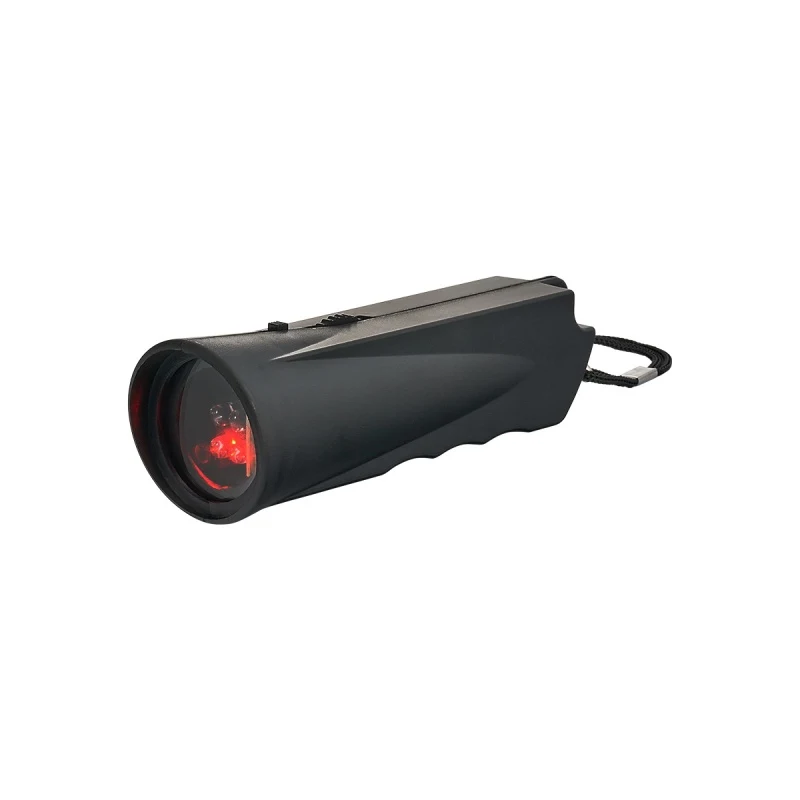
Astro Essentials Red Light Torch
The one thing every observing session expects you to have. White phone torches wreck dark adaptation for everyone within twenty metres. A proper red torch keeps you popular. If you buy nothing else before your first club night, buy this.
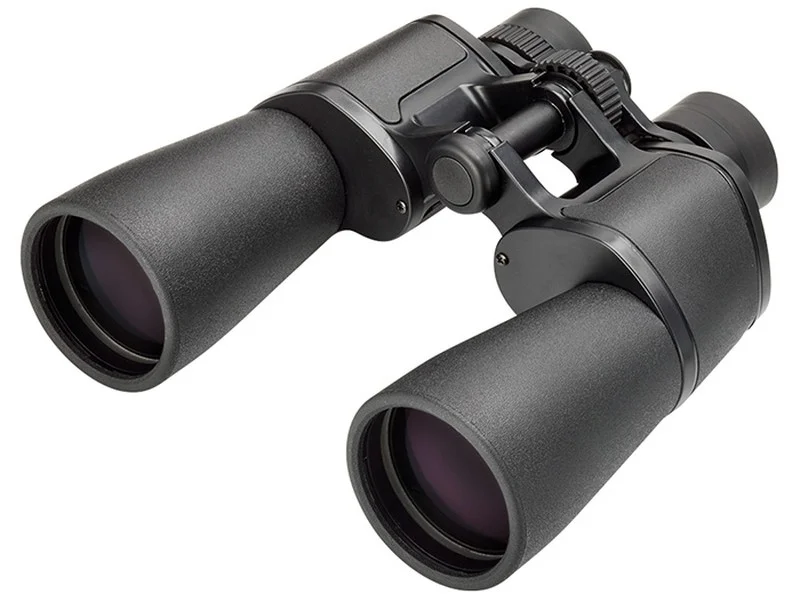
Binoculars earn their place at any club observing night. While you wait your turn at the telescopes, 10x50s will show you the Pleiades, the Double Cluster and the Milky Way star fields, and someone will happily point you at all three.
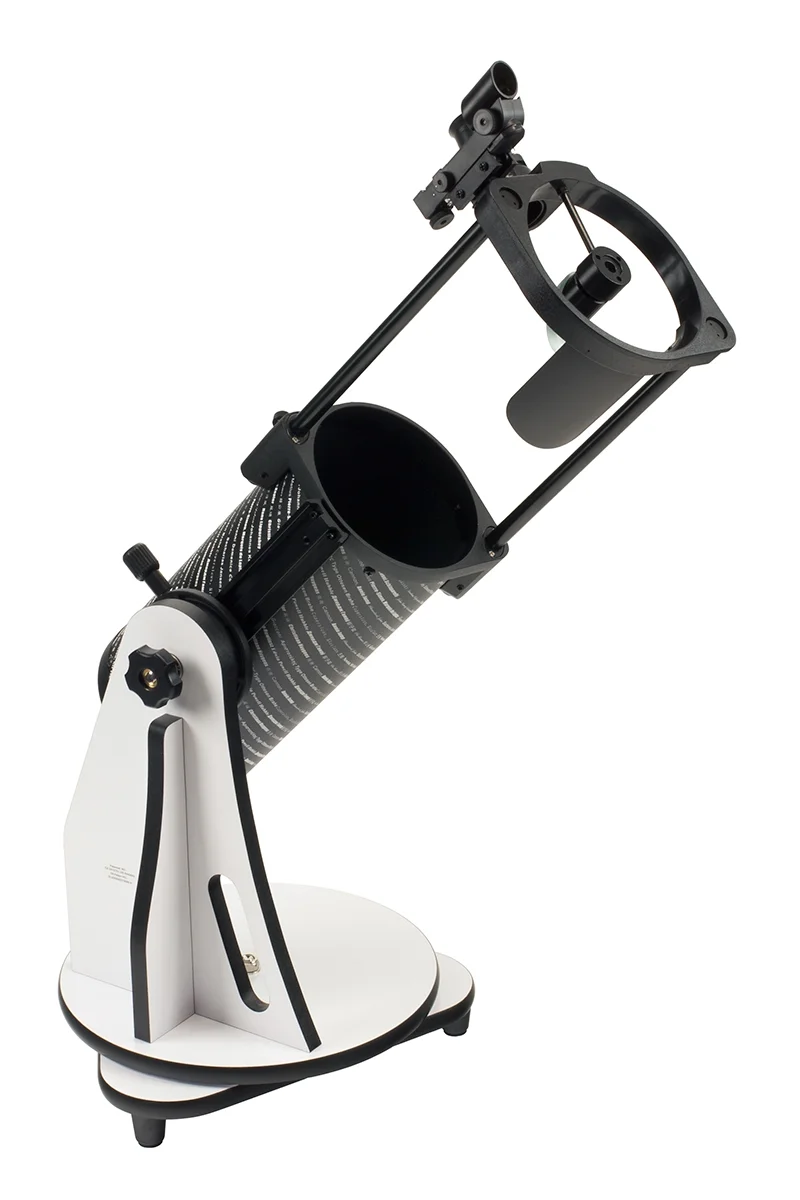
The scope club members most often recommend to beginners who ask. But ask them first: looking through half a dozen telescopes at a club night before buying is worth more than any review you'll read online.
Affiliate links: you pay the same price, we earn a small commission that helps keep WatchTheStars free.
Astronomy Clubs UK: Frequently Asked Questions
How do I find an astronomy club near me in the UK?
Use the map and directory at the top of this page: type your postcode and it ranks all 288 astronomy clubs in the UK and Ireland by distance, with a link to each club's website for meeting nights and contact details. The Federation of Astronomical Societies and astronomyclubs.co.uk also keep directories, and between them, most people in the UK will find a society within half an hour's drive.
How much does it cost to join an astronomy society?
Most local societies charge somewhere between £10 and £30 a year, with reduced rates for students, juniors and families. Nearly all of them let you attend a meeting or two as a guest before joining, so you can see whether the club suits you before paying anything.
Do I need a telescope to join an astronomy club?
No. Clubs are one of the best reasons NOT to buy a telescope yet. Members bring their own instruments to observing nights and are usually happy to let you look through them, and many societies lend telescopes, binoculars and red torches to members. Trying several scopes at a club night before spending your own money is the single best piece of buying advice in the hobby.
What is the SPARTA Astronomy Society?
The SPARTA Astronomy Society is a civil service astronomy club, run through SPARTA sports and recreation and open to any current or former civil servant from any department. It holds online talks from guest speakers over Microsoft Teams alongside in-person observing sessions, so members can take part from anywhere in the UK. Contact [email protected] to join.
Can beginners join the British Astronomical Association?
Yes, the BAA has no entry requirements and welcomes beginners. That said, its observing sections are aimed at people who want to contribute serious observations. If you are brand new, the Society for Popular Astronomy is designed specifically for beginners, and a local club gives you something neither national body can: people standing next to you at a telescope.
Can children join an astronomy club?
Yes. Most astronomy societies have junior or family membership at a reduced rate, and many run dedicated young astronomers' groups or family observing nights. Under-16s usually need an adult with them at evening meetings, so check the club's website first.
Do I need to be a member to attend an astronomy club talk?
Usually not for your first visit. Almost every UK and Irish astronomy society lets you attend a meeting or two as a guest, sometimes for a small door charge of a pound or two, before asking you to join. Just turn up and say you're new.
Do astronomy clubs meet online?
Many now do. Since 2020 a lot of UK societies have kept a hybrid format, streaming their monthly talks over Zoom or Teams while holding observing sessions in person. Some, like the SPARTA Astronomy Society, are built around online talks precisely because their members are spread across the country.