Is It a Full Moon Tonight? Moon Phase Tonight
What the Moon looks like right now, how much of it is lit, when it rises and sets where you are, and when it's next full.
The live panel below shows tonight's Moon phase, worked out from today's date. The next full Moon is the Hunter's Moon on 26 October 2026, and the next new Moon is on 9 November 2026. The Moon goes from new to full and back every 29.5 days, so a full Moon is never more than about two weeks away.
Tonight's Moon
Full and new Moons for the next 12 months
Times are UK local time. Full Moon is the best night for the Moon itself and the worst for everything else; the few nights around new Moon are when to plan a trip to a dark sky site, a meteor shower or a go at the Milky Way. Each month's full Moon has a traditional name, explained in our full moon names guide.
| Full Moon | Name | New Moon |
|---|---|---|
| Monday, 26 October 2026, 04:15 | Hunter's Moon | Monday, 9 November 2026, 07:04 |
| Tuesday, 24 November 2026, 14:59 | Beaver Moon | Wednesday, 9 December 2026, 00:54 |
| Thursday, 24 December 2026, 01:31 | Cold Moon | Thursday, 7 January 2027, 20:26 |
| Friday, 22 January 2027, 12:17 | Wolf Moon | Saturday, 6 February 2027, 15:57 |
| Saturday, 20 February 2027, 23:21 | Snow Moon | Monday, 8 March 2027, 09:30 |
| Monday, 22 March 2027, 10:43 | Worm Moon | Wednesday, 7 April 2027, 00:52 |
| Tuesday, 20 April 2027, 23:28 | Pink Moon | Thursday, 6 May 2027, 12:01 |
| Thursday, 20 May 2027, 12:00 | Flower Moon | Friday, 4 June 2027, 20:43 |
| Saturday, 19 June 2027, 01:45 | Strawberry Moon | Sunday, 4 July 2027, 04:05 |
| Sunday, 18 July 2027, 16:46 | Buck Moon | Monday, 2 August 2027, 11:07 |
| Tuesday, 17 August 2027, 08:31 | Sturgeon Moon | Tuesday, 31 August 2027, 18:43 |
| Thursday, 16 September 2027, 00:06 | Harvest Moon | Thursday, 30 September 2027, 03:38 |
How the Moon's phases work
The Moon makes no light of its own. Half of it is always lit by the Sun; what changes is how much of that lit half faces Earth as the Moon goes round us every 29.5 days. At new Moon it sits between us and the Sun, so the lit side faces away and we see nothing. A week later, at first quarter, we see half. At full Moon, Earth sits between the Moon and Sun and we see the whole lit face. Then it shrinks back through last quarter to new. The phase names in between are crescent (less than half lit) and gibbous (more than half), waxing while it grows and waning while it shrinks. Our moon phases guide goes deeper, and the Moon page covers what to look for on its surface.
A quick way to tell waxing from waning from the UK: if the lit side is on the right, the Moon is waxing and will be up in the evening. If the lit side is on the left, it's waning and you'll mostly see it after midnight or in the morning sky.
Which phase is best for what
For looking at the Moon: first quarter and the few nights after it. The terminator, the line between day and night on the Moon, runs down the middle, and every crater along it throws a long shadow. In a small telescope the view changes hour by hour. The hours just before first quarter are also when the Lunar X and Lunar V appear, two shapes picked out of the darkness by sunlight on crater rims. Full Moon is the worst night for detail: no shadows, and dazzling.
For stargazing: the week either side of new Moon, or any night after the Moon has set. A bright Moon can cut the number of visible stars by three-quarters and hides the Milky Way completely. Check your local conditions with our stargazing tonight tool, which combines Moon, cloud and light pollution into one score.
For photography: a crescent Moon at dusk with earthshine on the dark side, or a full Moon rising over a landscape, which is the easiest astrophoto there is. Our guide to photographing the Moon has settings for a phone, a camera and a telescope.
Kit for looking at the Moon
Kit we've tested and reviewed in full
The Moon is the one object that looks spectacular in anything. Binoculars show the big craters and the maria; a small telescope shows mountain ranges, rilles and crater walls along the terminator. See our equipment reviews for more.
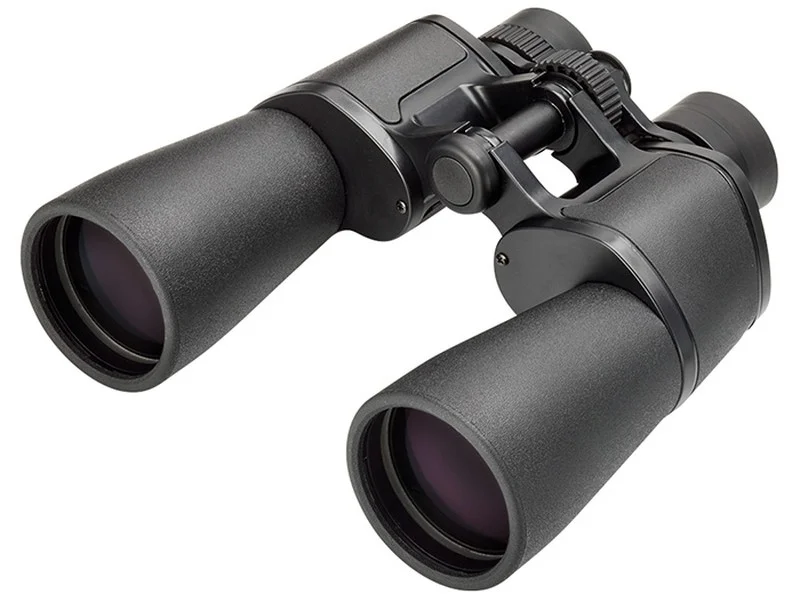
Hand-holdable 10×50s show the main craters, the dark plains and the ragged terminator. The pair we point most UK beginners to first.
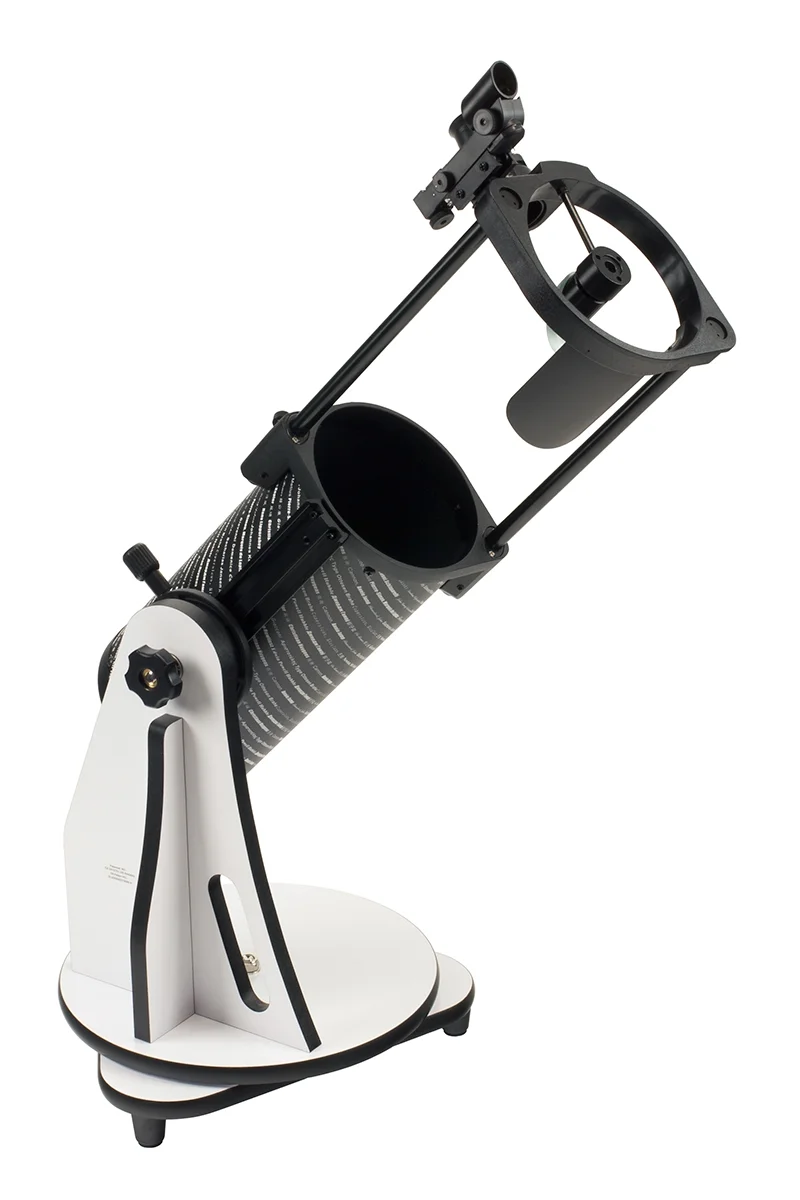
At 65× the Moon fills the eyepiece with craters, and it's the best-value first telescope we've tested. Watch the terminator move night by night.
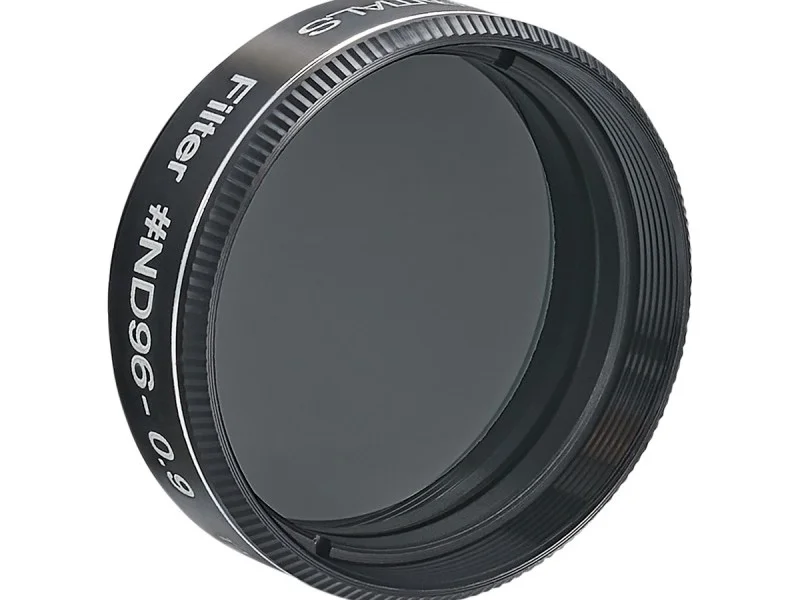
Astro Essentials ND96 Moon Filter
Anything past first quarter dazzles in a telescope. A moon filter drops the glare and pulls out detail, for the price of a paperback.
Affiliate links: you pay the same price, we earn a small commission that helps keep WatchTheStars free.