ISS Passes Tonight UK
When is the space station visible over the UK tonight? This tool shows the next seven days of ISS passes for your postcode: the minute it appears, where to look, how high and how bright.
How to read the ISS pass times
Each line is one pass. The time is when the station first becomes visible above 10 degrees, which is roughly a fist held at arm's length above the horizon; anything lower is usually behind trees and houses. "Appears in the SW" tells you where to look first. The height is the highest point of the pass measured in degrees above the horizon, and it is the single best guide to how good the pass will be: 90 is straight overhead, 45 is halfway up the sky, and anything over 40 is a pass worth going out for. Brightness follows height, because a high pass means the station is closer to you and its huge solar panels catch more sunlight.
"Fades out" means the ISS flies into Earth's shadow part-way across the sky and vanishes in a few seconds, which is normal for evening passes and one of the best bits to watch. "Appears from shadow" is the morning version: the station is already high up when the Sun's light reaches it and it seems to switch on mid-sky. Passes are worked out for your exact postcode from the station's current orbital elements, downloaded from CelesTrak when the page loads, so the timings should be good to a few seconds for the next several days. Our guide to spotting the ISS has photos of what to expect.
What the ISS looks like
A single, steady, white point of light, brighter than any star on a good pass, moving smoothly and silently from west to east at about the speed of a high aircraft. No flashing lights, no colour, no sound. It takes two to six minutes to cross the sky. If what you're watching blinks, has red or green lights, or moves east to west, it's a plane or a satellite that isn't the ISS. Nothing else in the sky is as bright and as fast at the same time, which is why the station gets reported as a UFO more than anything else up there; our UAP research section has a few of those cases.
Starlink satellites are the other thing people confuse with it. They are much fainter, and just after a launch they travel in a line of dozens of dots, the so-called Starlink train. The ISS is always alone and always far brighter.
Why isn't the ISS visible over the UK every night?
The station orbits every 93 minutes, so it flies over the UK several times a day. You only see it when three things line up: it is above your horizon, it is in sunlight, and you are in darkness. That combination only happens in the hour or two after sunset or before sunrise. Because each day's passes arrive 20 to 25 minutes earlier than the day before, the UK gets a run of evening passes for a week or so, then a gap while they fall in daylight, then a run of morning passes. Around the solstices, when the Sun never gets far below the horizon, the station can stay lit all night and you get passes at 1am. The tool above handles all of this; if it shows nothing for seven days, that's a real gap, and it will come back.
Cloud is the other variable. Check the sky for your postcode with our stargazing tonight tool before you go out, and if the pass is low, find somewhere with a clear view towards the direction it appears.
Watching an ISS pass, and what to do with the other 23 hours
Kit we've tested and reviewed in full
You don't need any kit for the space station itself. But a pass is a two-minute event, and the rest of the night is still up there. See our equipment reviews for more.
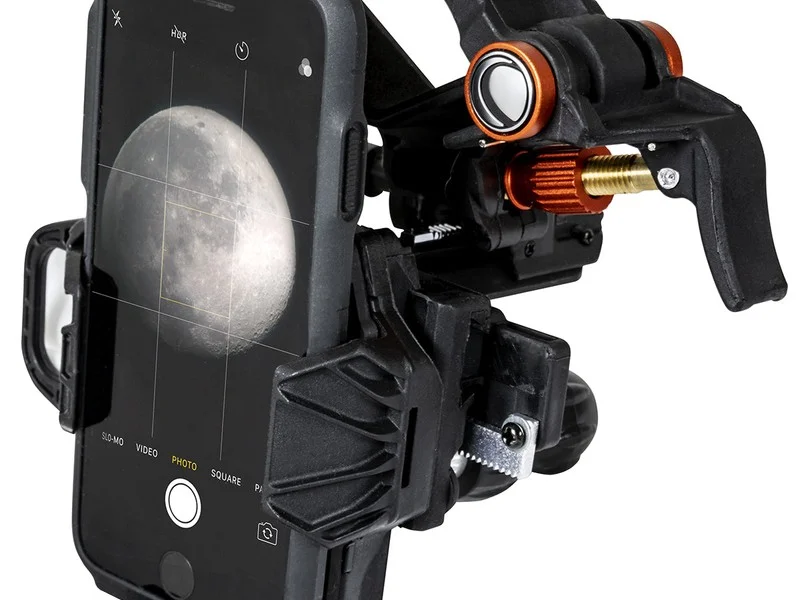
Celestron NexYZ Smartphone Adapter
Clamp a phone to any tripod, set night mode or a 15-second exposure, and the ISS draws a bright line across the stars. Doubles as a phone-to-eyepiece adapter.
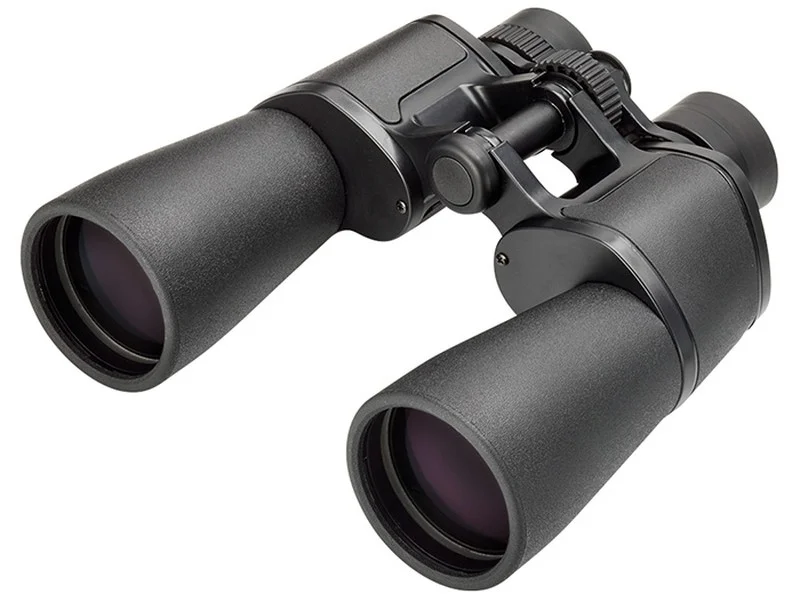
Once the station's gone, a 10×50 shows the Moon's craters, Jupiter's moons and the star clusters overhead. The pair we point most UK beginners to first.
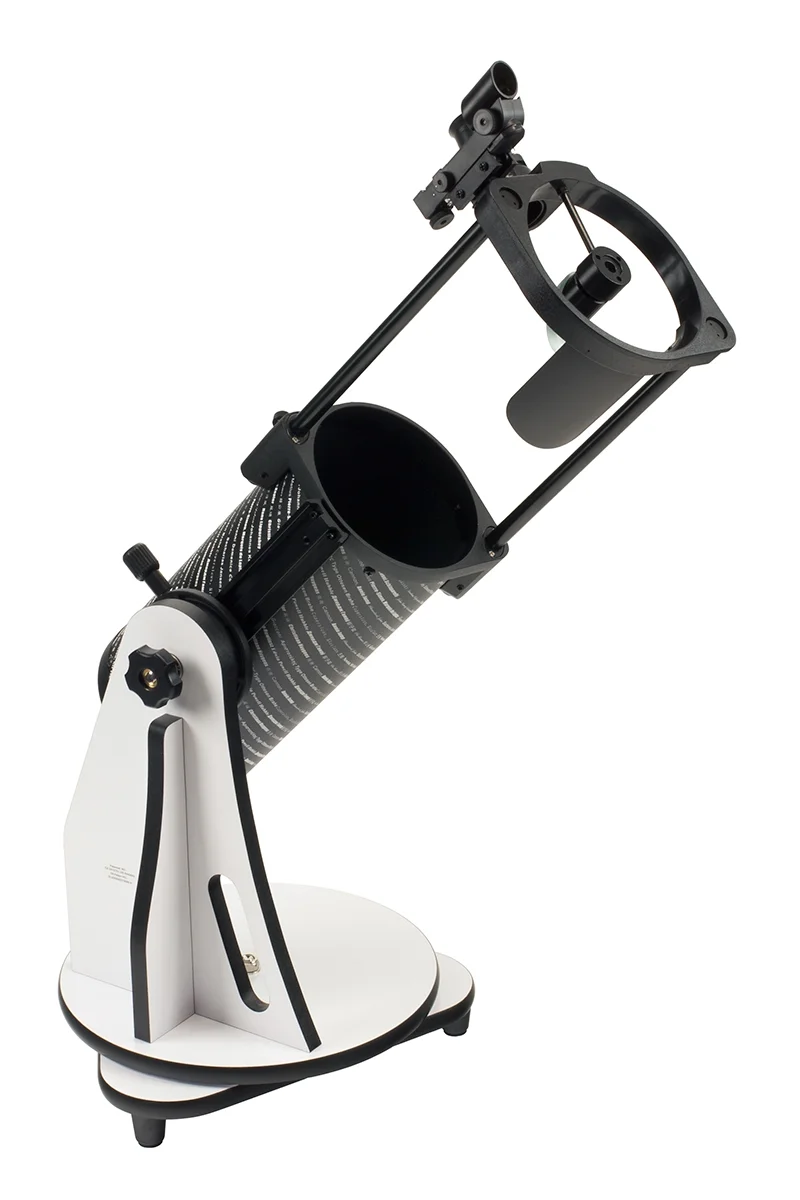
Not for the ISS, which moves too fast, but the best-value first telescope we've tested for everything that doesn't.
Full guide: how to spot the ISS
Honest, research-based recommendations for every budget.
Browse all →Affiliate links: you pay the same price, we earn a small commission that helps keep WatchTheStars free.