Key takeaways
- David Grusch stood on the Capitol steps today alongside Reps. Burchett, Luna, Burlison, and Moskowitz: four bipartisan members of Congress
- Grusch has already named specific classified UAP files to intelligence oversight bodies: today's demand is that Trump now declassify them
- Three demands: presidential declassification of named files, passage of the UAP Disclosure Act, stronger whistleblower protections
- Over one billion people have accessed the PURSUE portal releases, but advocates say the files that really matter are still being withheld
- Investigative journalist Ross Coulthart called the event 'drawing a line in the sand'
Jump to section 6 sections
What Happened on the Capitol Steps Today
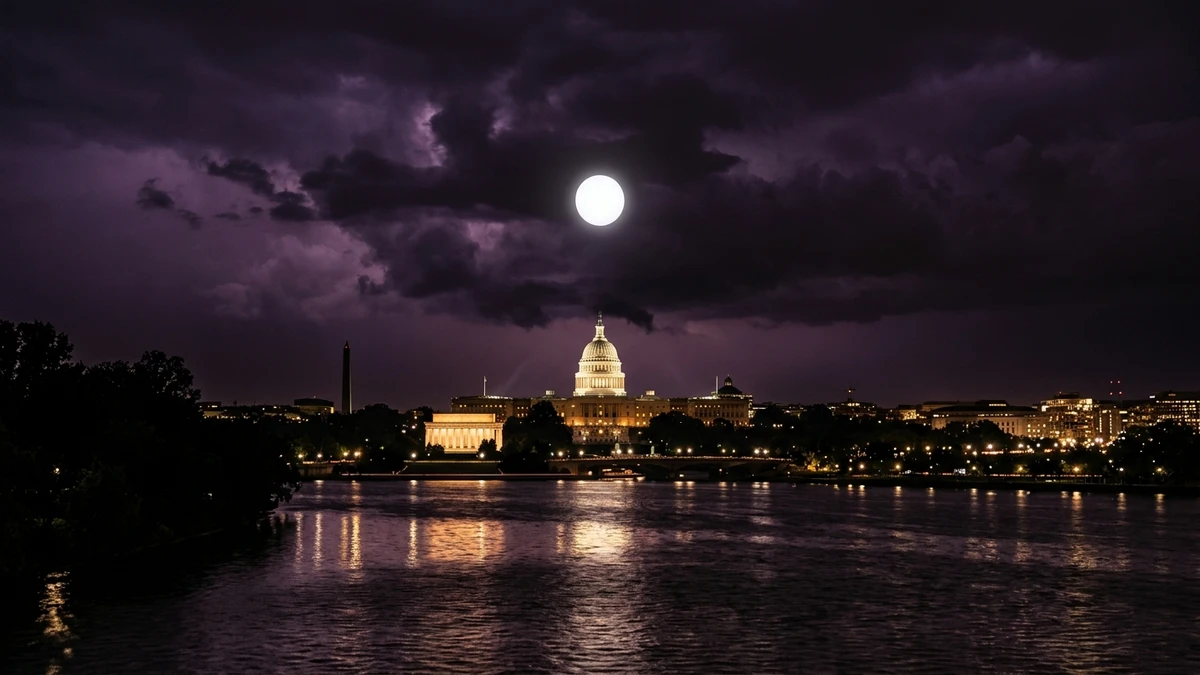
At 1:00 PM ET today, four members of Congress stood on the steps of the US Capitol alongside David Grusch, the former intelligence officer who blew the whistle on secret UAP programmes in 2023, and issued a direct ultimatum to the White House and the intelligence community.
The event was hosted by investigative journalist Leslie Kean and documentary filmmaker James Fox. On the steps with Grusch: Representatives Eric Burlison (Missouri), Jared Moskowitz (Florida), Anna Paulina Luna (Florida), and Tim Burchett (Tennessee). Burchett and Moskowitz co-chair the House UAP Caucus. Luna chairs the Task Force on the Declassification of Federal Secrets. These aren't backbenchers with nothing better to do. This is the core of congressional UFO oversight.
This wasn't a hearing. It wasn't closed-door testimony. It was a deliberate, very public statement that elected representatives are no longer willing to wait on the pace of UFO disclosure, said out loud, on camera, at the most recognisable building in American politics.
"President Trump now has a historic opportunity," Grusch said. "This press conference is about moving from testimony to action. Let the American people judge the facts for themselves."
What Grusch and Congress Are Demanding
The press conference put three specific demands on the table. They're not vague calls for transparency. They're targeted.
1. Presidential declassification of named files. This is the sharpest demand, and it's worth understanding exactly what it means. Grusch hasn't just said "there are secret UFO files out there." He has already provided intelligence oversight bodies with the specific names of classified UAP files he believes should be released. The paperwork exists. The proper channels have been used. Today's ask is simply that President Trump follow through and order those specific files opened.
2. Congressional passage of the UAP Disclosure Act. This is formal legislation based on the Schumer-Rounds bill, but with the enforcement mechanisms that were stripped from the 2024 version restored. It would set up a proper legal pathway for release, rather than the current situation where disclosure depends entirely on executive goodwill and can be stalled by career officials indefinitely.
3. Stronger whistleblower protections and international coordination. Grusch has described what happened to him after he came forward as "administrative terrorism": clearance complications, career damage, professional isolation. The third demand would close the legal gaps that allow intelligence agencies to punish officials who report UAP evidence through legitimate channels. It also calls on allied governments to share their own UAP evidence.
Rep. Eric Burlison put it plainly: "President Trump is the first president to take concrete steps towards transparency on UAP. The recent releases are an important start, so now it's the obligation of Congress to make sure career intelligence officials don't obstruct his directive, in order to prevent selective disclosure or another dead end."
That word, selective, is the one to focus on. The concern isn't just that information is being held back. It's that without a legal framework, intelligence agencies get to choose what gets released and what doesn't. Legislation takes that choice away from them.
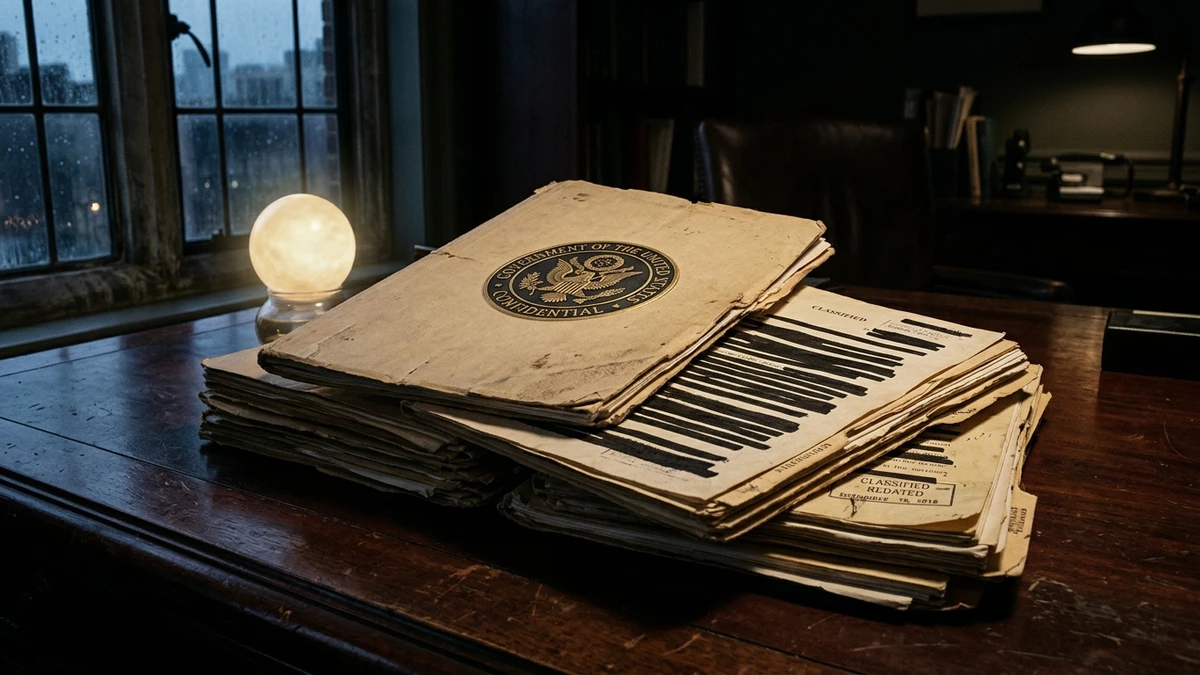
Forget the Files. Go See Something for Yourself Tonight.
Kit we've tested and reviewed in full
Waiting on Washington to open a filing cabinet is one way to spend an evening. Standing outside with a pair of binoculars is a much more productive one. Here's what we'd recommend.
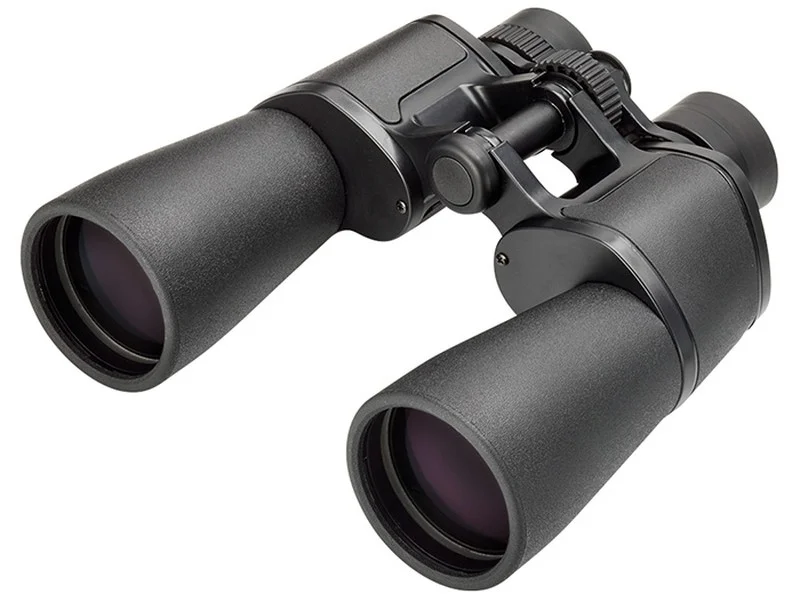
A sensible, affordable pair to keep by the door. If Congress is going to take years arguing over declassification, you may as well get some practice spotting things in the meantime.
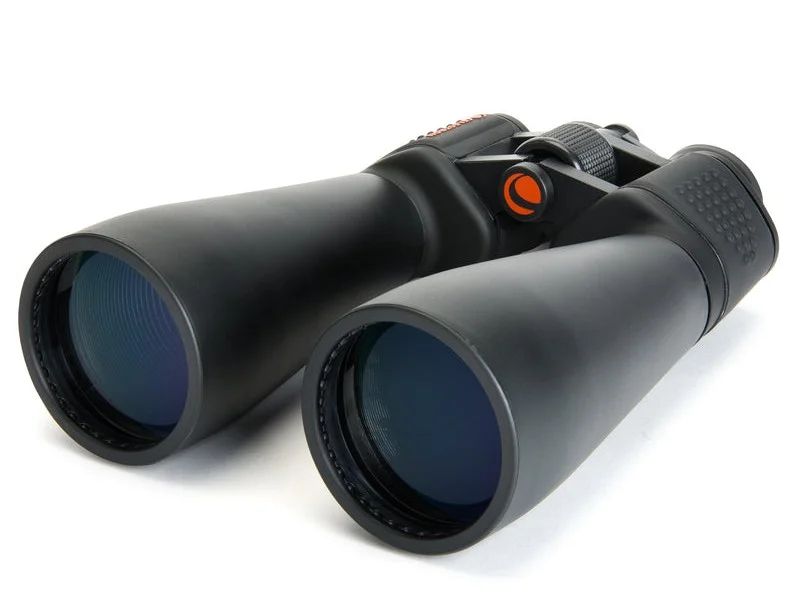
Grusch talks about programmes that have run for decades in secret. These binoculars won't crack that, but they'll pull in far more light than your eyes alone when you're watching the sky yourself.
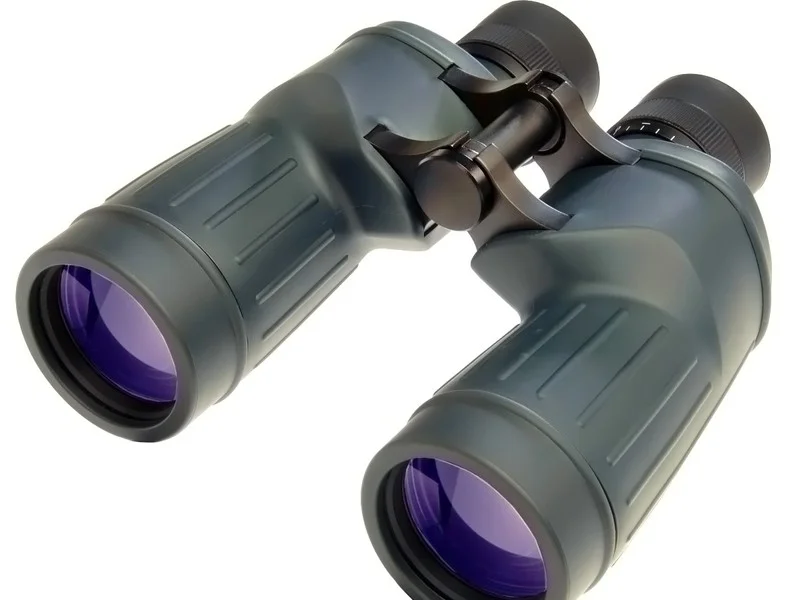
Sharper glass for anyone who takes this stuff seriously enough to want a proper record of what they've seen. Better optics mean fewer "was that a plane?" moments.
Affiliate links: you pay the same price, we earn a small commission that helps keep WatchTheStars free.
Who Is David Grusch?
If you're coming to this story fresh, David Grusch is not a fringe figure. He's a decorated former US Air Force officer and National Geospatial-Intelligence Agency official who held some of the highest security clearances in the US government.
In July 2023, he testified under oath before the House Committee on Oversight and Accountability that the United States has run multi-decade crash retrieval and reverse-engineering programmes involving non-human technology: programmes that have operated outside normal congressional oversight. He said he'd personally interviewed over 40 people with firsthand knowledge of these operations and had identified specific locations where recovered materials are allegedly still held.
These aren't vague impressions or secondhand rumours. Grusch gave this information to the Intelligence Community Inspector General and to congressional intelligence committees: official channels with legal standing. That documented paper trail is what today's event was built on.
He's also paid a personal price for it. Clearance complications, professional retaliation, career damage: not the kind of experience someone has when their claims aren't taken seriously. You don't go to the trouble of persecuting someone who poses no real threat.
Why the UFO File Releases Still Aren't Enough
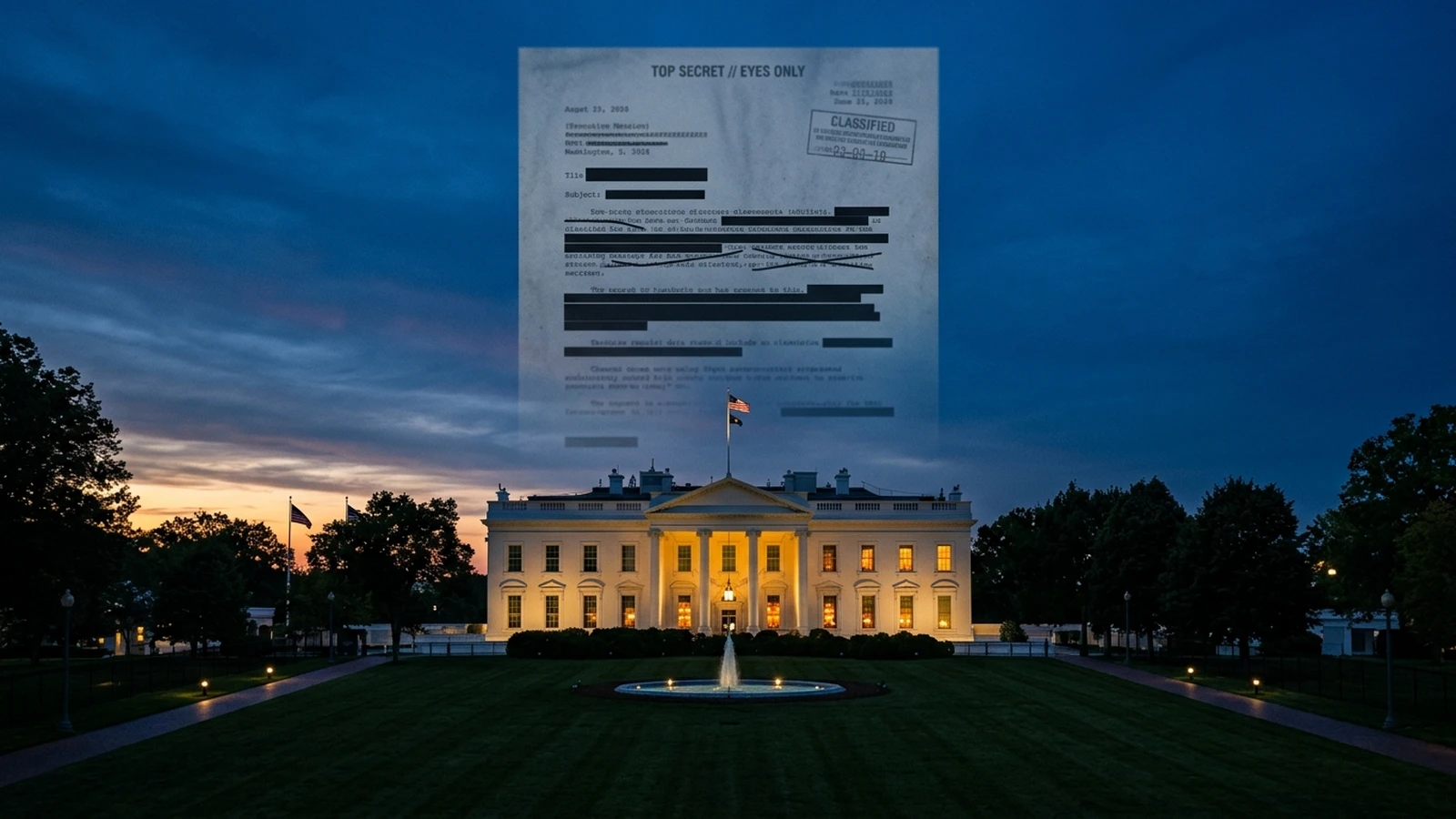
Looking at what's already happened, it's easy to think the disclosure process is on track. President Trump's May 2026 directive launched the PURSUE portal, the Presidential Unsealing and Reporting System for UAP Encounters, and over a billion people worldwide have now accessed pilot reports, declassified videos, and historical documents through it.
We covered what those files actually contained when the first batch came out, and the DoD's own videos are genuinely striking. Real progress has been made.
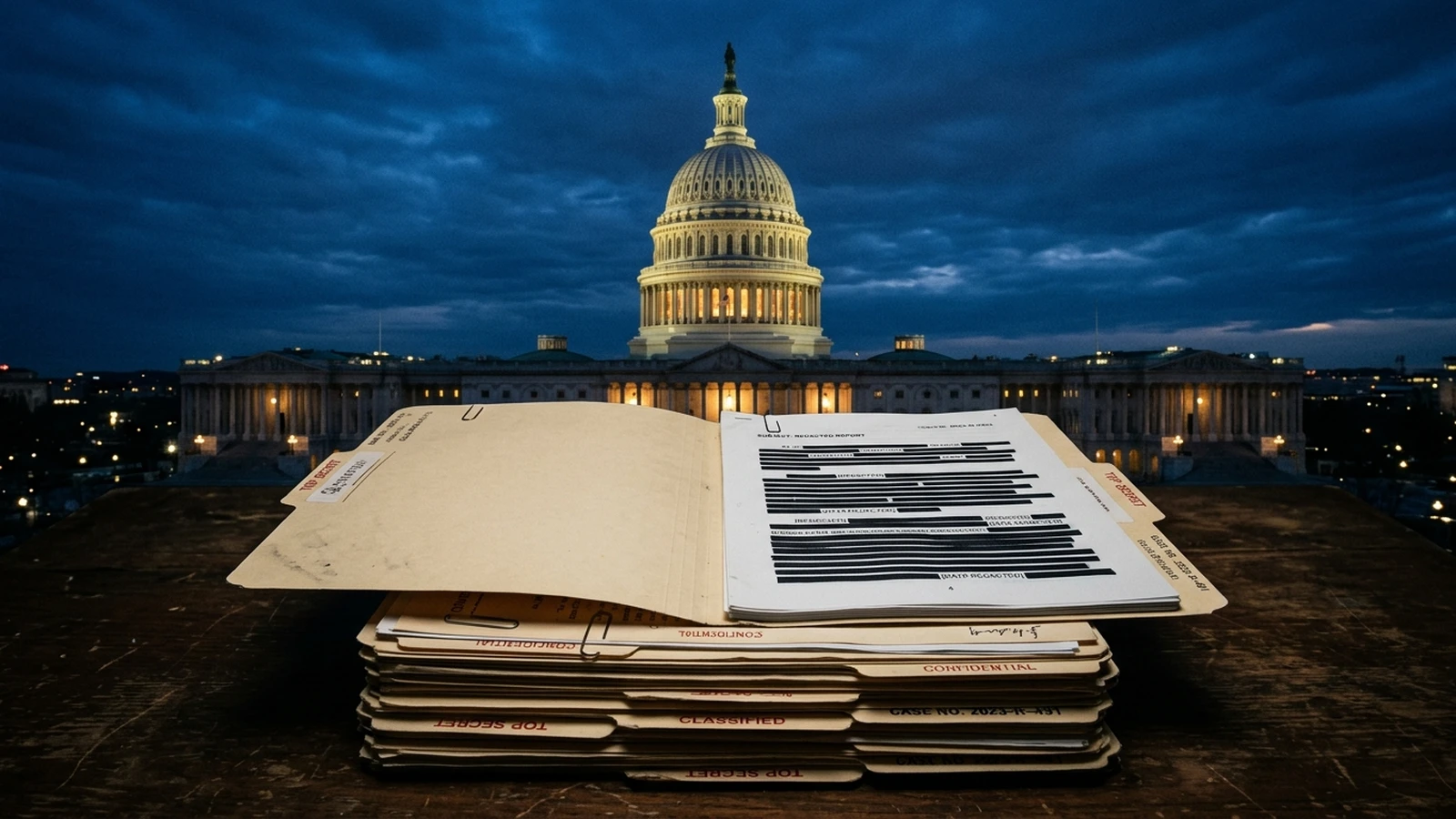
But the position of Grusch and the lawmakers standing with him is that what's been released so far is the easy material: things that were already known about and could be safely made public. The deeper files, the ones Grusch has specifically named in classified briefings, haven't appeared.
Ross Coulthart, a NewsNation investigative journalist who has reported on UAP for years, described June 9 as "drawing a line in the sand." He told NewsNation Prime: "David's commendably showing leadership this coming Tuesday, basically saying it's time for the government to put its money where its mouth is and back its promises with good, hard legislation."
James Fox, one of the event's hosts, framed it simply: "The public deserves real answers, Congress deserves access, and reality should not be classified. If our requests are fulfilled, this could change the course of history."
Who's Blocking UFO Disclosure?
The same problem shows up at every stage of this story, going back decades: the people responsible for releasing classified UAP information are often the same people who classified it in the first place.
Members of Congress with the right clearances have previously been denied access to classified UAP briefings. Grusch's own experience after coming forward, what he described as career attacks and professional isolation, became a concrete enough problem that the 2024 National Defense Authorization Act included UAP-specific whistleblower protections. Congress effectively acknowledged, in law, that secrecy had been used to suppress legitimate testimony.
The problem isn't just that files were classified in the first place. It's that every step toward disclosure runs into resistance from the same bureaucratic structures that did the classifying. Burlison's warning about "career intelligence officials" obstructing Trump's directive isn't speculation. It's based on what lawmakers have seen happen.
That's the argument for legislation over executive orders. A presidential directive can be slow-walked, partially implemented, or buried in procedural objections for years. A law with real enforcement mechanisms cannot.
What Happens Next for UAP Disclosure
Honestly? We don't know. The history of UAP disclosure is full of compelling moments followed by institutional silence. There's no guarantee today breaks that pattern.
What's changed compared to previous moments is the political context. Trump's May directive was real: it created a portal, released actual files, and gave a billion people access to declassified government materials. The people on the Capitol steps today aren't outsiders: Burchett and Moskowitz have been working this issue for years, Luna has been inside the classified briefings, Burlison is targeting private defence contractors who may be holding UAP materials. They have standing that previous advocates didn't.
The demands are also unusually specific. "Release the UFO files" is easy to ignore. "Release the specific files Grusch already named by name to the IC Inspector General" is a much harder thing to answer with a press release about ongoing reviews.
Whether today turns out to be the start of something real, or just another promising moment that quietly fades, that's the only question that matters now. The lines are drawn. The names are on record. The cameras were there.
Now it's Trump's move.
Sources:
- Grusch at the Capitol: UAP Disclosure Demands June 9, 2026, The Exclusion Zone
- Capitol Press Conference: Grusch and Lawmakers Demand Disclosure, Unidentified Phenomena
- UAP disclosure: Washington news conference June 9 to demand transparency, NewsNation
- David Grusch Returns To Capitol Steps As UFO Disclosure Fight Moves From Testimony To Action, USA Herald
- Push for UAP Transparency Intensifies, PR Newswire
Frequently Asked Questions
Equipment guides
Related topics
Ian ClaytonAmateur astronomer and founder of WatchTheStars.co.uk, dedicated to helping others explore the wonders of our universe. Full profile →