Key takeaways
- The FCC has licensed Reflect Orbital to launch Eärendil-1, its first demonstration space mirror, later this year
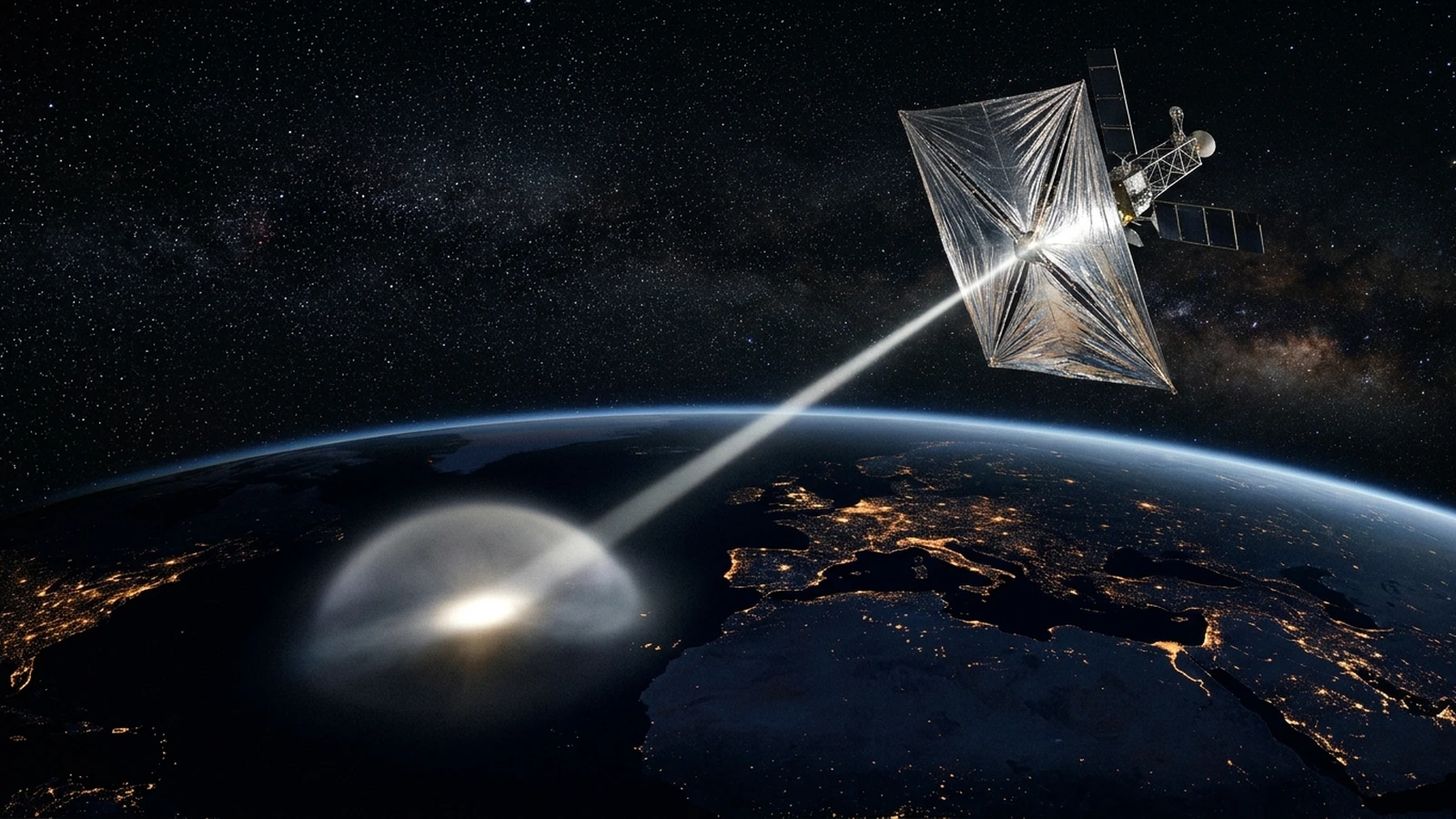
- The satellite will unfurl an 18-metre mylar mirror 625km up and bounce sunlight onto a moving 5km spot on the night side of Earth
- Reflect Orbital wants 50,000 or more mirrors in orbit by 2035, selling light to solar farms, construction sites and cities
- Astronomers, DarkSky International and the UK's Royal Astronomical Society are strongly opposed, warning of a new kind of light pollution
- The UK sits near the latitudes predicted to suffer the worst satellite light pollution, so British stargazers have a real stake in this
Jump to section 6 sections
- Reflect Orbital's Space Mirror: What Just Got Approved
- How Do Space Mirrors Work? Sunlight After Dark Explained
- Why Astronomers Are Alarmed by 50,000 Space Mirrors
- Will Space Mirrors Affect Stargazing in the UK?
- What Reflect Orbital Says About Safety
- What Happens Next: Eärendil-1 Launches Later This Year
Reflect Orbital's Space Mirror: What Just Got Approved
On 10 July 2026, the US Federal Communications Commission licensed a California startup called Reflect Orbital to launch and operate its first space mirror. The satellite, named Eärendil-1, will unfurl a reflective sheet about 18 metres on a side, catch sunlight from orbit, and bounce it down onto the night side of Earth. It's expected to fly later this year.
One demonstration satellite is not, by itself, a big deal. What makes this approval matter is the plan behind it. Reflect Orbital wants 50,000 or more of these mirrors in low Earth orbit by 2035, selling sunlight after dark to anyone who'll pay for it. The FCC licence is the first regulatory green light that plan has ever received.
"We're grateful to the FCC for recognizing the importance of testing novel technologies in space," said Ben Nowack, the company's co-founder and CEO. "We're excited to demonstrate how our technology works and to introduce transformative, clean technology the world urgently needs."
Astronomers see it rather differently. To them, this is the moment a company got official permission to test switching the night sky on.
How Do Space Mirrors Work? Sunlight After Dark Explained
The idea is old, Russia flew a small experimental reflector called Znamya-2 back in 1993, but the engineering here is new. Eärendil-1 is a small satellite carrying a folded sheet of aluminised mylar, the shiny material used in emergency blankets. Once in orbit around 625km up, it unfurls the sheet into a taut 18-metre square mirror weighing about 16kg.
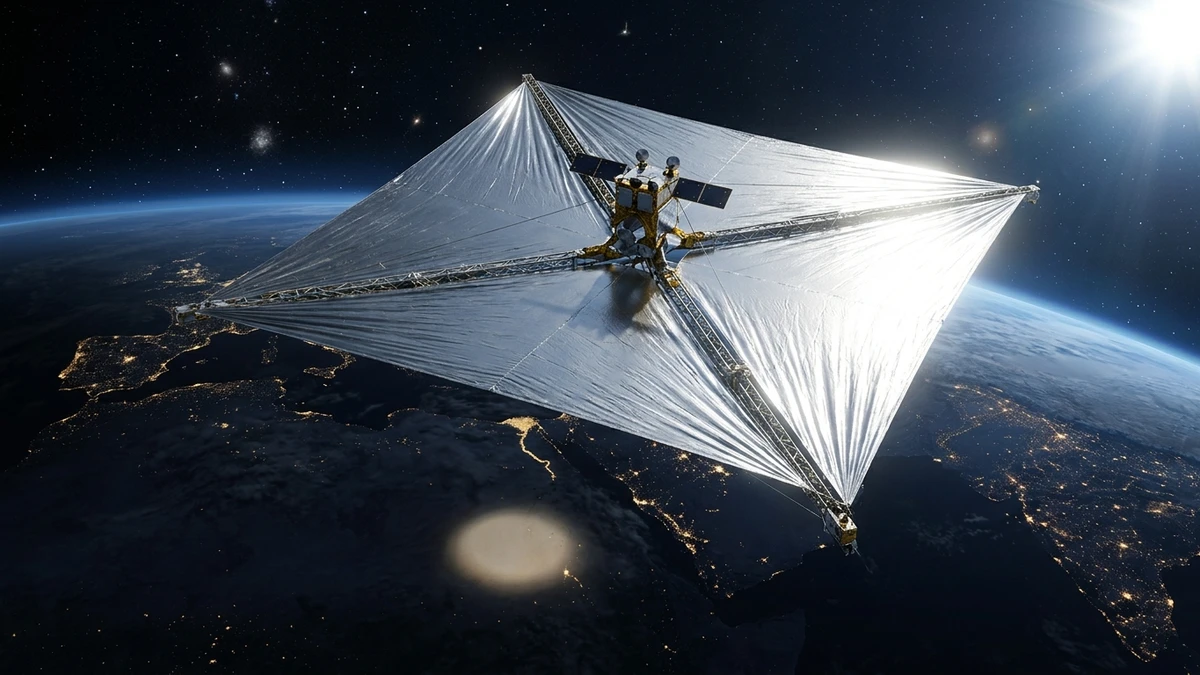
Because the satellite flies along the line between day and night, its mirror stays in sunlight while the ground below sits in darkness. Tilt the mirror correctly and you can paint a spot of reflected sunlight, roughly 5km across, onto the ground. The spot moves with the satellite, so any one location only gets a few minutes of light per pass. A useful service needs many mirrors handing over from one to the next, which is exactly why the company's ambitions run to five figures.
How bright is the spot? Reflect Orbital says about 0.1 lux, similar to a full moon. Others put it higher. "The beam reflected by these satellites is very intense, four times brighter than the full moon, and they will be flying multiple satellites in a formation," John Barentine, an astronomer and dark-sky consultant in Arizona, told Space.com.
The company's pitch is that this light is worth money. Solar farms could keep generating into the evening. Construction crews could work through the night. Search-and-rescue teams could light a hillside on demand. "Imagine the endless possibilities when sunlight is not limited by geography or time of day," the company's website says.
Why Astronomers Are Alarmed by 50,000 Space Mirrors
The short answer: it's deliberate light pollution, at orbital scale, on top of a night sky already filling up with satellites.
Astronomers' biggest concern is what tens of thousands of large flat reflectors would do to the sky as a whole. Even when a mirror isn't aiming at you, it can catch the Sun and flare, appearing as a brilliant moving "star". Studies of the planned constellation suggest overall sky brightness would rise enough that professional telescopes would need to triple their exposure times. As one researcher put it, "we wouldn't be able to observe our faint targets anymore."
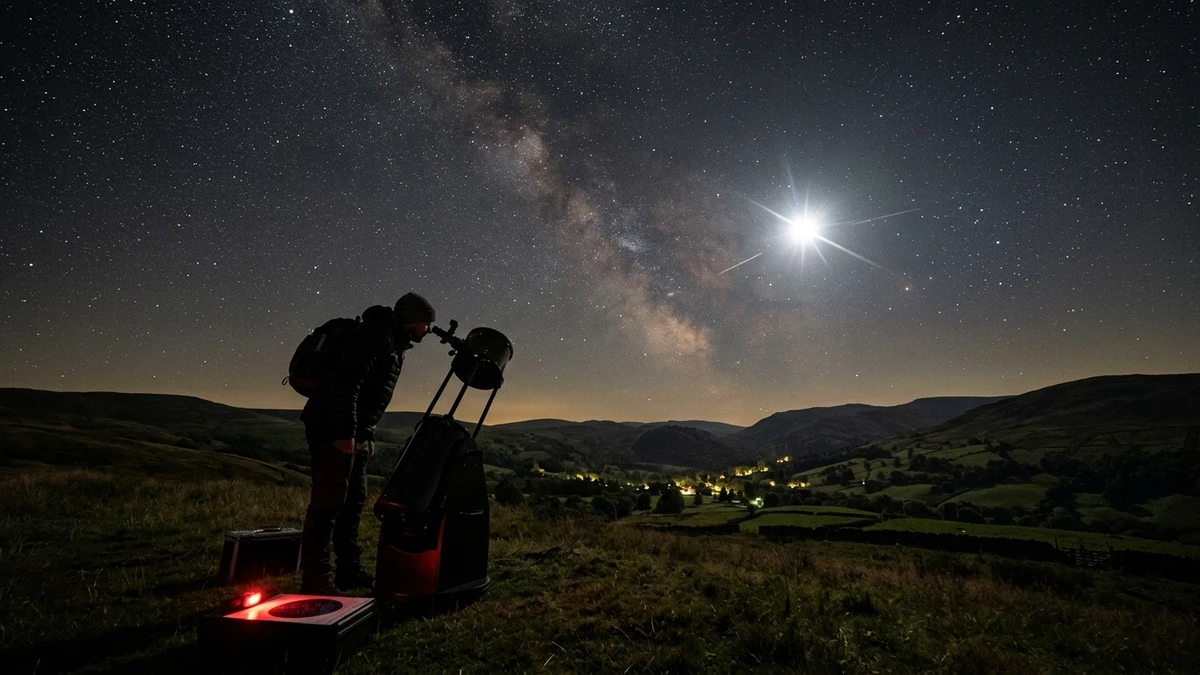
The opposition is not fringe. DarkSky International, the organisation behind the world's dark-sky reserves, has issued a formal statement opposing the whole concept of orbital illumination. The European Southern Observatory has warned that the coming wave of proposals (a million satellites across all constellations, plus mirrors) poses a "grave threat" to the night sky.
The UK's astronomy establishment has weighed in too. Robert Massey, deputy executive director of the Royal Astronomical Society, said the community is "seriously concerned about the development, its impact and the precedent it sets." Noelia Noel, an astrophysicist at the University of Surrey, called the proposals "a critical moment in how we manage humanity's presence in space", warning that deliberately illuminating the Earth from orbit "risks fundamentally altering the night sky" with consequences for astronomy, ecosystems and our cultural relationship with the cosmos.
That ecosystem point deserves more attention than it usually gets. Moths, migrating birds, bats, sea turtles and countless other species navigate and feed by natural light cycles. A moving 5km pool of artificial moonlight, plus a brighter sky everywhere else through atmospheric scattering, is a genuinely new kind of disturbance. Nobody has studied what it does, because nothing like it has ever existed.
Will Space Mirrors Affect Stargazing in the UK?
Here's the uncomfortable bit for British readers: if satellite light pollution has a worst-case latitude, we live at it.
A 2021 study modelling near-future megaconstellations found that sky pollution from satellites peaks for observers near 50 degrees latitude, because that's where the geometry of common orbits concentrates sunlit satellites in the twilight sky. The UK spans roughly 50 to 59 degrees north. On summer nights, when our sky never gets fully dark, satellites stay lit up for hours: anyone who has watched a Starlink train from a British back garden has already seen the preview.
Reflect Orbital says its beams will only go where customers pay, and sensitive sites can be avoided. But UK stargazers wouldn't need to be under a beam to notice the constellation. The hardware simply existing overhead is enough to brighten the sky and spoil long-exposure photos, whichever way it's pointing.
For now, nothing changes. One demonstration mirror won't dent the darkness. The time to pay attention is between now and the constellation decision: a single test satellite is how every megaconstellation started.
Enjoy the dark sky while it's still dark
Kit we've tested and reviewed in full
Satellites are easy to spot with the naked eye, but the real treasures (star clusters, the Milky Way, faint comets) need a bit of glass. Here's what we'd take outside (our July night sky guide has this month's best targets).
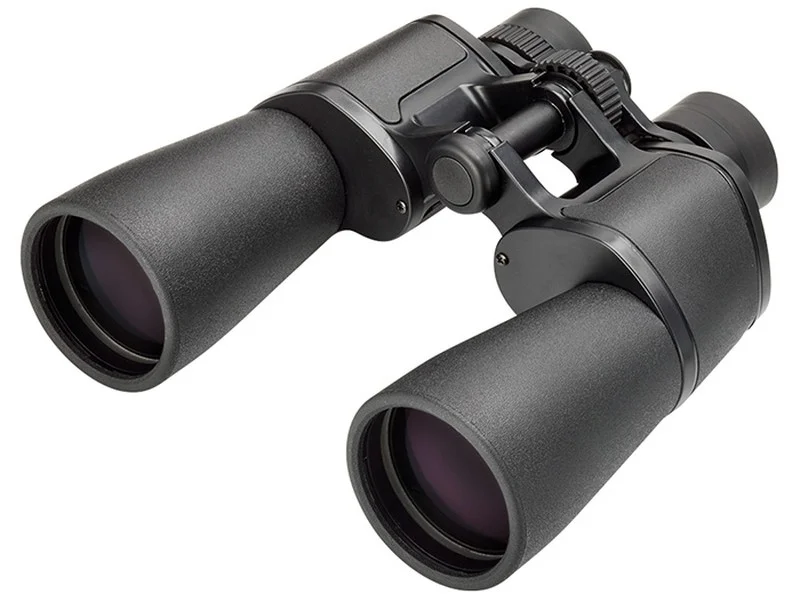
Wide, bright views for sweeping the summer Milky Way, and sharp enough to follow a satellite flare across the sky.
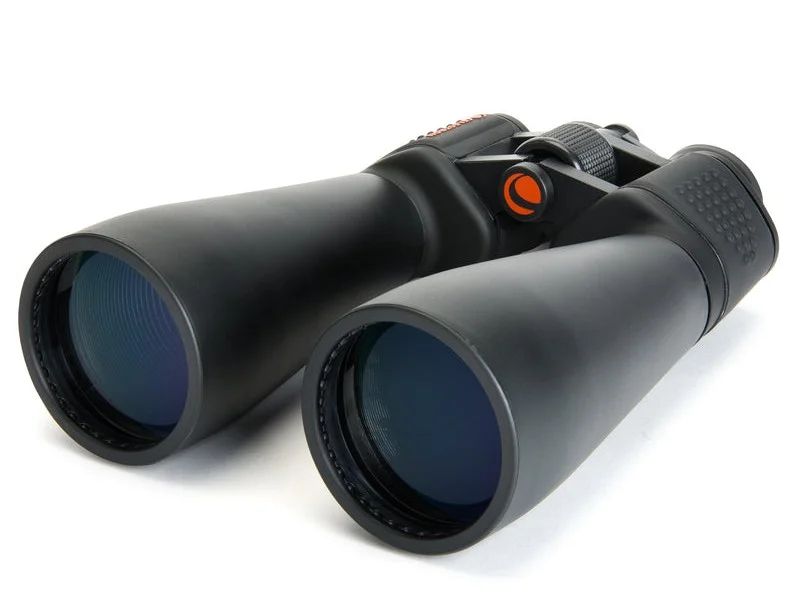
Big 70mm objectives pull in faint clusters and nebulae from a dark site: the views a crowded orbit puts at risk.
Affiliate links: you pay the same price, we earn a small commission that helps keep WatchTheStars free.
What Reflect Orbital Says About Safety
To be fair to the company, it has published answers to the obvious objections. Reflect Orbital says its light stays contained within the target spot, can be switched off at any moment, and will deliberately avoid sensitive areas such as research observatories and protected habitats. It also says the beam "is not bright enough to start fires or harm eyes, even when viewed through a telescope", and can't be concentrated beyond the strength of ordinary daylight.
Those are real safeguards, and the FCC licence exists partly to test whether they work as claimed. The catch is that they address the beam, not the constellation. Turning the light off doesn't make an 18-metre mirror invisible. It still glints when it catches the Sun, and it still leaves trails through astrophotos. And promises about avoiding observatories say nothing about the millions of ordinary people who simply like seeing the stars from their garden.
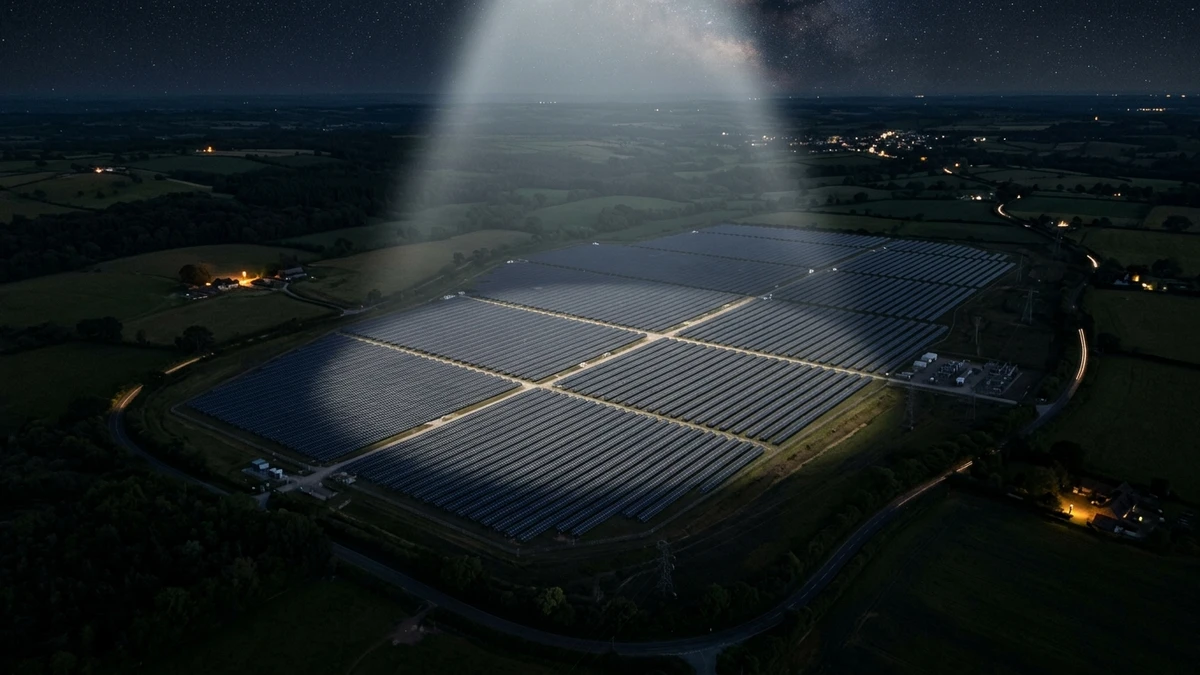
There's also an honest debate to be had about the upside. If orbital mirrors genuinely extended solar farm output, that's carbon-free electricity at exactly the hours grids struggle with. The company frames this as clean technology the world urgently needs. Critics respond that batteries already solve evening solar supply without touching the sky, and that the climate case hasn't been demonstrated in public. Both things can be true; that's what a demonstration mission is supposed to sort out.
What Happens Next: Eärendil-1 Launches Later This Year
Eärendil-1 is expected to launch in the second half of 2026. The demonstration plan calls for the satellite to illuminate around ten locations worldwide, proving it can unfurl the mirror, hold the beam steady, and switch it off cleanly. If those tests succeed, expect Reflect Orbital to move quickly toward its constellation application, and expect the astronomy world to fight it at every regulatory step.
Keep an eye out for the satellite itself once it's up. If it behaves like other large reflectors, it will produce spectacular flares visible from the UK, and we'll publish pass predictions when they become available.
The night sky has survived a lot: city lights, aircraft, and 12,000-odd working satellites. Whether it can absorb 50,000 deliberate mirrors is a question we're all about to help answer. If you'd like a reminder of what's at stake, take ten minutes outside tonight with our July night sky guide. It's all still up there.
Sources:
- The FCC just gave Reflect Orbital permission to launch its 1st space mirror to orbit · Space.com
- Reflect Orbital Cleared to Fly In-Orbit Mirror by FCC · Payload
- Controversial startup's plan to 'sell sunlight' using giant mirrors would be 'catastrophic', astronomers warn · Live Science
- DarkSky International opposes Reflect Orbital's proposed orbital illumination system · DarkSky International
- "Beyond the limit": one million satellites and mirrors in space pose grave threat to the night sky · ESO
- Visibility Predictions for Near-Future Satellite Megaconstellations · arXiv
Frequently Asked Questions
Equipment guides
Related topics
Ian ClaytonAmateur astronomer and founder of WatchTheStars.co.uk, dedicated to helping others explore the wonders of our universe. Full profile →