Key takeaways
- LINK, the robot sent to save NASA's falling Swift telescope, started spinning in late July after an electrical fault knocked out two of its three reaction wheels
- Engineers have cut the spin from nine degrees a second to four using LINK's thrusters, and the spacecraft is still powered and talking to the ground
- The rendezvous with Swift has slipped from early August to late August at the earliest
- Swift must stay above roughly 300km for a rescue to work, and it's expected to fall below that line this autumn, so the margin is thin but not gone
- NASA administrator Jared Isaacman says the agency is 'not giving up yet'
Jump to section 5 sections
Swift Rescue Mission Update: What's Gone Wrong
The mission sent to rescue a falling space telescope now needs rescuing itself.
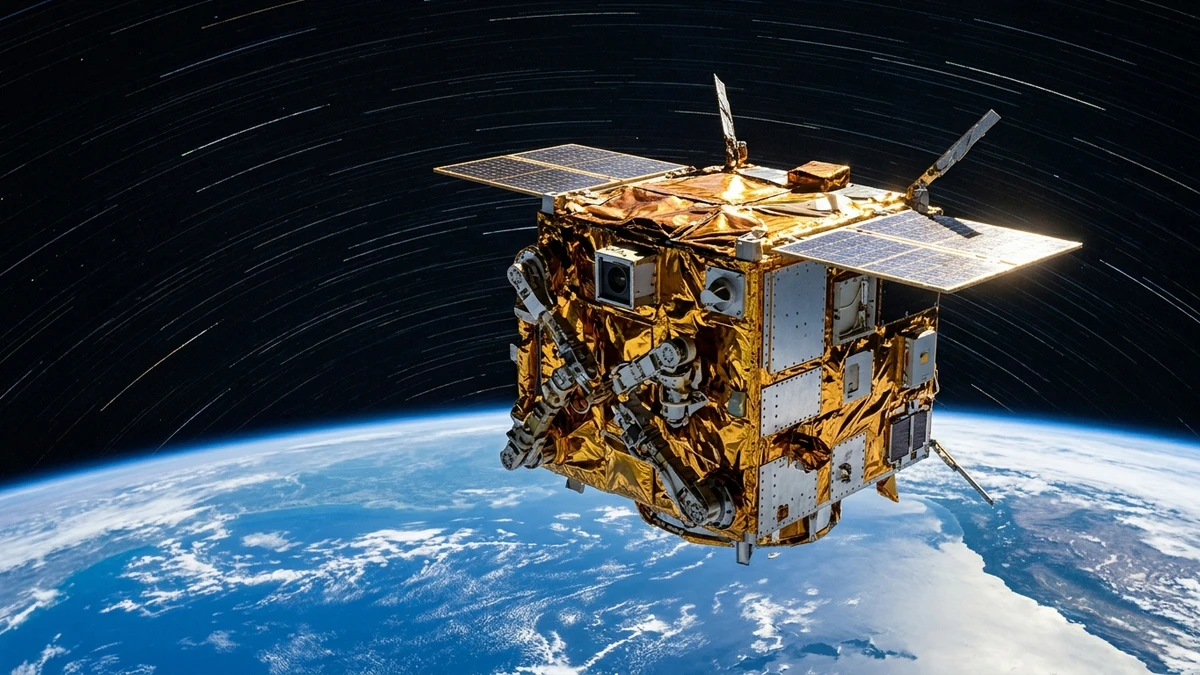
LINK, the fridge-sized robot that finally launched on 3 July after three scrubbed attempts, started spinning in orbit in late July. An electrical power fault knocked out two of its three reaction wheels, the devices that control which way the spacecraft points. At its worst, LINK was rotating at nine degrees a second. That's a full turn every 40 seconds, which is no state for a spacecraft that needs to creep up on a telescope and grab it.
The good news: the spin is coming down. By 30 July, careful thruster firings had cut it to four degrees a second, and Katalyst's engineers are still working to stop it completely. NASA says LINK remains "power positive and in communication" with the ground. In other words, wounded but very much alive.
NASA administrator Jared Isaacman summed up the mood on X: "We are not giving up yet. This remains a very cool, very low-cost, high-potential, high-reward mission."
Why Is the LINK Spacecraft Spinning?
Reaction wheels are the unsung heroes of spaceflight. They're heavy flywheels that spin up and slow down inside a spacecraft, and by Newton's third law the spacecraft turns the other way. No fuel needed, just electricity. Most satellites carry three or four so they can point precisely in any direction.
LINK carries three. Over the weekend of 26–27 July, a problem in the power system took two of them offline and left the spacecraft's cold-gas fine-control thrusters only partly working. With nothing holding it steady, LINK began to tumble.
Katalyst's fix has two parts. First, stop the spin using the thrusters that still work, which is slow, careful work because every firing has to be timed against the rotation. Second, rewrite the guidance and control software so LINK can fly its mission on one wheel plus thrusters. Neither is impossible. Spacecraft have limped home on less: Kepler famously kept planet-hunting for years after losing two of its four wheels.

When Will LINK Reach the Swift Telescope?
Late August at the earliest. The original timeline had LINK arriving near Swift about a month after launch, so early August. The spin recovery has pushed that back by several weeks, and NASA says teams will only "evaluate revised plans to approach and capture Swift" once LINK is stable and healthy.
That schedule slip matters more on this mission than most, because the target won't wait.
Swift's neighbourhood, from your garden
Kit we've tested and reviewed in full
Swift and LINK are circling in the same busy band of sky where satellites catch the sun after dusk. On a clear August evening a pair of binoculars will show you dozens of them drifting between the stars.
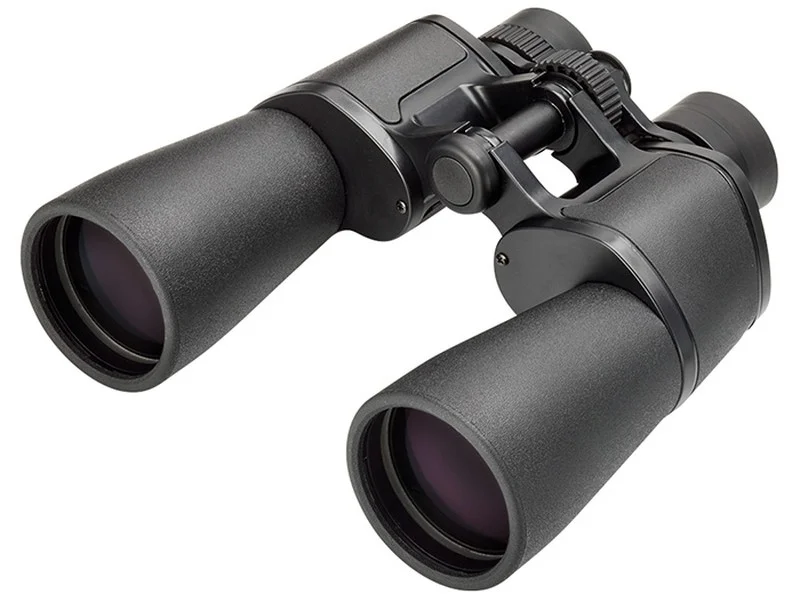
Wide field, bright view, easy to hold steady. Ideal for picking up a moving satellite and following it across the sky.
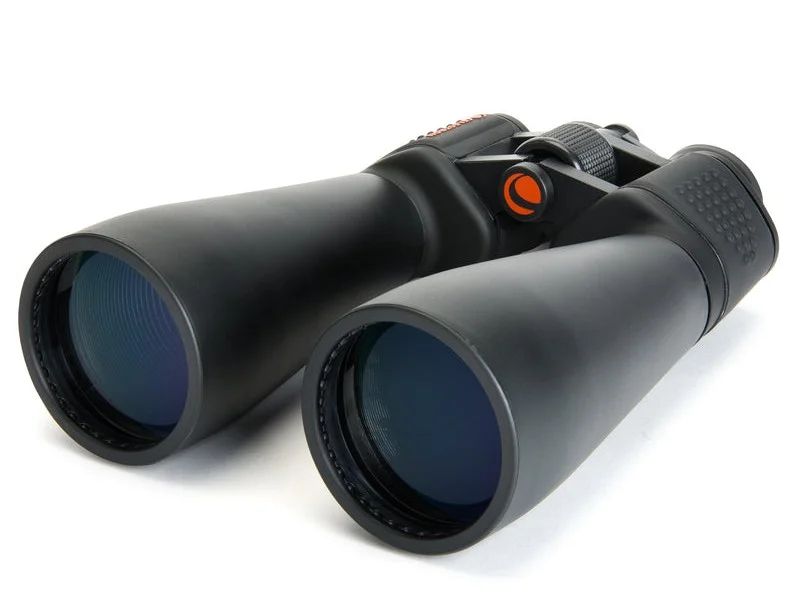
The big 70mm lenses pull in fainter satellites and give you the summer Milky Way as a bonus. Rest them on a wall or tripod.
Affiliate links: you pay the same price, we earn a small commission that helps keep WatchTheStars free.
Can NASA Still Save the Swift Telescope?
Yes, but the margin is getting uncomfortably thin.
Swift has been sinking for months, dragged down by an upper atmosphere swollen by the solar maximum. The 22-year-old telescope has already fallen from its original 600km orbit to around 400km. For a rescue to work, NASA's models say Swift must stay above a minimum altitude of roughly 300km (about 185 miles). For comparison, the International Space Station flies at about 400km.
The models expect Swift to drop below that rescue line this autumn. A late-August rendezvous still fits inside that window, but only just, and the lower Swift sinks the faster it falls. The telescope is doing its bit to buy time: it has cut back its science observations to fly as streamlined as possible and reduce drag.
So the race is now genuinely tight on both ends. LINK needs to get healthy quickly, and Swift needs to hold on a little longer.
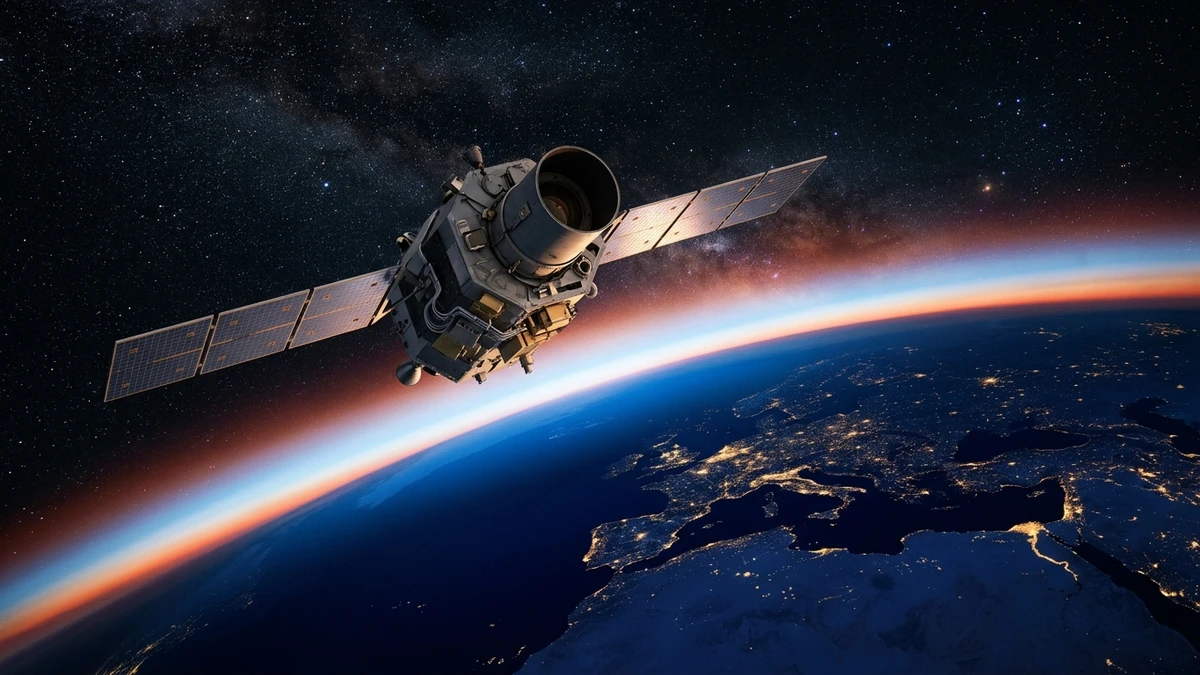
What Happens Next in the Swift Boost Mission
Watch for three milestones over the next few weeks.
First, Katalyst needs to announce that LINK's spin has stopped and the spacecraft is stable. Second, the updated control software has to prove it can point LINK accurately on one wheel and thrusters. Third, NASA and Katalyst will publish a revised rendezvous date, and from there the plan runs as before: two to three weeks studying Swift up close, then the capture with LINK's three robotic arms, then months of gentle pushing with ion thrusters to raise the telescope back towards 600km.
If it all comes off, LINK still becomes the first private spacecraft to capture a US government satellite, and NASA gets its gamma-ray burst hunter back for a fraction of the cost of a replacement. If the delays stretch into September, the sums start to look grim.
The best sources for updates are NASA's Swift blog and Katalyst's mission page. We've followed this mission since the rescue was first announced, and we'll cover the next chapter here, whichever way it goes.
Sources:
- Commissioning Update for Spacecraft to Boost NASA's Swift · NASA
- 'We are not giving up yet': Private mission to rescue NASA's Swift telescope is spinning out of control · Live Science
- LINK Mission Updates · Katalyst Space Technologies
- Rescue mission to save NASA's Swift space telescope is imperiled in orbit · Scientific American
Frequently Asked Questions
Equipment guides
Related topics

Ian ClaytonAmateur astronomer and founder of WatchTheStars.co.uk, dedicated to helping others explore the wonders of our universe. Full profile →